Under his leadership, the lab diversified its research portfolio, expanded its science impact, advanced major projects, increased collaboration with Stanford and met the challenges...
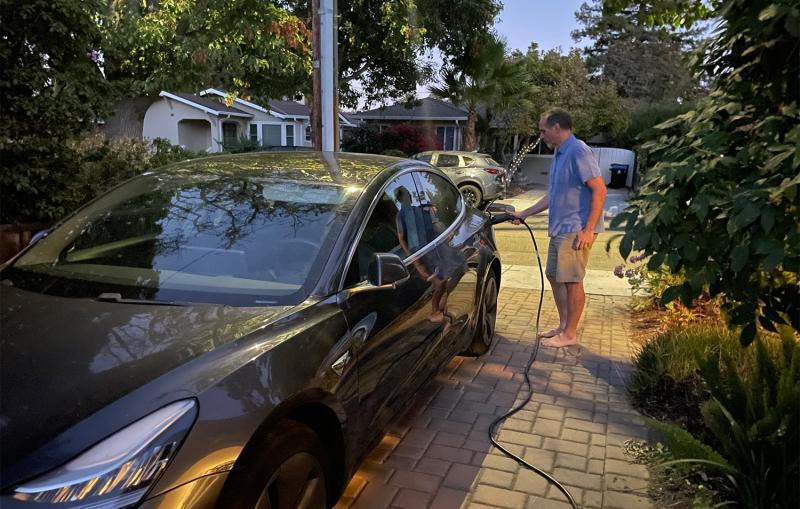
A research team including SLAC staff engineer Gustavo Cezar shows that charging electric vehicles in the daytime would spread the load on the electric...
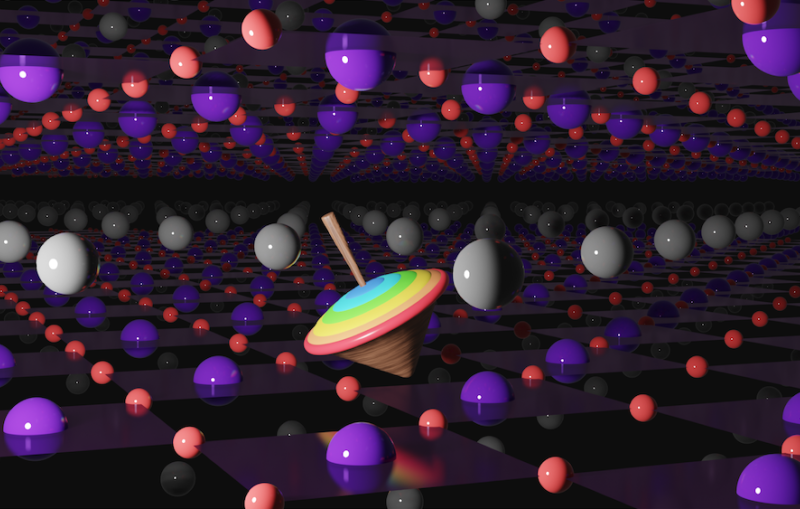
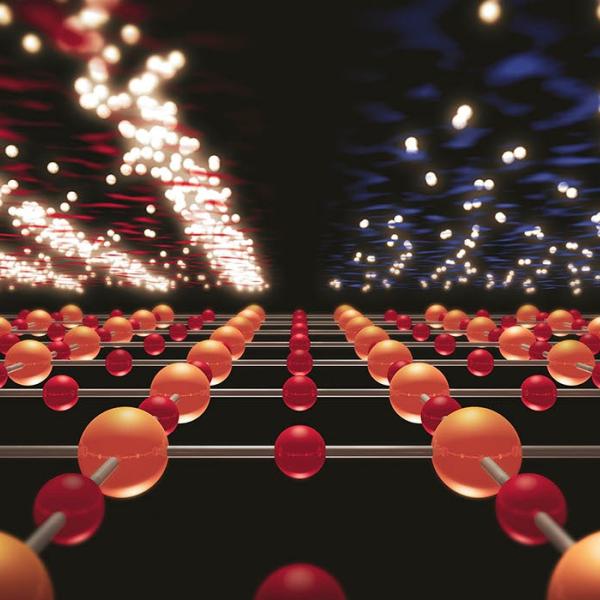
Waves of magnetic excitation sweep through this exciting new material whether it’s in superconducting mode or not – another possible clue to how unconventional...
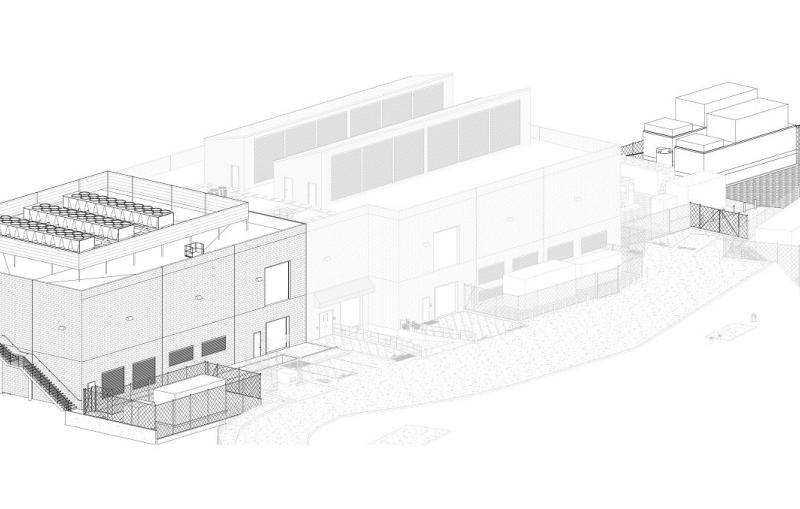
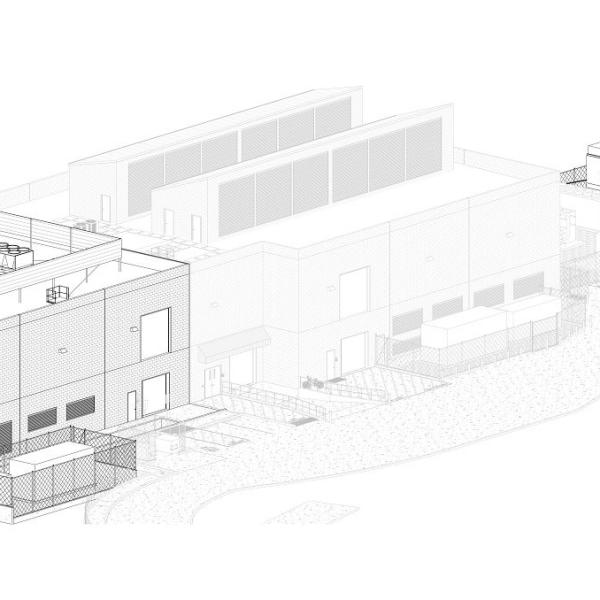
An extension of the Stanford Research Computing Facility will host several data centers to handle the unprecedented data streams that will be produced by...
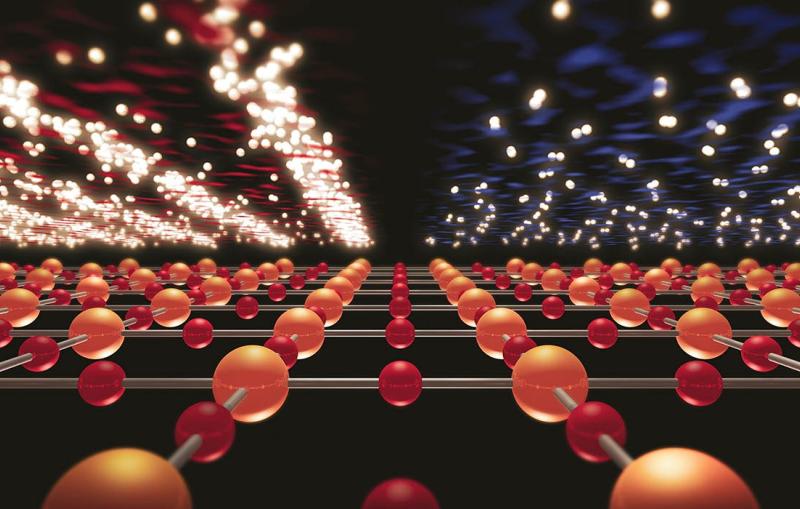
Researchers discover they contain a phase of quantum matter, known as charge density waves, that’s common in other unconventional superconductors. In other ways, though...
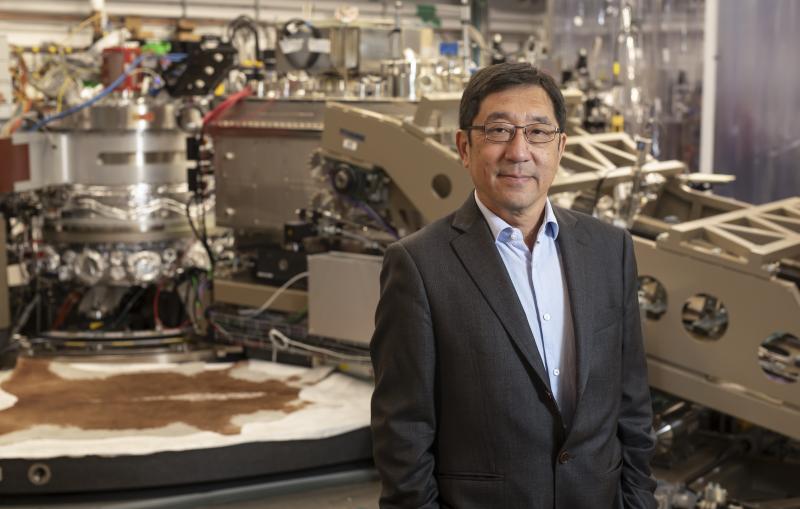
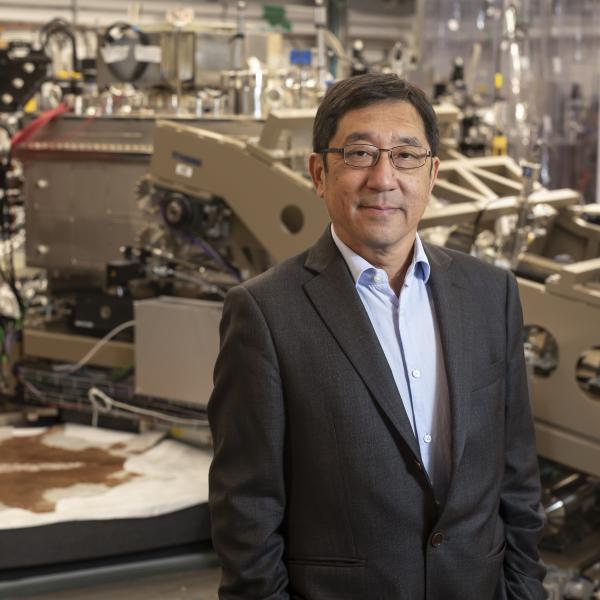
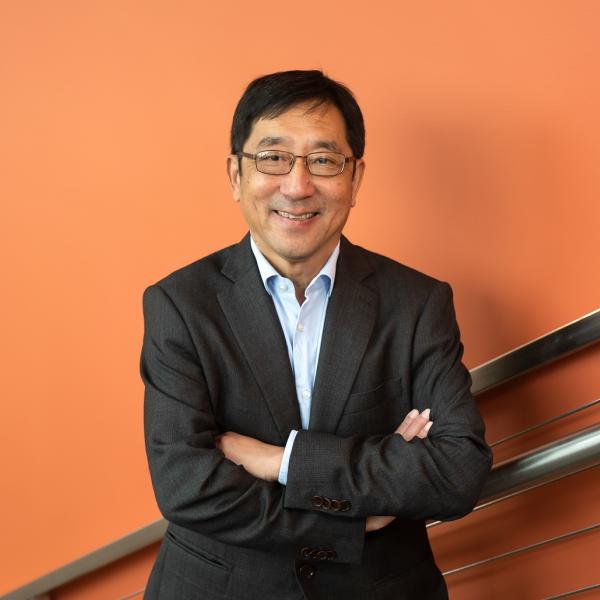
Under his leadership, the lab diversified its research portfolio, expanded its science impact, advanced major projects, increased collaboration with Stanford and met the challenges of a global pandemic.
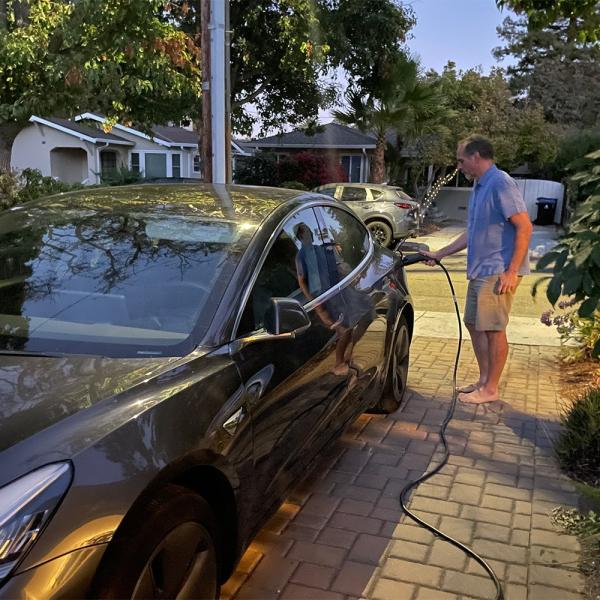
A research team including SLAC staff engineer Gustavo Cezar shows that charging electric vehicles in the daytime would spread the load on the electric grid, save money and reduce greenhouse gas emissions.
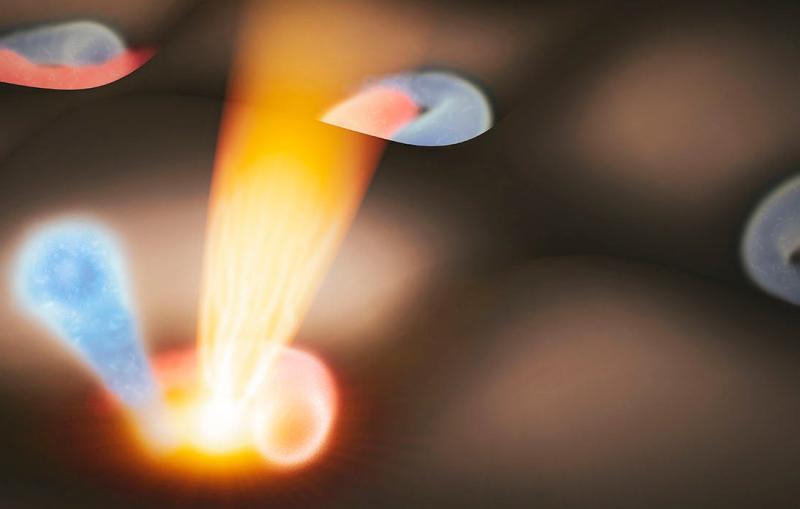
Waves of magnetic excitation sweep through this exciting new material whether it’s in superconducting mode or not – another possible clue to how unconventional superconductors carry electric current with no loss.
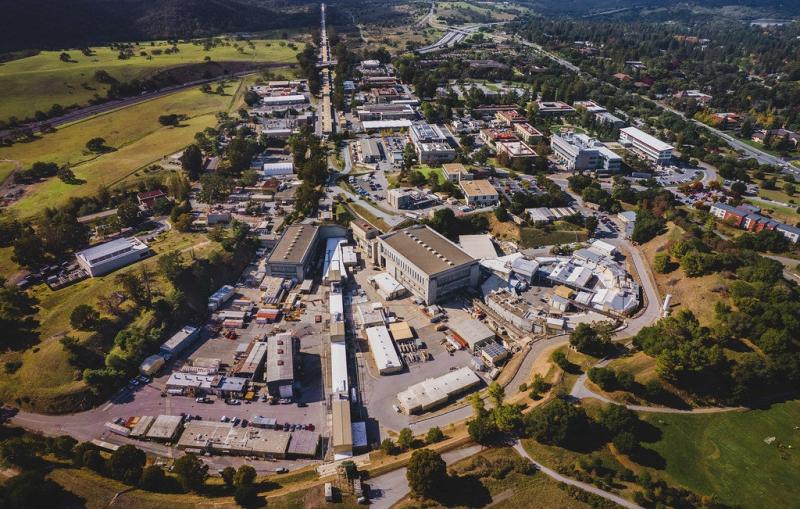
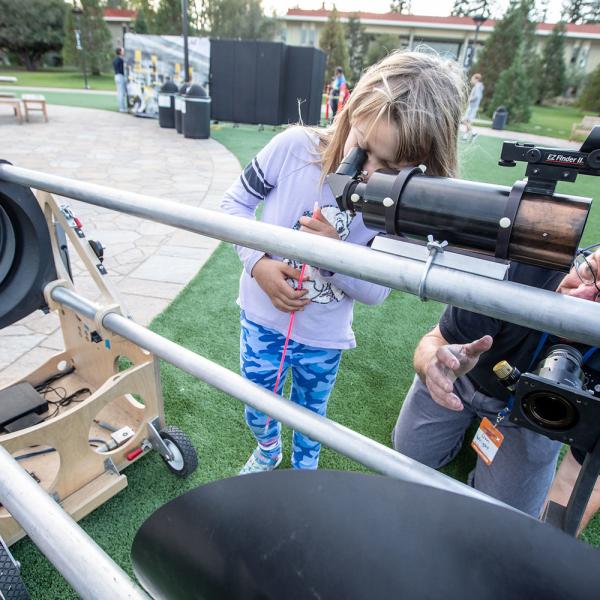
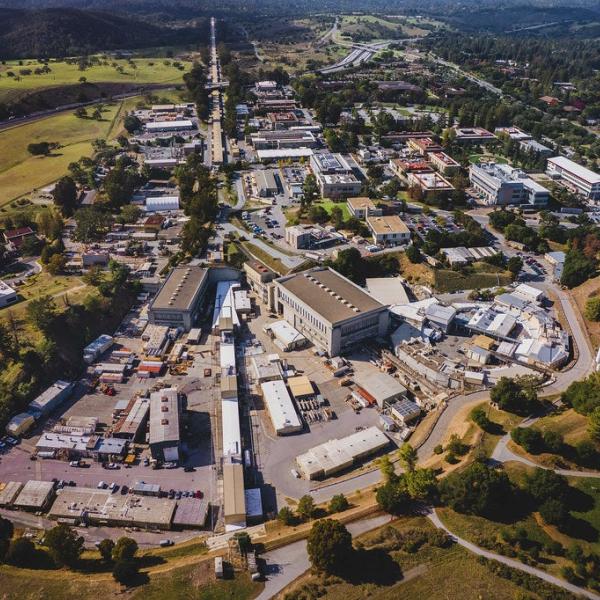
An extension of the Stanford Research Computing Facility will host several data centers to handle the unprecedented data streams that will be produced by a new generation of scientific projects.
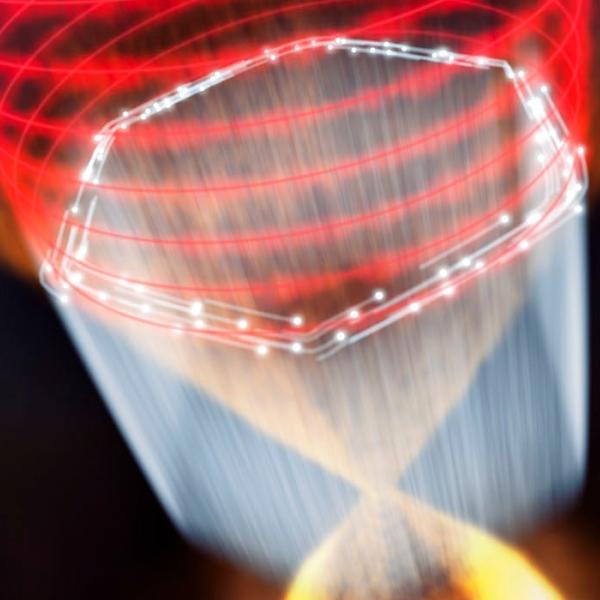
Researchers discover they contain a phase of quantum matter, known as charge density waves, that’s common in other unconventional superconductors. In other ways, though, they’re surprisingly unique.
After decades of experience in the DOE lab system and as director of a leading synchrotron light source, he’s back to where he earned his PhD – with a much bigger mission.
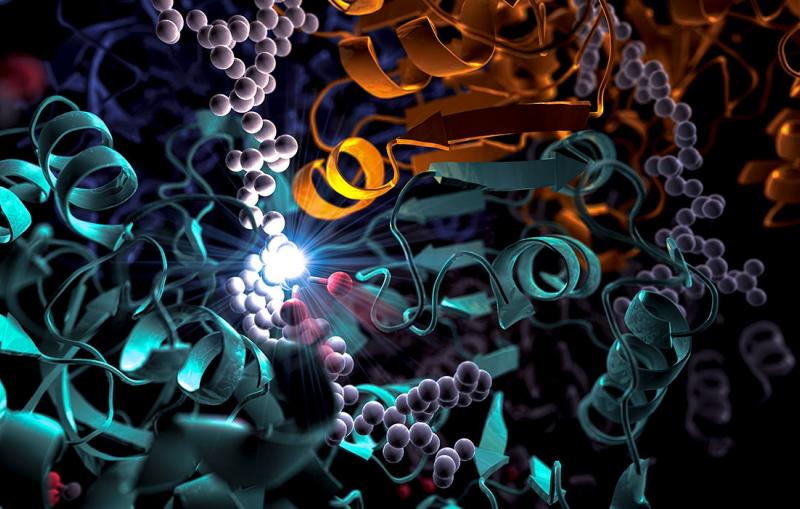
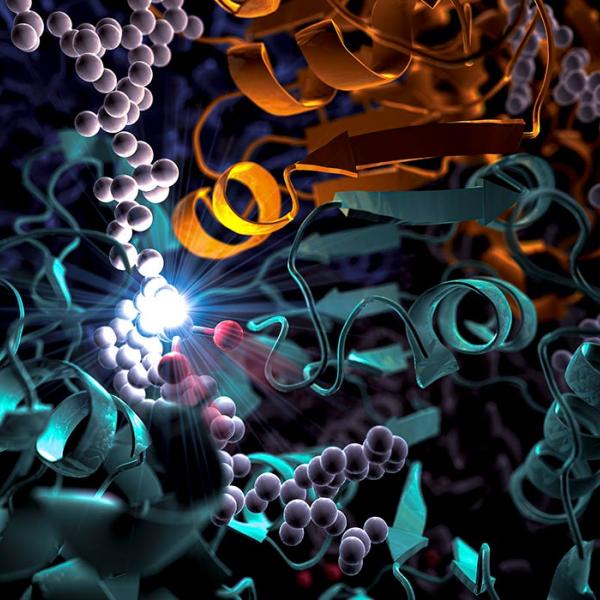
Researchers discover that a spot of molecular glue and a timely twist help a bacterial enzyme convert carbon dioxide into carbon compounds 20 times faster than plant enzymes do during photosynthesis. The results stand to accelerate progress toward converting carbon...