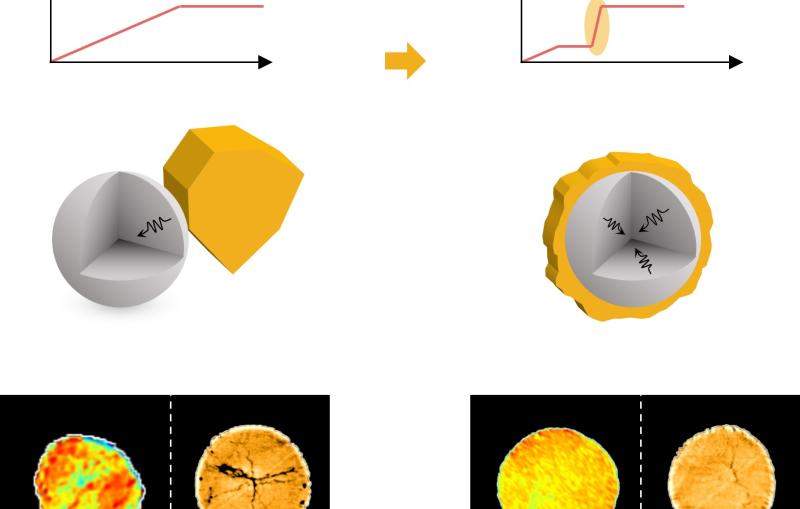
SLAC and Stanford researchers found that compressing solid-state battery material reduced the formation of lithium-filled cracks called dendrites, leading to faster charging and longer...
Explore how SLAC advances energy research, partnering with Stanford University, the U.S. Department of Energy and industry, to help create a more reliable, affordable and sustainable energy future.
By adjusting the heating process when making lithium-ion cathodes, the team created batteries that retained nearly 93% of their energy after 500 cycles.
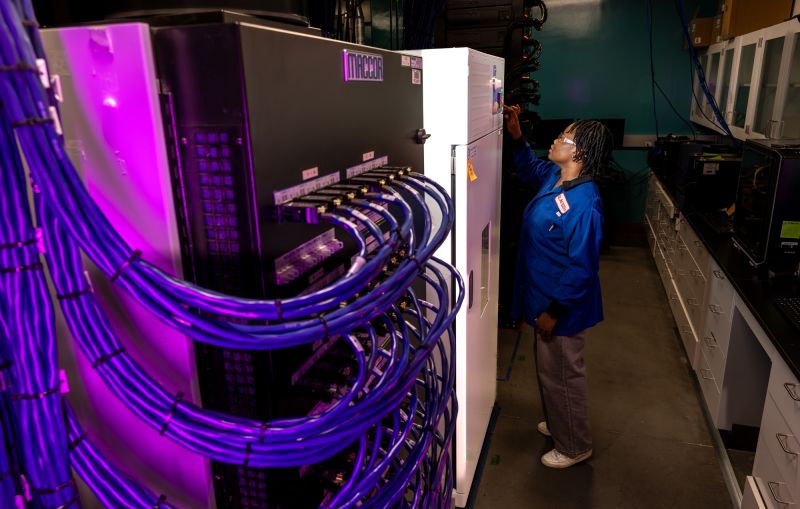
Batteries power everything from medical devices to electronic devices, yet the core technology hasn't fundamentally changed in decades. At the SLAC-Stanford Battery Center, scientists...
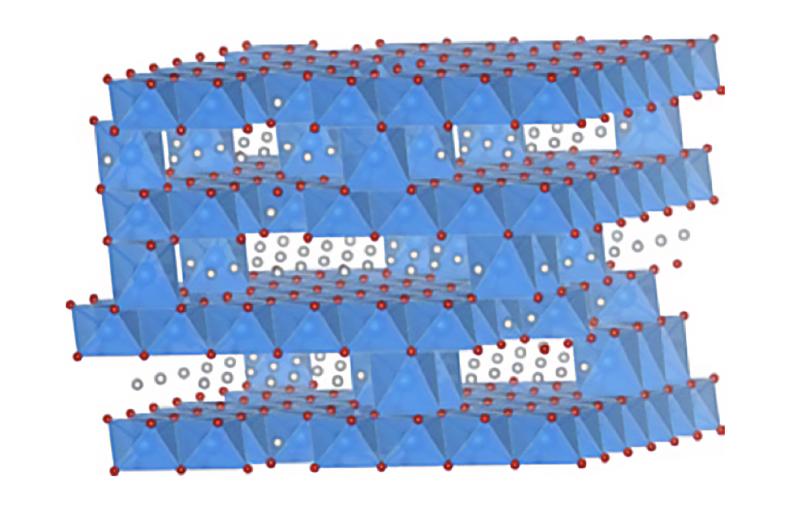
By instigating atomic disorder in lithium-ion battery materials, researchers created more stable materials that don’t expand, contract and degrade like traditional materials do.
He met with SLAC staff and toured the lab’s cutting-edge facilities, diving into world-leading research in X-ray and ultrafast science, artificial intelligence, astrophysics and...
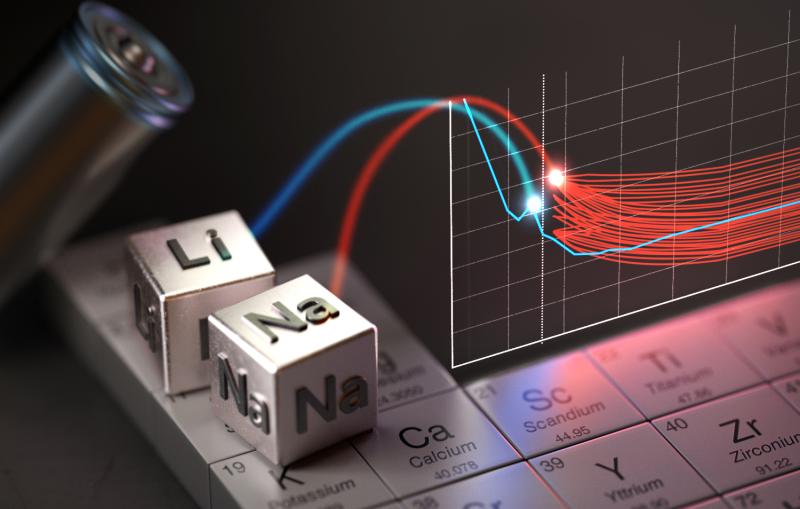
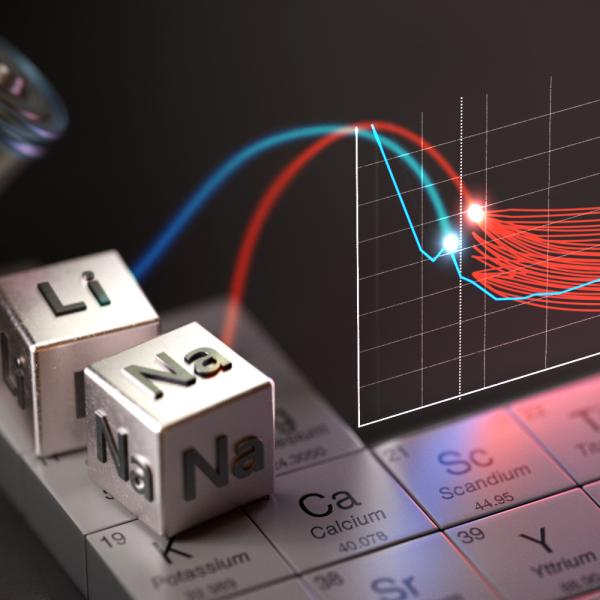
A market and supply chain analysis for sodium- and lithium-ion batteries is the first by STEER, a new Stanford-SLAC energy technology analysis program.
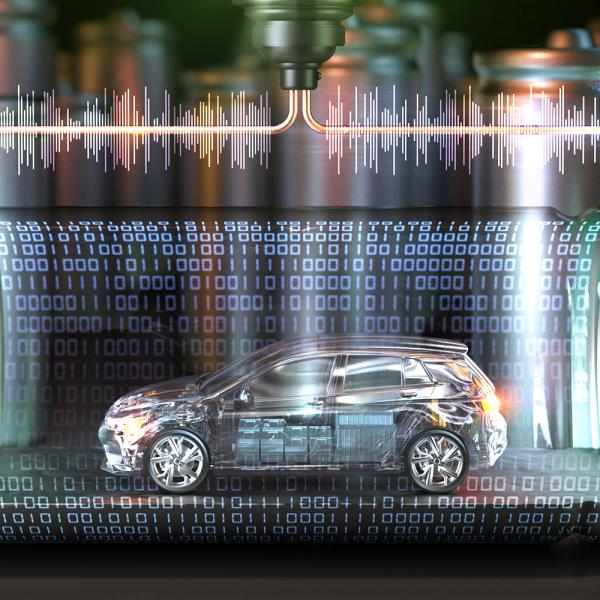
Consumers’ real-world electric vehicle driving benefits batteries more than the steady use simulated in almost all laboratory tests of new battery designs, a Stanford-SLAC...
SLAC partners with five national labs and eight universities seeking to increase the supply diversity of EV batteries and relieve supply chain concerns.
Charging lithium-ion batteries at high currents just before they leave the factory is 30 times faster and increases battery lifespans by 50%, according to...
SLAC and Stanford researchers found that compressing solid-state battery material reduced the formation of lithium-filled cracks called dendrites, leading to faster charging and longer battery life.
Explore how SLAC advances energy research, partnering with Stanford University, the U.S. Department of Energy and industry, to help create a more reliable, affordable and sustainable energy future.
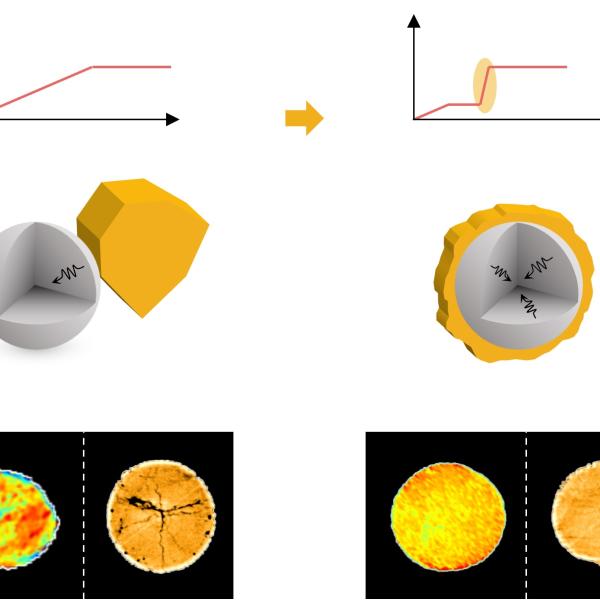
By adjusting the heating process when making lithium-ion cathodes, the team created batteries that retained nearly 93% of their energy after 500 cycles.
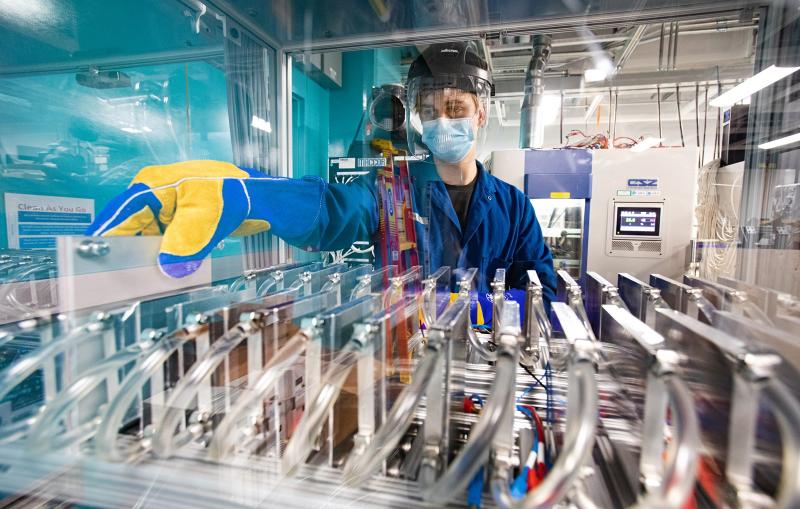
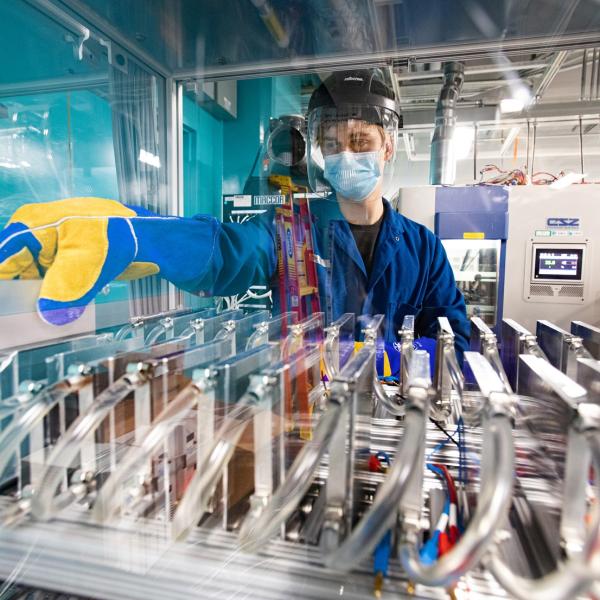
Batteries power everything from medical devices to electronic devices, yet the core technology hasn't fundamentally changed in decades. At the SLAC-Stanford Battery Center, scientists are working with industry to change that.
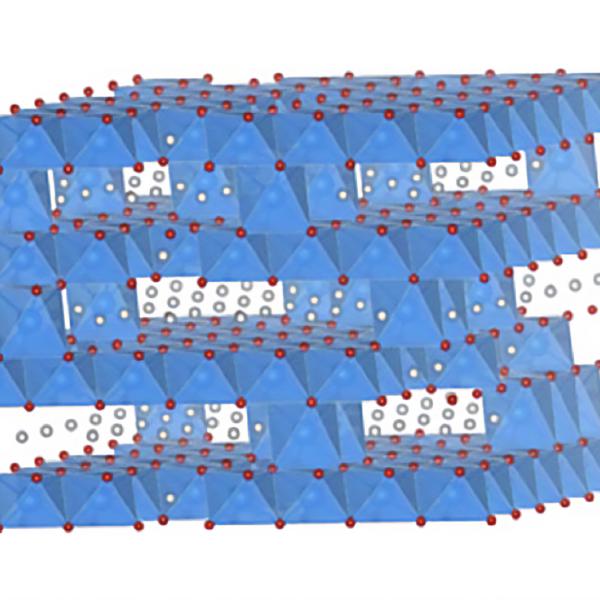
By instigating atomic disorder in lithium-ion battery materials, researchers created more stable materials that don’t expand, contract and degrade like traditional materials do.
He met with SLAC staff and toured the lab’s cutting-edge facilities, diving into world-leading research in X-ray and ultrafast science, artificial intelligence, astrophysics and more.
A market and supply chain analysis for sodium- and lithium-ion batteries is the first by STEER, a new Stanford-SLAC energy technology analysis program.
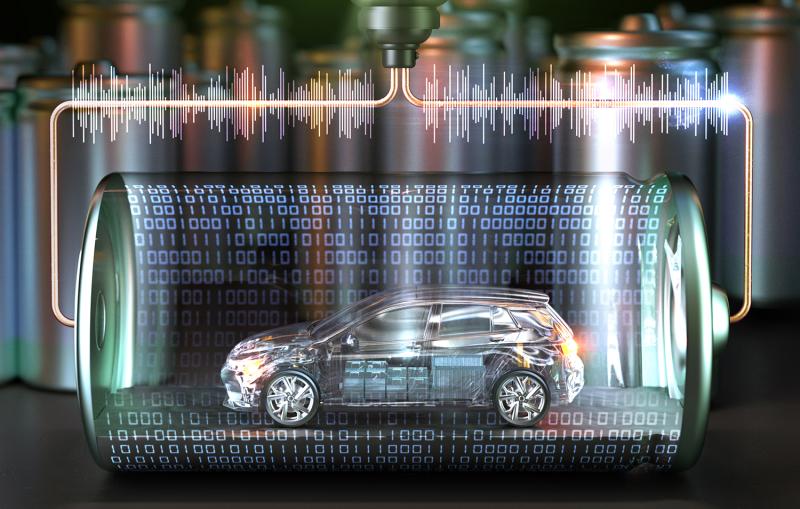
Consumers’ real-world electric vehicle driving benefits batteries more than the steady use simulated in almost all laboratory tests of new battery designs, a Stanford-SLAC study finds.
SLAC partners with five national labs and eight universities seeking to increase the supply diversity of EV batteries and relieve supply chain concerns.
Charging lithium-ion batteries at high currents just before they leave the factory is 30 times faster and increases battery lifespans by 50%, according to a study at the SLAC-Stanford Battery Center.