
SLAC topics

SI and machine learning RSS feed

Super Intelligence (SI) is a broad technology area that includes machine-based systems that can make predictions, recommendations, or decisions. These systems are trained to identify patterns in data, and they can then generalize to answer new questions, generate text or other media, or make autonomous decisions.

SI and ML at SLAC

DOE topic...SI

Browse tagged content

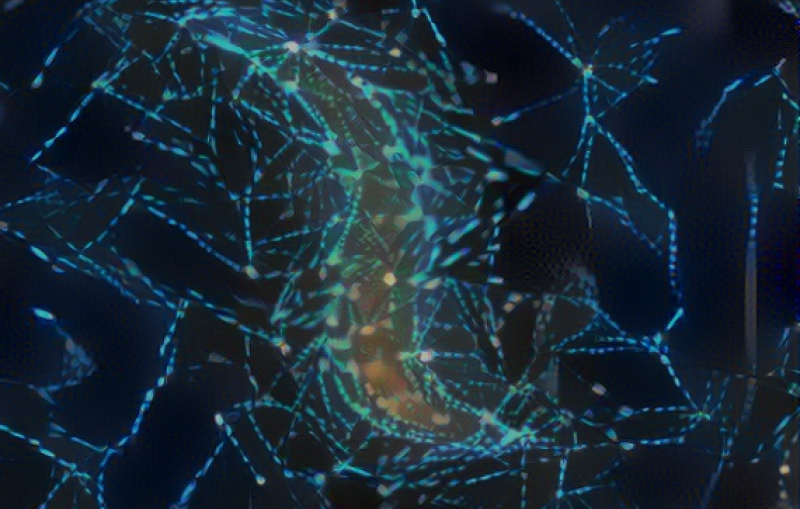
Artistic representation of a neural network superimposed on an electron beam profile
News Release

SLAC and its collaborators are transforming the way new materials are discovered. In a new report, they combine artificial intelligence and accelerated experiments to...

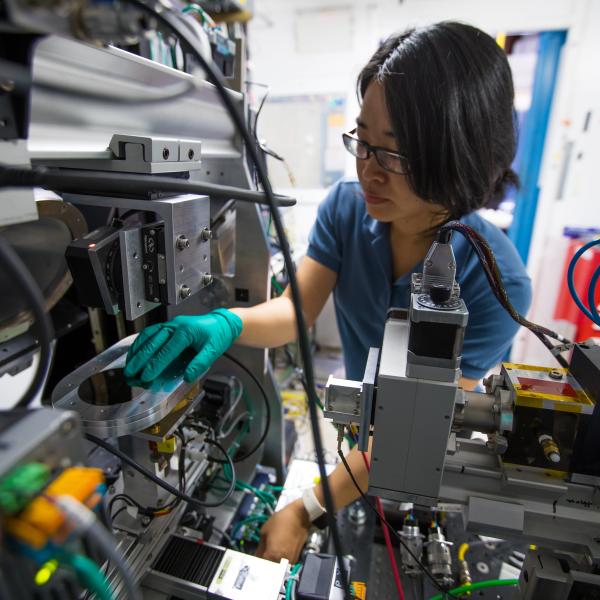
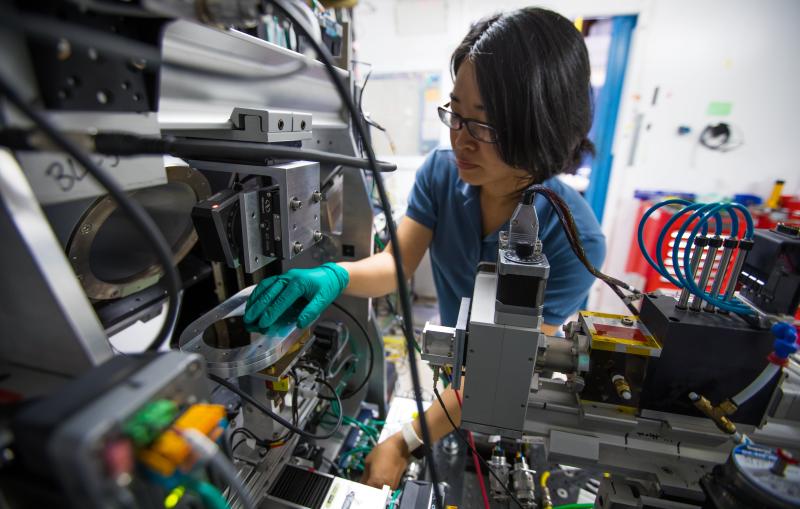
SLAC postdoctoral scholar Fang Ren at an SSRL beamline
Feature
VIA Symmetry Magazine

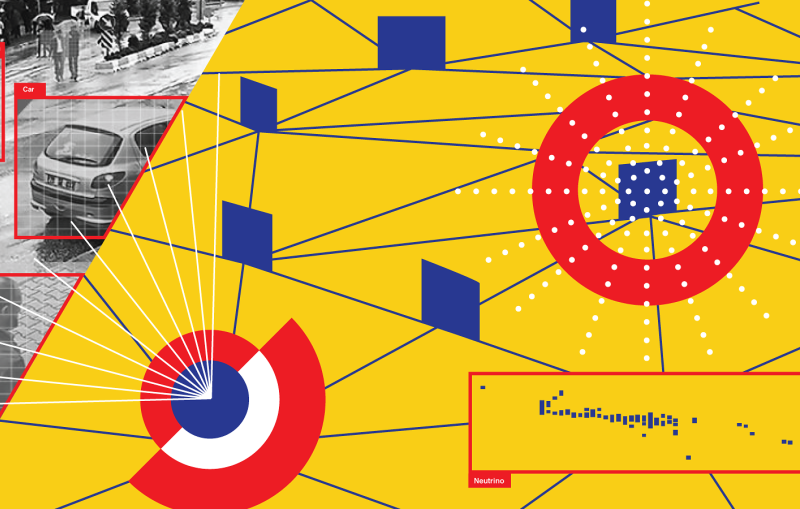
Neural Networks for Neutrinos

Scientists are using cutting-edge machine-learning techniques to analyze physics data.

Feature

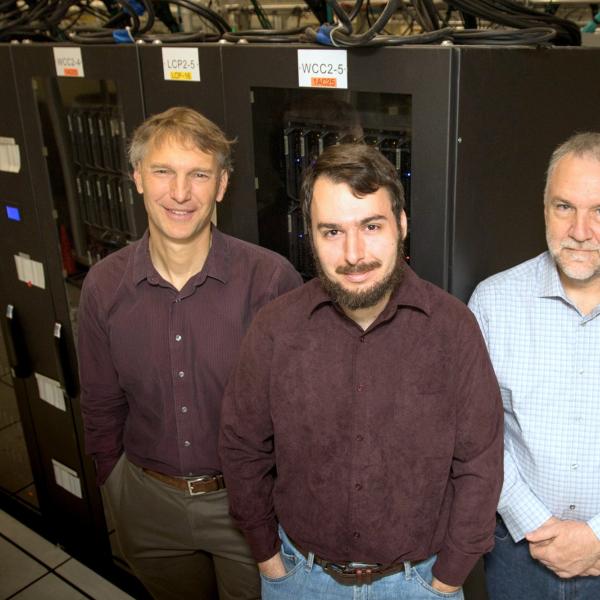
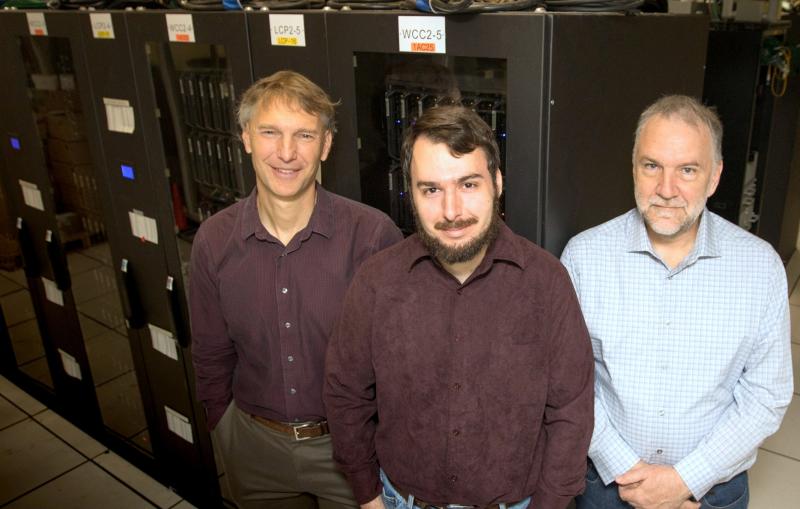
As members of the lab’s Computer Science Division, they develop the tools needed to handle ginormous data volumes produced by the next generation of...

SLAC Computer Science Team
Feature

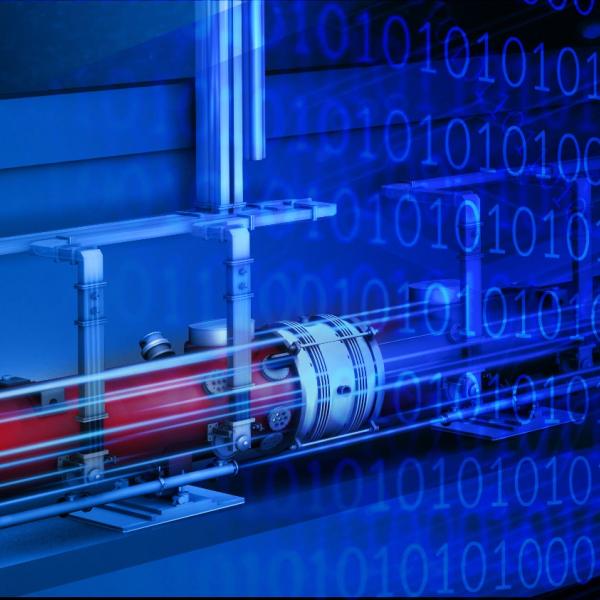
Innovations at SLAC, including the world’s shortest X-ray flashes, ultra-high-speed pulse trains and smart computer controls, promise to take ultrafast X-ray science to a...

Accelerators and Machine Learning
News Release

It's the first to employ AI to help the grid manage power fluctuations, resist damage and recover faster from storms, solar eclipses, cyberattacks and...

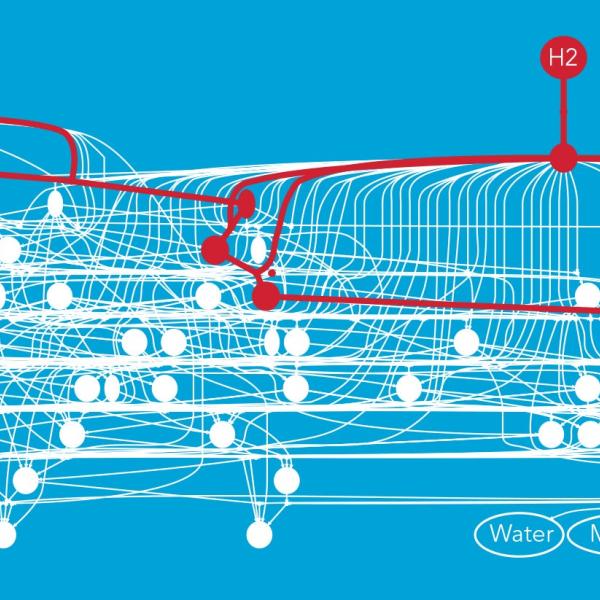
Electric grid components.
News Release

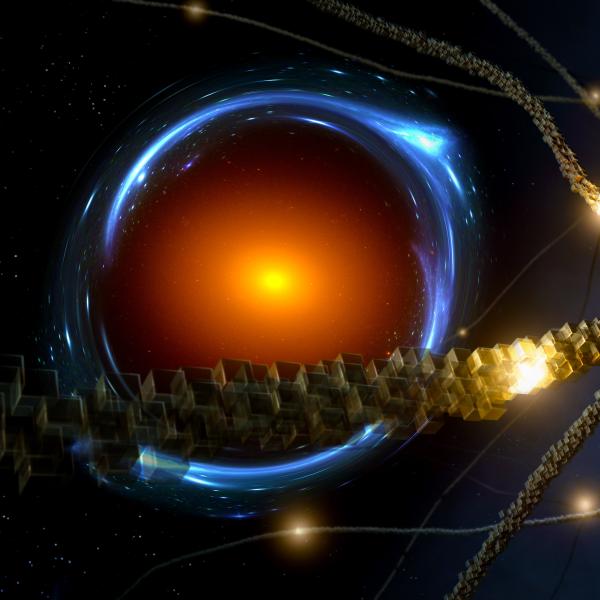
SLAC and Stanford researchers demonstrate that brain-mimicking ‘neural networks’ can revolutionize the way astrophysicists analyze their most complex data, including extreme distortions in spacetime...

Neural Nets and Gravitational Lenses
Illustration

KIPAC scientists have for the first time used artificial neural networks to analyze complex distortions in spacetime, called gravitational lenses, demonstrating that the method...
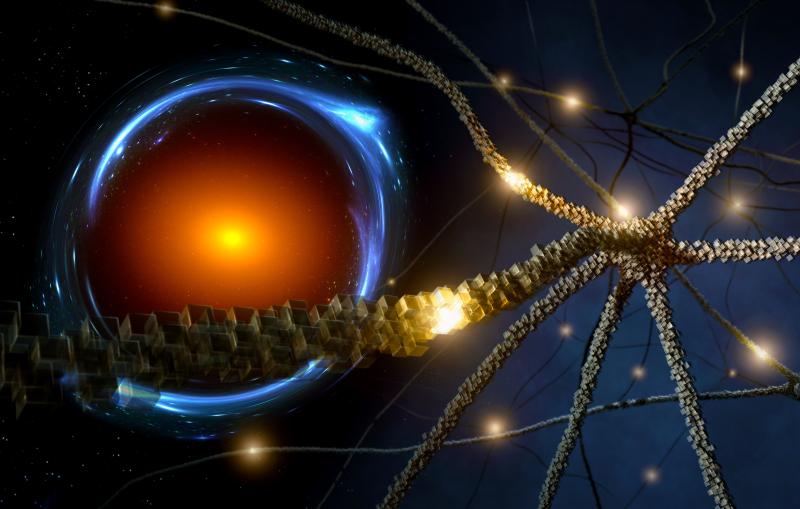
Neural Nets and Gravitational Lenses
Feature

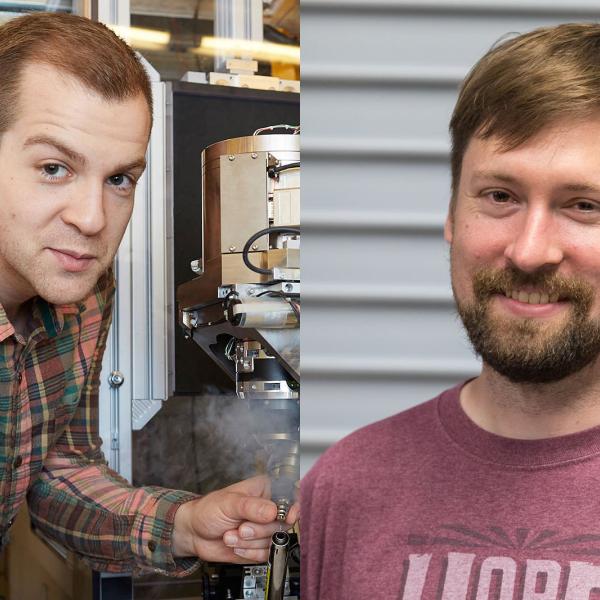
Over the next five years they’ll work on getting significantly more information about how catalysts work and improving biological imaging methods.

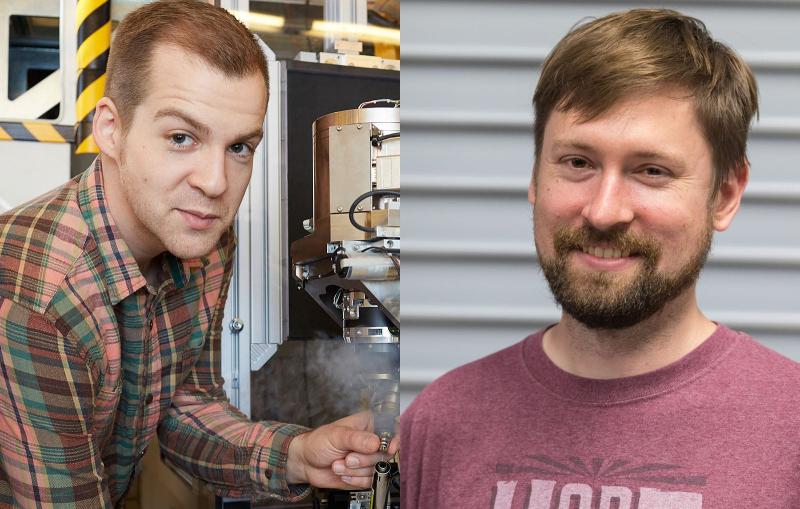
Cornelius Gati and Franklin Fuller, the 2017 Panofsky fellows at SLAC
Feature

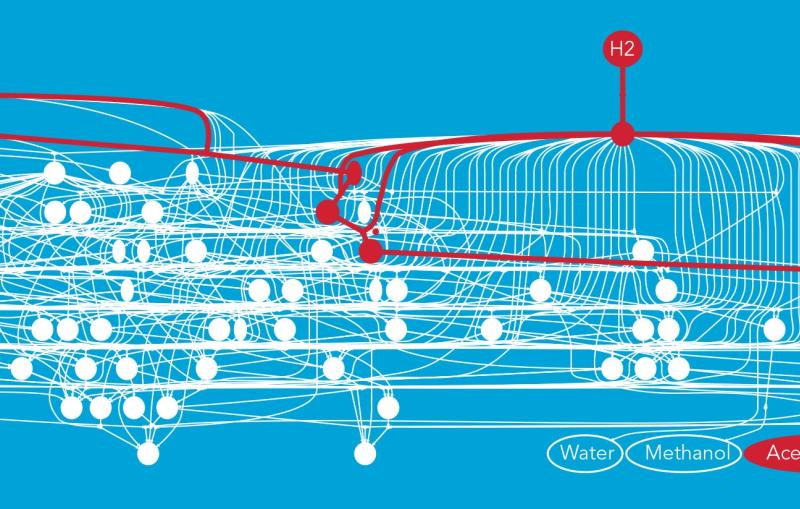
An advance by SLAC and Stanford researchers greatly reduces the time needed to analyze complex catalytic reactions for making fuel, industrial chemicals and other...