Growing up in China shortly after the Cultural Revolution, Zhirong Huang may have been the only middle-school child in Beijing who knew anything about...
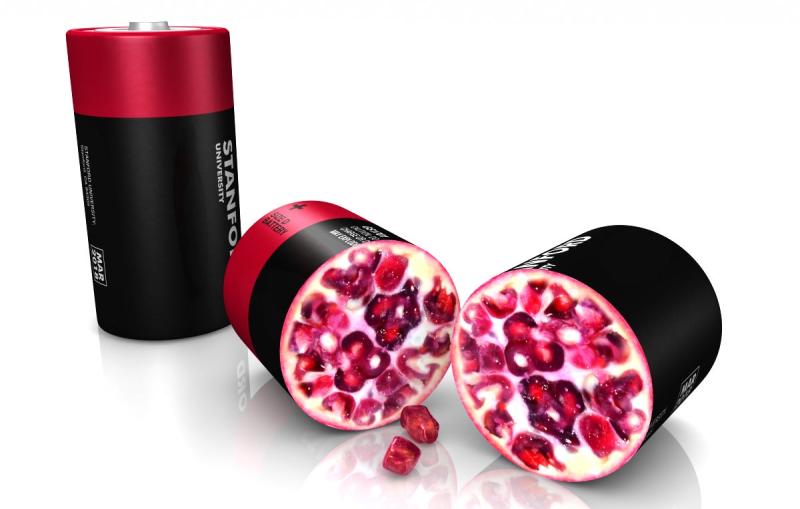
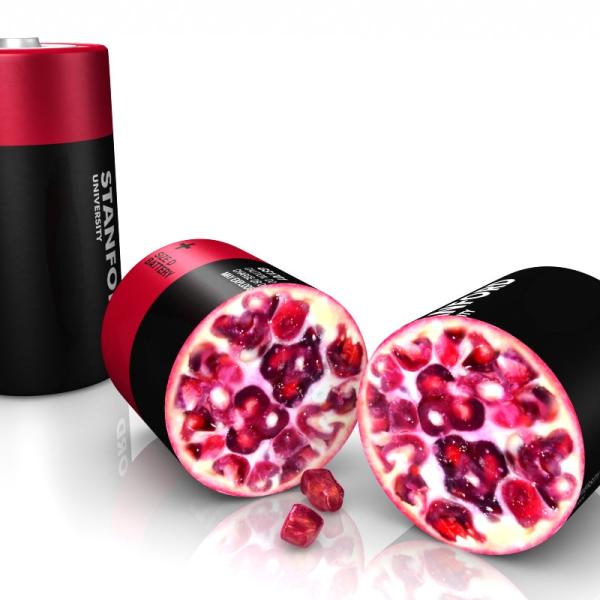
An electrode designed like a pomegranate – with silicon nanoparticles clustered like seeds in a tough carbon rind – overcomes several remaining obstacles to...
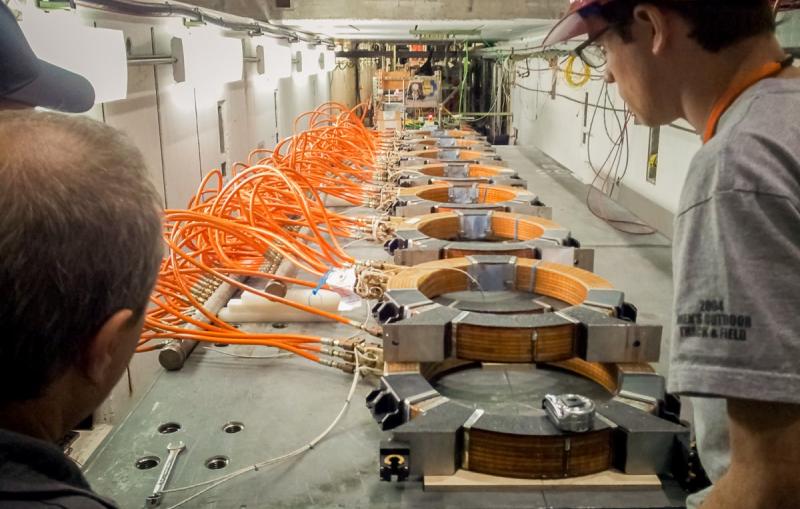
In a SLAC test facility, scientists have set the stage for an experiment that mimics what happens when incredibly energetic cosmic ray particles hit...
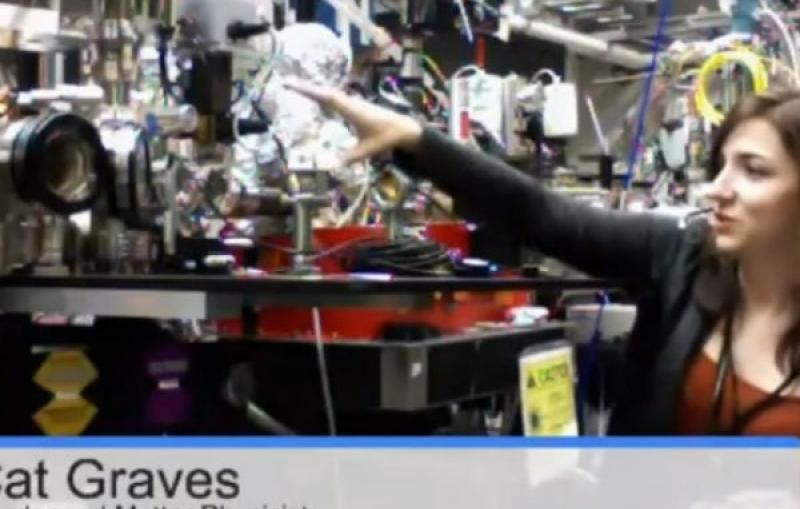
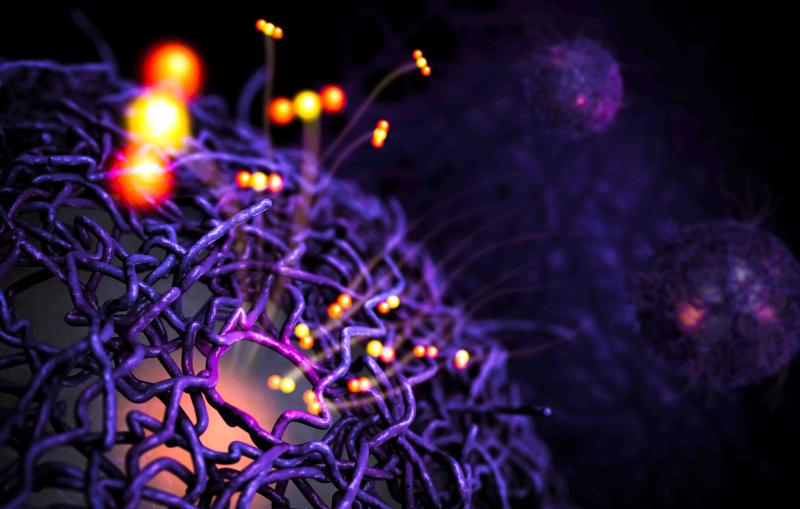
Jolting complex materials with bursts of energy from rapid-fire lasers can help scientists learn why some of these materials exhibit useful properties such as...
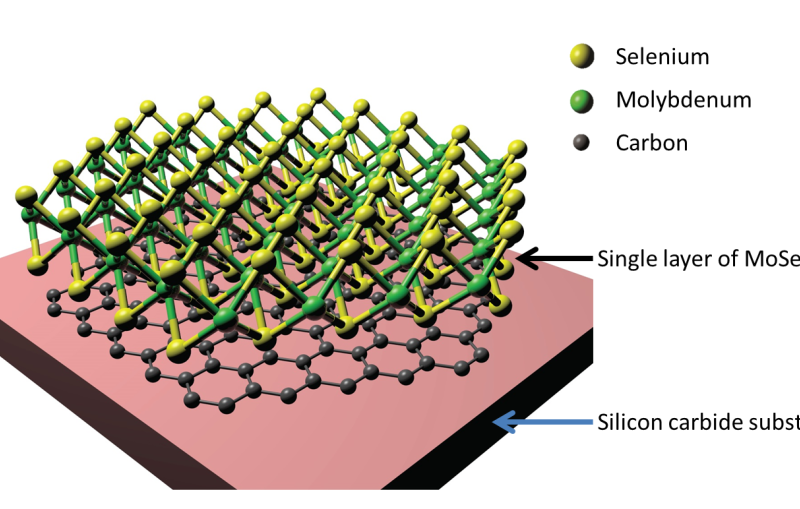
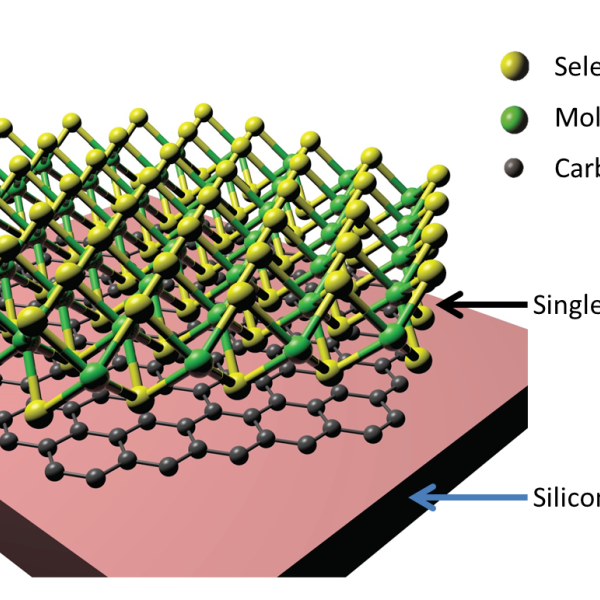
Crafted in a single atomic layer, it could be a natural fit for making thin, flexible light-based electronics, as well as futuristic 'spintronics' and...
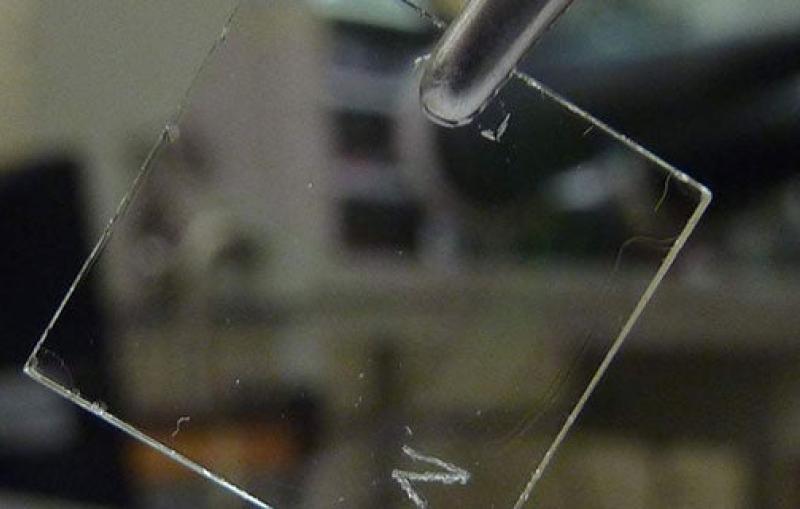
Teams from Stanford, SLAC and the University of Nebraska-Lincoln collaborate to make thin, transparent semiconductors that could become the foundation for cheap, high-performance displays.
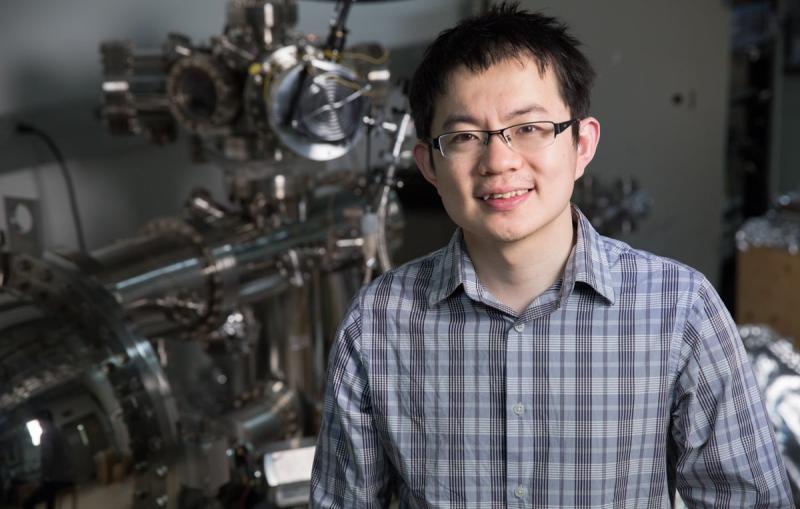
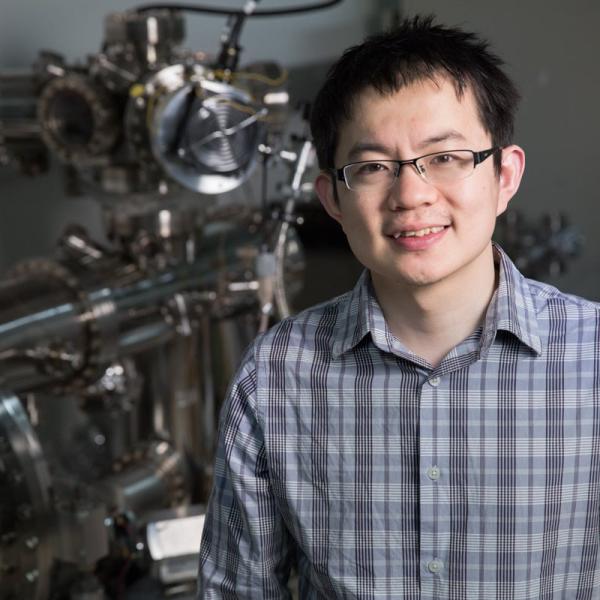
Growing up in China shortly after the Cultural Revolution, Zhirong Huang may have been the only middle-school child in Beijing who knew anything about SLAC. Today he’s a notable innovator in the design of particle accelerators and free-electron lasers.
An electrode designed like a pomegranate – with silicon nanoparticles clustered like seeds in a tough carbon rind – overcomes several remaining obstacles to using silicon for a new generation of lithium-ion batteries, say its inventors at Stanford University and...
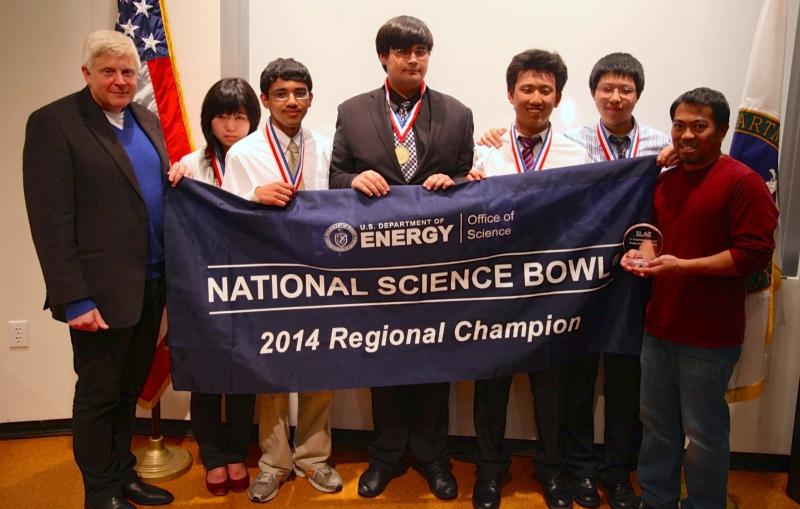
SLAC hosted 21 teams at the Department of Energy Regional Bay Area Science Bowl on Feb. 8. The winners from Homestead High School will head to Washington, D.C., for the national competition in April.
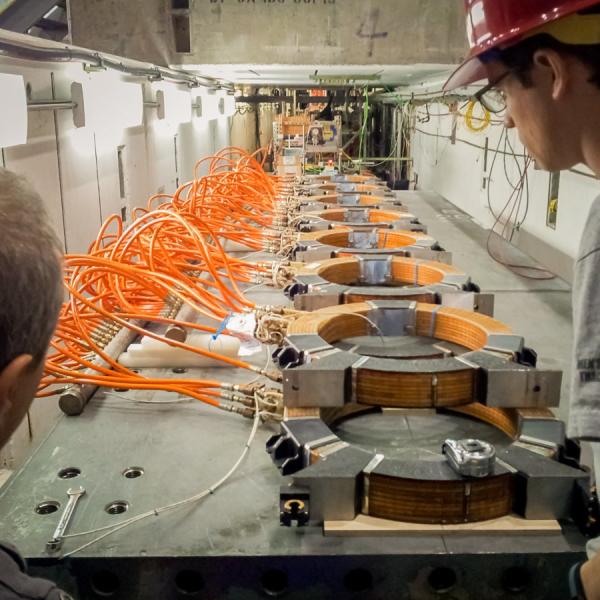
In a SLAC test facility, scientists have set the stage for an experiment that mimics what happens when incredibly energetic cosmic ray particles hit our atmosphere. While the experiment is part of ANITA, which sends balloon-borne instruments into the upper...
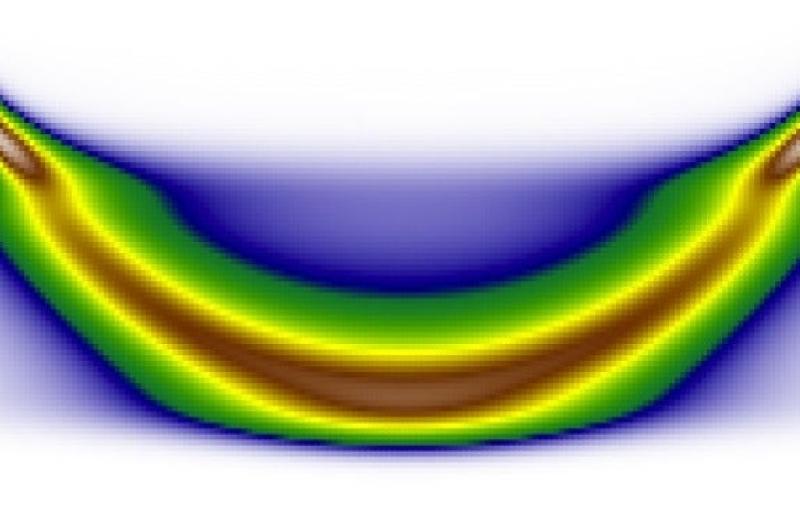
Jolting complex materials with bursts of energy from rapid-fire lasers can help scientists learn why some of these materials exhibit useful properties such as high-temperature superconductivity.
While this particular material is very unstable, the research shows it may be possible to find a material with the properties graphene has to offer in a thicker, sturdier form that’s easier to craft into electronic devices
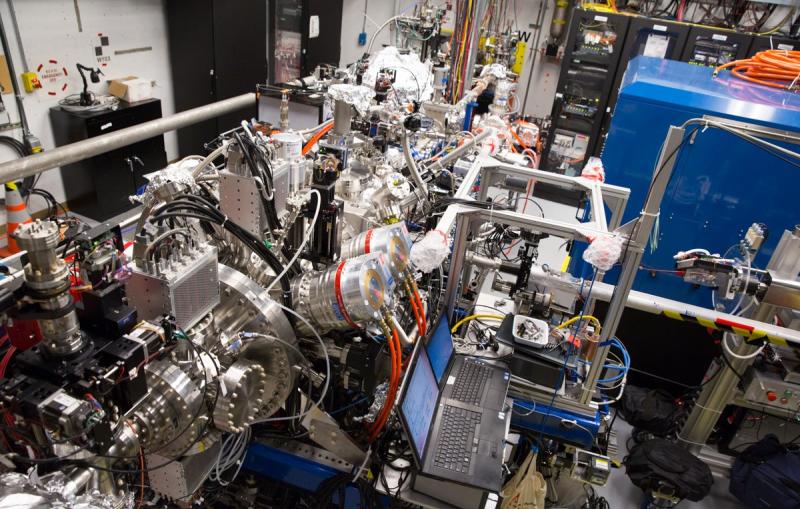
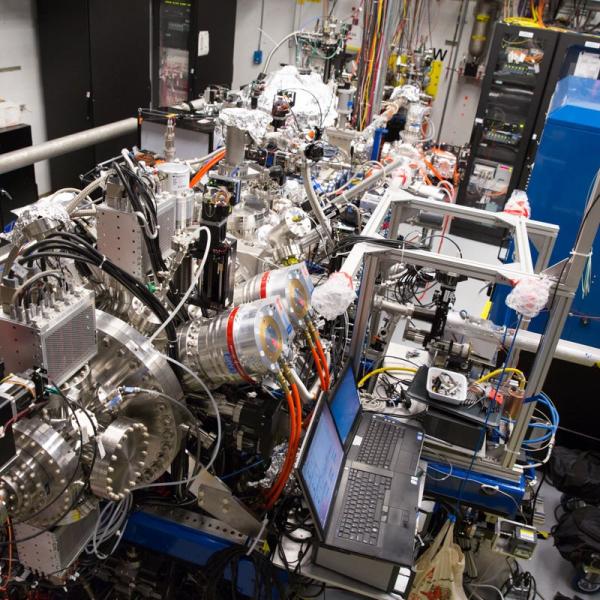
A 2-ton instrument the size of a compact car, now available at SLAC's X-ray laser, makes it possible to capture more detailed images of atoms, molecules, nanoscale features of solids, and individual particles such as viruses and airborne soot.
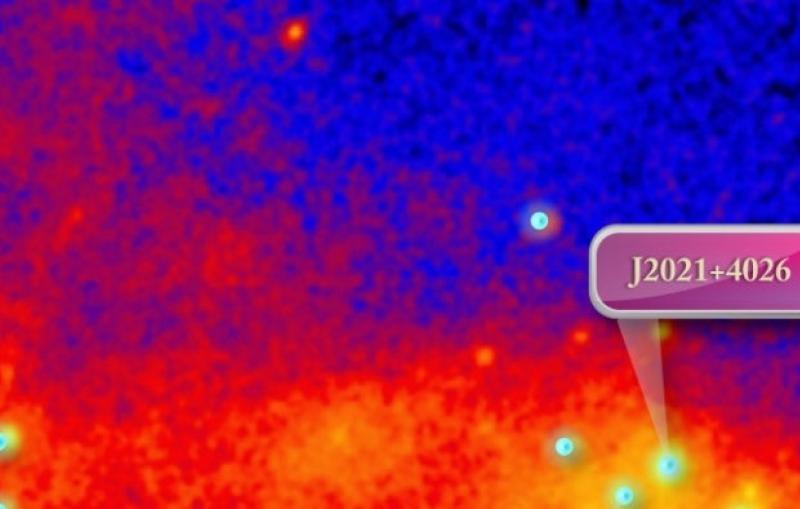
The distant universe looks a little clearer, thanks to tens of thousands of citizen scientists who classified more than 6 million images over the past three days.
Crafted in a single atomic layer, it could be a natural fit for making thin, flexible light-based electronics, as well as futuristic 'spintronics' and 'valleytronics.'
Teams from Stanford, SLAC and the University of Nebraska-Lincoln collaborate to make thin, transparent semiconductors that could become the foundation for cheap, high-performance displays.