SLAC topics

Science news RSS feed

The latest news about SLAC research, science programs, facilities and people. 

More on our News Center and Media Resources pages

Browse tagged content

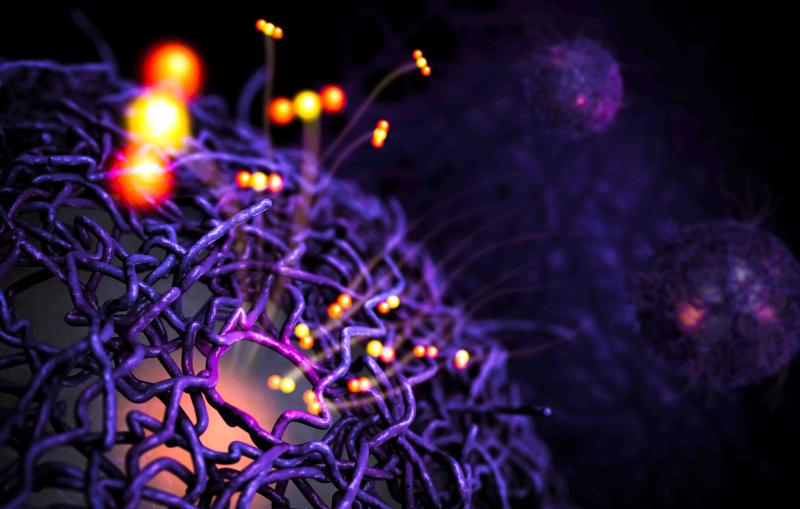
Scientists create artificial catalysts inspired by living enzymes
Feature

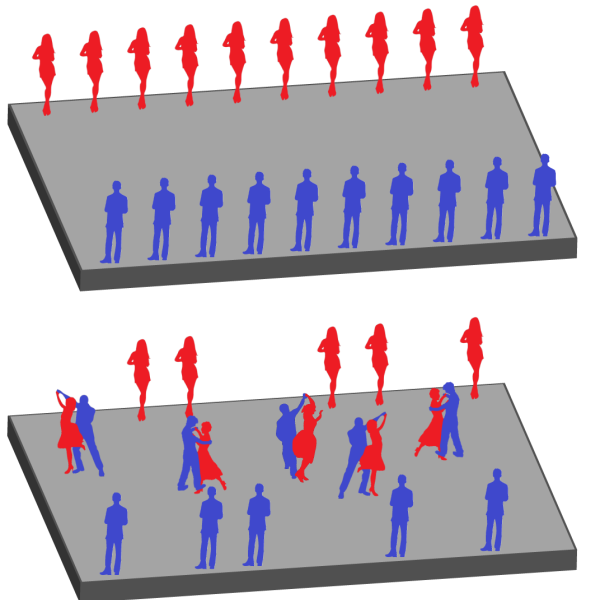
Scientists at SLAC and Stanford show how high-temperature superconductivity emerges out of magnetism in an iron pnictide, a class of materials with great potential...

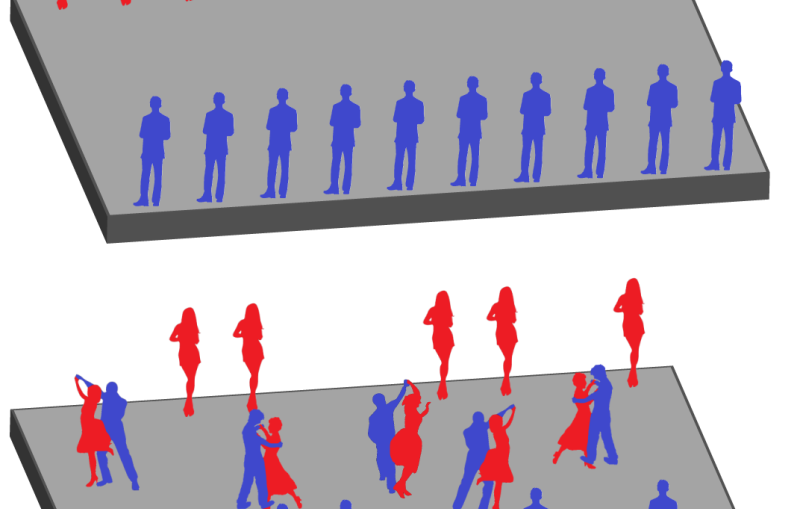
An illustration of electrons pairing up like dancers at a party
Feature

Rolls-Royce researchers came to SLAC earlier this month as part of a team testing titanium and its alloys, such as those used in engine...

Photo - Despina Milathianaki, a staff scientist at SLAC's LCLS, holds a series of titanium alloy samples prepared for an experiment. The experiment was designed to study the laser-shocked state of the materials. (Fabricio Sousa/SLAC)
Feature

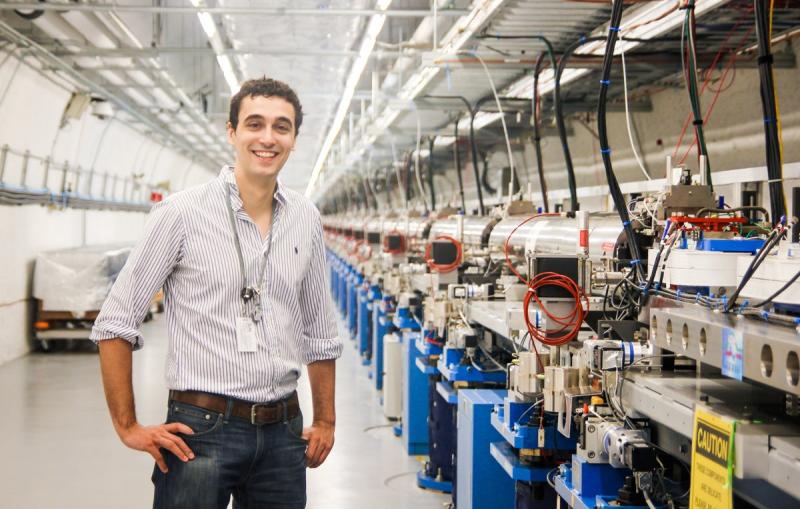
Agostino Marinelli, a postdoctoral researcher in the Accelerator Directorate, has been named the 2014 recipient of the Frank Sacherer Prize from the European Physical...

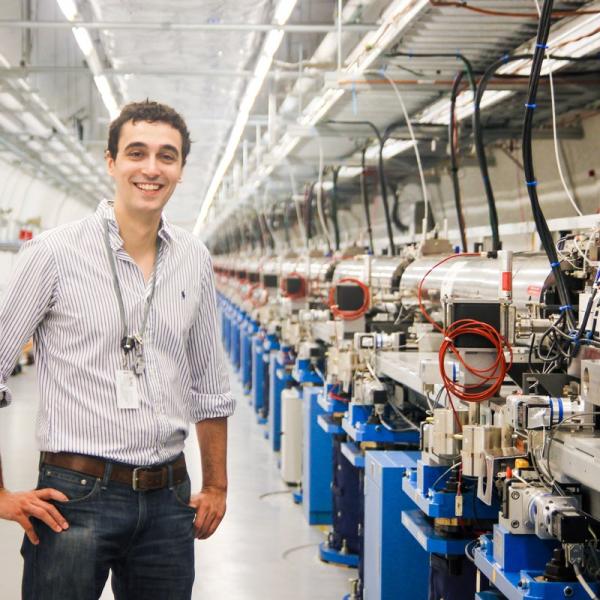
SLAC accelerator physicist Agostino Marinelli in the LCLS Undulator Hall
Feature

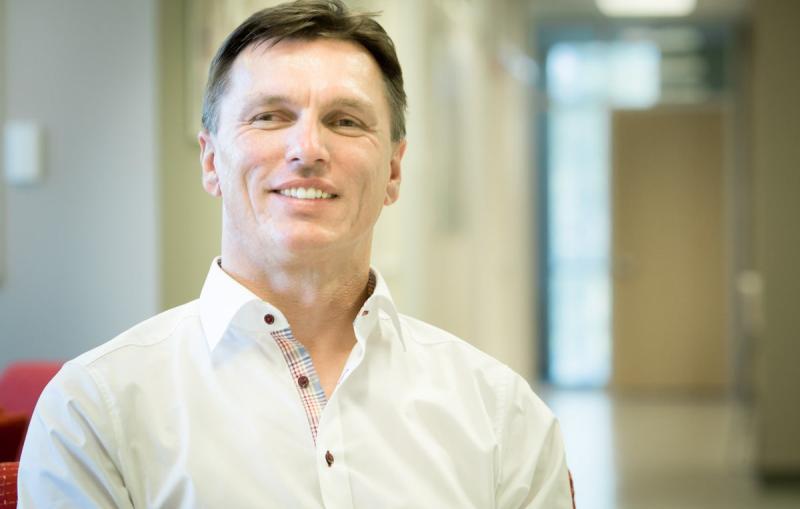
SLAC's Siegfried Glenzer has been selected to receive an Ernest Orlando Lawrence Award, presented by the U.S. Secretary of Energy to honor scientists across...

Photo - Siegfried Glenzer
Feature

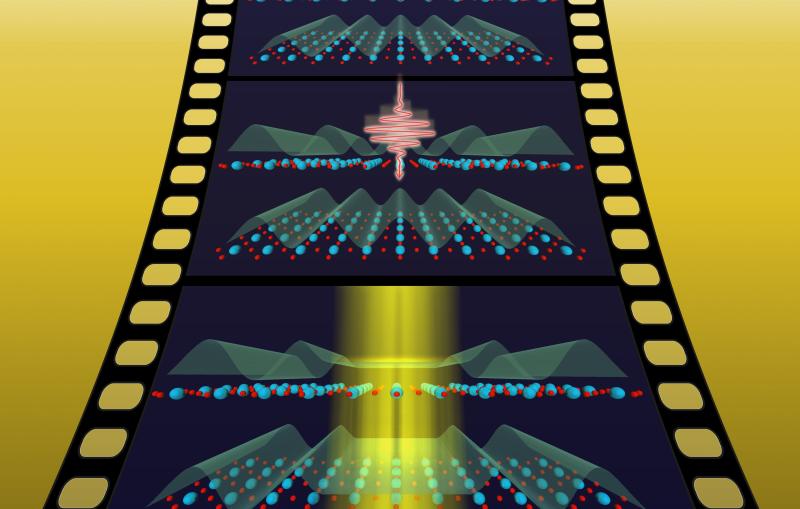
A new study, based on an experiment at SLAC's X-ray laser, pins down a major factor behind the appearance of superconductivity—the ability to conduct...

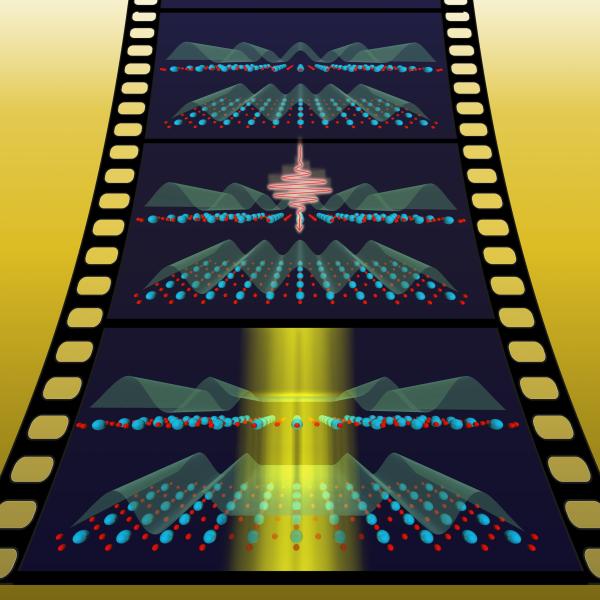
Image - In this illustration, stripes of charge run in perpendicular "ripples" between the copper-oxide layers of a material (top). When a mid-infrared laser pulse strikes the material, it "melts" these ripples and induces superconductivity.
Feature

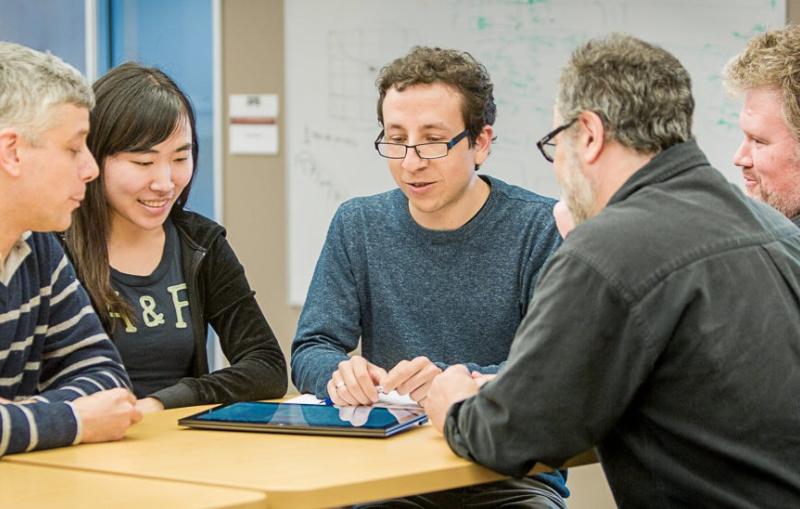
A new theory and computer simulation by SLAC and Stanford researchers rule out high-energy magnetic interactions as a major factor in making copper oxide...

Photo - Researchers at SLAC
Feature

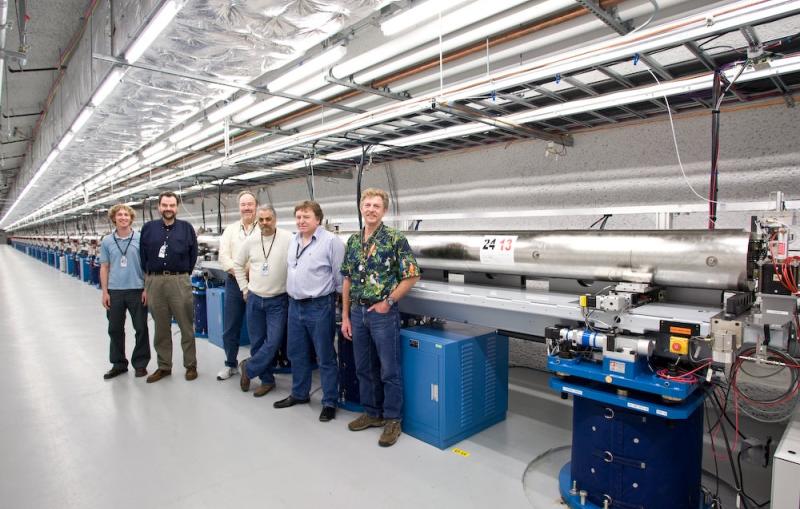
Five years ago, the brightest source of X-rays on the planet lit up at SLAC. The Linac Coherent Light Source (LCLS) X-ray laser's scientific...

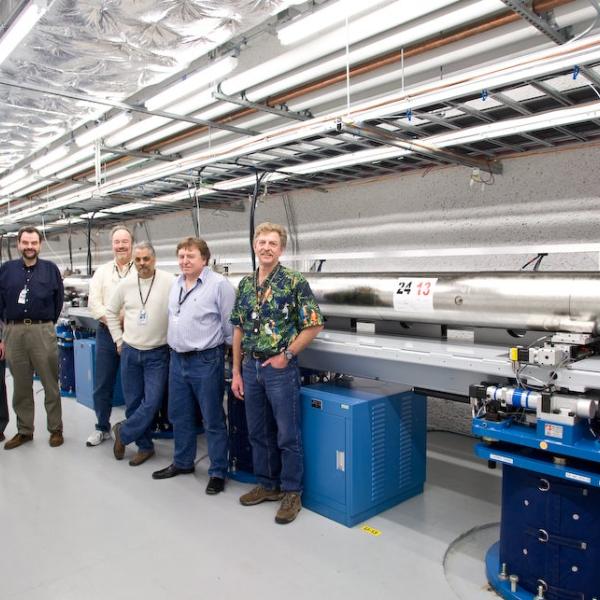
Image - Some of the LCLS team members stand by the newly installed undulators in this 2009 photo. From right: Mike Zurawel, Geoff Pile from Argonne National Laboratory, Paul Emma, Dave Schultz, Heinz-Dieter Nuhn and Don Schafer. (Brad Plummer)
Feature

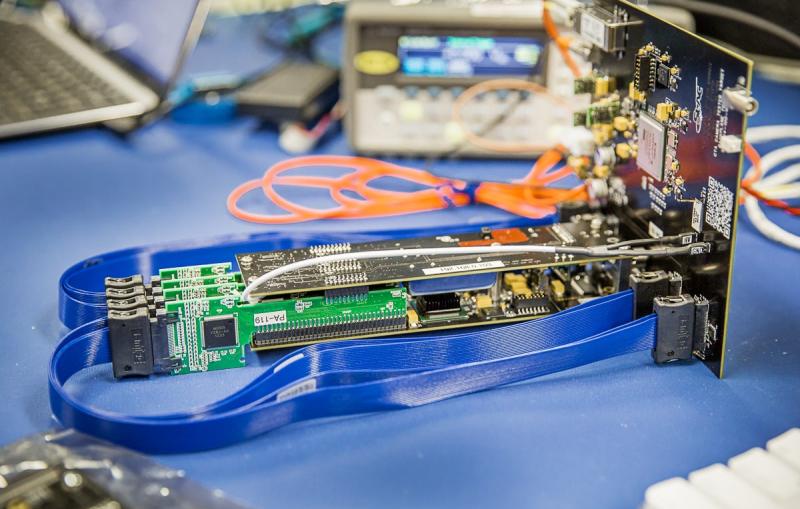
Scientists from the Kavli Institute for Particle Astrophysics and Cosmology are helping build cameras for the Cherenkov Telescope Array, an advanced, ground-based gamma-ray observatory.

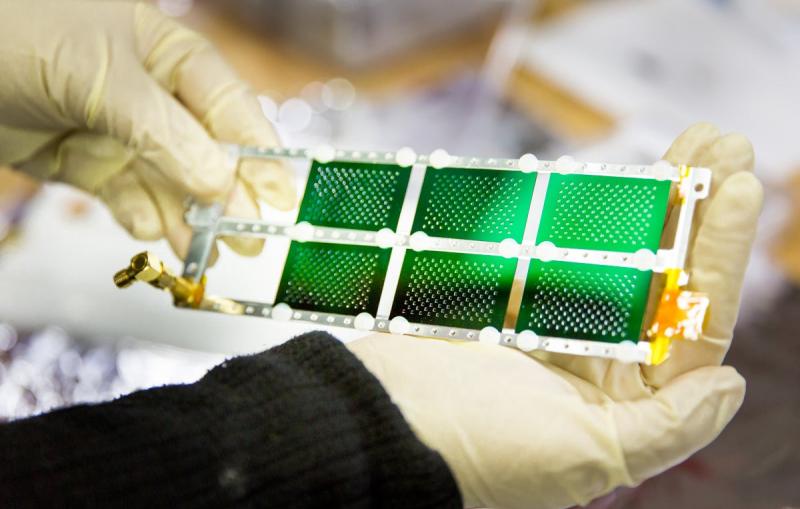
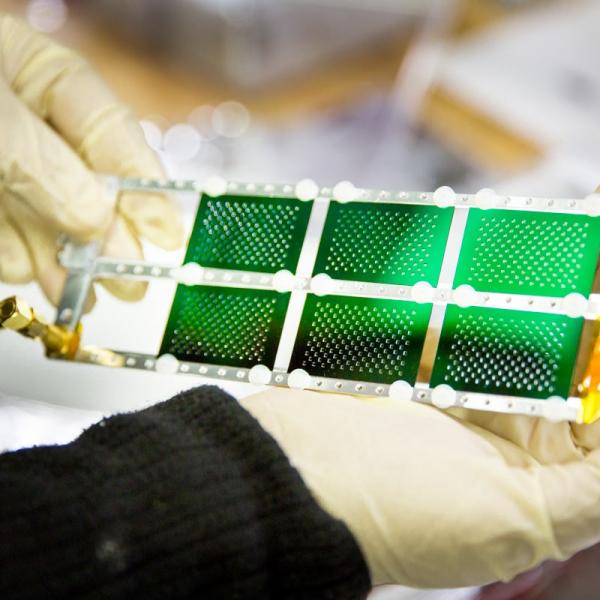
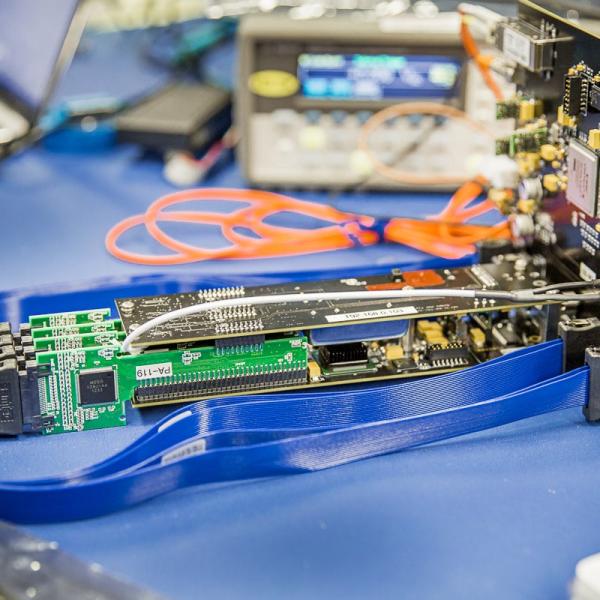
Photo - A photomultiplier module undergoing testing
Feature

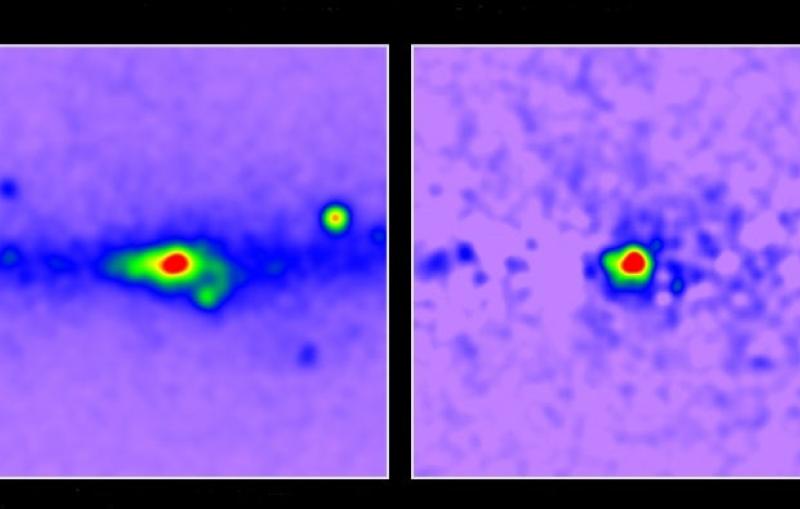
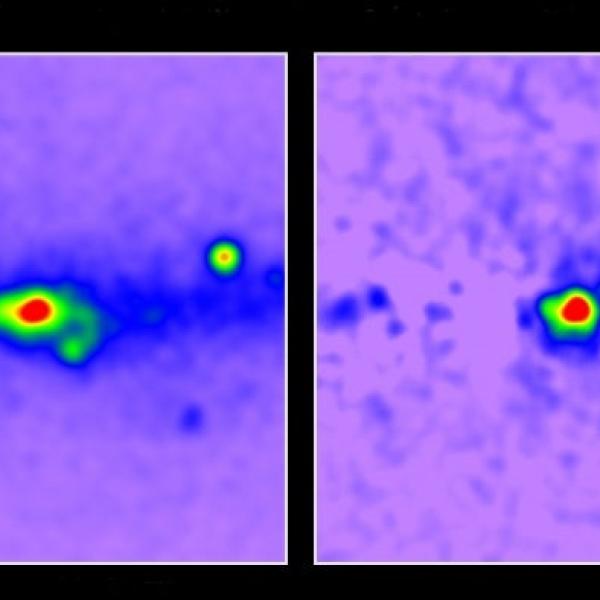
Scientists say collisions between dark matter particles might be the cause of a curious excess of gamma-ray light coming from the center of our...

Feature

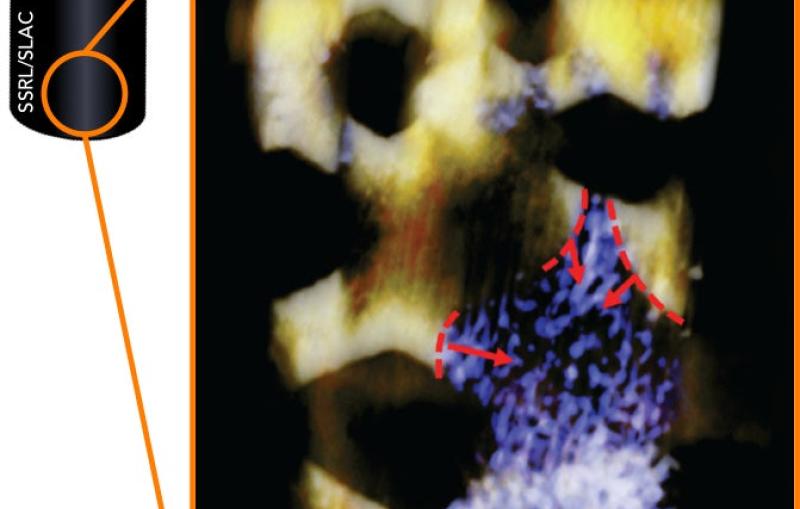
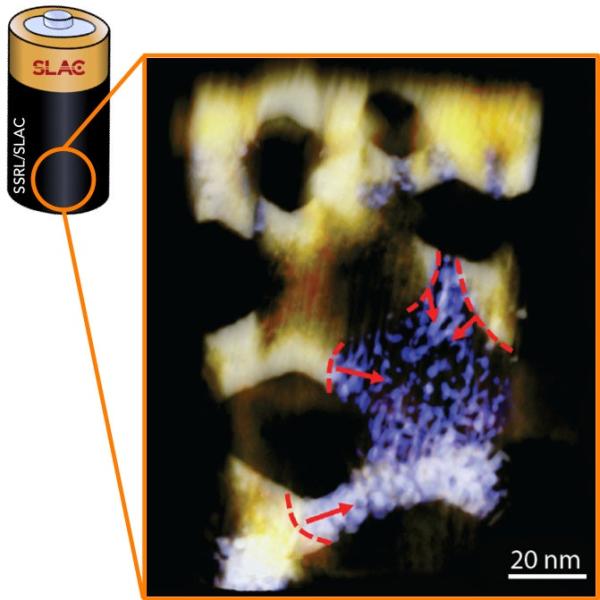
Windows that darken to filter out sunlight in response to electric current, function much like batteries. Now, X-ray studies at SLAC provide a crystal-clear...

lithium ions interact with an ultrathin sheet of nickel oxide
Feature

The Cosmic Microwave Background, leftover light from the big bang, carries a wealth of information about the universe—for those who can read it.

Feature

SLAC researchers have found a new way to transform graphite into diamond. The approach may have implications for industrial applications ranging from cutting tools...