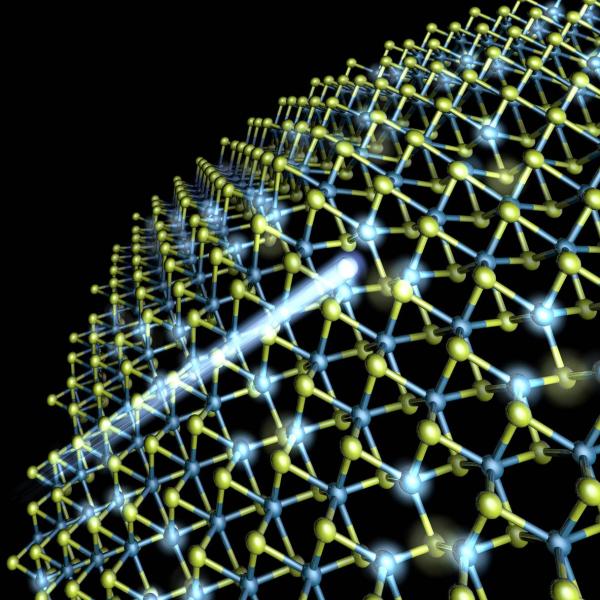
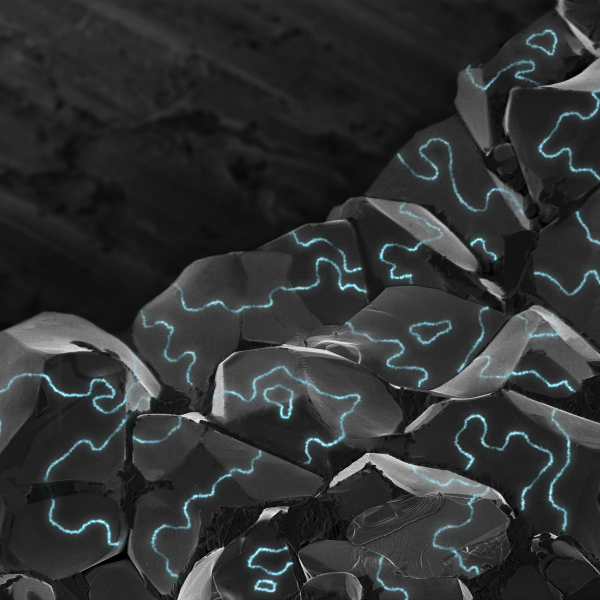
SLAC, Stanford scientists discover that bombarding and stretching a catalyst opens holes on its surface and makes it much more reactive. Potential applications include...
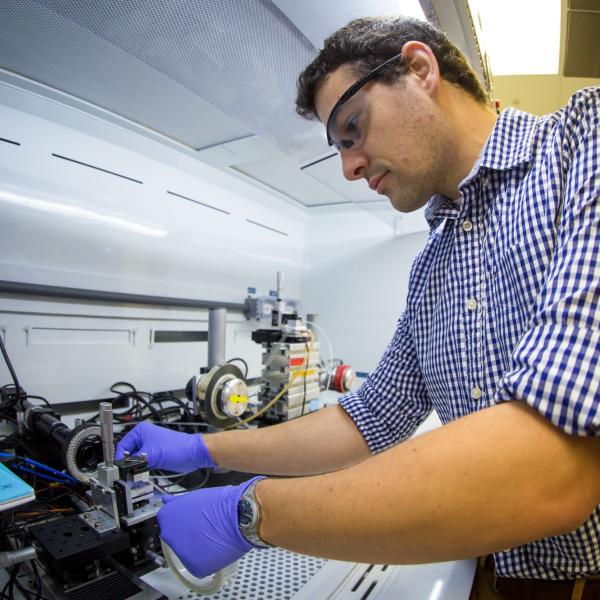
A process developed by Stanford and SLAC scientists has potential for scaling up to manufacture clear, flexible electrodes for solar cells, displays and other...
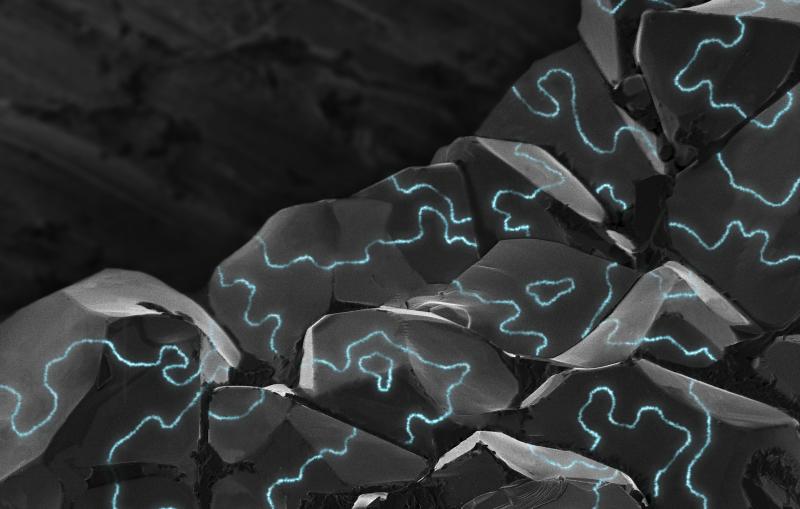
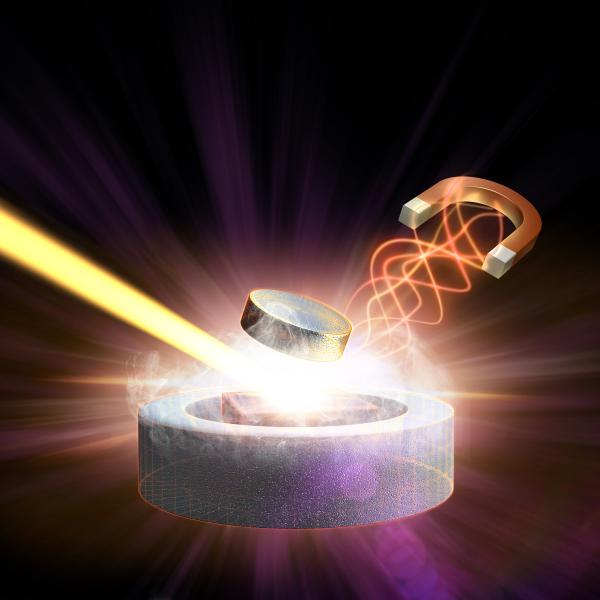
A Stanford/SLAC study of an exotic material known as a magnetic insulator found the walls between its magnetic regions are conductive, opening new approaches...
SLAC, Stanford scientists discover that bombarding and stretching a catalyst opens holes on its surface and makes it much more reactive. Potential applications include making hydrogen fuel.
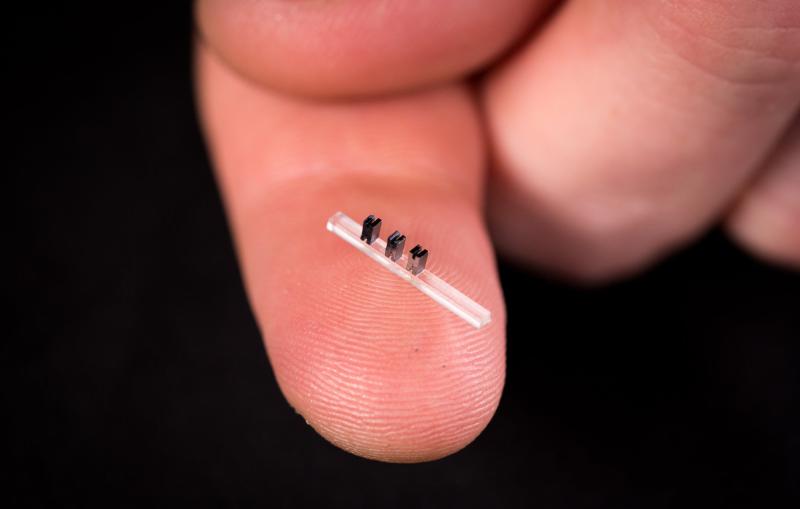
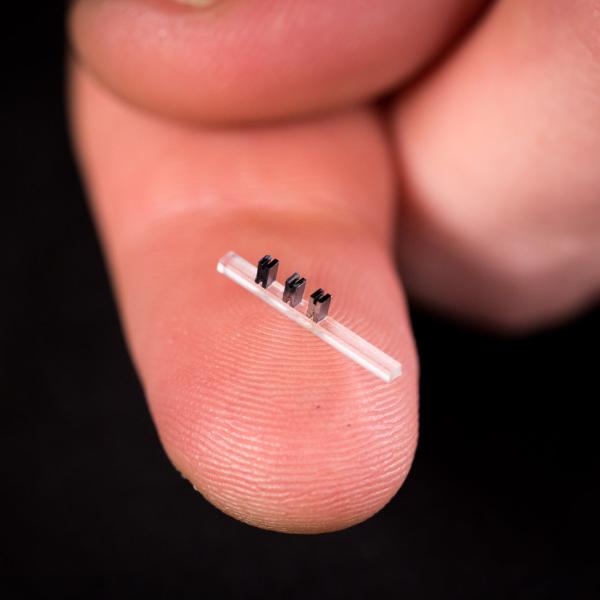
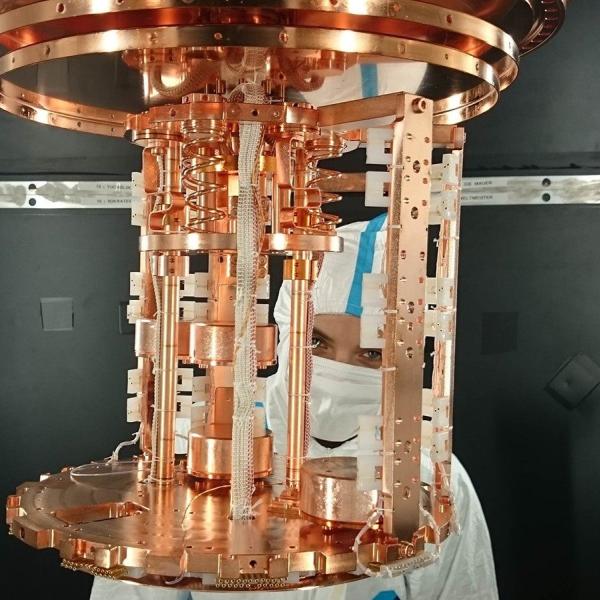
The Gordon and Betty Moore Foundation has awarded $13.5 million for an international effort to build a working particle accelerator the size of a shoebox based on an innovative technology known as “accelerator on a chip.”
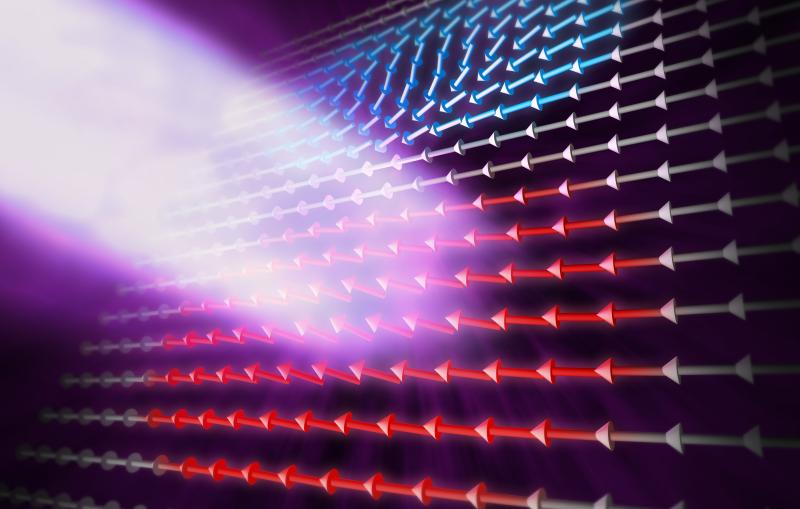
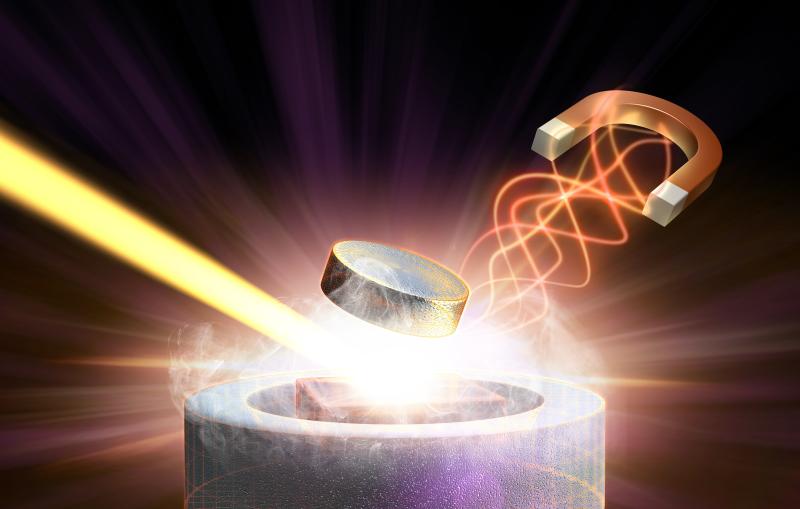
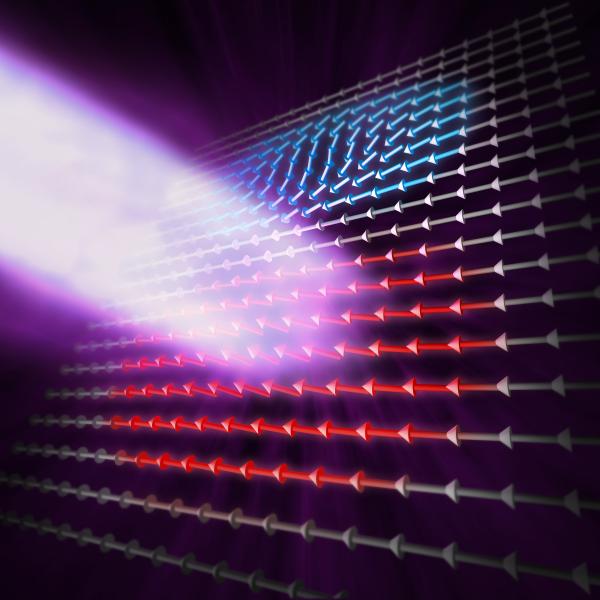
Scientists working at SLAC have for the first time directly observed a phenomenon that allows magnetic waves to travel a long distance with no resistance.
A team led by SLAC scientists combined powerful magnetic pulses with some of the brightest X-rays on the planet to discover a surprising 3-D effect that appears linked to a mysterious phenomenon known as high-temperature superconductivity.
A process developed by Stanford and SLAC scientists has potential for scaling up to manufacture clear, flexible electrodes for solar cells, displays and other electronics.
A Stanford/SLAC study of an exotic material known as a magnetic insulator found the walls between its magnetic regions are conductive, opening new approaches to memory storage.