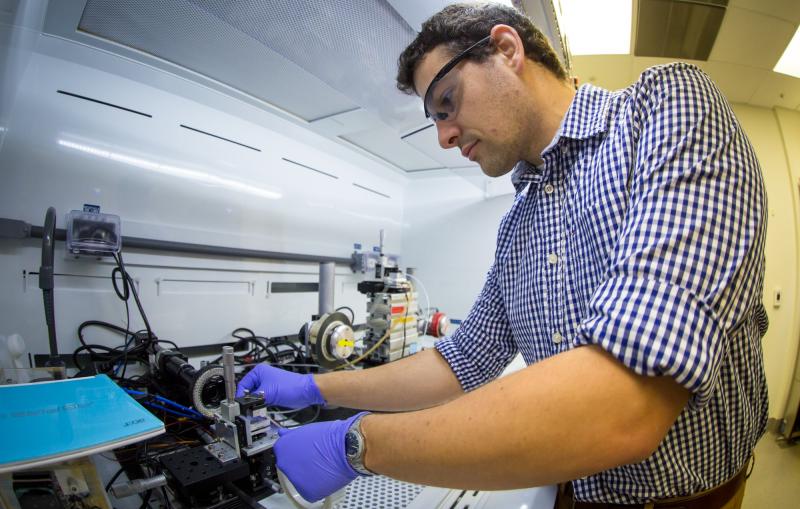
A process developed by Stanford and SLAC scientists has potential for scaling up to manufacture clear, flexible electrodes for solar cells, displays and other...
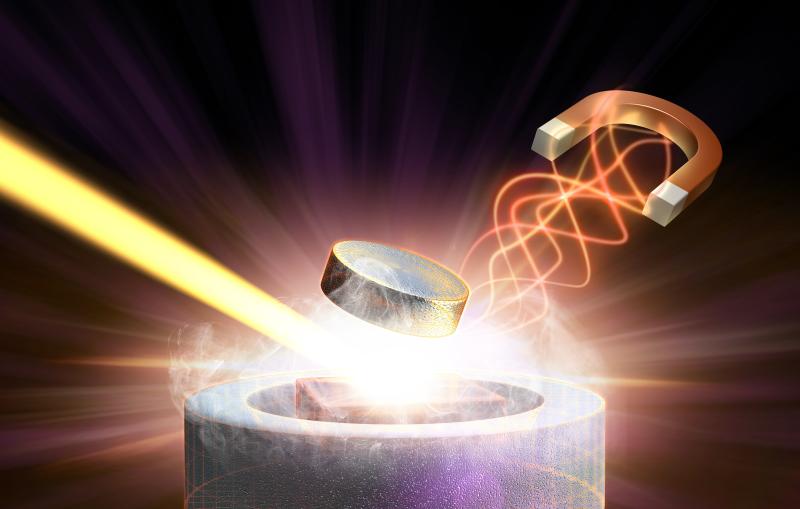
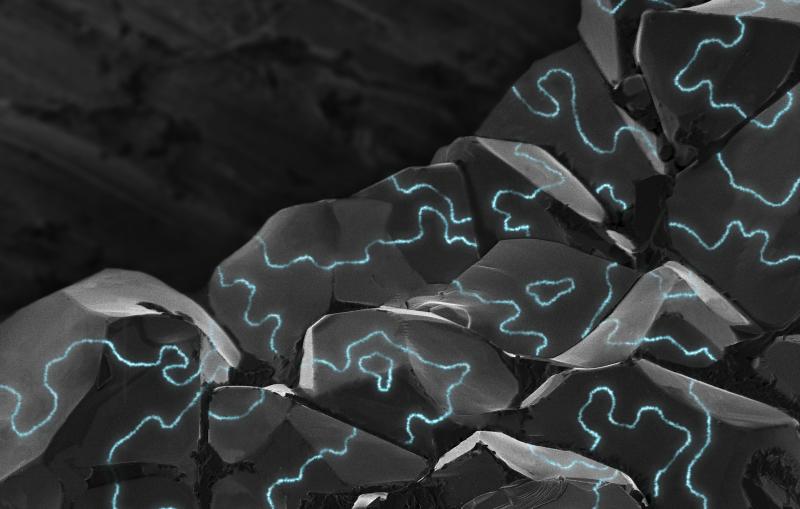
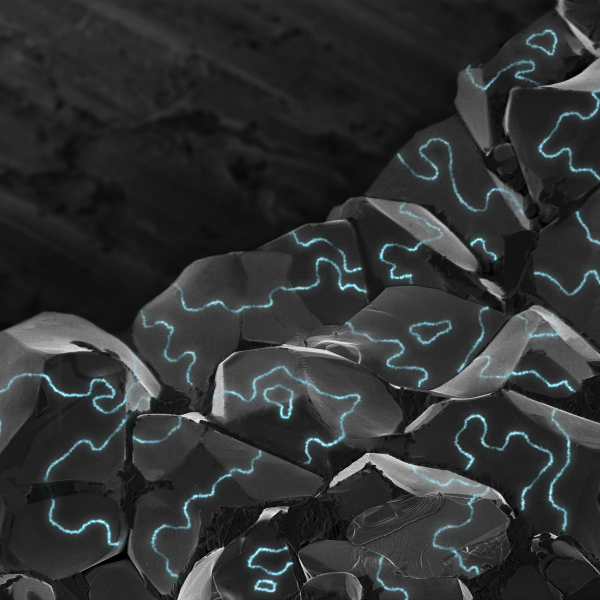
A Stanford/SLAC study of an exotic material known as a magnetic insulator found the walls between its magnetic regions are conductive, opening new approaches...
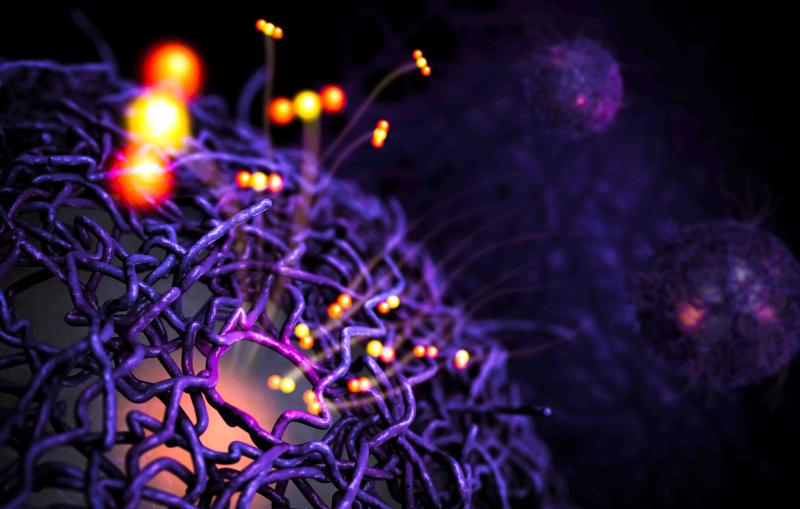
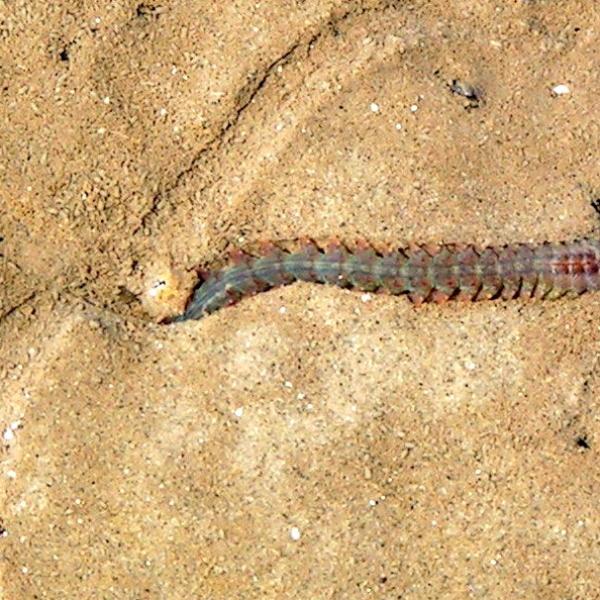
X-ray research on 80-million-year-old fossilized burrows, likely the work of tiny marine worms, is helping scientists understand how living organisms affected the chemistry of...
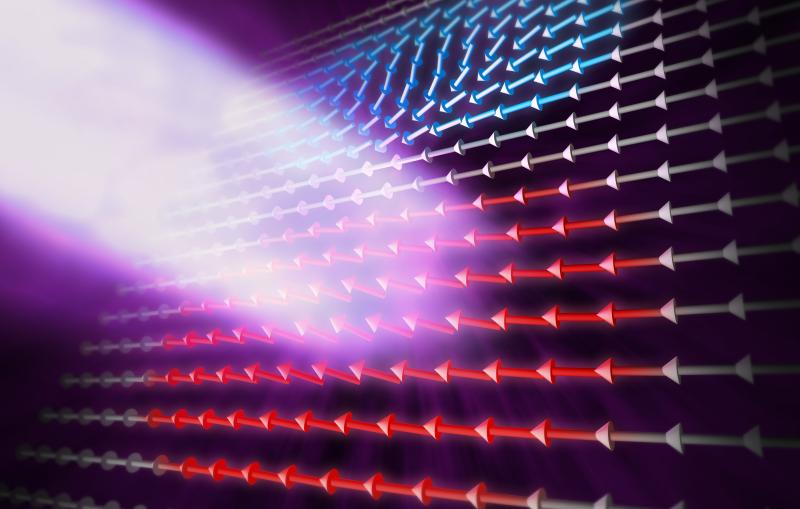
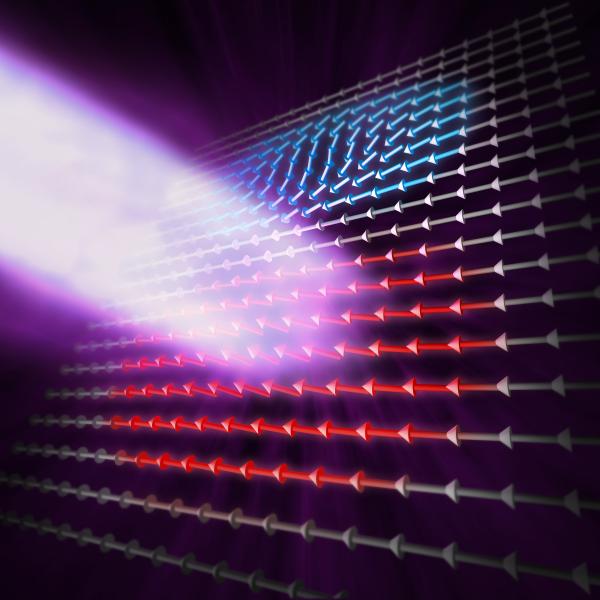
Scientists working at SLAC have for the first time directly observed a phenomenon that allows magnetic waves to travel a long distance with no resistance.
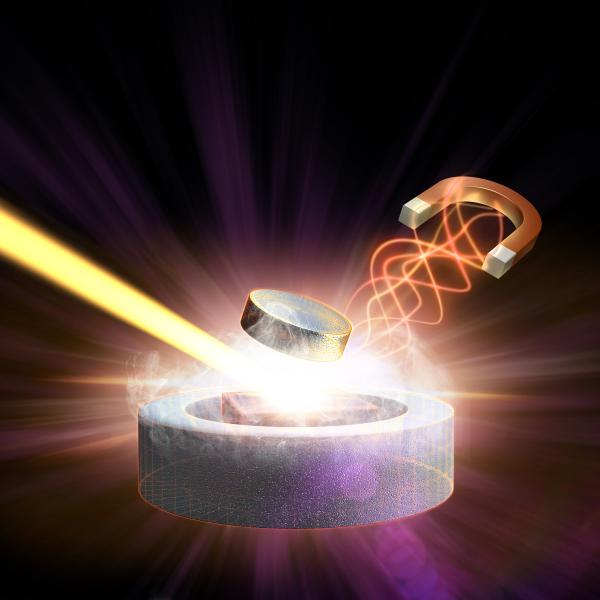
A team led by SLAC scientists combined powerful magnetic pulses with some of the brightest X-rays on the planet to discover a surprising 3-D effect that appears linked to a mysterious phenomenon known as high-temperature superconductivity.
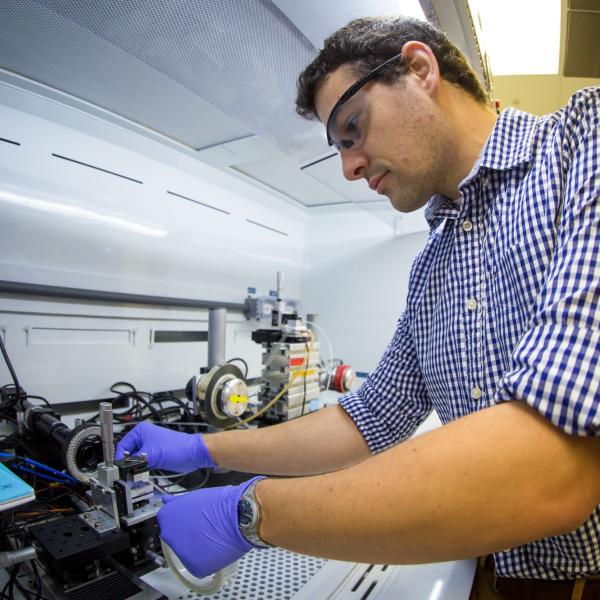
A process developed by Stanford and SLAC scientists has potential for scaling up to manufacture clear, flexible electrodes for solar cells, displays and other electronics.
A Stanford/SLAC study of an exotic material known as a magnetic insulator found the walls between its magnetic regions are conductive, opening new approaches to memory storage.
X-ray research on 80-million-year-old fossilized burrows, likely the work of tiny marine worms, is helping scientists understand how living organisms affected the chemistry of the sea floor.