




SLAC topics

Particle physics RSS feed

Working at the forefront of particle physics, SLAC scientists use powerful particle accelerators to create and study nature’s fundamental building blocks and forces, build sensitive detectors to search for new particles and develop theories that explain and guide experiments. SLAC's particle physicists want to understand our universe – from its smallest constituents to its largest structures.

Related links:
Physics of the universe
Elementary particle physics
Browse tagged content below

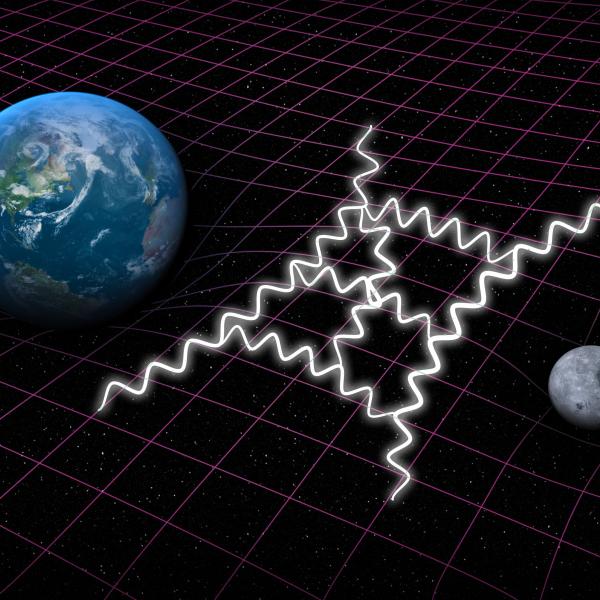
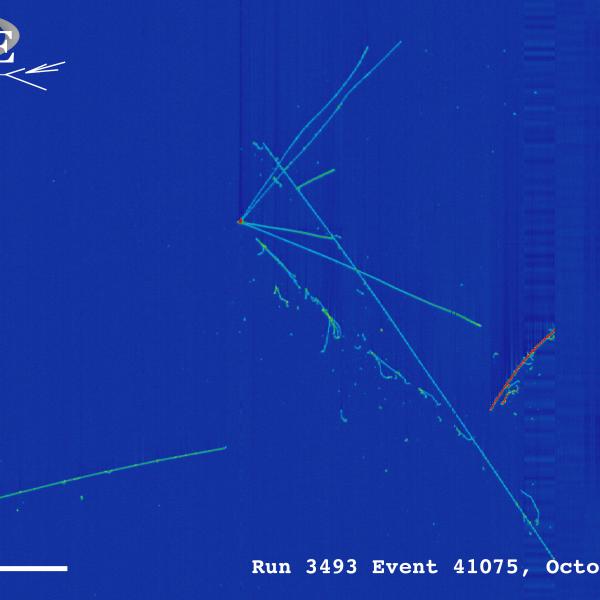
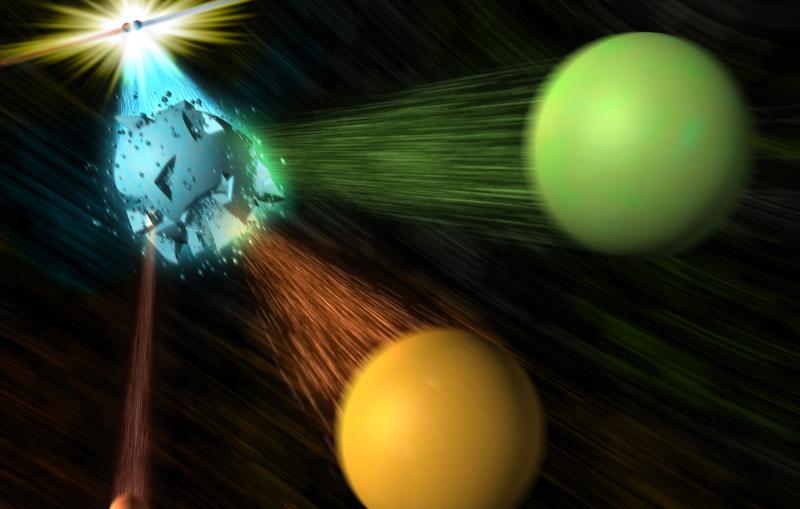
Particles collide in this illustration
Feature

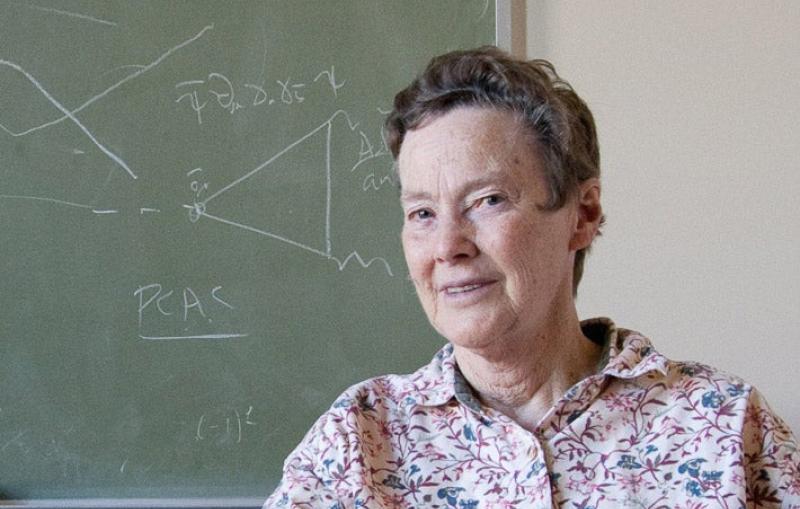
The medal, which recognizes distinguished physicists for outstanding statesmanship in science, honors Quinn for her work in science education.

SLAC Professor Emerita Helen Quinn
Feature
VIA Symmetry Magazine

Cleanroom is a Verb

It’s not easy being clean.

Feature
VIA Symmetry Magazine

The Particle Physics of You

Not only are we made of fundamental particles, we also produce them and are constantly bombarded by them throughout the day.

Feature

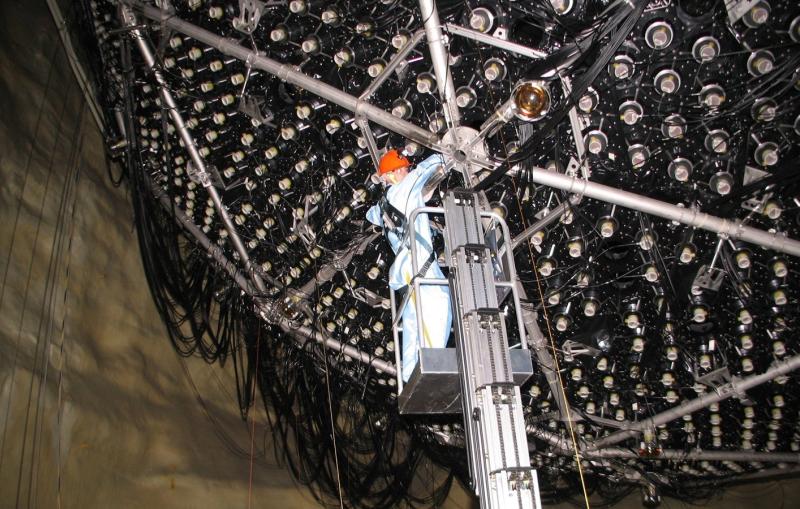
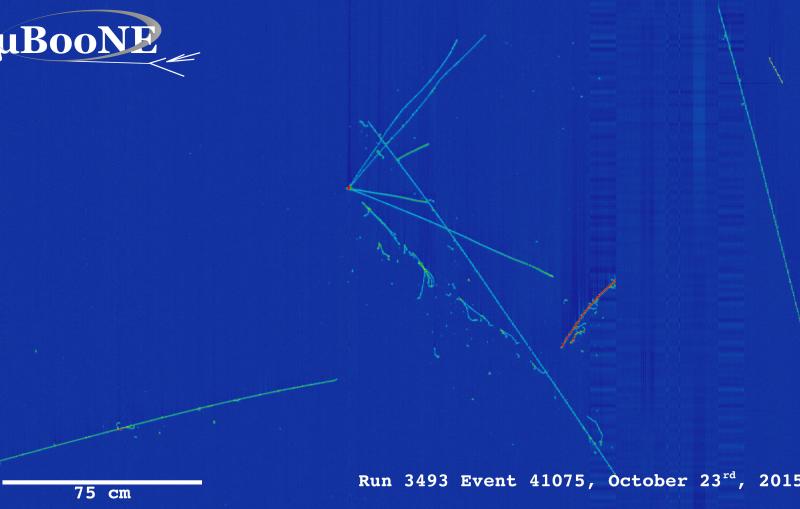
Researchers hope that the new experiment will shine light on how elementary neutrinos morph from one type into another.

Feature

What topic in particle physics are you destined to study? Take the quiz to find out!

Feature

These physics-themed jack-o’-lanterns come with extra brains.

jack o' lanterns
Feature

Welcome to the Symmetry redesign!

Feature

The American Physical Society has recognized both researchers for their leading role in SLAC’s BABAR experiment, which confirmed theorists’ description of how nature treats...

Jonathan Dorfan and David Hitlin
Feature

Takaaki Kajita and Arthur B. McDonald received the call from Sweden for their work on the Super-Kamiokande and SNO experiments.

Feature

A new breed of experiments seeks sources of cosmic rays and other astrophysics phenomena.

Feature

For physicists, seeing is not always believing.

Feature
VIA Symmetry Magazine

Citizen Scientists Published

Amateurs and professionals share the credit in the newest publications from the Space Warps project.