





SLAC topics

Particle physics RSS feed

Working at the forefront of particle physics, SLAC scientists use powerful particle accelerators to create and study nature’s fundamental building blocks and forces, build sensitive detectors to search for new particles and develop theories that explain and guide experiments. SLAC's particle physicists want to understand our universe – from its smallest constituents to its largest structures.

Related links:
Physics of the universe
Elementary particle physics
Browse tagged content below

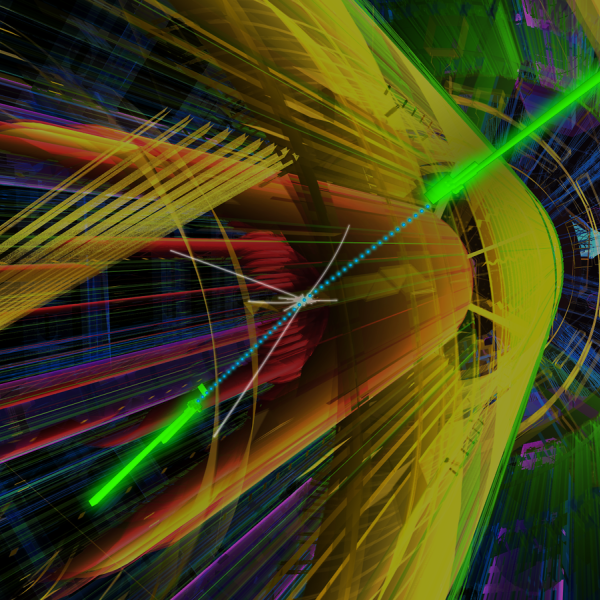
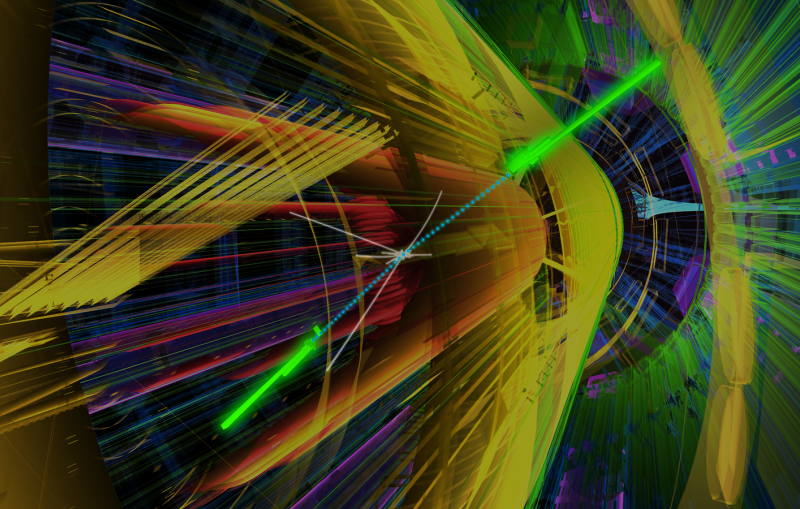
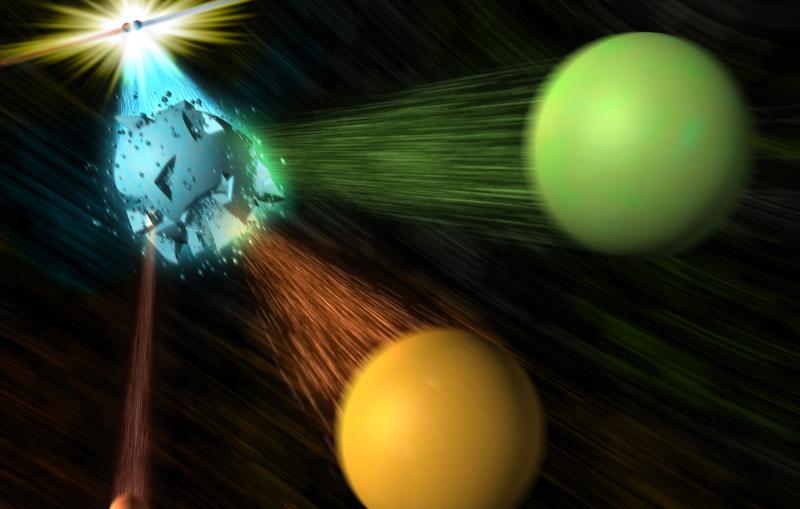
Particles collide in this illustration
Feature
VIA Symmetry Magazine

Bump Watch 2016

A bump in the LHC data has physicists electrified…but what does it mean?

Feature
VIA Symmetry Magazine

Test of DUNE Tech Begins

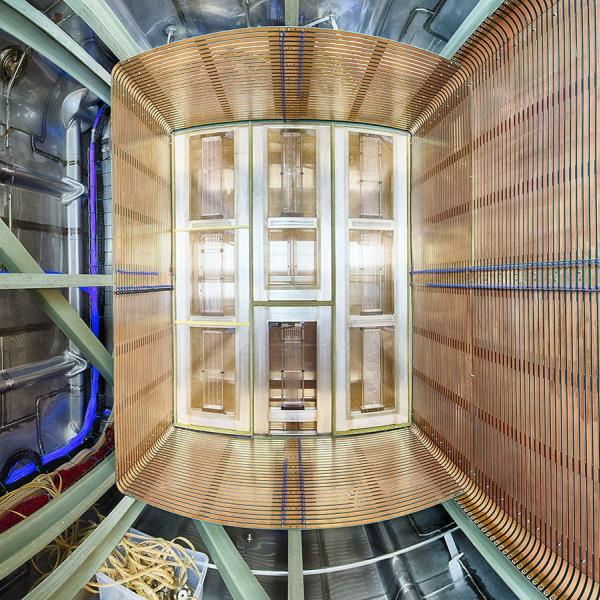
On the road to the world’s largest neutrino detector, take the “DUNE Buggy.”

Feature
VIA Symmetry Magazine

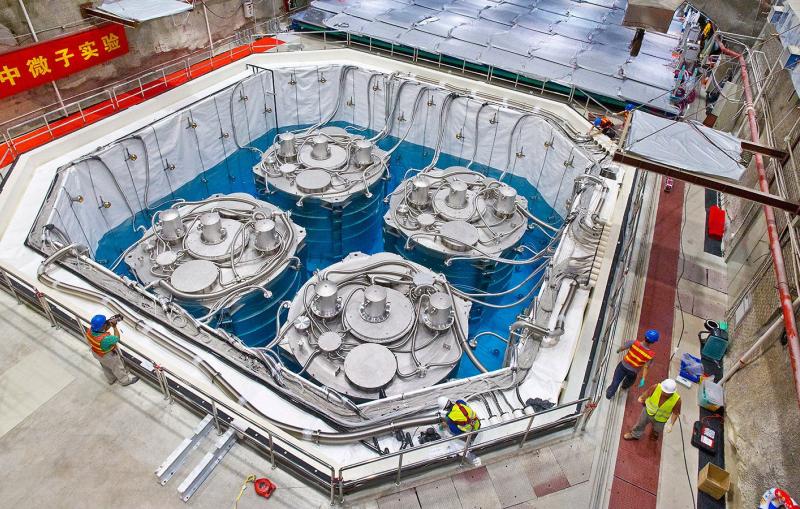
Daya Bay Discovers a Mismatch

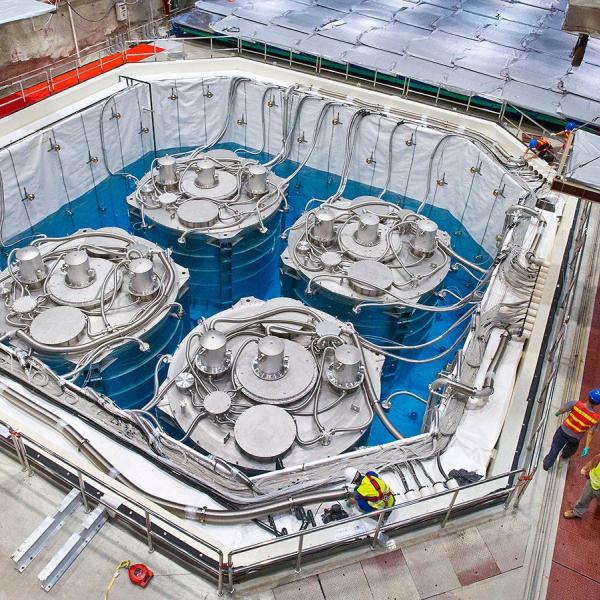
The latest measurements from the Daya Bay neutrino experiment in China don’t align with predictions from nuclear theory.

Feature

Contributions to LIGO have come from many Stanford teams, including SLAC, Applied Physics, Mechanical Engineering, Aeronautics and Astronautics and the School of Earth, Energy...

Feature

Dark matter hunters around the world pursue three approaches to look for fingerprints of ghostly WIMPs: on the Earth’s surface, underground and in space.

Researchers around the world pursue three approaches to look for fingerprints of dark matter's ghostly components.
Feature
VIA Symmetry Magazine

This Radioactive Life

Radiation is everywhere. The question is: How much?

Feature
VIA Symmetry Magazine

Our Imperfect Vacuum

The emptiest parts of the universe aren’t so empty after all.

Feature

The mysterious particle could hold the key to why matter won out over antimatter in the early universe.

Feature

He is being honored for the development of theories that help researchers better understand nature’s fundamental particles and forces.

Feature

A recent uptick in the discovery of the smallest, oldest galaxies benefits studies of dark matter, galaxy formation and the evolution of the unive

Feature

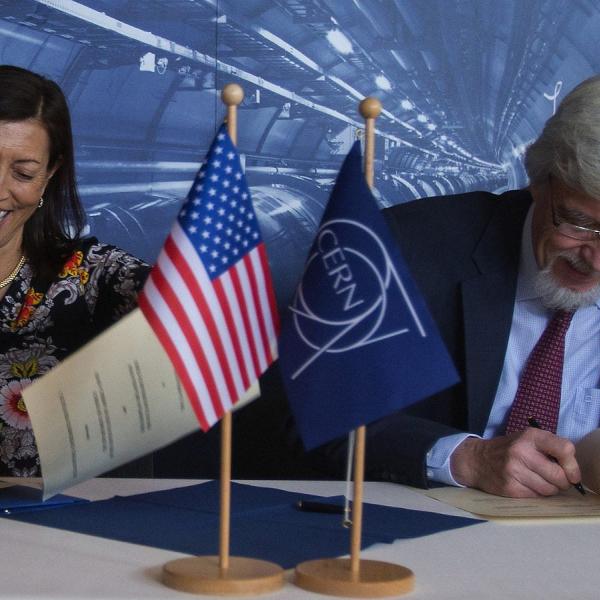
The United States and the European physics laboratory have formally agreed to partner on continued LHC research, upcoming neutrino research and a

Feature
VIA Symmetry Magazine

Festive Physicists

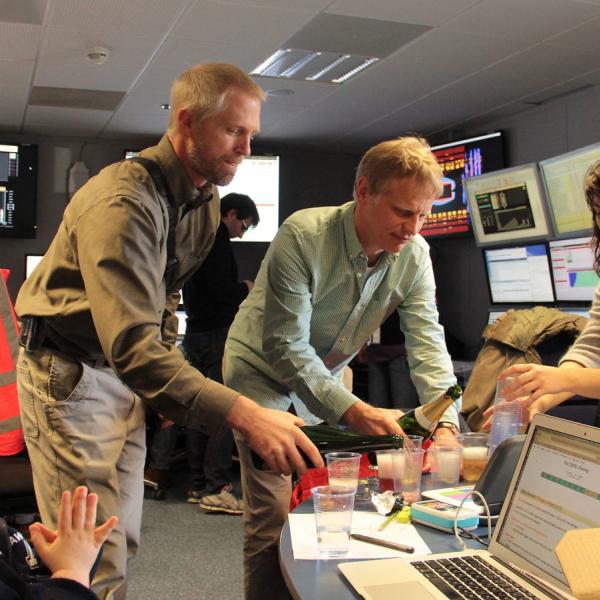
What’s it like working on experiments over the holidays?