


SLAC topics

Particle Astrophysics & Cosmology (PAC) RSS feed

To explore the birth of the universe, star and galaxy formation and the structure of space and time, SLAC researchers help develop cutting-edge technologies for a range of sensitive experiments.
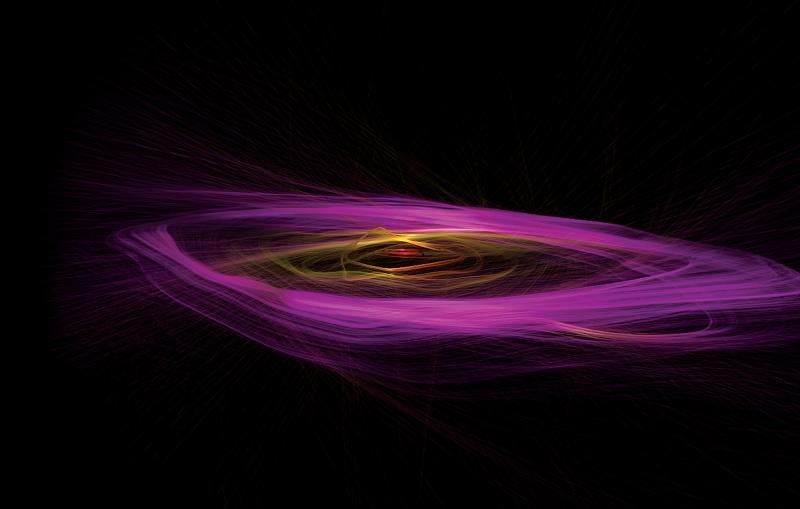
Speed of hydrogen gas in a rotating galaxy.
Feature

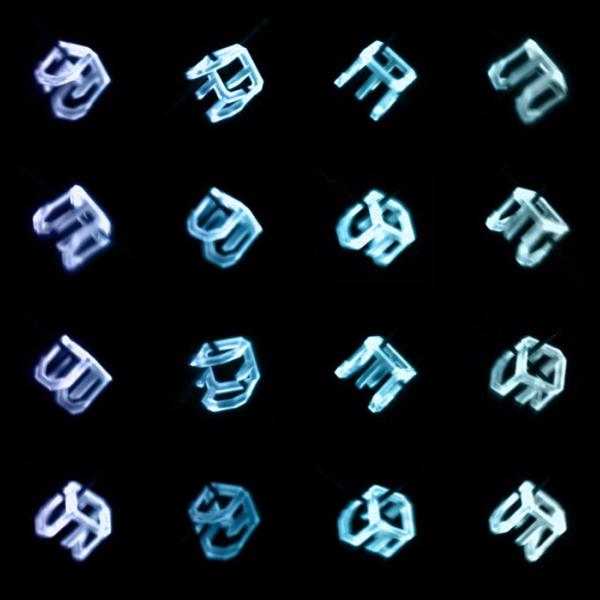
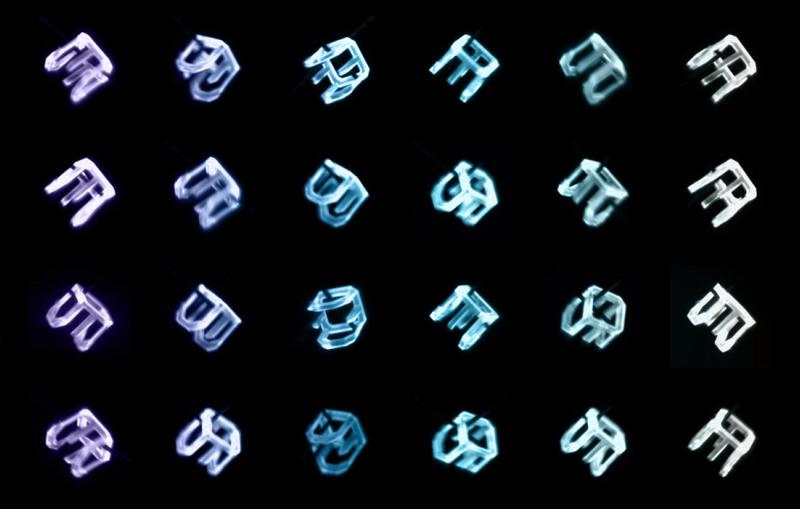
To capture as much information as possible about clouds of atoms at the heart of the MAGIS-100 experiment, SLAC scientists devised a dome of...

an array of rainbow-tinted views of a tiny 3D object that spells "DOE"
Feature

They’ll work on experiments that search for dark matter particles and exotic neutrino decays that could help explain why there’s more matter than antimatter...

Side-by-side portraits of Brian Lenardo and Chelsea Bartram
Feature

Edelen draws on machine learning to fine tune particle accelerators, while Kurinsky develops dark matter detectors informed by quantum information science.

Side by side photographs of a woman and a man.
Feature

The Rubin Observatory's LSST Camera will take enormously detailed images of the night sky from atop a mountain in Chile. Down below the mountain...

LSST data illustration
Feature

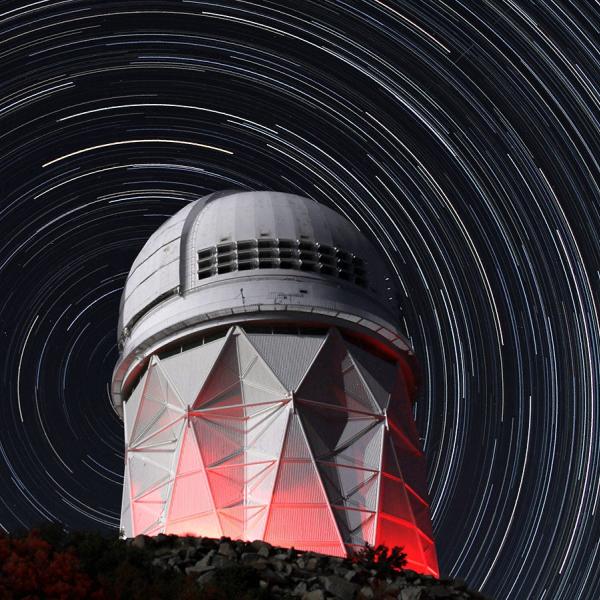
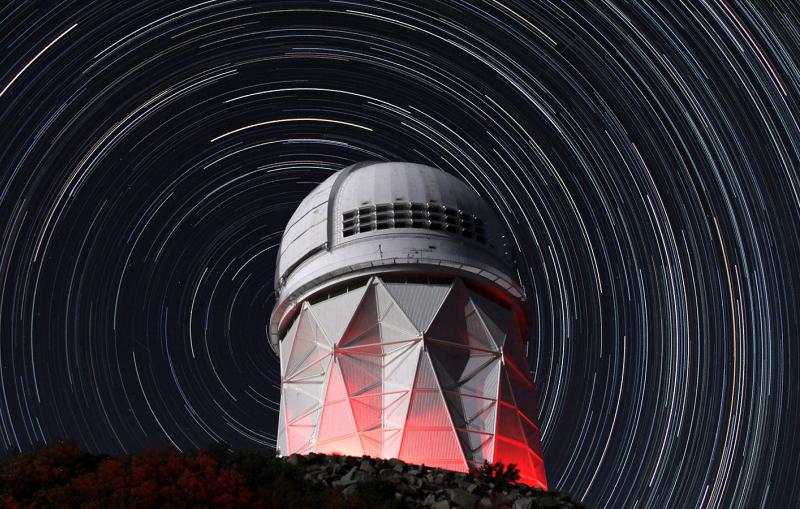
DESI has already mapped out more galaxies than all previous 3D surveys combined, and it's just getting started.

Mayall Telescope Star Trails
Feature

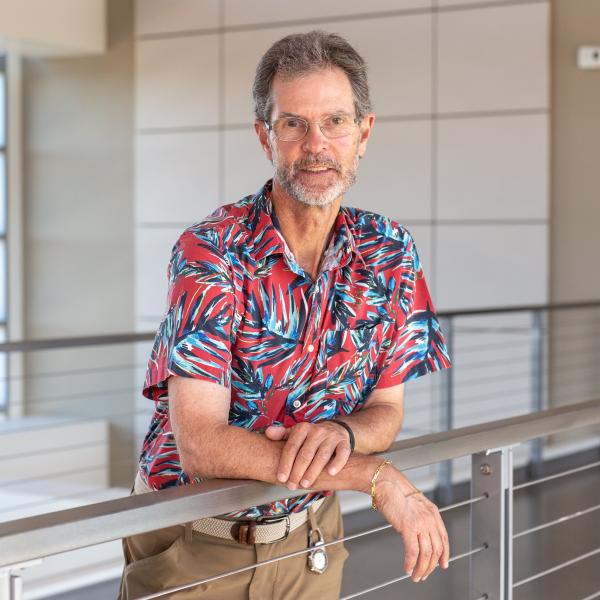
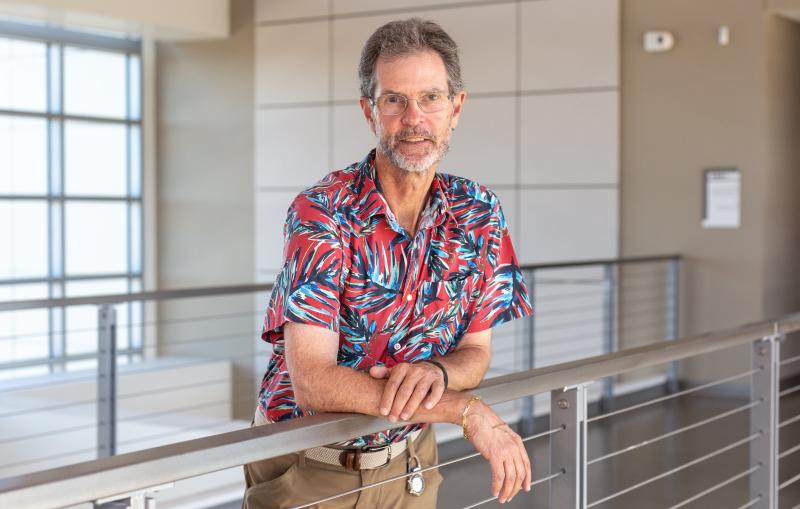
Managing the unprecedented amount of data that will soon stream from Rubin Observatory means more than buying tons of hard drives. SLAC scientist Richard...

A bearded man with glasses poses at a railing inside a building.
Feature

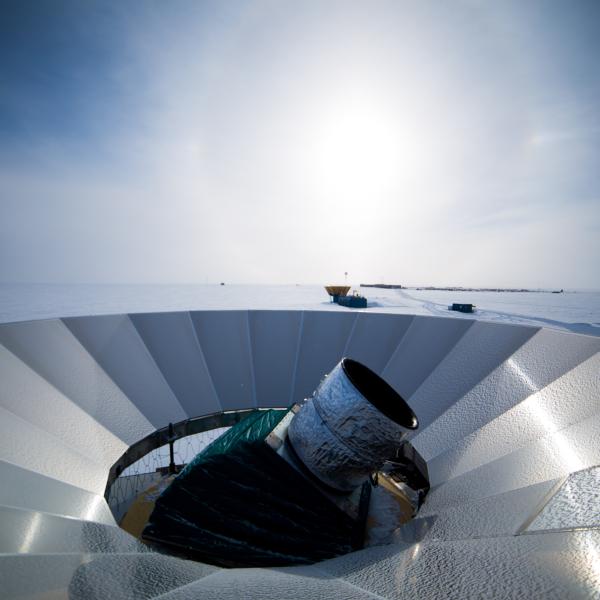
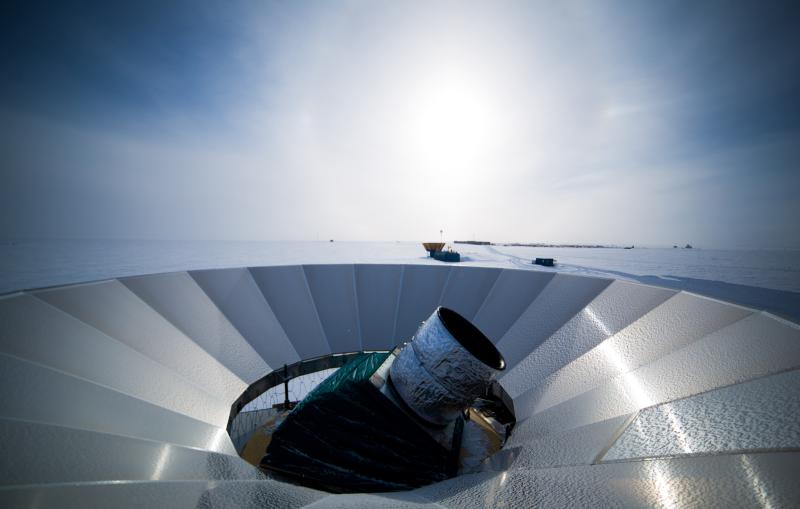
A new analysis of the South Pole-based telescope’s cosmic microwave background observations has all but ruled out several popular models of inflation.

A telescope pokes out from a metal dish.
Feature

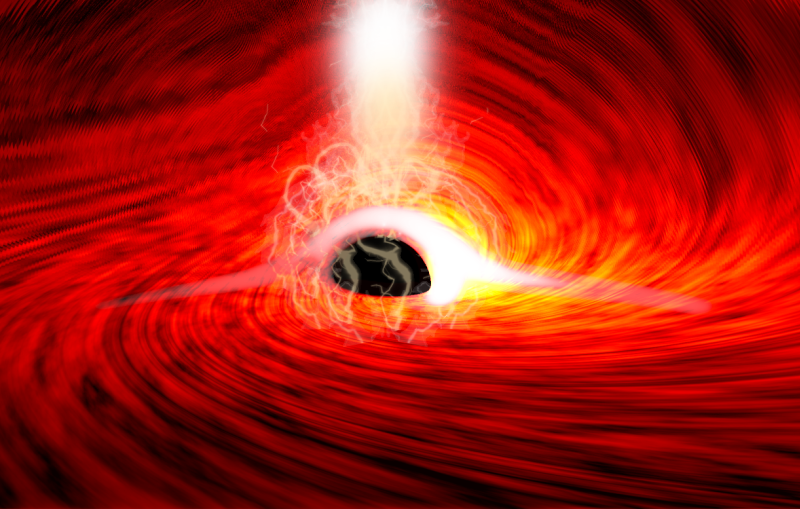
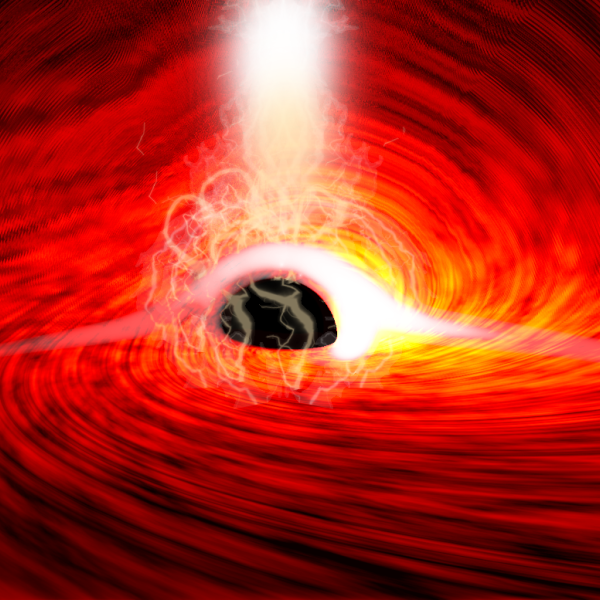
Fulfilling a prediction of Einstein’s theory of General Relativity, researchers report the first-ever recordings of X-ray emissions from the far side of a black...

Black Hole
Feature

From the invisible world of elementary particles to the mysteries of the cosmos, recipients of this prestigious award for early career scientists explore nature...

Panofsky fellows
Feature

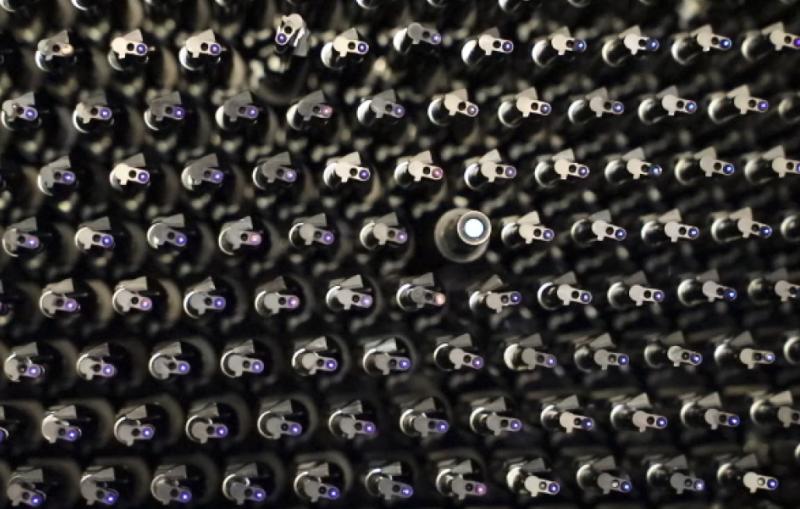
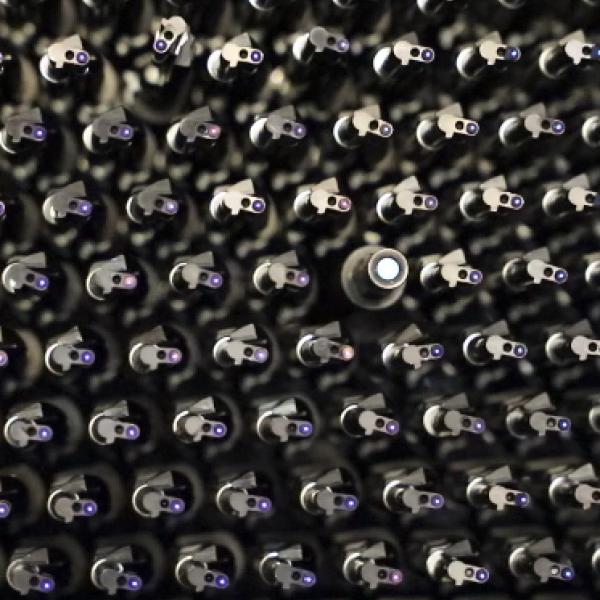
An international collaboration aims to create a 3D map of the universe, unraveling the mysterious nature of dark energy.

Photo of a small section of the DESI focal plane
Feature

Rebecca Leane and colleagues showed dark matter could heat planets in our galaxy to incredible temperatures. Here, she explains how that works and how...

Portrait of Rebecca Leane
Feature

SLAC cosmologists are using multiple images of the same quasars, produced by massive galaxies’ gravitational pull, to calibrate cosmic distances. Their work may help...

Light from a distant quasar bends around a galaxy, creating four images of the quasar.