

SLAC topics

Materials science RSS feed

 SLAC develops materials to improve the performance of batteries, fuel cells and other energy technologies and set the stage for technologies of the future.

Related link: Energy sciences
Browse tagged content below

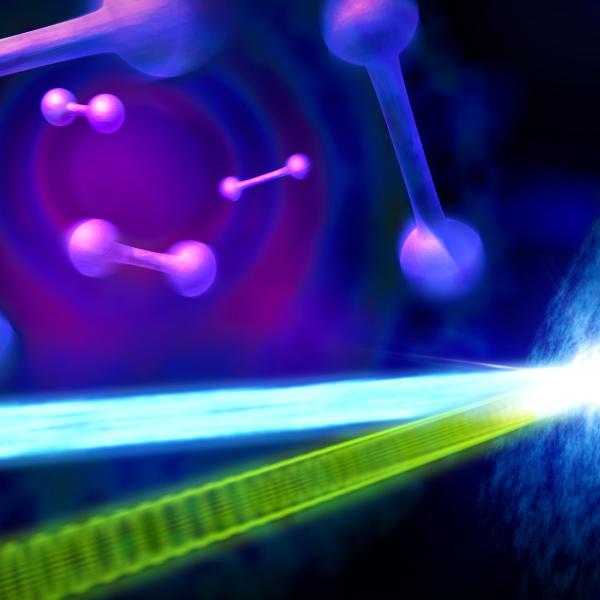
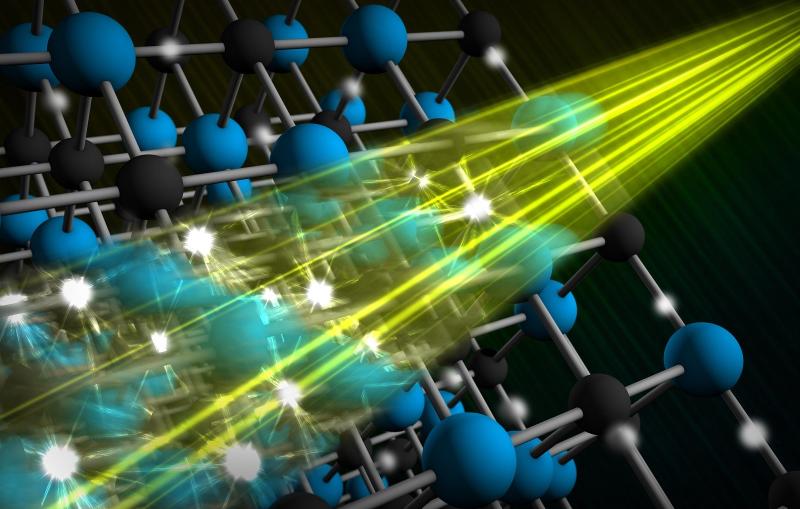
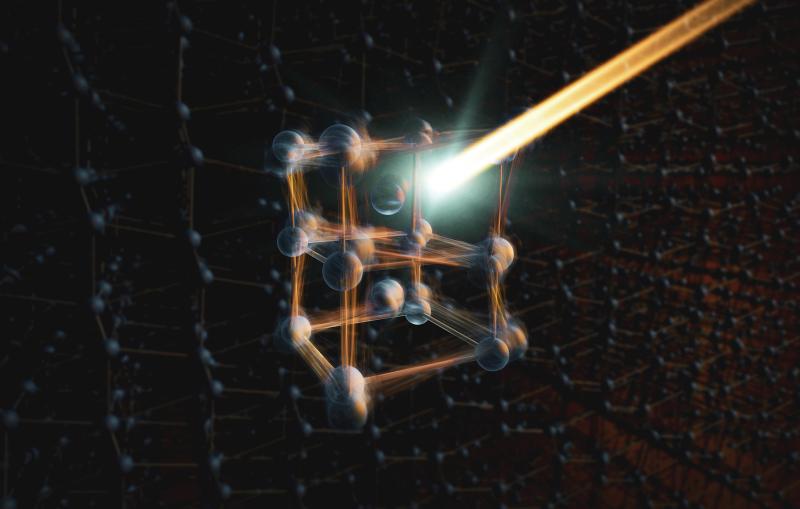
In materials hit with light, individual atoms and vibrations take disorderly paths.
Feature

Award honors accomplishments in condensed matter physics and electrochemistry at SSRL.

Trevor Petach
Feature

Understanding how a material’s electrons interact with vibrations of its nuclear lattice could help design and control novel materials, from solar cells to high-temperature...

Feature

The goal of the DuraMat consortium is to make solar modules last longer, and thus drive down the cost of solar energy.

Image of solar panels
Feature

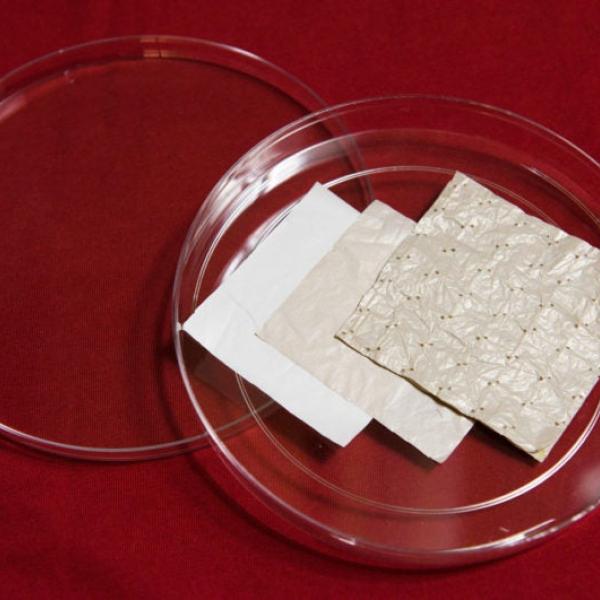
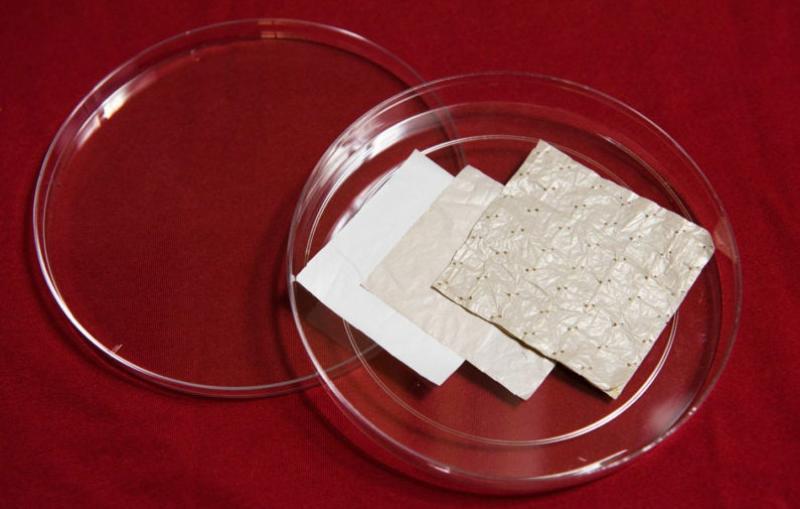
Researchers have engineered a low-cost plastic material that could become the basis for clothing that cools the wearer, reducing the need for energy-consuming air...

Feature

Liu acknowledged for wide-ranging work in energy materials, catalysis, carbon sequestration, material in extreme conditions and scientific big data mining.

News Release

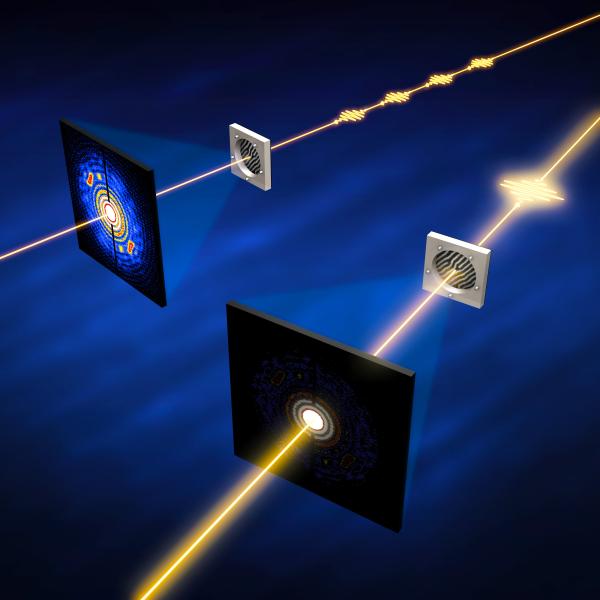
Method creates new opportunities for studies of extremely fast processes in biology, chemistry and materials science.

Feature

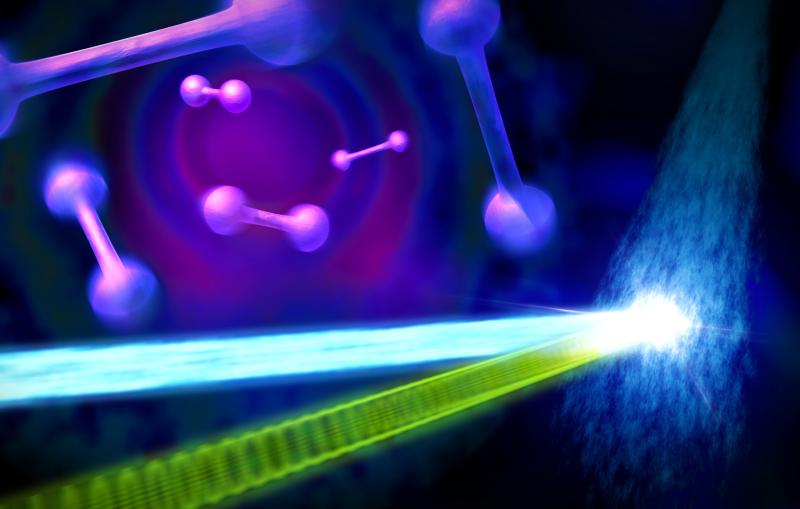
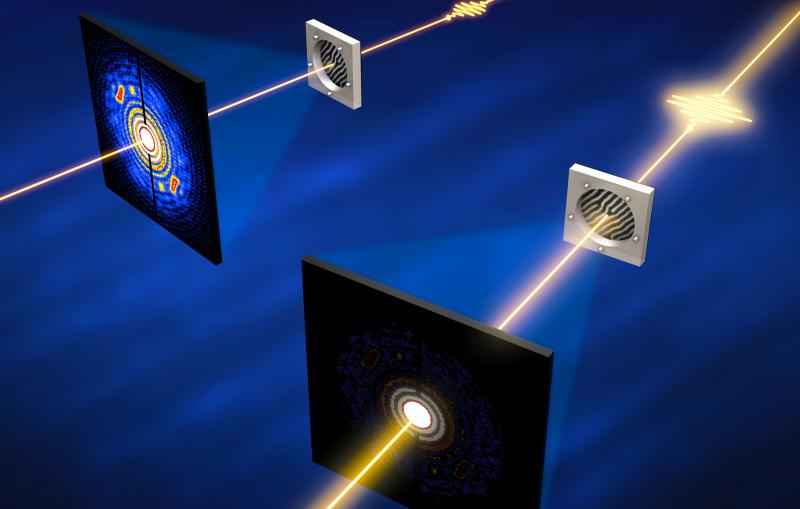
A ‘nonlinear’ phenomenon that seemingly turns materials transparent is seen for the first time in X-rays at SLAC’s Linac Coherent Light Source.

Illustration of an LCLS experiment in which a sample seemed to disapper
News Release

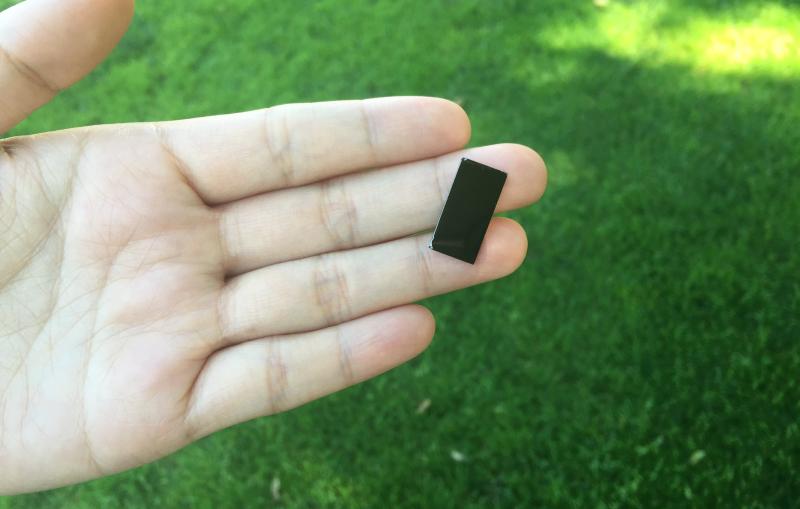
Researchers at SLAC and Stanford have created a nanostructured device, about half the size of a postage stamp, that harnesses more of the sun's...

A researcher holds a tiny device that uses sunlight to disinfect water.
Feature

Silicon chips can store data in billionths of a second, but phase-change memory could be 1,000 times faster, while using less energy and requiring...

Feature

The White House announced $50 million in funding for ‘Battery500’, a five year effort, as part of a package of initiatives to accelerate adoption...

An electric vehicle at a charging station
Feature

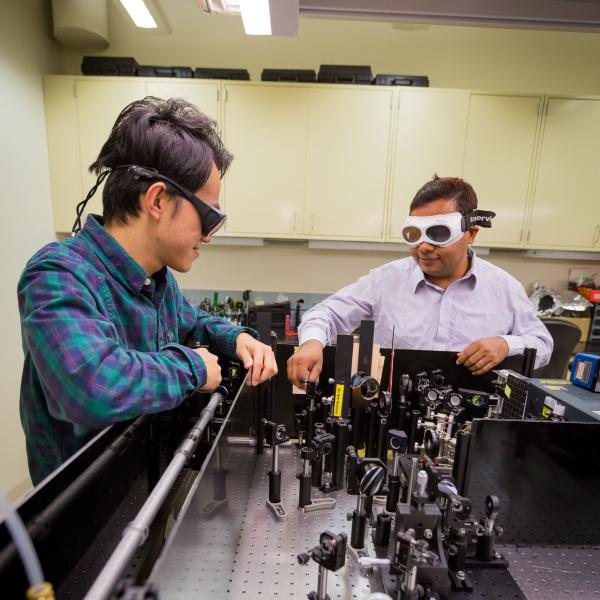
Now the startup, Lumeras LLC, has a viable commercial product, and scientists have a new tool for studying the behavior of complex materials.

Lumeras founder Andrew Merriam, left, and SLAC/Stanford Professor Zhi-Xun Shen with a tabletop laser the company developed
Feature

The goal: Develop high-tech coatings that make the detector’s mirrors less “noisy”.