
SLAC topics

Materials science RSS feed

SLAC develops materials to improve the performance of batteries, fuel cells and other energy technologies and set the stage for technologies of the future.

Related link: Energy sciences

Browse tagged content below
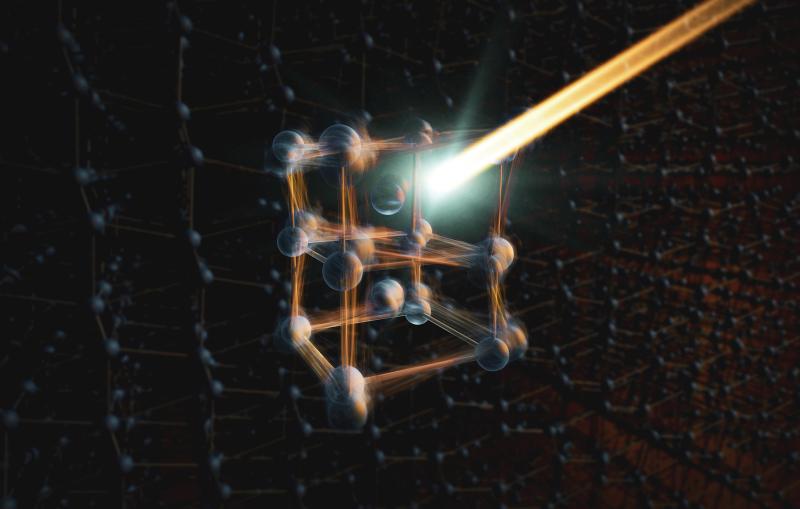
In materials hit with light, individual atoms and vibrations take disorderly paths.
News Release

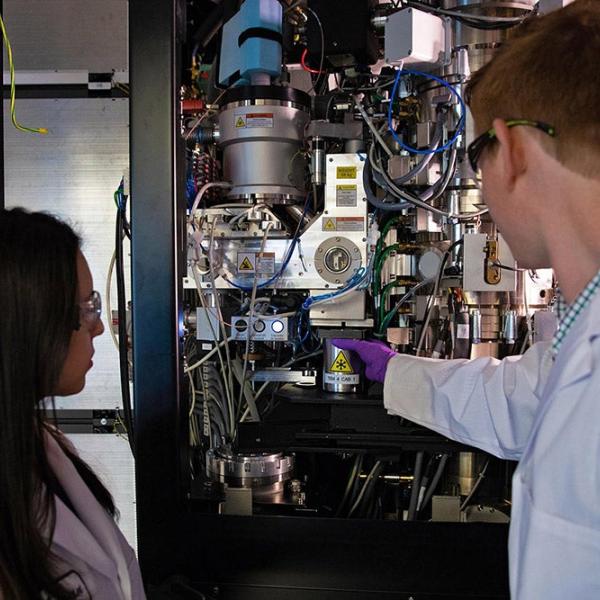
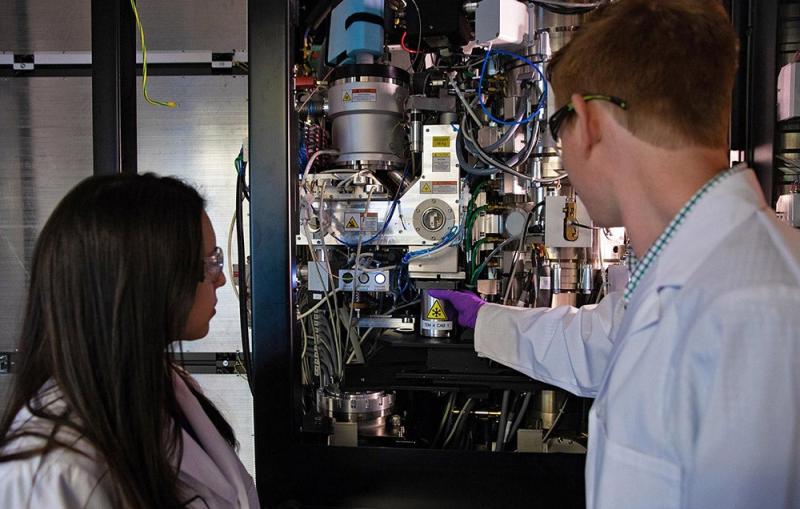
The new facility provides revolutionary tools for exploring tiny biological machines, from viral particles to the interior of the cell.

SLAC-Stanford Cryo-EM Facility
News Release

SLAC and its collaborators are transforming the way new materials are discovered. In a new report, they combine artificial intelligence and accelerated experiments to...

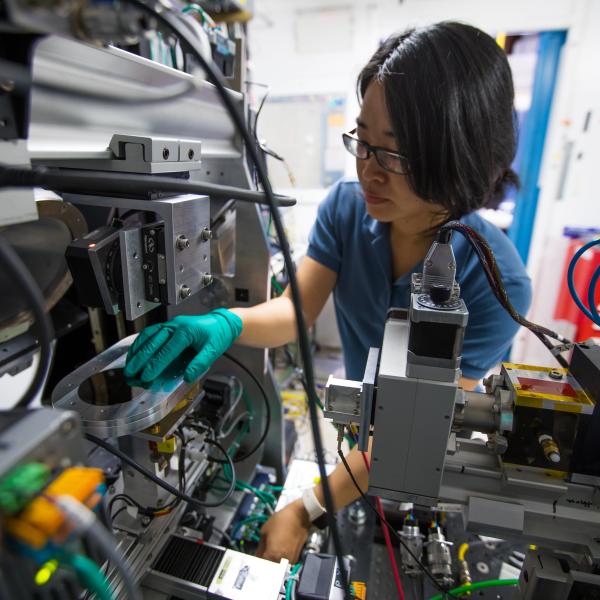
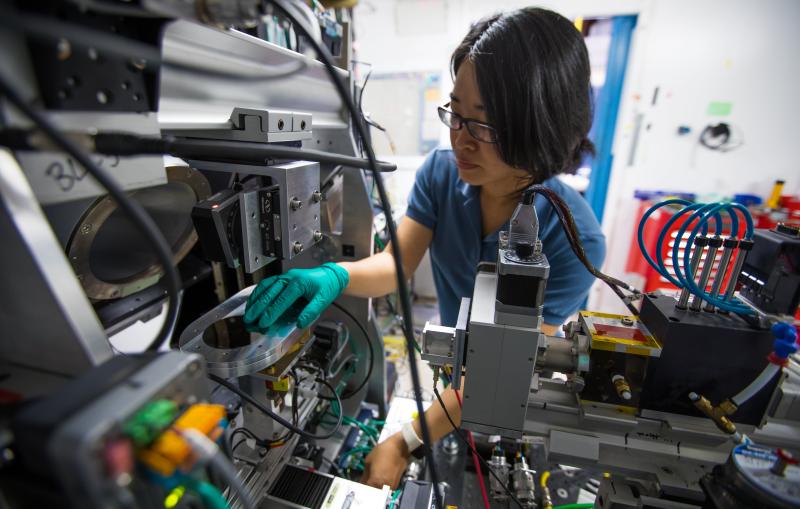
SLAC postdoctoral scholar Fang Ren at an SSRL beamline
Feature

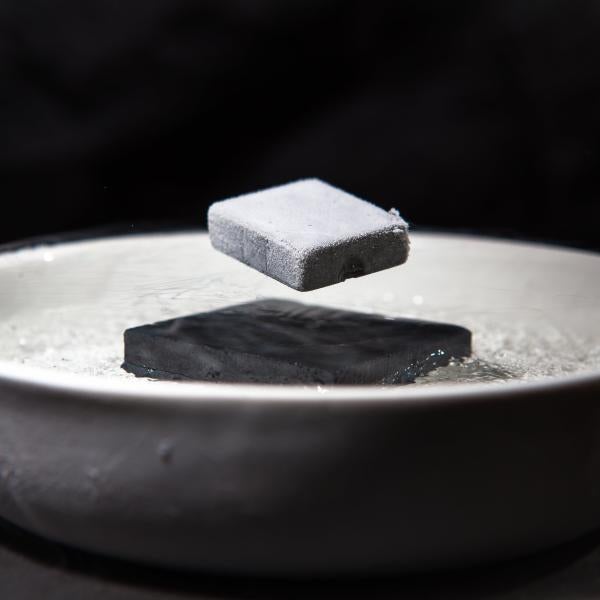
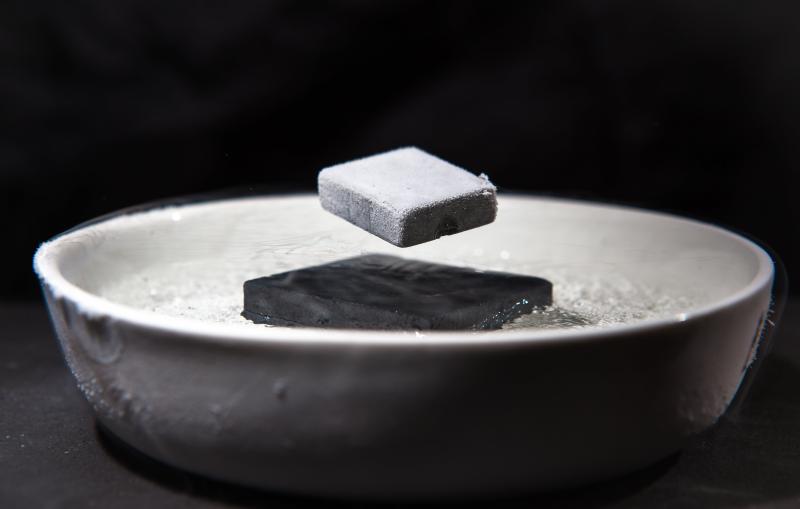
Understanding strontium titanate’s odd behavior will aid efforts to develop materials that conduct electricity with 100 percent efficiency at higher temperatures.

Image of magnet floating above a superconducting material
Feature

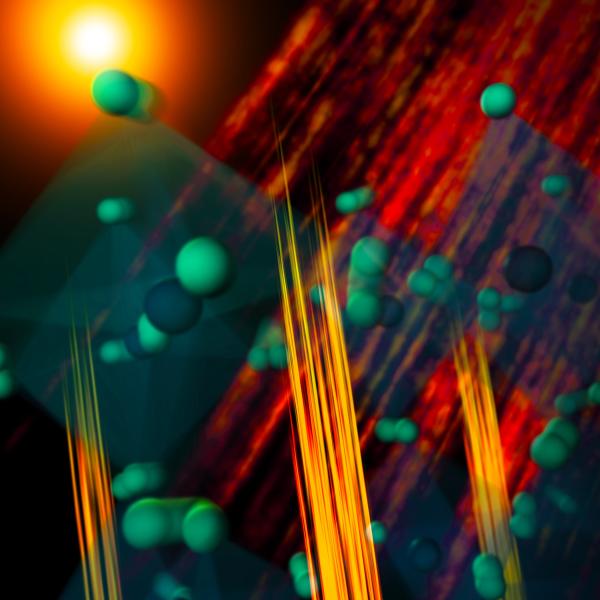
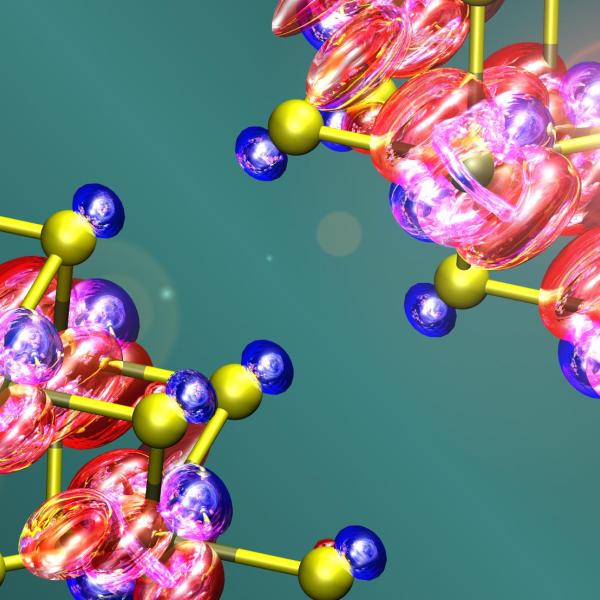
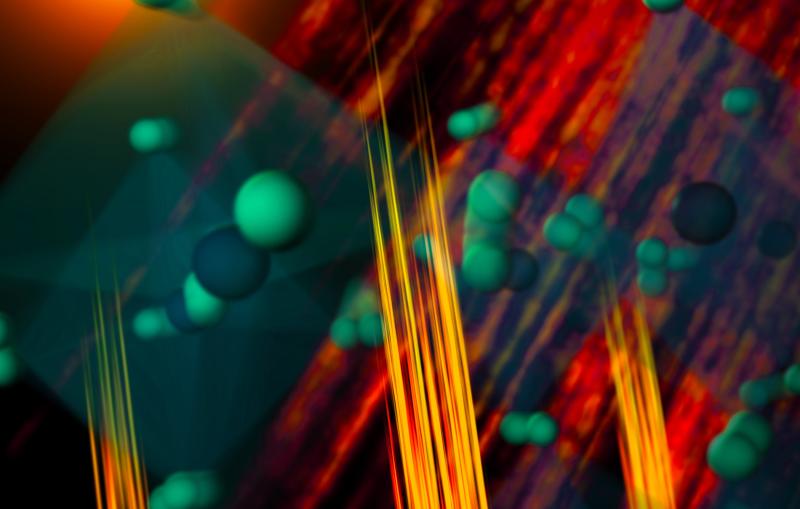
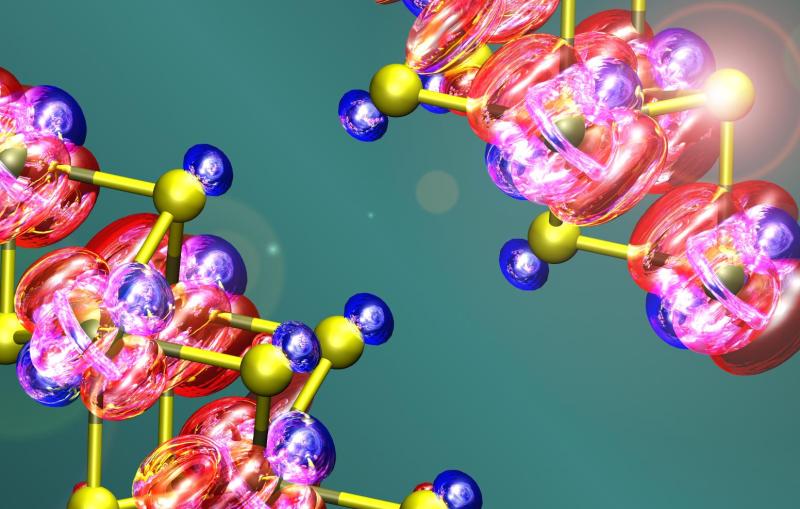
Research conducted at the atomic scale could help explain how electric currents move efficiently through hybrid perovskites, promising materials for solar cells.

Illustration of what happens when simulated sunlight hits perovskite
Feature

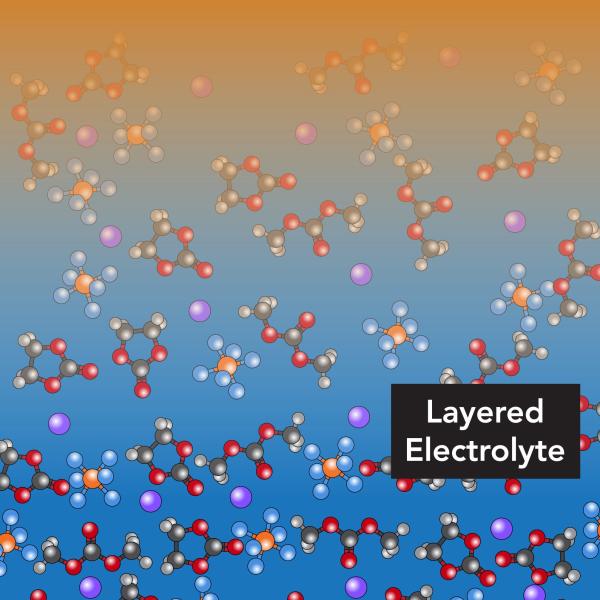
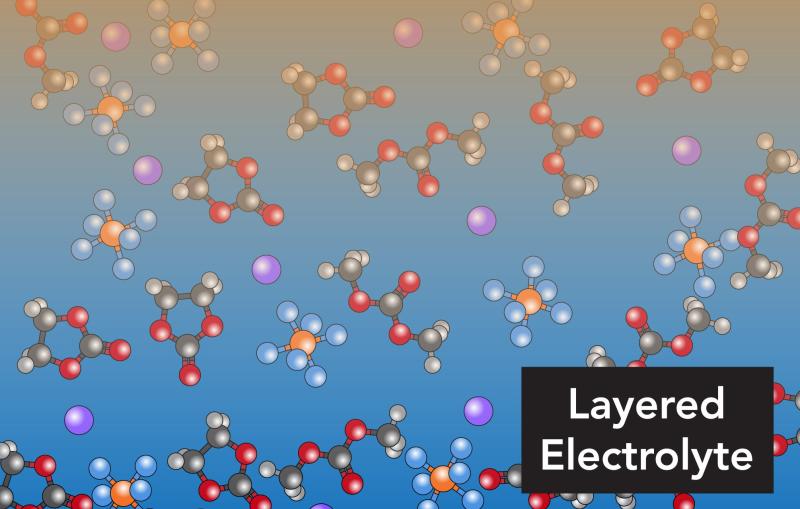
Streamlining their journey through the electrolyte could help lithium-ion batteries charge faster.

Illustration of molecular layers in battery electrolyte
News Release

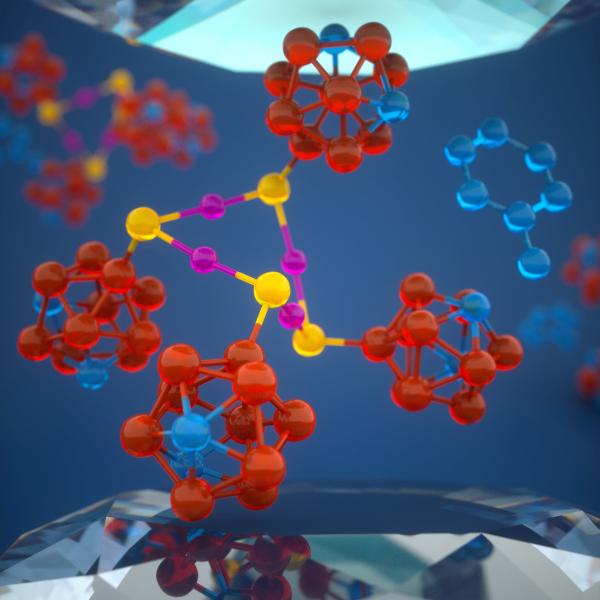
Experiments with 'molecular anvils' mark an important advance for mechanochemistry, which has the potential to make chemistry greener and more precise.

Illustration of soft molecules attached to molecular anvils between diamond tips
Feature

The goal of these X-ray studies is to find ways to improve manufacturing of specialized metal parts for the aerospace, aircraft, automotive and healthcare...

A metal 3-D printed sample.
Feature

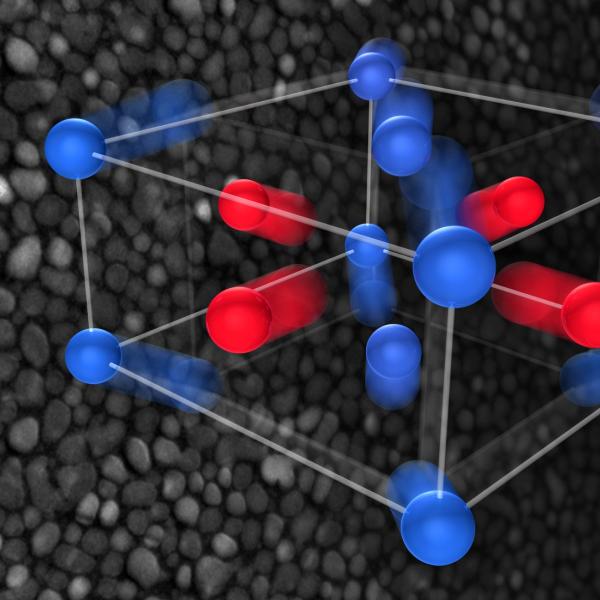
Combining X-ray and electron data from two cutting-edge SLAC instruments, researchers make the first observation of the rapid atomic response of iron-platinum nanoparticles to...

ultrafast electron diffraction on iron-platinum
News Release

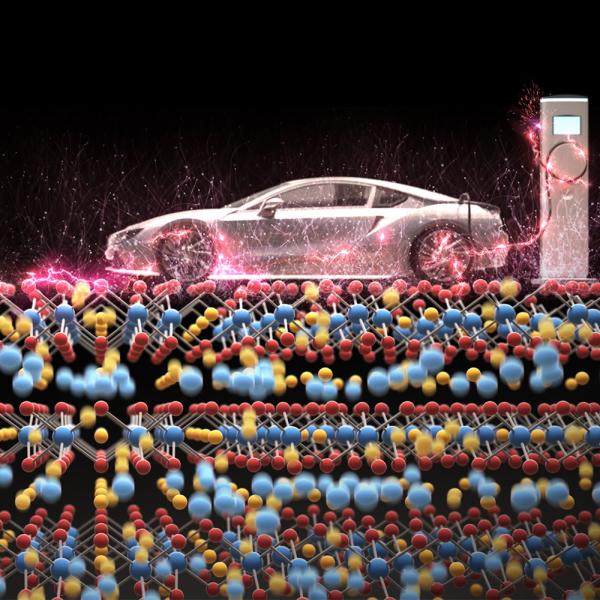
They created a comprehensive picture of how the same chemical processes that give these cathodes their high capacity are also linked to changes in...

Electrode structure for lithium ion battery.
Feature

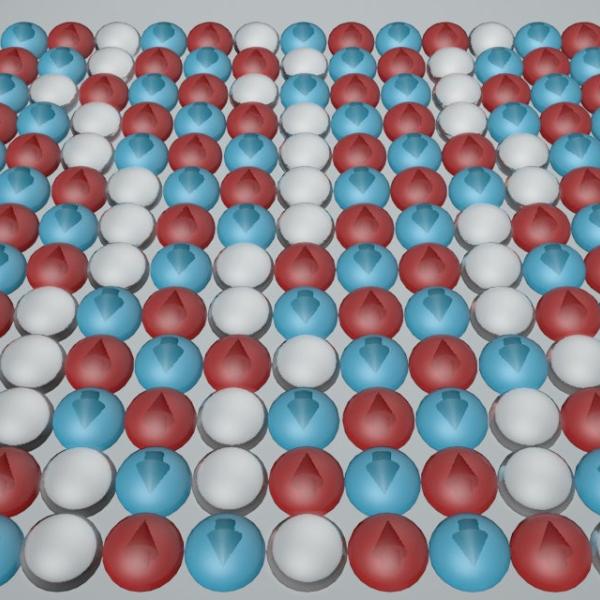
These stripes of electron spin and charge are exciting because of their possible link to a phenomenon that could transform society by making electrical...

Illustration of spin and charge stripes modeled by computer
Feature

In experiments with the lab’s ultrafast "electron camera," laser light hitting a material is almost completely converted into nuclear vibrations, which are key to...

UED Molybdenum Diselenide
Feature

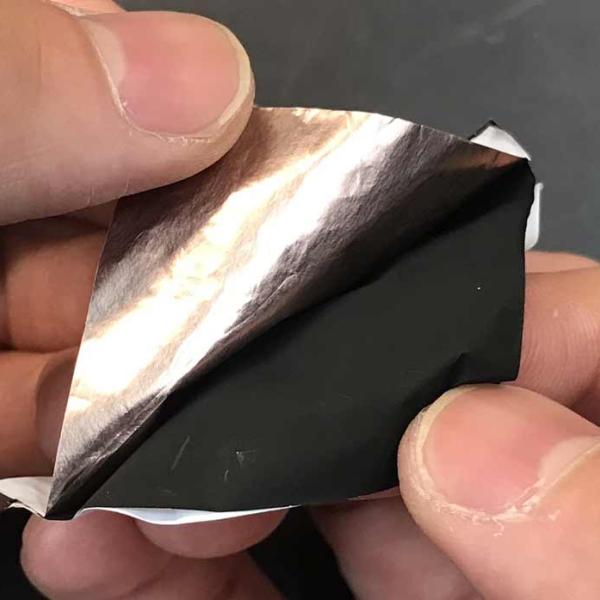
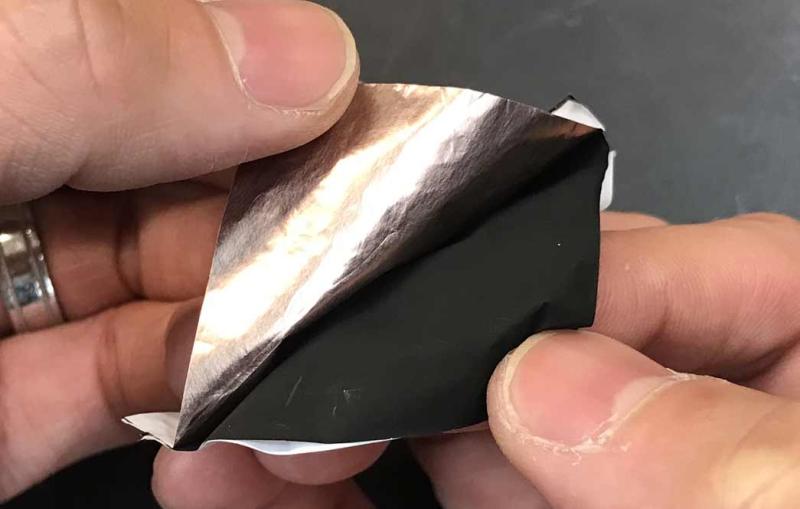
Clothing made from a reversible fabric, developed in part by SIMES researchers, could warm or cool wearers and keep them comfortable, bringing down buildings’...