SLAC topics

LCLS Matter in Extreme Conditions (MEC) RSS feed

The LCLS beam with its high peak brightness, short pulse duration, and tunable X-ray photon energy provides revolutionary capabilities to study the transient behavior of matter in extreme conditions. The particular strength of the Matter in Extreme Conditions (MEC) instrument is to combine the unique LCLS beam with high power optical laser beams, and a suite of dedicated diagnostics tailored for this field of science.
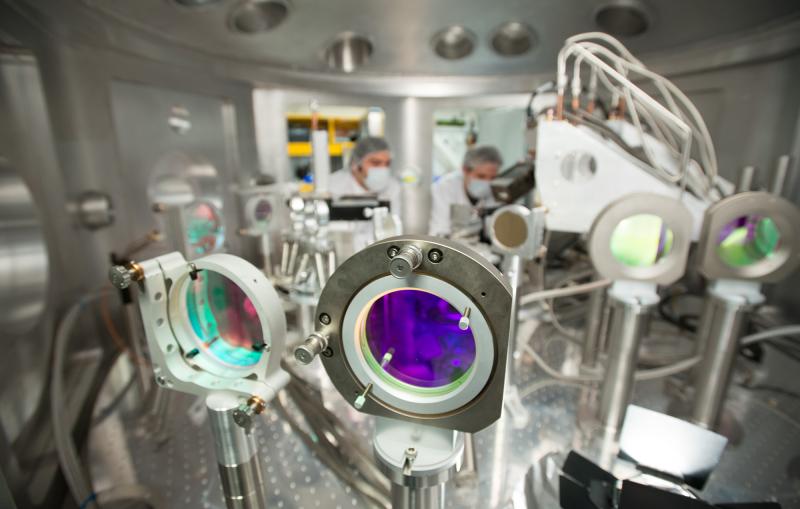
Scientists prepare for an experiment in the Matter in Extreme Conditions (MEC) chamber.
Feature

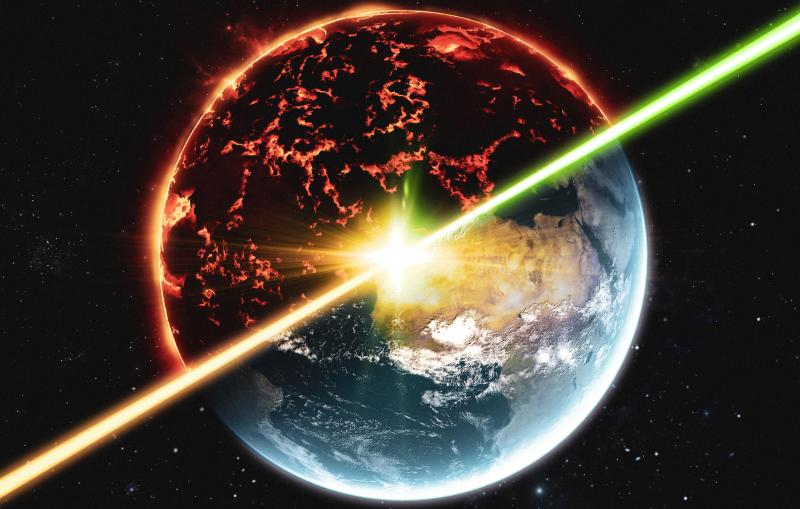
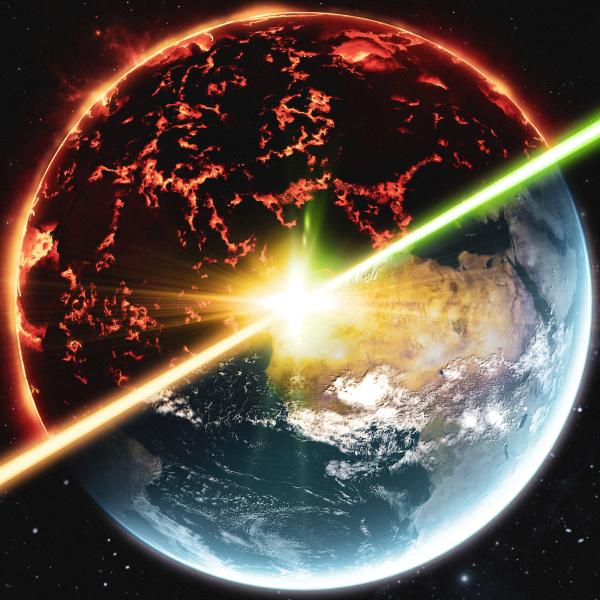
New research has implications for understanding Earth's evolution, interpreting unusual seismic signals and the study of exoplanets.

Illustration of earth with laser
News Release

With up to a million X-ray flashes per second, 8,000 times more than its predecessor, it transforms the ability of scientists to explore atomic-scale...

LCLS-II first light
Feature

They saw how the material finds a path to contorting and flexing to avoid being irreversibly crushed.

MEC silicon
News Release

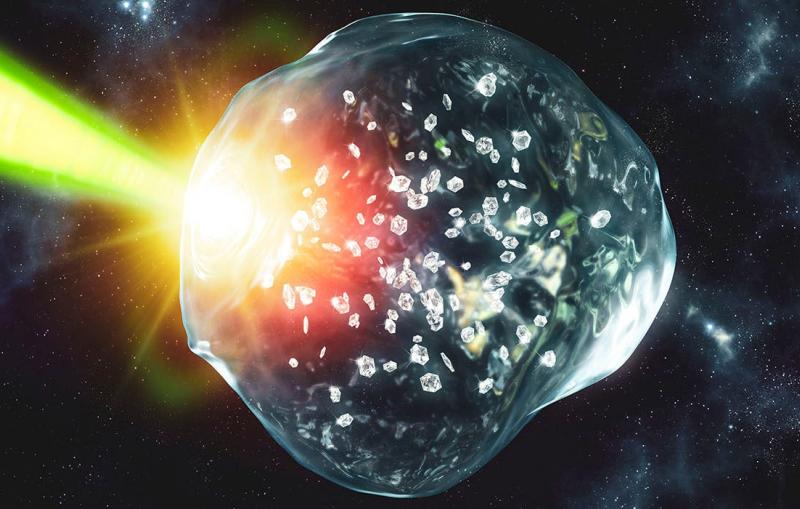
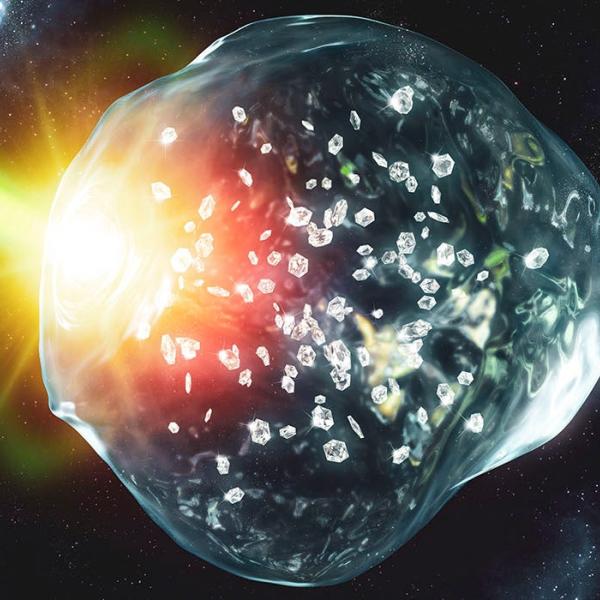
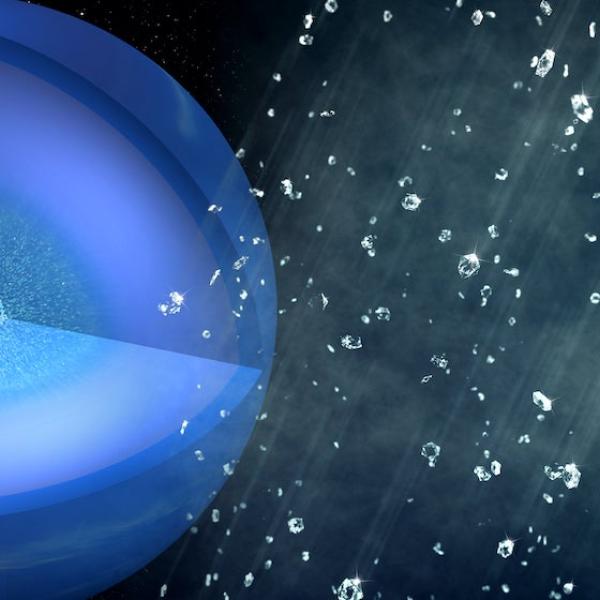
Studying a material that even more closely resembles the composition of ice giants, researchers found that oxygen boosts the formation of diamond rain.

Diamond rain formation
Feature

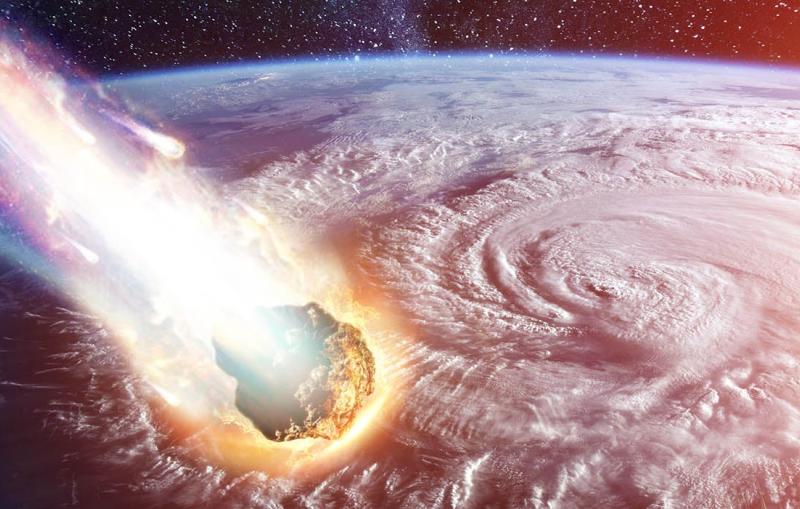
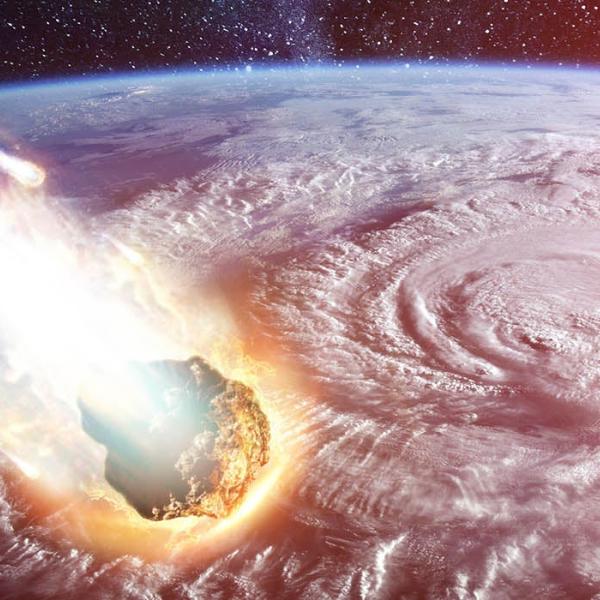
Researchers mimicked these extreme impacts in the lab and discovered new details about how they transform minerals in Earth’s crust.

meteor
Feature

Through her work with this nationwide program, Curry plans to make high-power laser facilities more accessible to researchers.

Chandra Breanne Curry
Feature

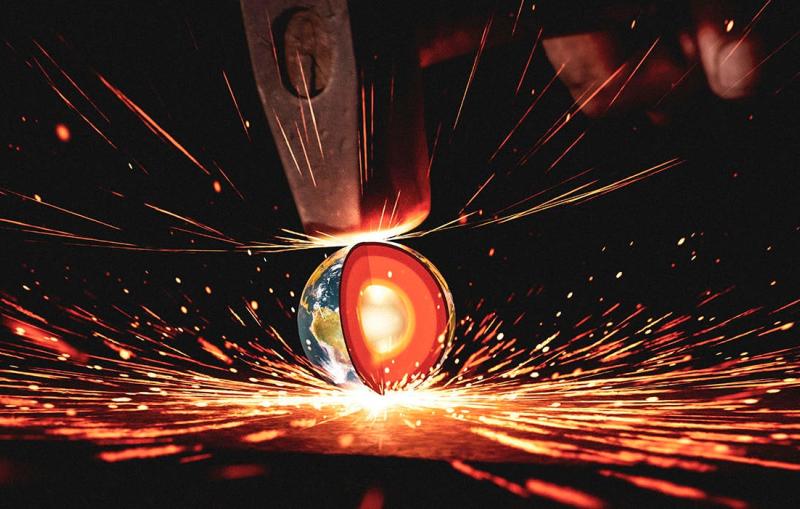
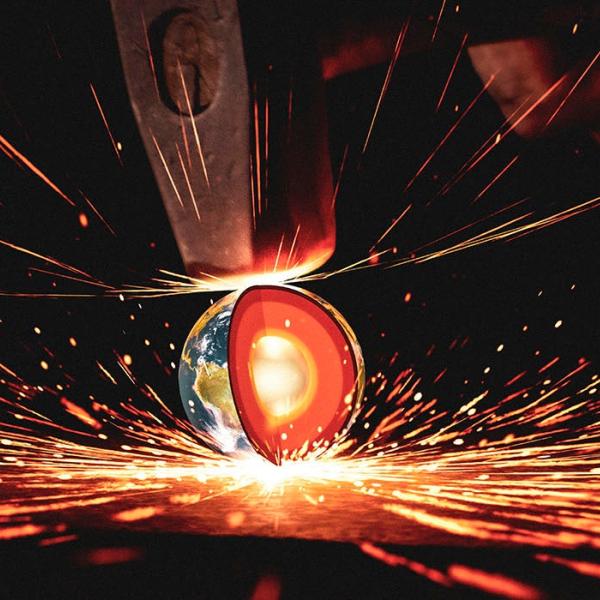
New observations of the atomic structure of iron reveal it undergoes "twinning" under extreme stress and pressure.

illustration of a hammer hitting the Earth's iron core
Feature

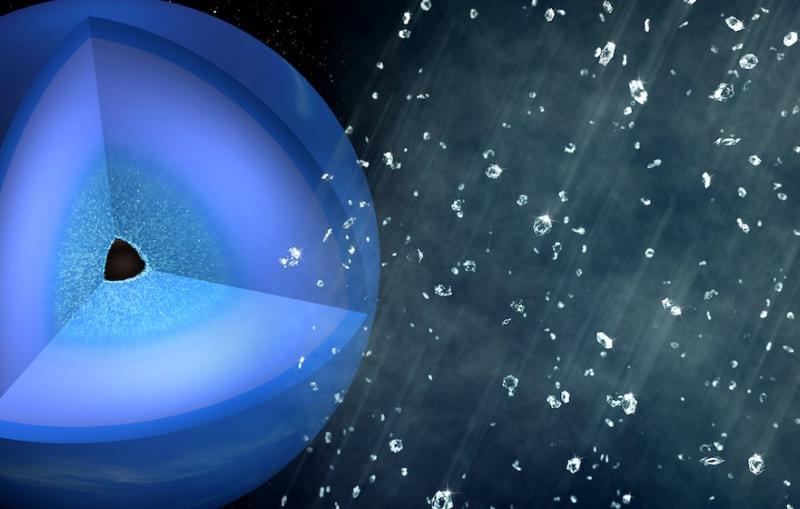
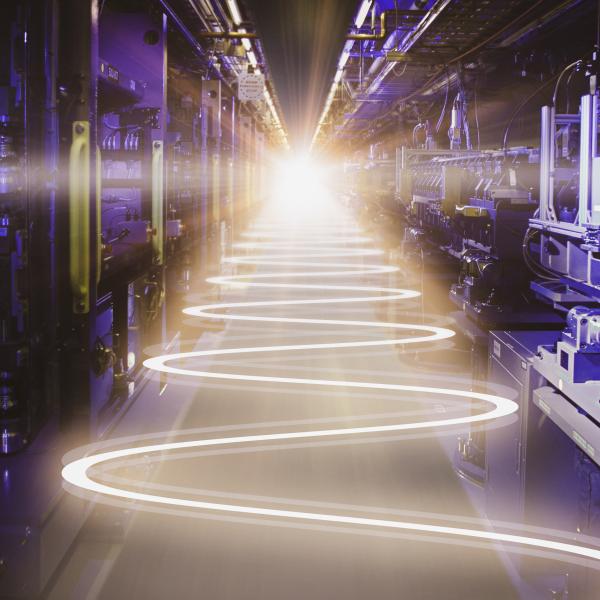
High-power lasers will work in concert with the lab’s X-ray laser to dramatically improve our understanding of matter in extreme conditions.

diamond rain
Feature

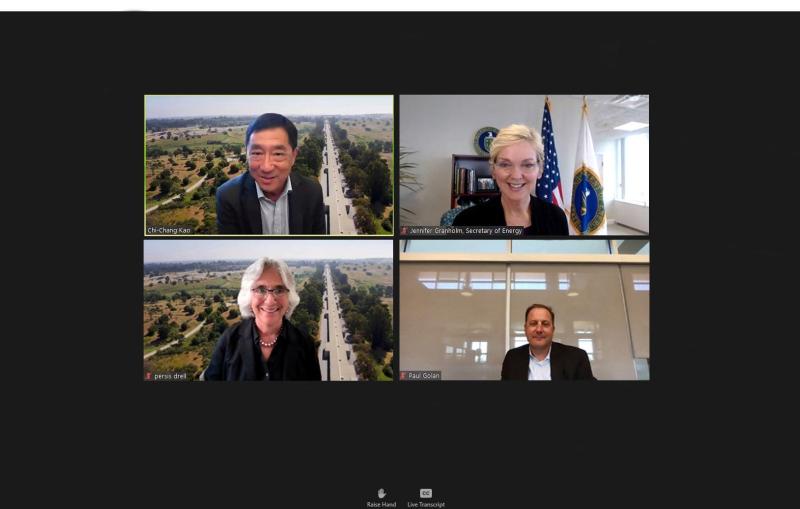
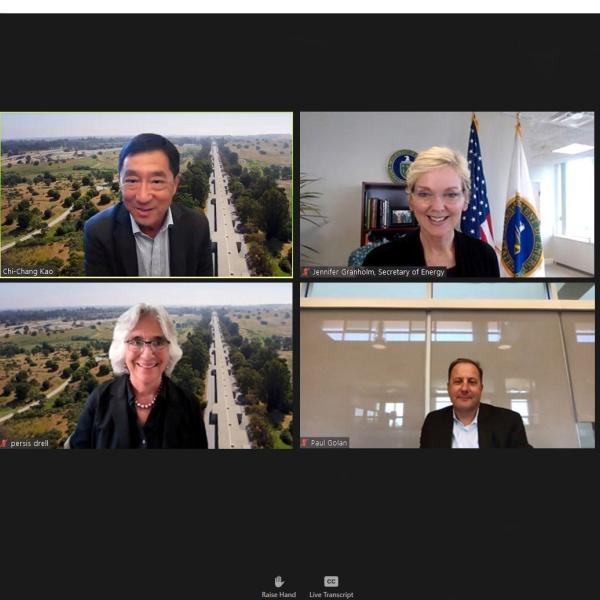
She toured the lab’s powerful X-ray laser, looked at the construction of the world’s largest digital camera, and discussed climate research, industries of the...

Secretary Granholm virtual visit
Feature

Edward Hohenstein, Emma McBride and Caterina Vernieri study what happens to molecules hit by light, recreate extreme states of matter like those inside stars...

Early Career Awardees 2021
Feature

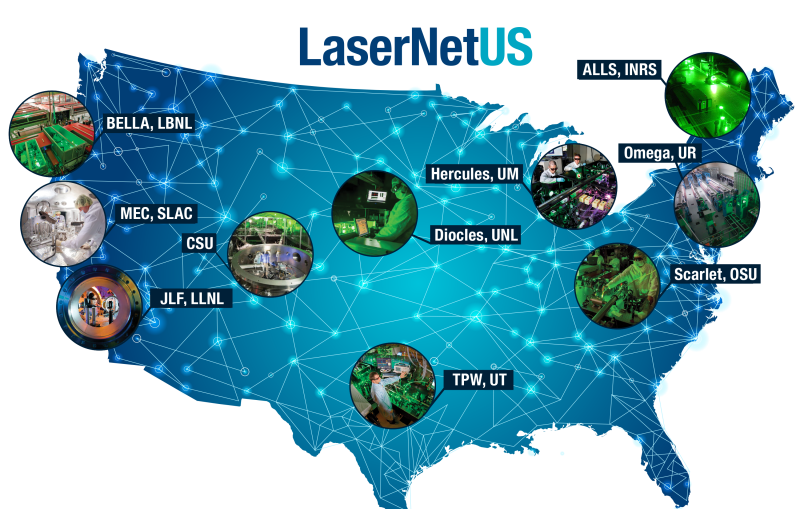
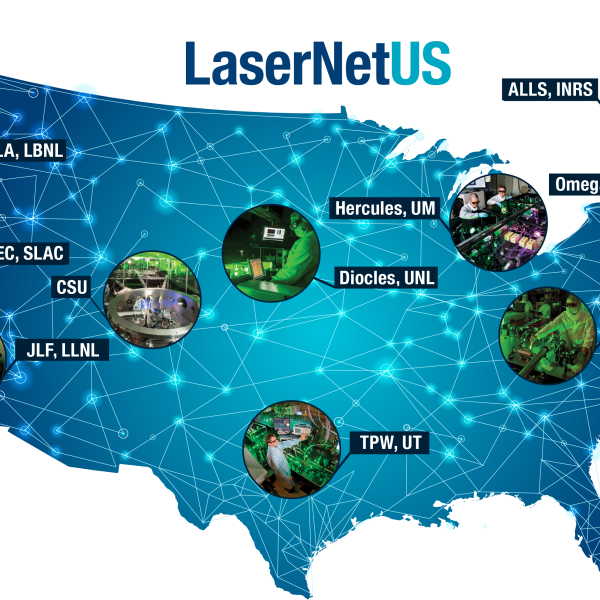
The initiative will give scientists more access to powerful lasers at universities and labs.

LaserNetUS
Feature

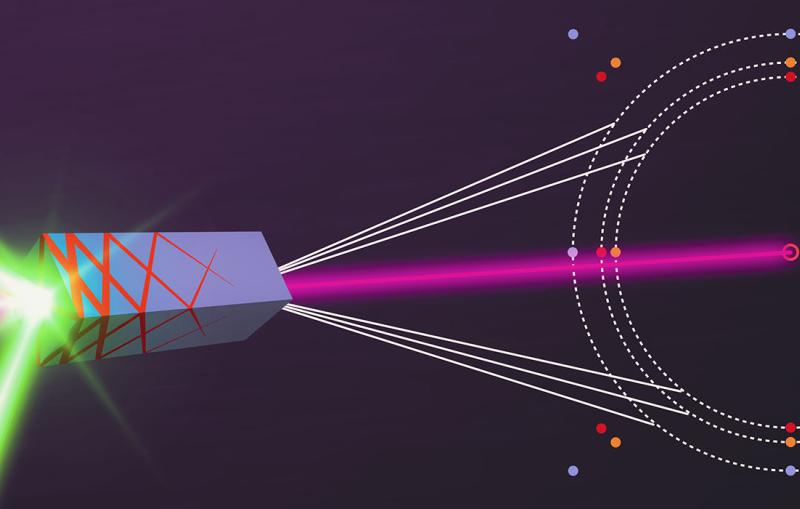
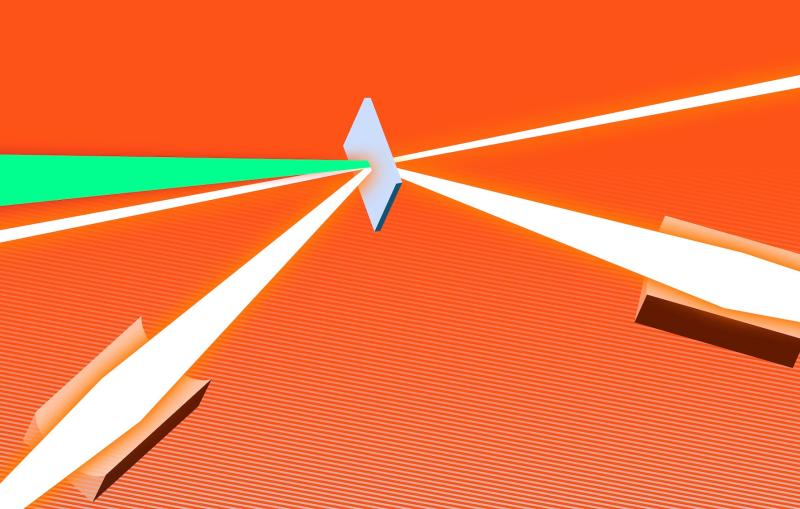
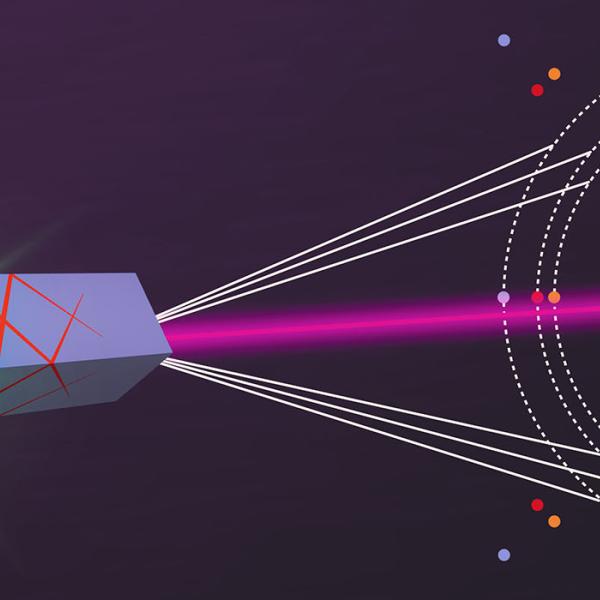
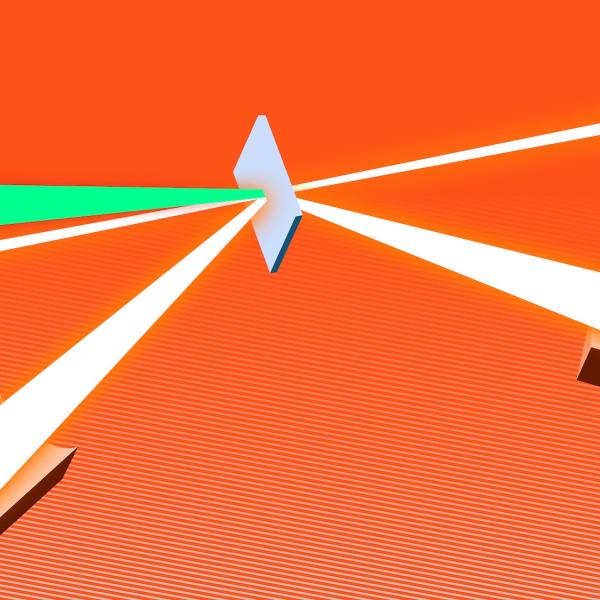
It could offer insights into the evolution of planetary systems and guide scientists hoping to harness nuclear fusion as a new source of energy.

Scattered photons