Kavli Institute for Particle Astrophysics & Cosmology (KIPAC)
KIPAC brings the power of theory, computation, experiments and observations to bear on astrophysical questions, from the origins of cosmic rays to the structure and evolution of the universe.
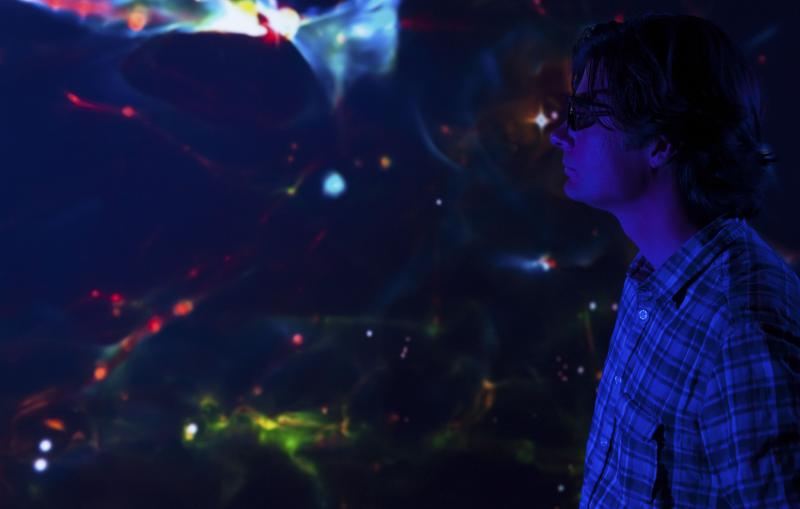
Kavli Institute for Partical Astrophysics and Cosmology (KIPAC) scientist Ralf Kaehler, at work here in the "Vizlab," and colleagues use computer visualizations to simulate and study the formation and evolution of the Universe.
(Matt Beardsley/SLAC National Accelerator Laboratory)
Editors of the journal Science, published by the American Association for the Advancement of Science, have selected their annual Top 10 Science Breakthroughs of...
SLAC's Kavli Institute for Particle Astrophysics and Cosmology (KIPAC) recently hosted many of the top scientists in the field to discuss the most important...
In scientific circles, “mock” is not always a four-letter word. To test that they’re interpreting their massive amounts of data correctly, astrophysicists create even...
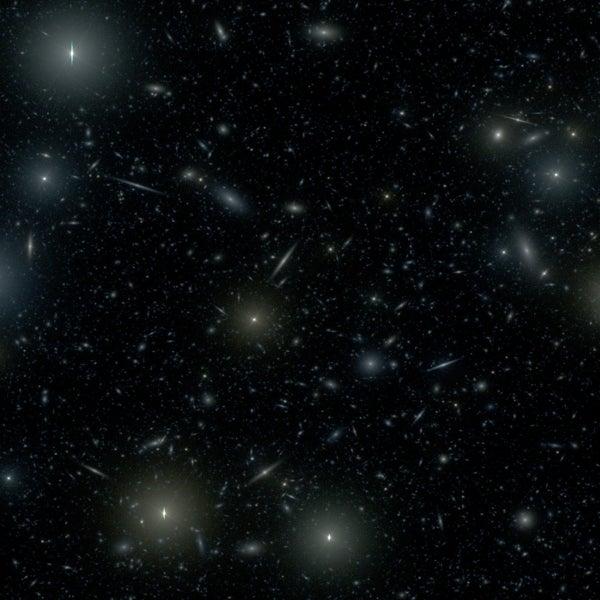
Traces of iron spread smoothly throughout a massive galaxy cluster tell the 10 billion-year-old story of exploding supernovae and fierce outbursts from supermassive black...
Editors of the journal Science, published by the American Association for the Advancement of Science, have selected their annual Top 10 Science Breakthroughs of the Year. On the list: Work by SLAC researchers pinning down the origin of cosmic rays.
SLAC's Kavli Institute for Particle Astrophysics and Cosmology (KIPAC) recently hosted many of the top scientists in the field to discuss the most important questions to confront in the coming decade.
In scientific circles, “mock” is not always a four-letter word. To test that they’re interpreting their massive amounts of data correctly, astrophysicists create even more data: “mock” data. And while that may be counterintuitive at first, it actually makes a...
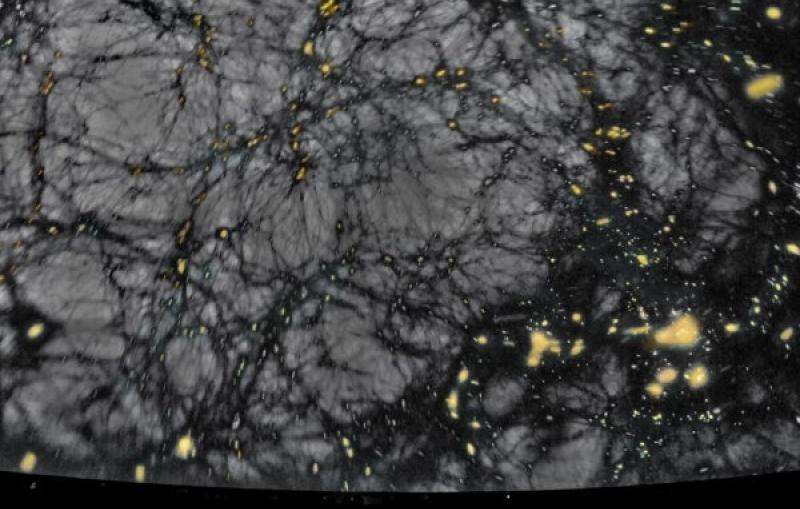
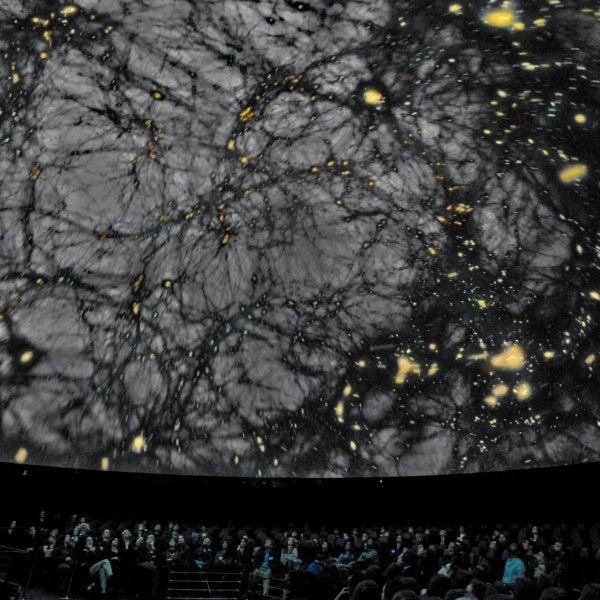
Particle astrophysicists are helping illuminate the dark side of the universe for a new show at the American Museum of Natural History in New York City.
Traces of iron spread smoothly throughout a massive galaxy cluster tell the 10 billion-year-old story of exploding supernovae and fierce outbursts from supermassive black holes sowing heavy elements throughout the early cosmos.
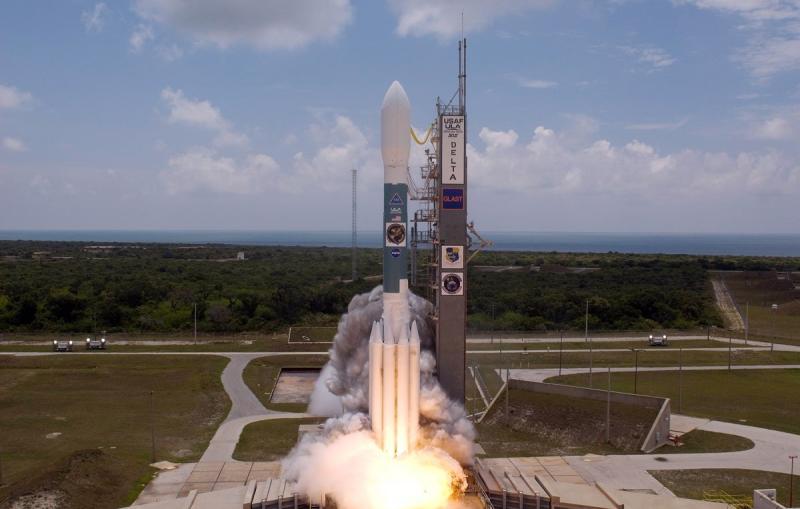
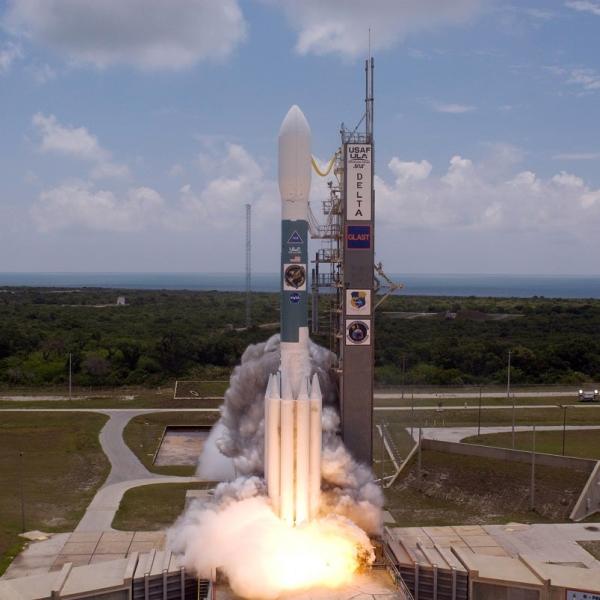
On June 11, 2008, what was then the Gamma-ray Large Area Space Telescope rode a Delta II rocket into low-Earth orbit. After two months of tests and checks and calibrations, on August 11, 2008, NASA declared GLAST open for business...
The Association of Universities for Research in Astronomy (AURA) announced today that Dr. Steven M. Kahn will assume the role of Director of the Large Synoptic Survey Telescope (LSST) Project effective July 1, 2013.
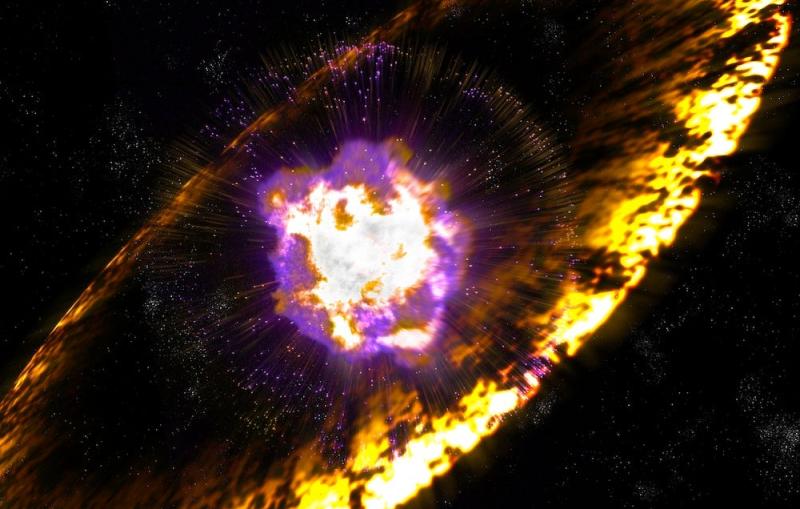
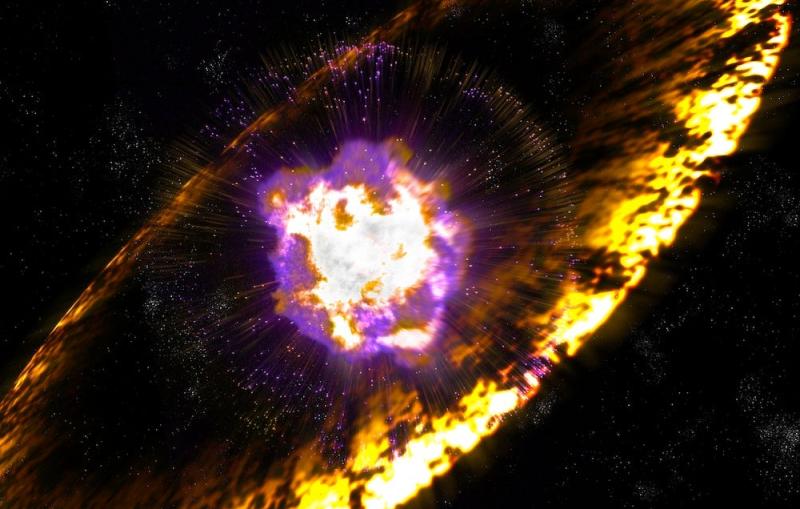
A new study confirms what scientists have long suspected: Cosmic rays – energetic particles that pelt Earth from all directions – are born in the violent aftermath of supernovas, exploding stars throughout the galaxy.