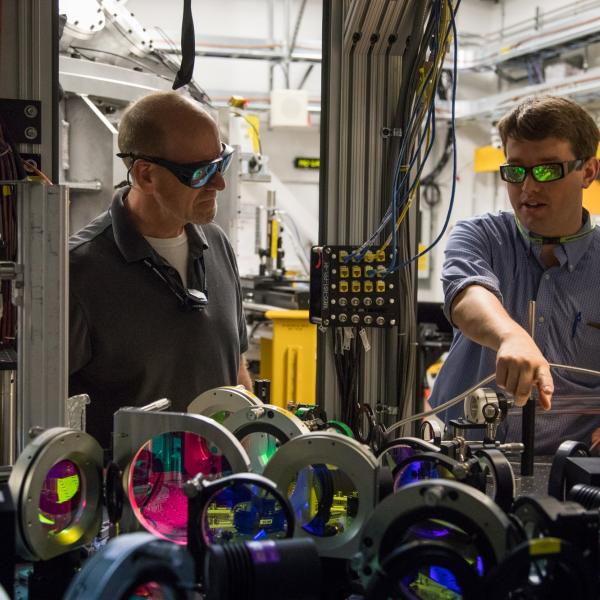
Engineering is at the heart of SLAC’s scientific innovation, from large scale projects like the LSST Camera and the LCLS X-ray laser upgrade to detectors and software solutions.
Browse tagged content below
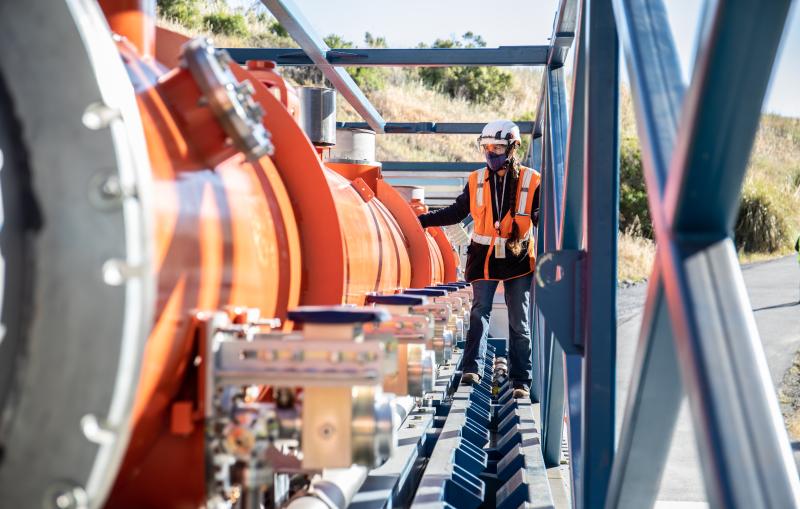
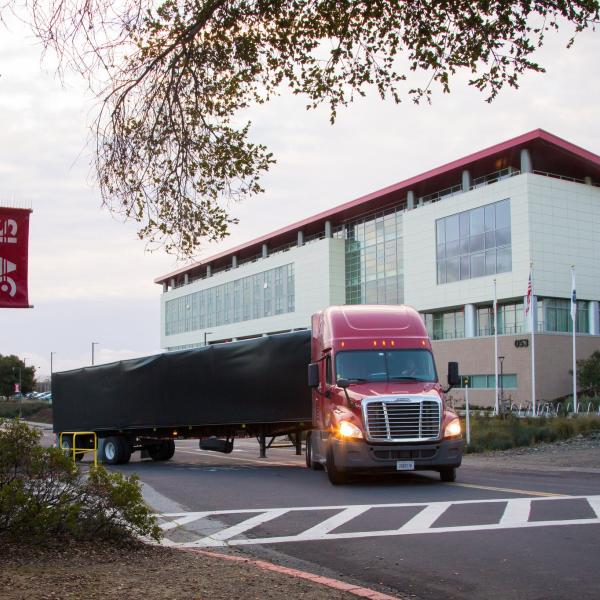
Last cryomodule unload, #41 from Fermilab F1.3-06. This one will be one of a few spares for LCLS-II.
(Jacqueline Ramseyer Orrell/SLAC National Accelerator Laboratory)
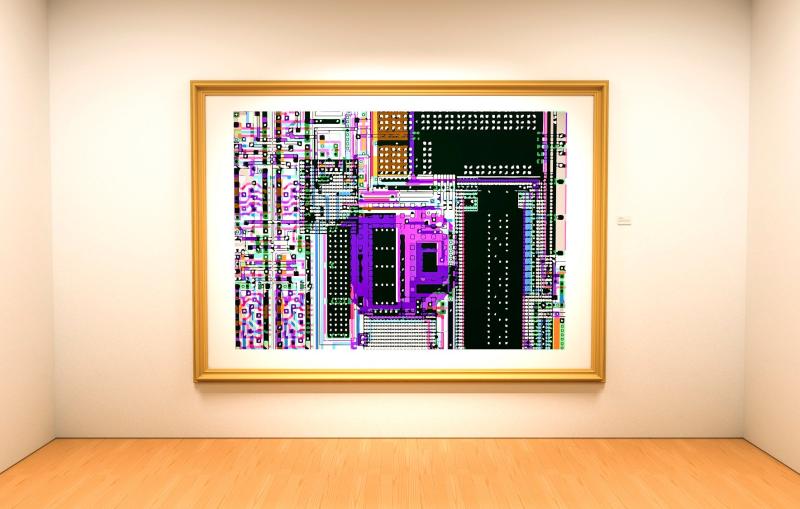
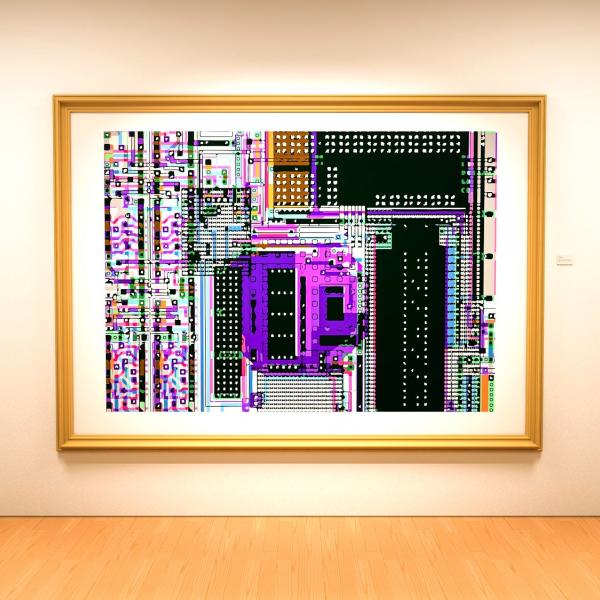
A team of electrical designers develops specialized microchips for a broad range of scientific applications, including X-ray science and particle physics.
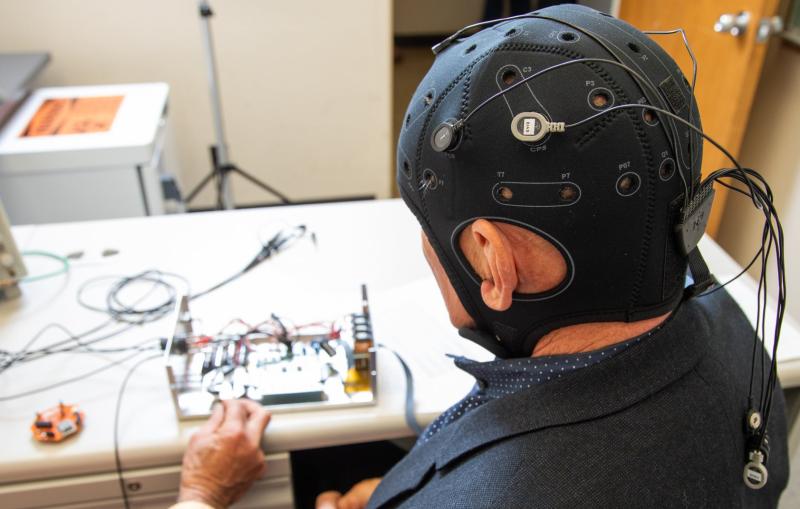
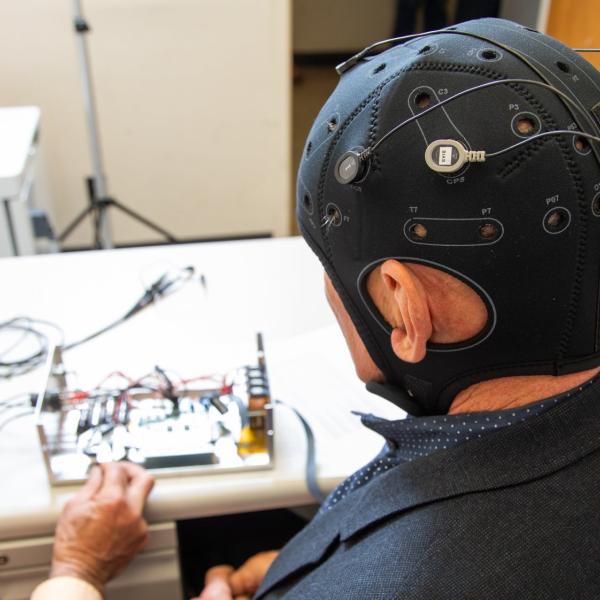
SLAC and Stanford researchers are developing a device that combines electrical brain stimulation with EEG recording, opening potential new paths for treating neurological disorders.
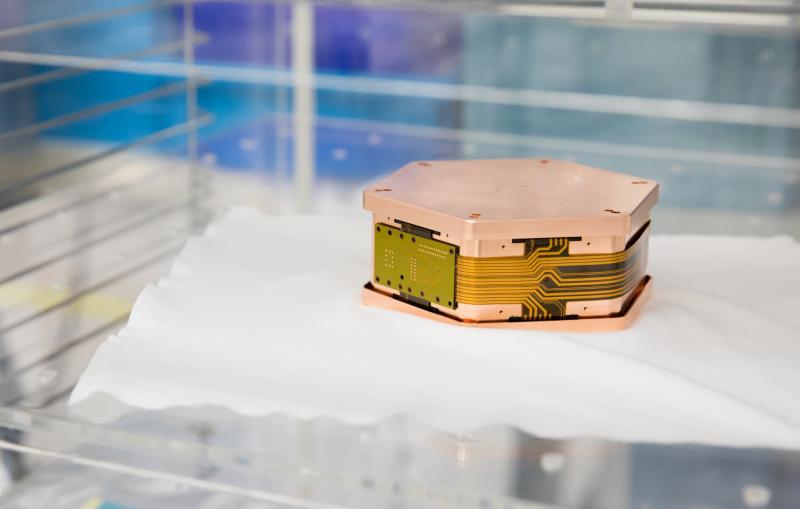
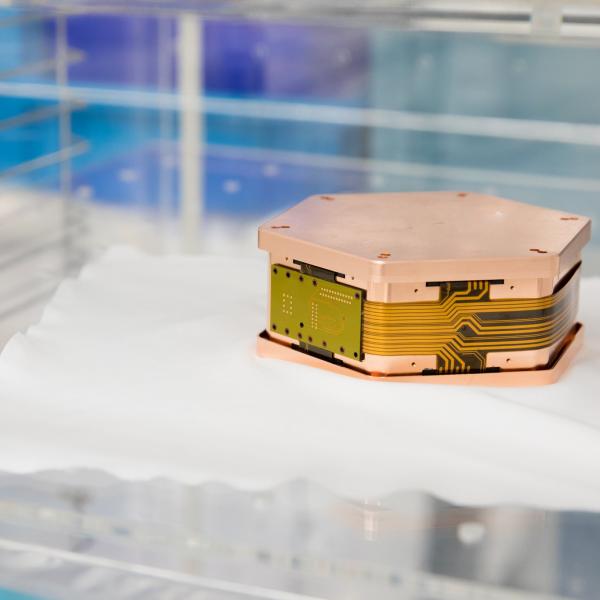
The SuperCDMS SNOLAB project, a multi-institutional effort led by SLAC, is expanding the hunt for dark matter to particles with properties not accessible to...
A new device could open new avenues for the generation of high-frequency radiation with applications in science, radar, communications, security and medical imaging.
More than 100 students worked on projects ranging from website development to imaging techniques for X-ray studies, learning new ways to apply their talents.
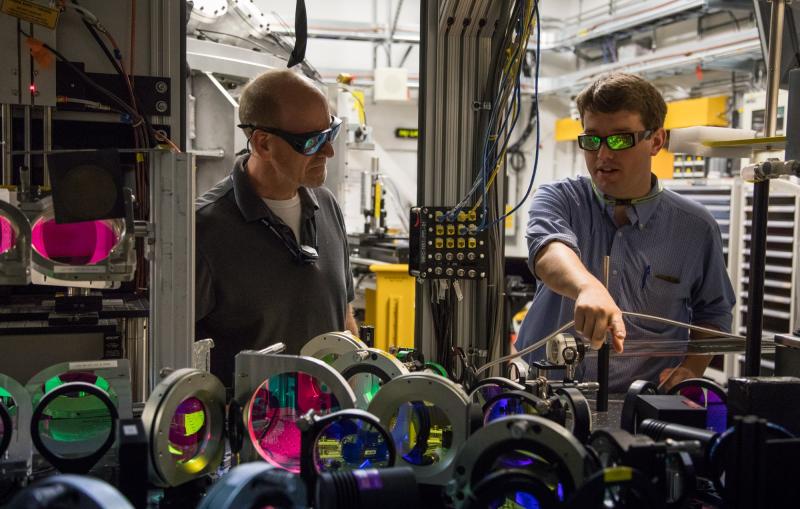
Tripling the energy and refining the shape of optical laser pulses at LCLS’s Matter in Extreme Conditions instrument allows researchers to recreate higher-pressure conditions...
A team of electrical designers develops specialized microchips for a broad range of scientific applications, including X-ray science and particle physics.
SLAC and Stanford researchers are developing a device that combines electrical brain stimulation with EEG recording, opening potential new paths for treating neurological disorders.
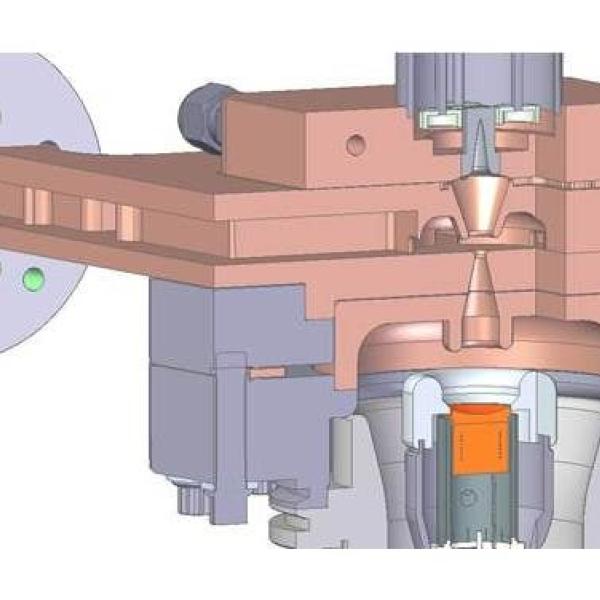
The SuperCDMS SNOLAB project, a multi-institutional effort led by SLAC, is expanding the hunt for dark matter to particles with properties not accessible to any other experiment.
A new device could open new avenues for the generation of high-frequency radiation with applications in science, radar, communications, security and medical imaging.
More than 100 students worked on projects ranging from website development to imaging techniques for X-ray studies, learning new ways to apply their talents.
Tripling the energy and refining the shape of optical laser pulses at LCLS’s Matter in Extreme Conditions instrument allows researchers to recreate higher-pressure conditions and explore unsolved questions relevant to fusion energy, plasma physics and materials science.