

SLAC topics

Energy sciences RSS feed

One of the most urgent challenges of our time is discovering how to generate the energy and products we need sustainably, without compromising the well-being of future generations by depleting limited resources or accelerating climate change. SLAC pursues this goal on many levels.

Browse tagged content

Studies of atomic-level processes
News Brief

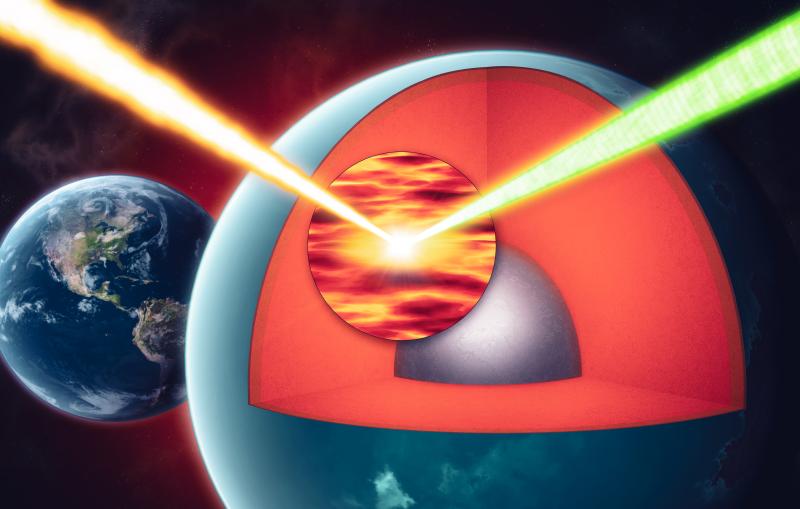
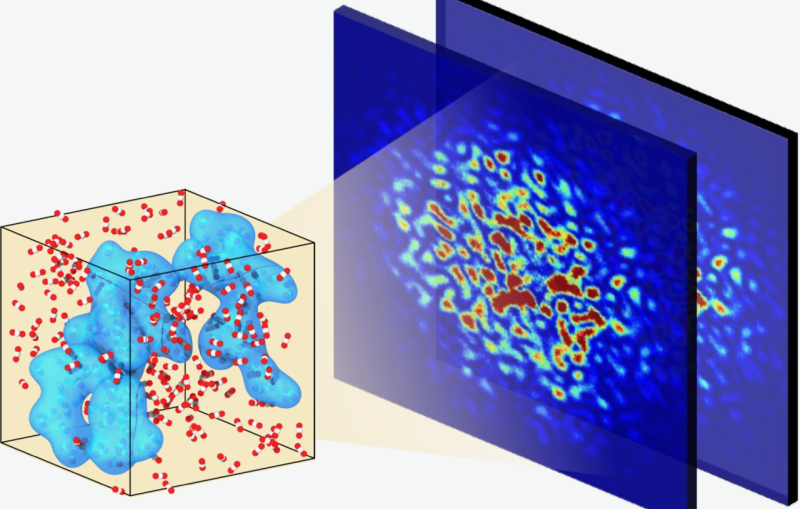
This research advances our understanding of Earth's deep interior and exoplanets, opening new research avenues in Earth and planetary sciences.

mec_super_earth
Feature

Tanner works on self-assembling nanocrystals, which could be the basis for less expensive, easier to build displays and solar cells.

Christian Tanner
Feature

The Center for Energy Efficient Magnonics (CEEMag) brings together a multidisciplinary group of researchers from SLAC and seven universities

Spin wave-based interconnect illustration
Feature

The Aqueous Battery Consortium of Stanford, SLAC, and 13 others seeks to overcome the limitations of a battery using water as its electrolyte.

News Release

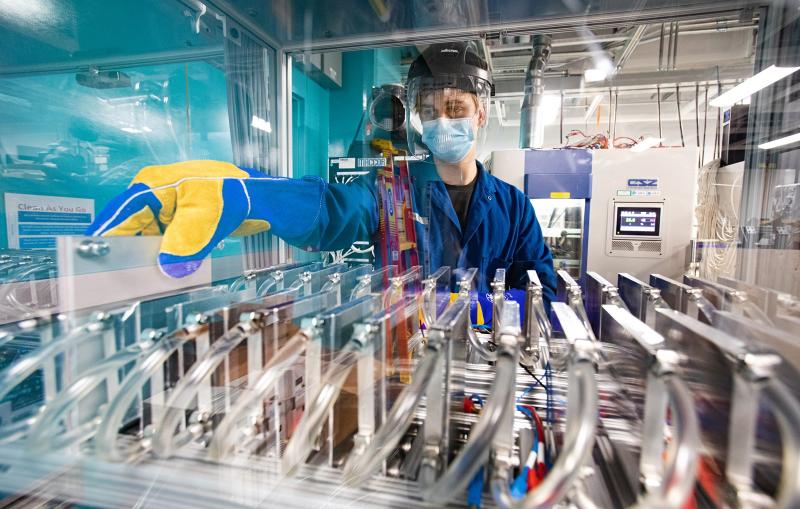
Charging lithium-ion batteries at high currents just before they leave the factory is 30 times faster and increases battery lifespans by 50%, according to...

An illustration shows batteries flow down an assembly line, turning them from gray to green.
News Brief

Their method provides a new tool to study electron-electron interactions, which are fundamental to many technologies, including semiconductors and solar cells.

photoelectric effect
Feature

A materials chemist and SLAC associate scientist, Preefer is excited about the synergies being sparked at the SLAC-Stanford Battery Center. 

Headshot Molleigh Preefer at SSRL
Feature

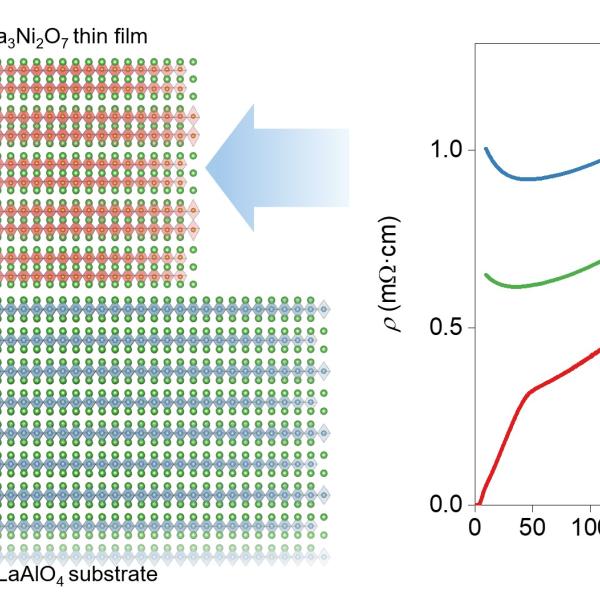
The finding could help future efforts to design superconductors that work at higher temperatures.

This is a graphic drawing that represents how electrons lock together in a superconducting material.
News Brief

An X-ray imaging technique revealed that copper nanofoams used in inertial fusion experiments aren't as uniform as expected.

Green blobs on a blue background.
Feature

Scientists demonstrated a materials characterization technique can be successful at a new type of facility, and they used it at LCLS to discover a...

A small bright ball falls on a purple grid, creating a wave.
News Brief

A study reveals an ultrathin material’s ability to circularly polarize light, potentially informing how they work in optoelectronic devices.

Image from SLAC's high-speed electron camera showing circular polarization of terahertz light.
Feature

The Ultrafast X-ray Summer School, run by the Stanford PULSE Institute and hosted at SLAC, opens the door for students and postdocs to imagine...

A group photo of people in red tee shirts.