

SLAC topics

Energy sciences RSS feed

One of the most urgent challenges of our time is discovering how to generate the energy and products we need sustainably, without compromising the well-being of future generations by depleting limited resources or accelerating climate change. SLAC pursues this goal on many levels.

Browse tagged content

Studies of atomic-level processes
Feature

Researchers have taken a big step toward accomplishing what battery designers have been trying to do for decades – design a pure lithium anode.

Feature

Sulfur Cathode Experiments Test Chemistry Beyond Conventional Lithium-Ion

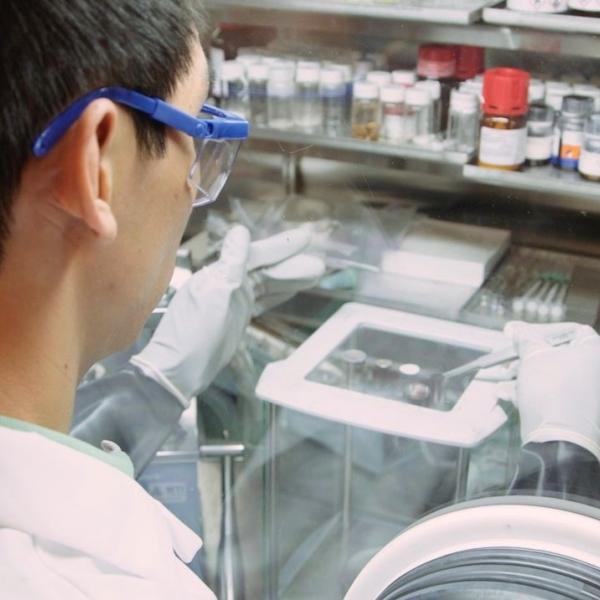
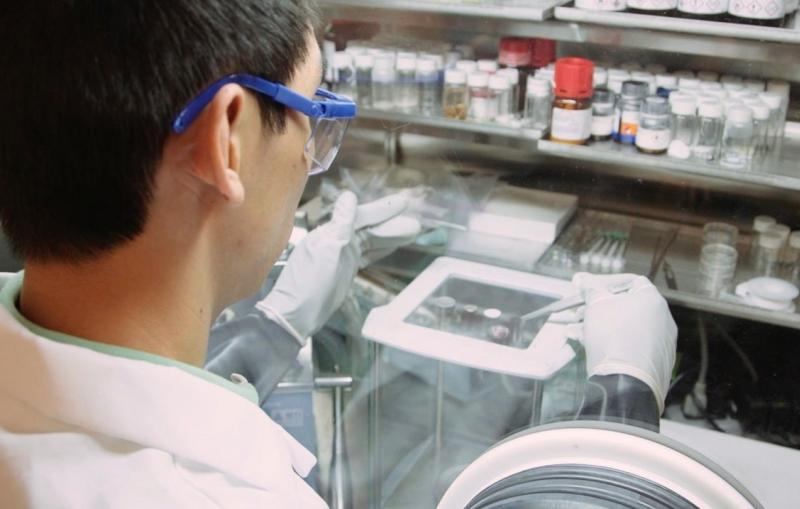
Photo - scientist preparing a dime-sized prototype battery
Video

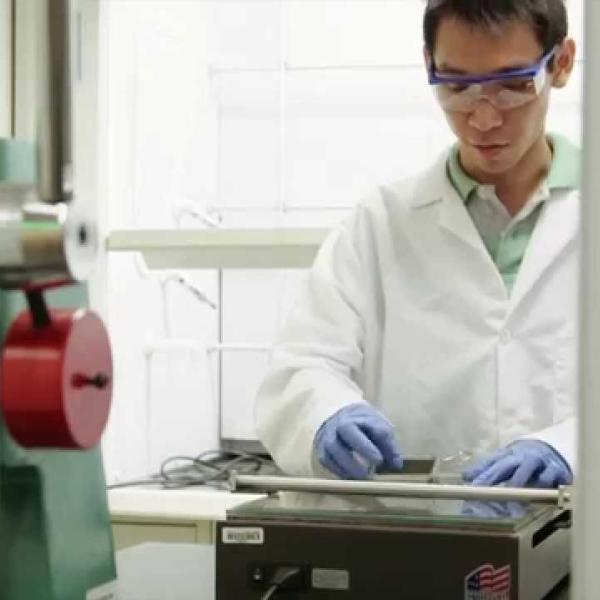
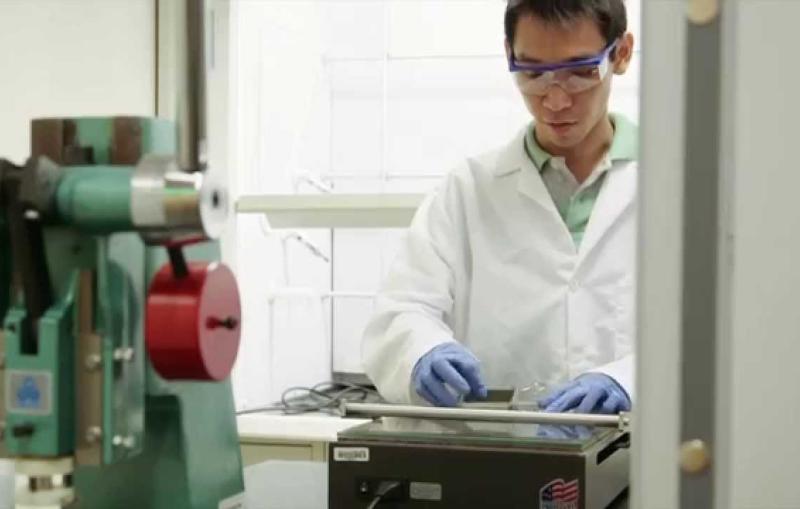
Stanford graduate student Zhi Wei Seh shows how he prepares prototype batteries in SLAC's energy storage laboratory.

battery still
Video
News Release

Using high-brilliance X-rays, researchers track the process that fuel cells use to produce electricity, knowledge that will help make large-scale

Feature

Stanford researcher Thomas F. Jaramillo has been named SUNCAT’s new deputy director for experiments. He succeeds SLAC’s Anders Nilsson.

News Release

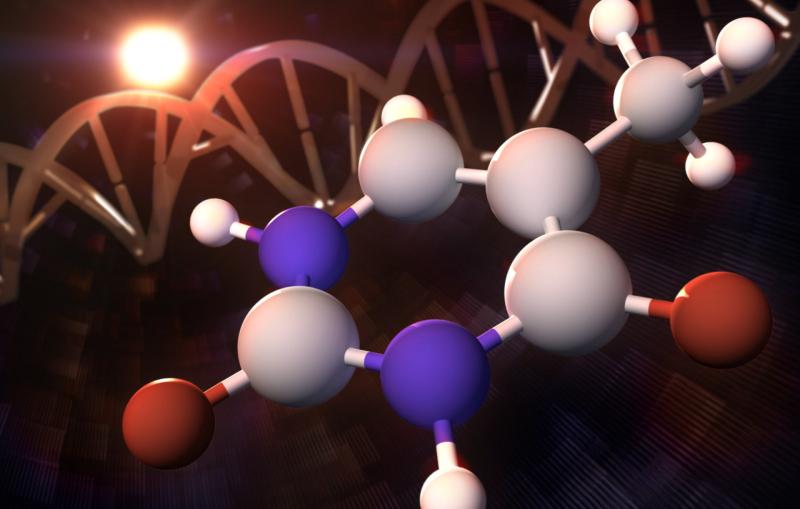
SLAC Research Reveals Rapid DNA Changes that Act as Molecular Sunscreen

Illustration showing a thymine molecule, DNA helix and the sun.
Illustration

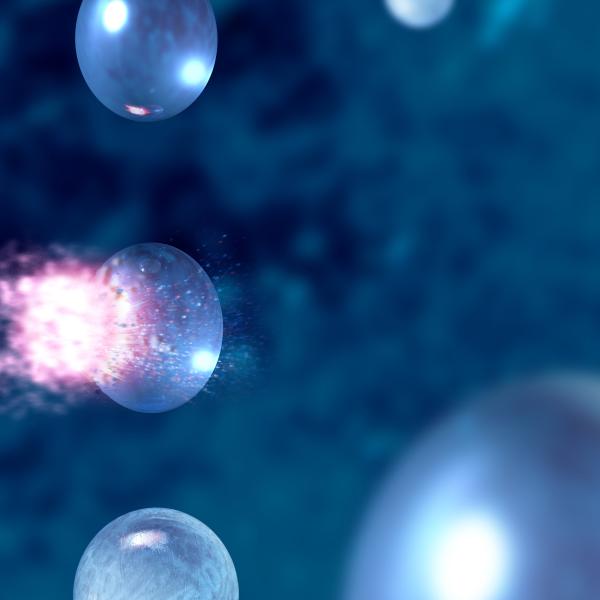
X-ray laser pulses probe water droplets like these to discover water’s hidden (and sometimes bizarre) properties. 

X-ray laser pulses probe water droplets like these to discover water’s hidden (and sometimes bizarre) properties.

News Release

Scientists at the Department of Energy's SLAC National Accelerator Laboratory have made the first structural observations of liquid water at temperatures down to minus...

Artist's concept - see caption
Video

Public lecture presented by Johanna Nelson Weker

stillframe public lecture x-rays reveal secret life of batteries
Video
Feature

The Department of Energy has awarded two Stanford scientists funding through the agency’s Early Career Research Program.

Feature

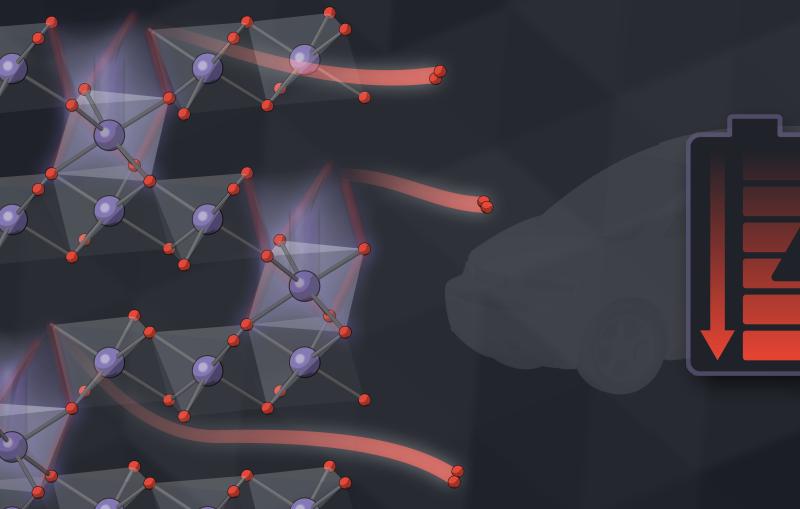
A new battery design harnesses waste heat in a four-step process: heating, charging, cooling and discharging.

Feature

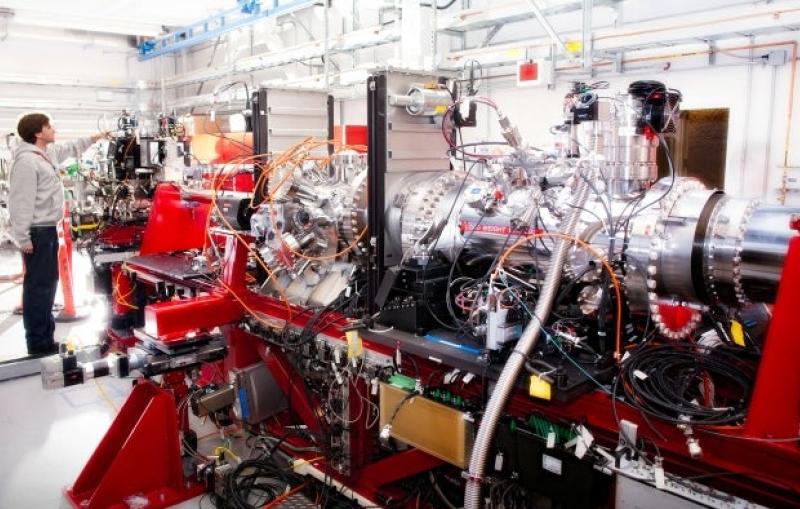
In a recent experiment at SLAC's Stanford Synchrotron Radiation Lightsource, scientists "tickled" atoms to explore the flow of heat and energy across materials at...

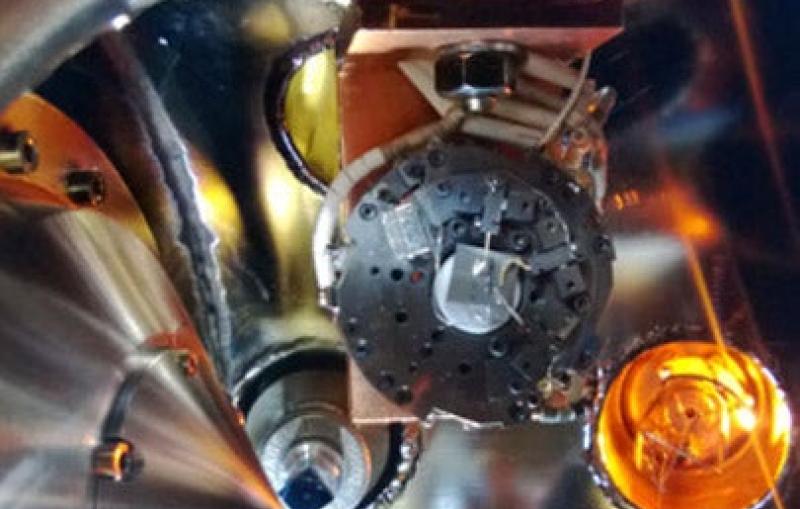
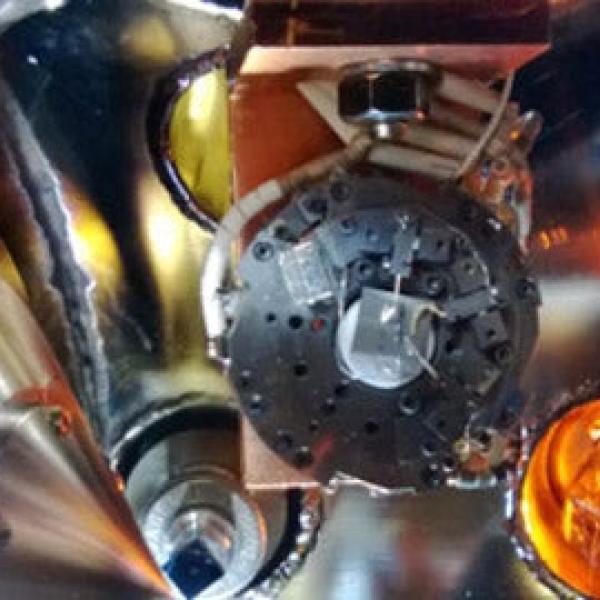
Photo - A view of a materials science experimental setup at SLAC's Stanford Synchrotron Radiation Lightsource (SSRL). The circular instrument that frames this photo is part of a diffractometer that was used to align samples and a detector with X-rays.