

SLAC topics

Energy sciences RSS feed

One of the most urgent challenges of our time is discovering how to generate the energy and products we need sustainably, without compromising the well-being of future generations by depleting limited resources or accelerating climate change. SLAC pursues this goal on many levels.

Browse tagged content

Studies of atomic-level processes
Feature

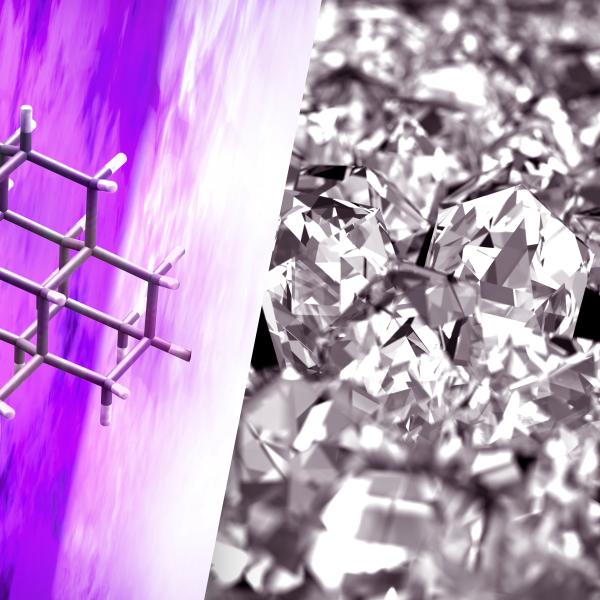
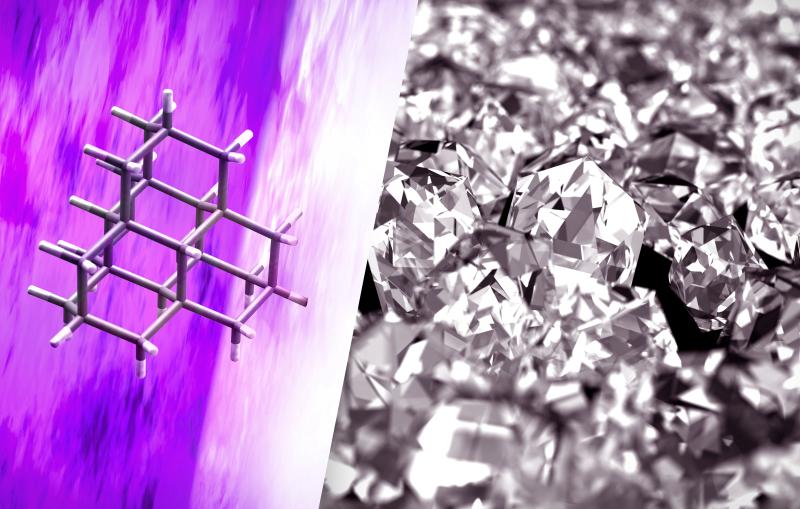
A SLAC-Stanford study reveals exactly what it takes for diamond to crystallize around a “seed” cluster of atoms. The results apply to industrial processes...

Illustration of diamondoid and diamond crystals
Illustration
Illustration of diamondoid and diamond crystals
Feature

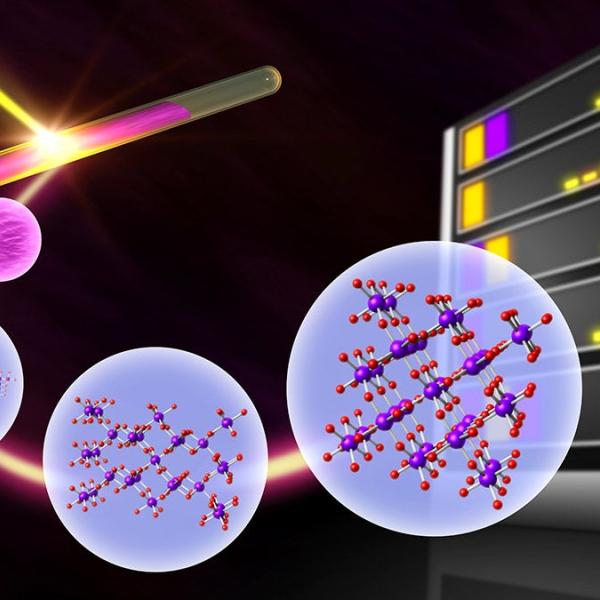
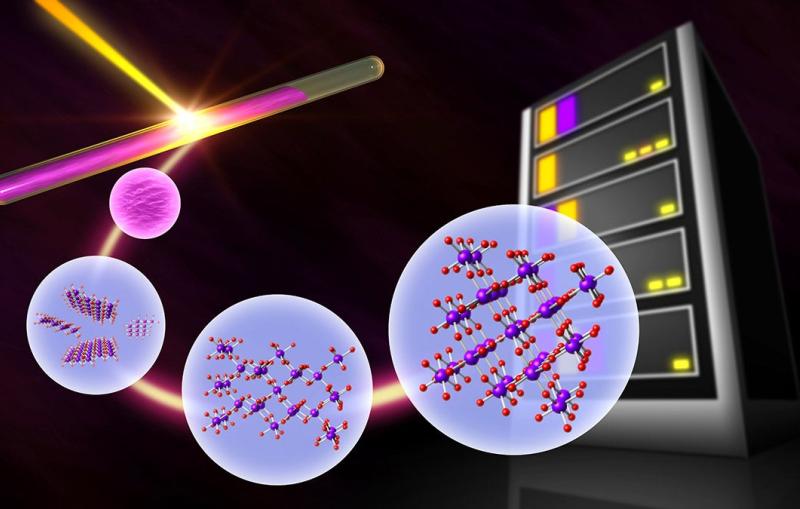
By observing changes in materials as they’re being synthesized, scientists hope to learn how they form and come up with recipes for making the...

Polymorph formation
Feature

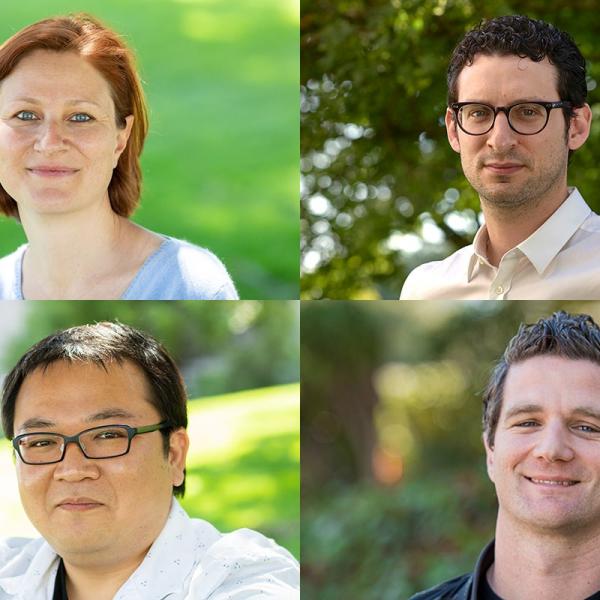
Tais Gorkhover, Michael Kagan, Kazuhiro Terao and Joshua Turner will each receive $2.5 million for research that studies fundamental particles, nanoscale objects, quantum materials...

Photos of SLAC's 2018 Early Career Award winners
Video

Public lecture presented by Sila Kiliccote

still frame public lecture may 2018
Video
Feature

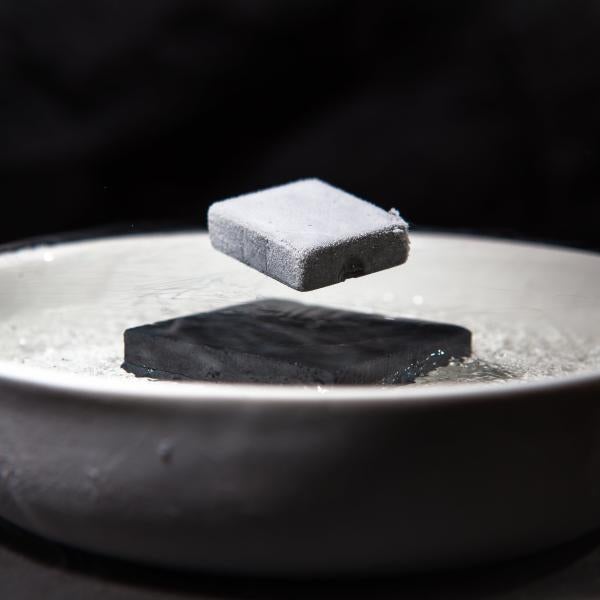
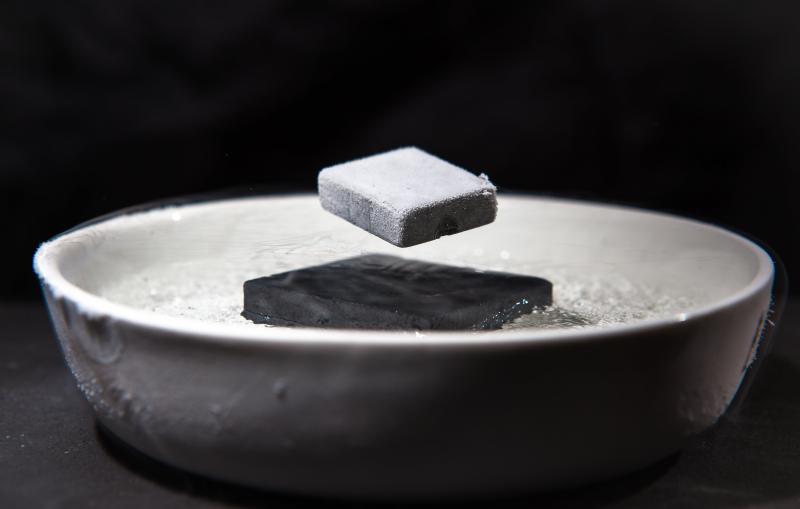
Understanding strontium titanate’s odd behavior will aid efforts to develop materials that conduct electricity with 100 percent efficiency at higher temperatures.

Image of magnet floating above a superconducting material
Feature

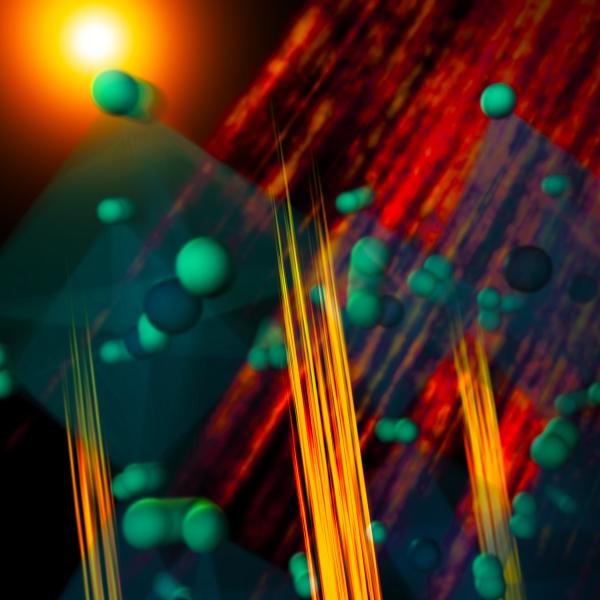
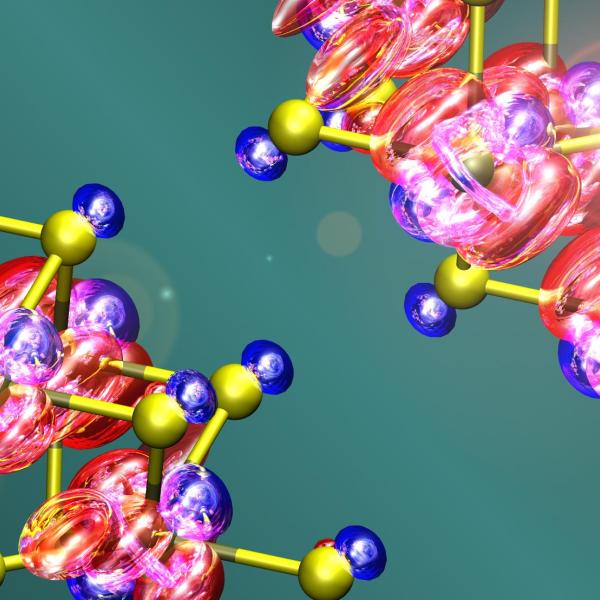
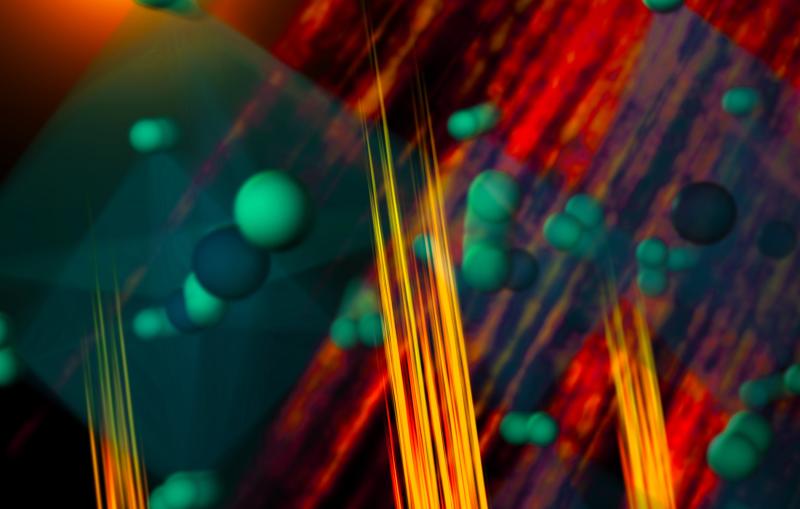
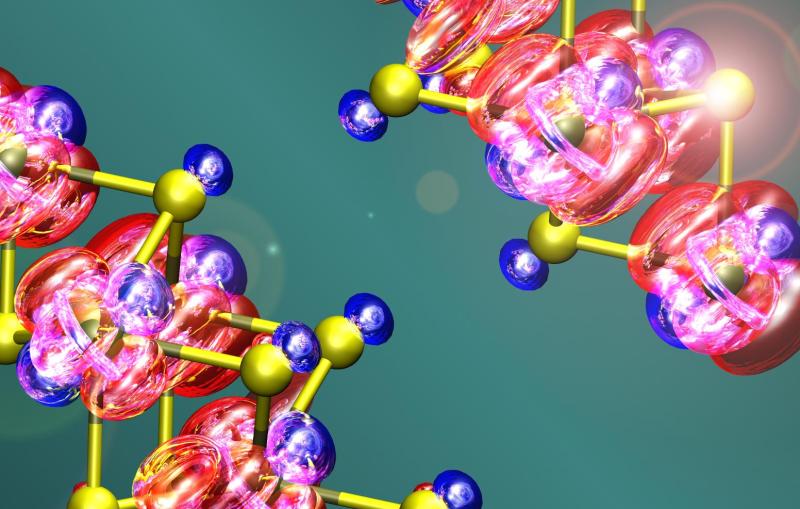
Research conducted at the atomic scale could help explain how electric currents move efficiently through hybrid perovskites, promising materials for solar cells.

Illustration of what happens when simulated sunlight hits perovskite
News Release

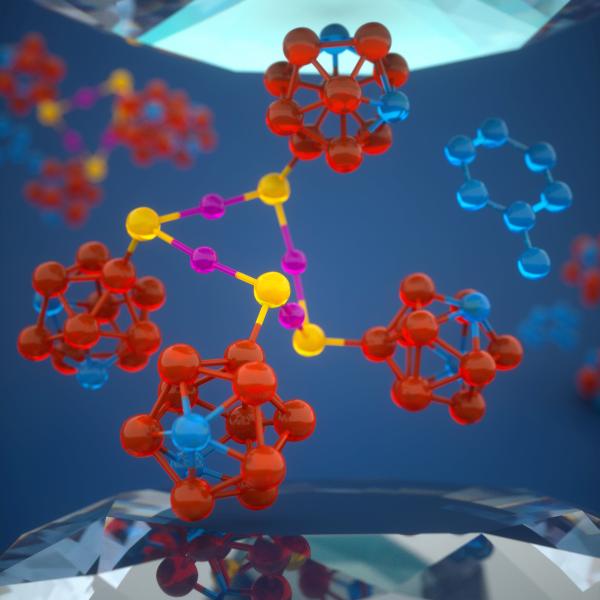
Experiments with 'molecular anvils' mark an important advance for mechanochemistry, which has the potential to make chemistry greener and more precise.

Illustration of soft molecules attached to molecular anvils between diamond tips
Feature

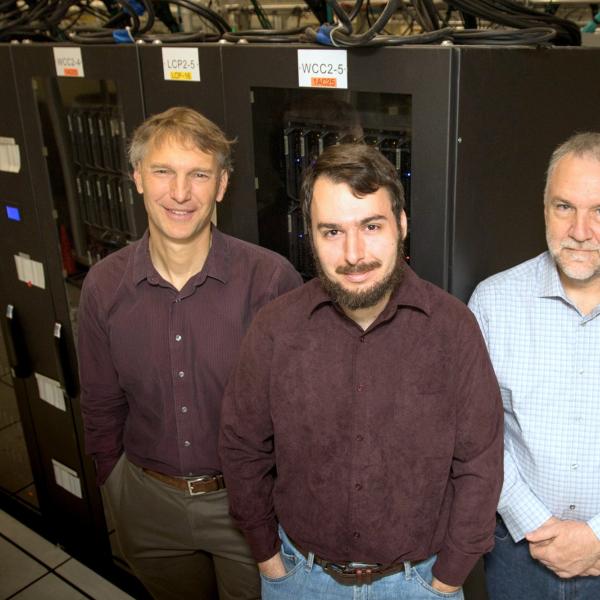
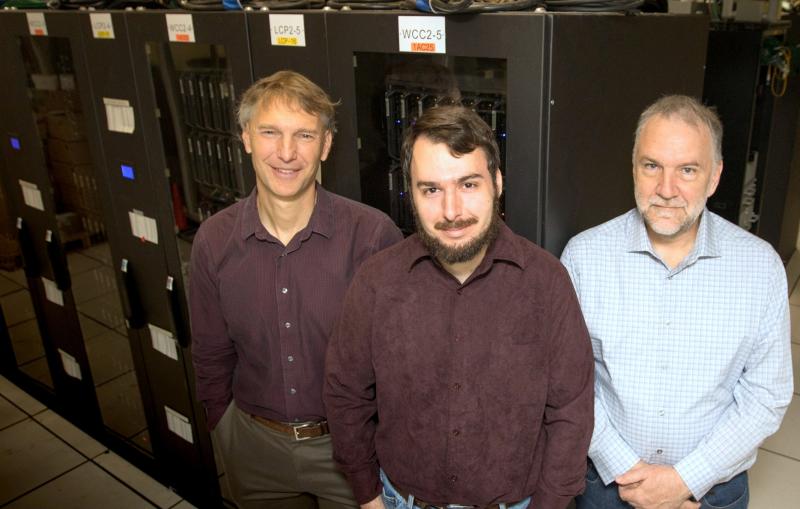
As members of the lab’s Computer Science Division, they develop the tools needed to handle ginormous data volumes produced by the next generation of...

SLAC Computer Science Team
Feature

In experiments with the lab’s ultrafast "electron camera," laser light hitting a material is almost completely converted into nuclear vibrations, which are key to...

UED Molybdenum Diselenide
Feature

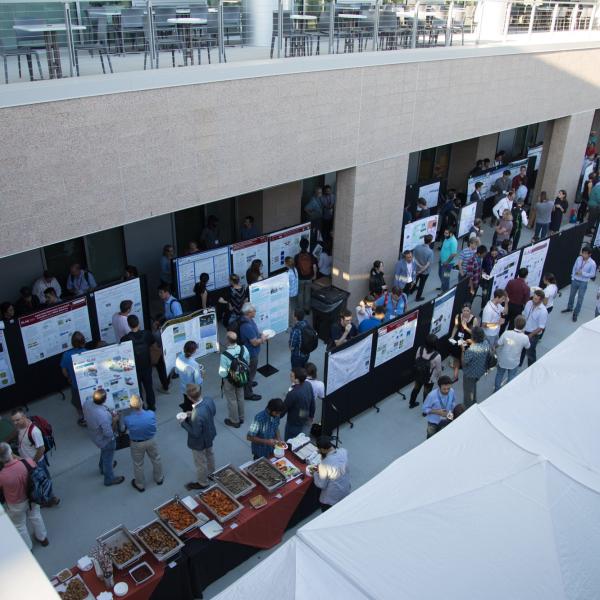
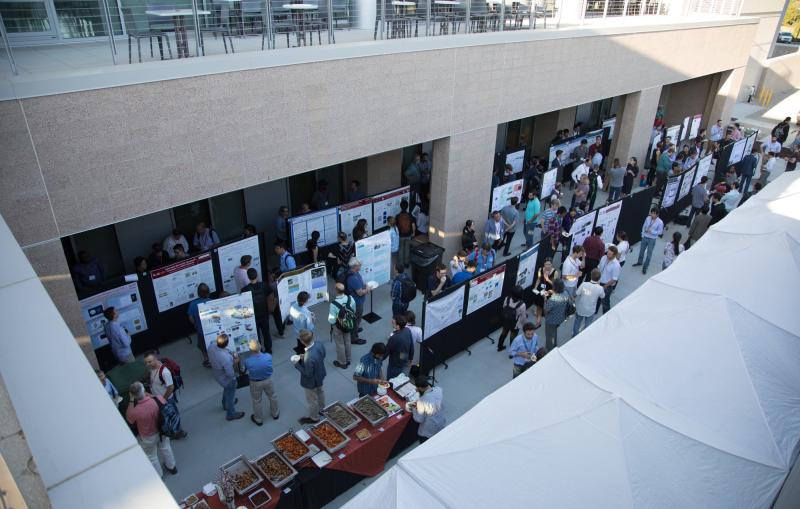
About 400 people attended the annual conference and workshops for scientists who conduct experiments at SLAC’s light sources.

Birds-eye view of the poster session
Photograph
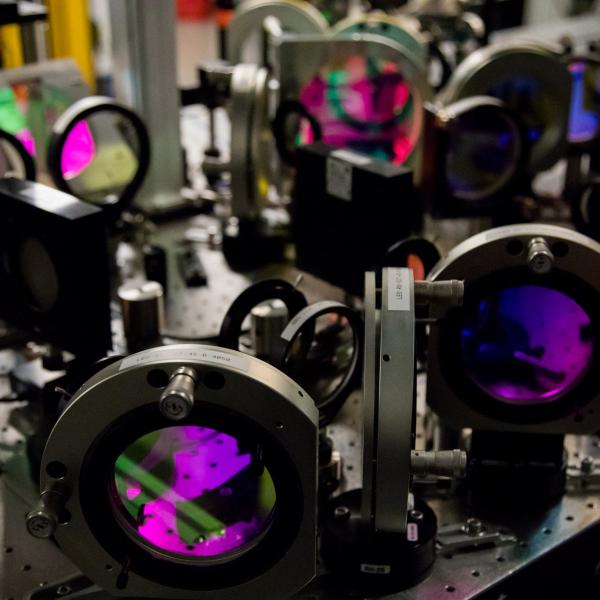
Highly reflective mirrors and telescope lenses in the Matter in Extreme Conditions (MEC) optical laser system are carefully positioned to...
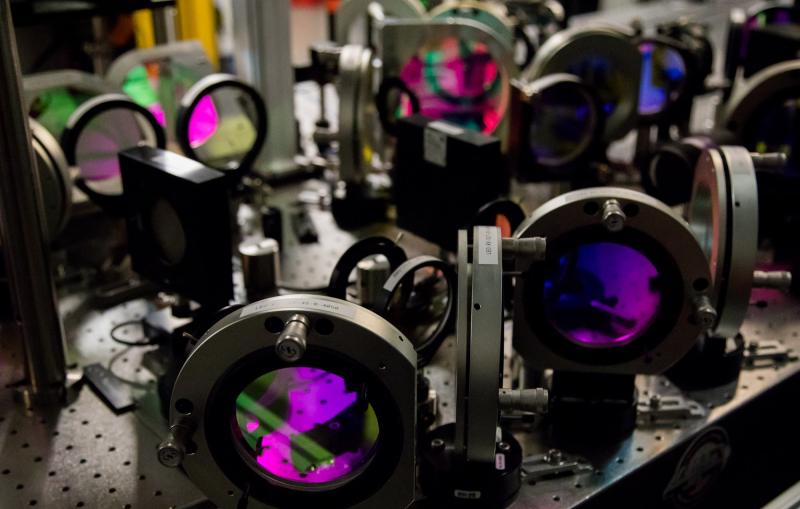
Highly reflective mirrors and telescope lenses in the Matter in Extreme Conditions optical laser system