
SLAC topics

Energy science RSS feed

 One of the most urgent challenges of our time is discovering how to generate the energy and products we need sustainably – in a way that doesn’t compromise the well-being of future generations by depleting limited resources or accelerating climate change.

Related Link: Energy sciences

Browse tagged content below

How electrons flow in the oxygen-evolving complex of Photosystem II.
Feature

The lab will help fund the work of researchers who use artificial intelligence and machine learning to make energy systems more sustainable, affordable, resilient...

Portrait of Yi Cui, director of the Precourt Institute at Stanford
Feature

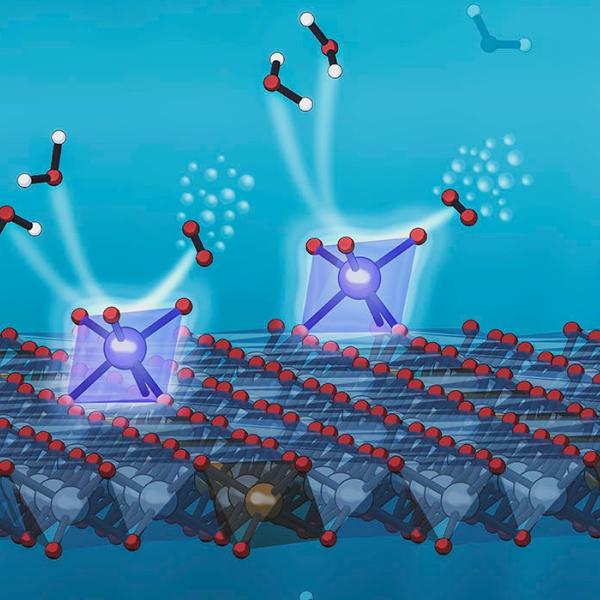
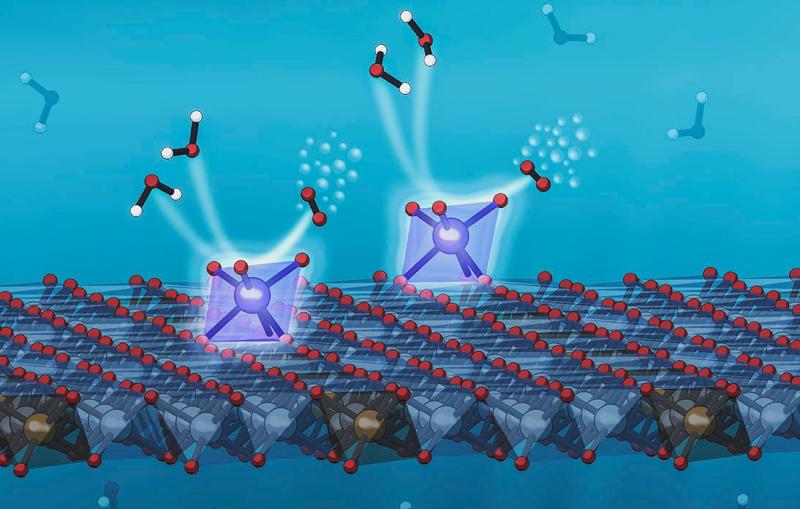
With a new suite of tools, scientists discovered exactly how tiny plate-like catalyst particles carry out a key step in that conversion – the...

Illustration of nanoscale catalyst particles.
Feature

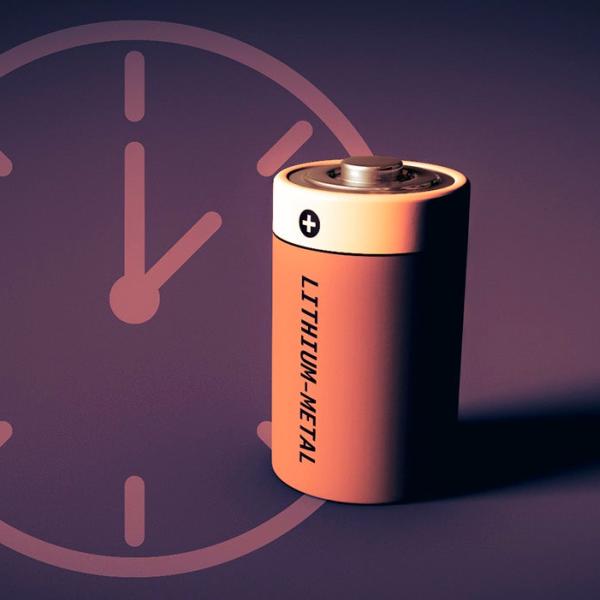
Scientists have documented a process that makes these next-gen batteries lose charge – and eventually some of their capacity for storing energy – even...

Feature

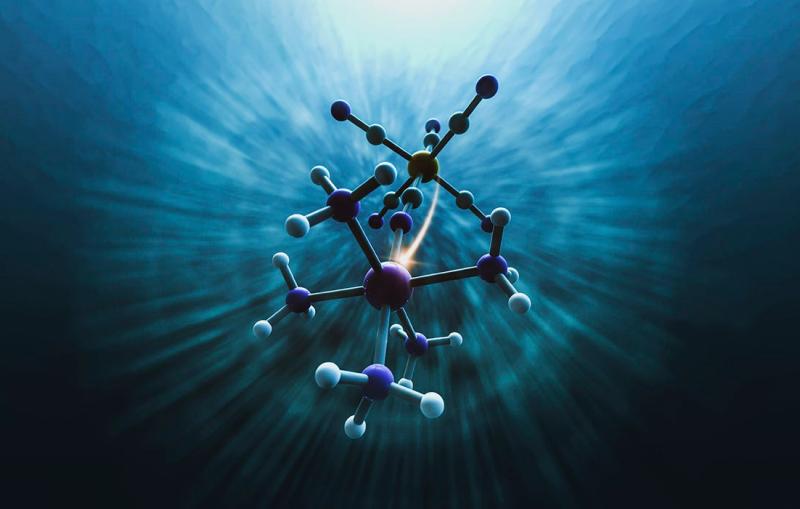
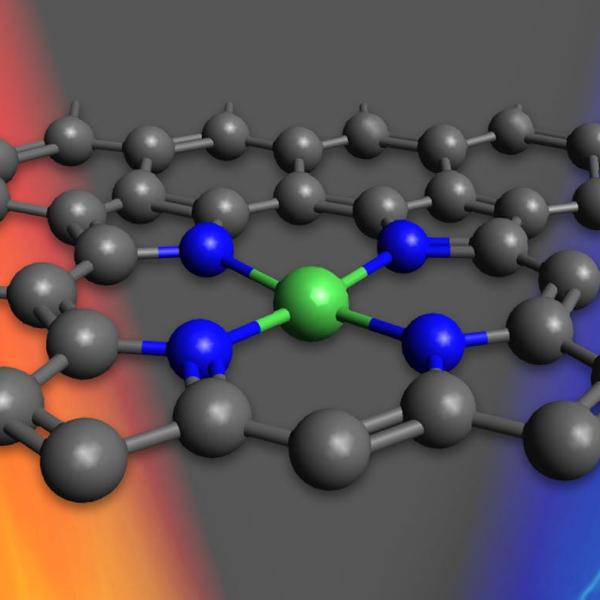
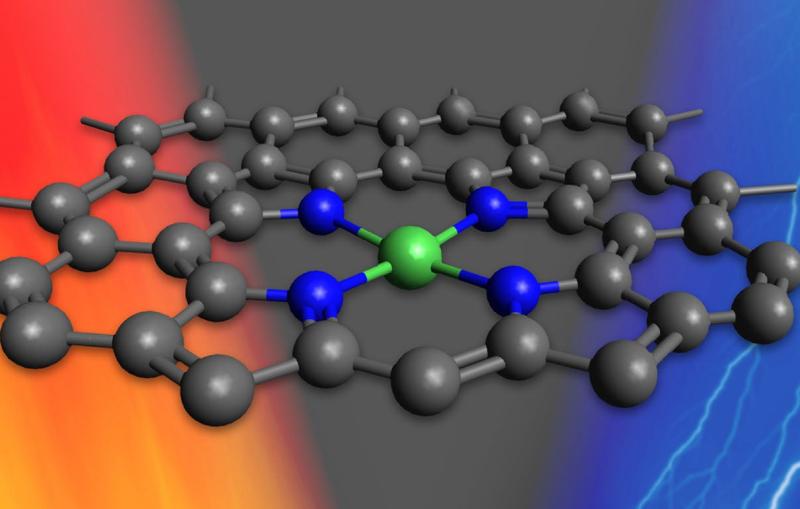
This new understanding could aid the development of more efficient clean energy sources.

electron transfer
Feature

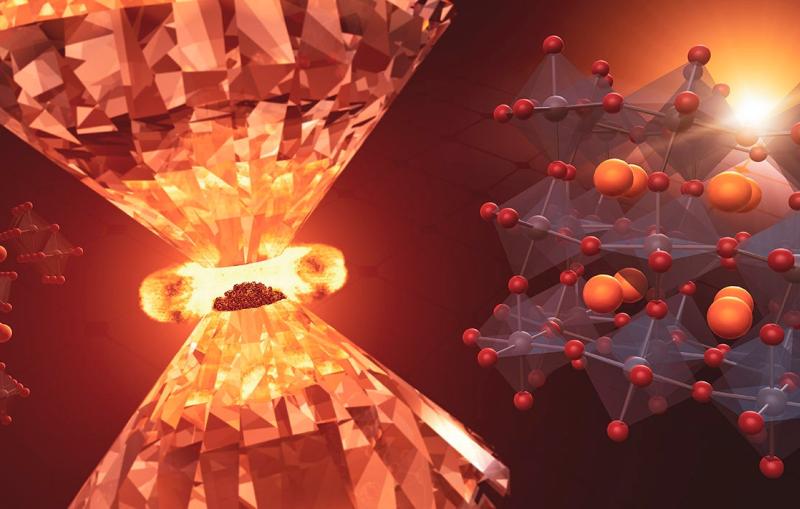
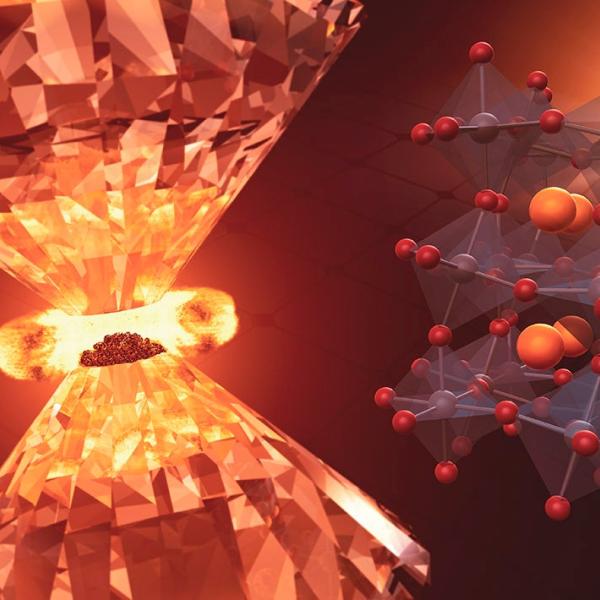
A promising lead halide perovskite is great at converting sunlight to electricity, but it breaks down at room temperature. Now scientists have discovered how...

Lead halide material being squeezed in a diamond anvil cell.
Feature

A pioneer in clean energy technology at Stanford and SLAC, he is one of eight scientists and engineers honored by the U.S. Department of...

Photo of Stanford and SLAC Professor Yi Cui
Feature

The surprising results offer a way to boost the activity and stability of catalysts for making hydrogen fuel from water.

Illustration showing a book with layers of atoms on its pages
Feature

These fleeting disruptions, seen for the first time in lead hybrid perovskites, may help explain why these materials are exceptionally good at turning sunlight...

An illustration shows polarons as bubbles of distortion in a perovskite lattice
Feature

The results of a new scientific study reveal how photosynthetic reaction centers adapt to make light-driven reactions more efficient.

photosynthesis header
News Release

Adding polymers and fireproofing to a battery’s current collectors makes it lighter, safer and about 20% more efficient.

Conceptual illustration of advantages of redesigned current collector.
Feature

The results show how a particle’s surface and interior influence each other, an important thing to know when developing more robust batteries.

Closeup of an illustration showing how battery cathode material degrades
Feature

The prestigious awards provide at least $2.5 million over five years in support of their work in understanding photochemical reactions and improving accelerator beams.

SLAC staff scientists Amy Cordones-Hahn and Brendan O'Shea