


SLAC topics

The early universe RSS feed

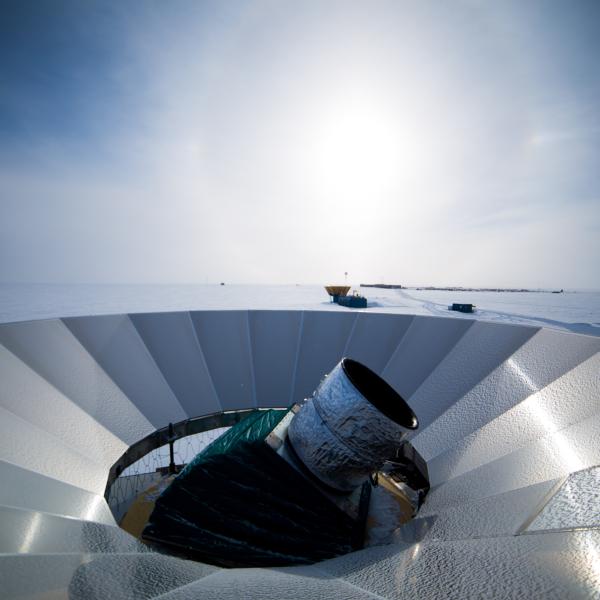
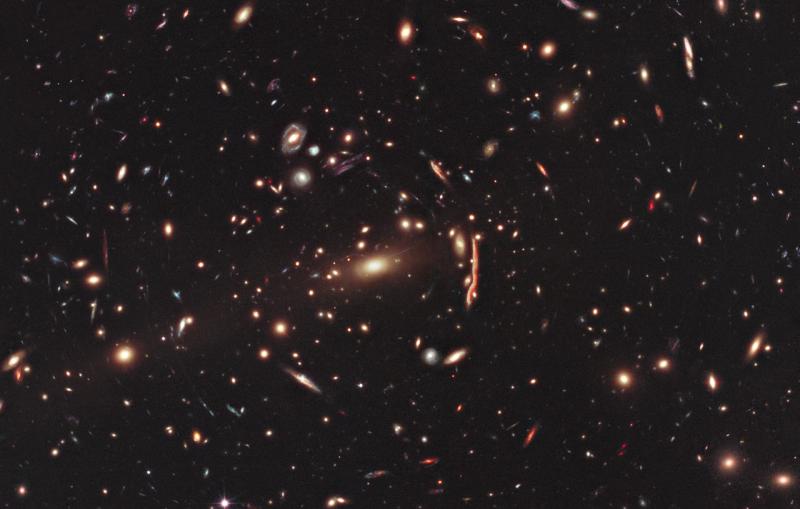
What happened in the first moments after the Big Bang 14 billion years ago? SLAC scientists are joining others to search the oldest observable light, the cosmic microwave background (CMB) for clues.

Related links: 
Physics of the Universe 
Astrophysics and cosmology

Browse tagged content
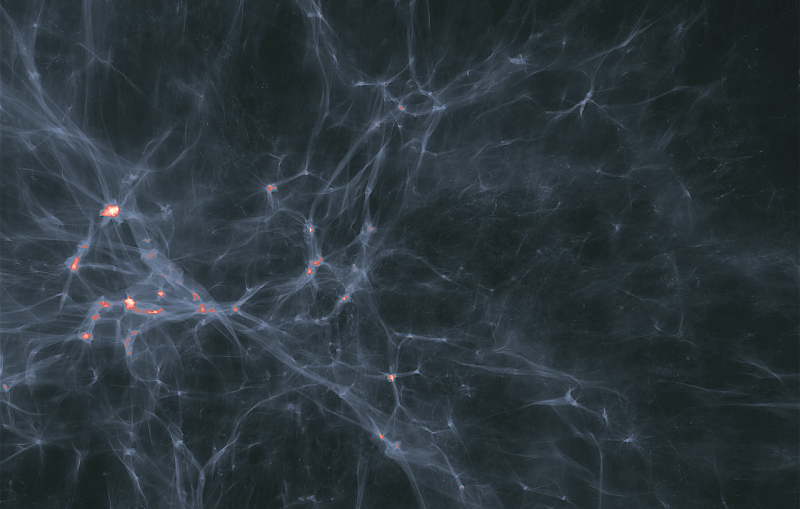
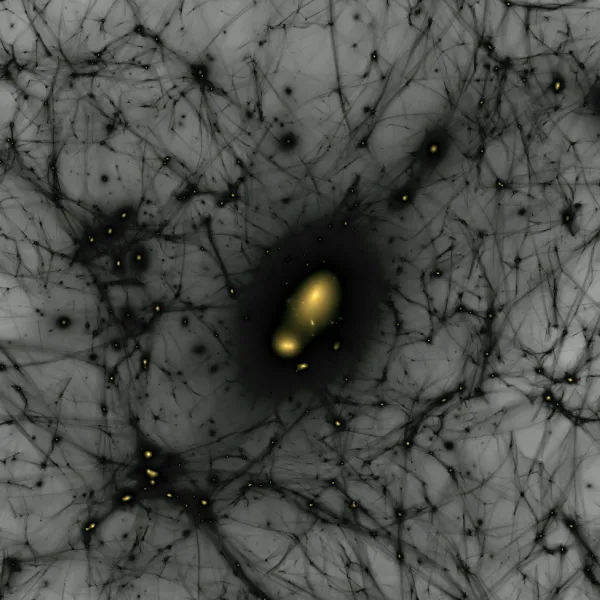
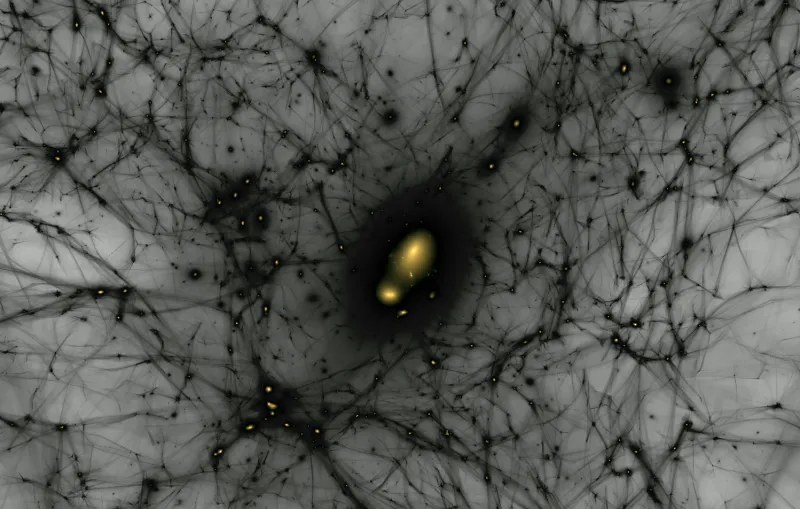
Simulation and visualization of the evolution of dark matter in the universe.
Feature

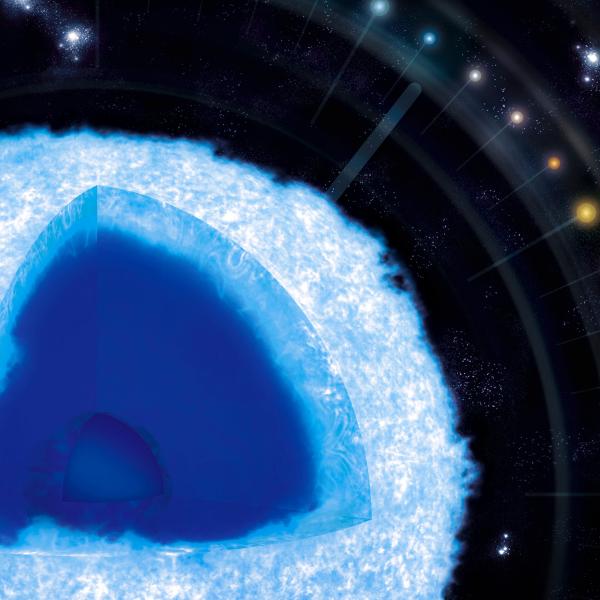
Researchers developed a way to measure the basic properties of matter at the highest pressures thus far achieved in a controlled laboratory experiment.

White dwarf
Feature

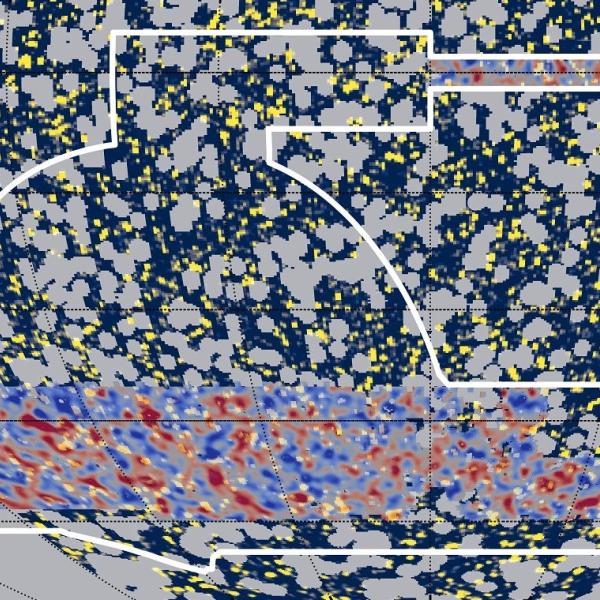
Matching up maps of matter and light from the Dark Energy Survey and Fermi Gamma-ray Space Telescope may help astrophysicists understand what causes a...

DES-Fermi
Feature
VIA Symmetry Magazine

Vera Rubin, giant of astronomy

The Large Synoptic Survey Telescope will be named for an influential astronomer who left the field better than she found it.

Vera Rubin
Feature

His work aims to deepen our understanding of dark matter, dark energy and other secrets of the universe.

Photo of Panofsky fellow Daniel Gruen
Feature

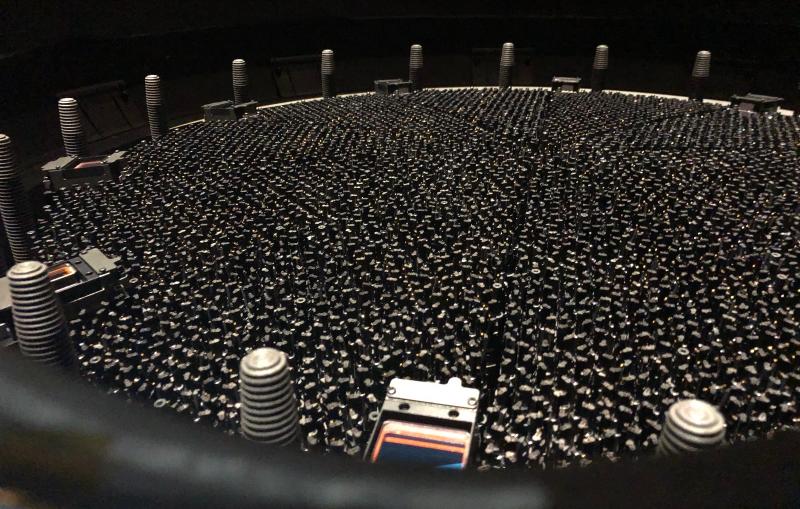
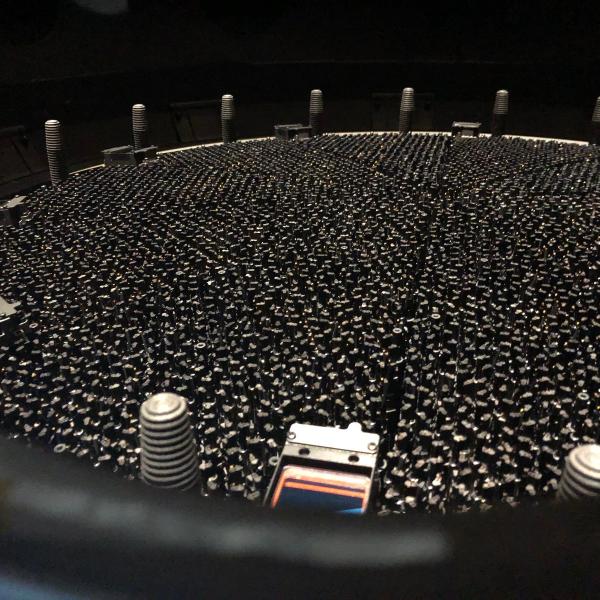
The Dark Energy Spectroscopic Instrument begins final testing, setting the stage for a 5-year survey that will analyze the light of 35 million galaxies.

DESI ‘eyes’
Feature

Scientists are designing a next-generation experiment to map the Big Bang’s relic afterglow.

Feature

A SLAC/Stanford study of the population of satellite galaxies orbiting the Milky Way provides new clues about the particle nature of dark matter.

Dark matter simulation
Feature

Four large meshes made from 2 miles of metal wire will extract potential signals of dark matter particles.

LZ Grids Weaving
Feature

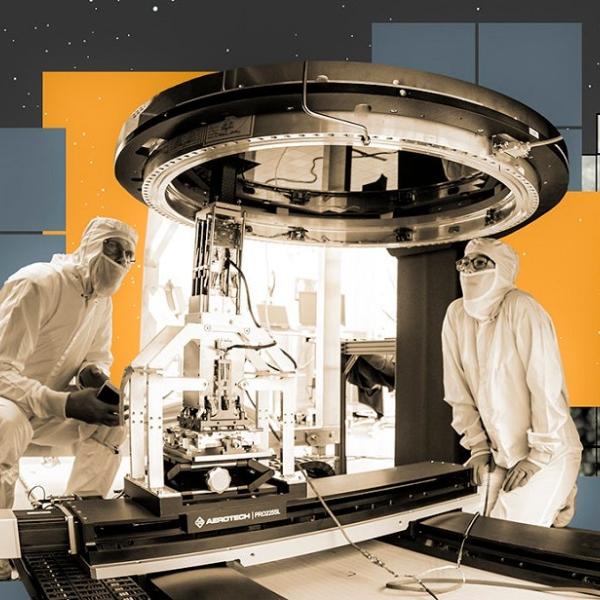
SLAC completed its work on ComCam, a commissioning device to be installed in Chile later this year.

LSST-ComCam
Feature

Building the Large Synoptic Survey Telescope also means solving extraordinary technological challenges.

LSST camera engineering
Feature
VIA Symmetry Magazine

An astronomical data challenge

The Large Synoptic Survey Telescope will track billions of objects for 10 years, creating unprecedented opportunities for studies of cosmic mysteries.

LSST data management.
Feature

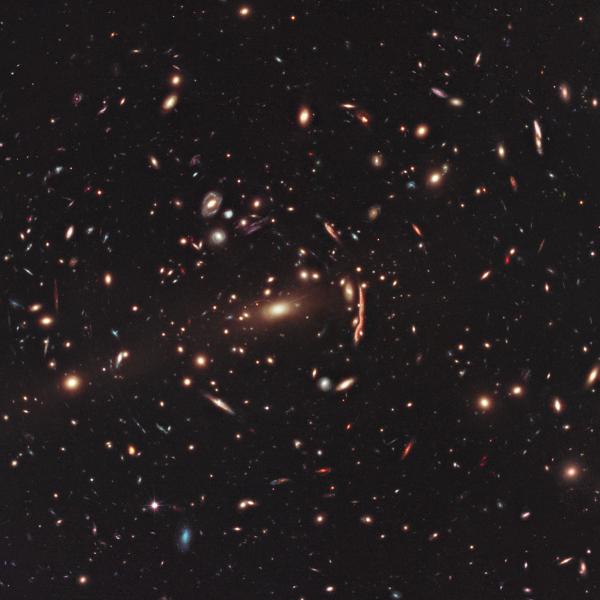
Scientists, including researchers at SLAC, have only just begun to study the remarkably detailed map they created of a portion of the sky.

DES End of Observations