SLAC topics

Dark Energy Survey (DES) RSS feed

DES studies dark energy through its impact on the abundance of galaxy clusters, gravitational lensing, supernovae and detections of large-scale correlations between galaxies. 
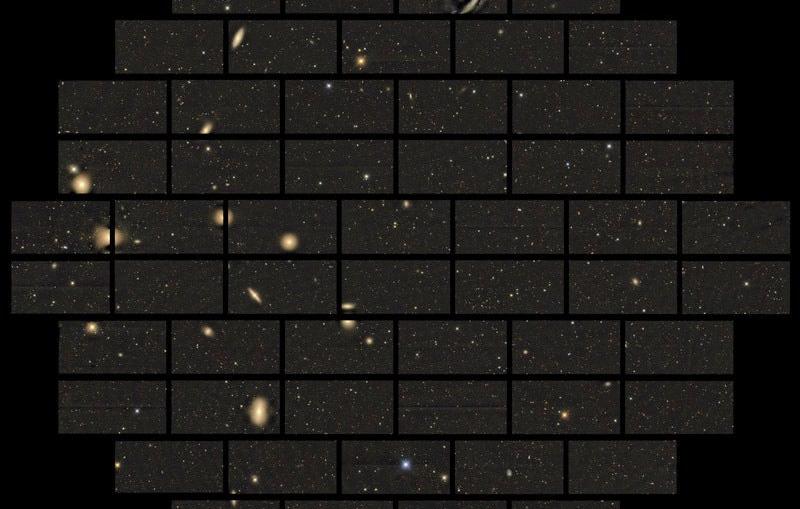
DECam Images
Feature

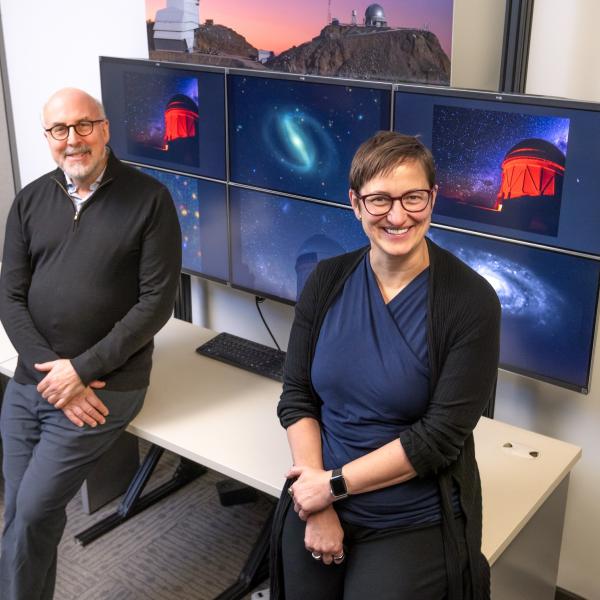
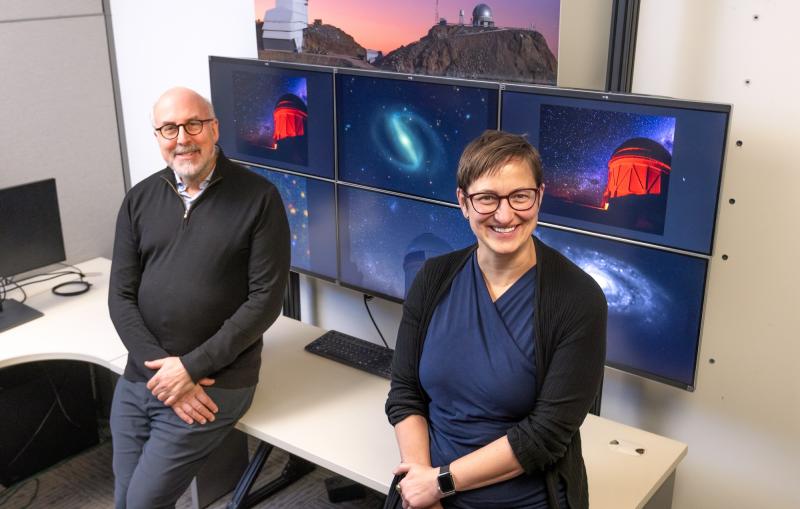
Cosmologists Josh Frieman and Risa Wechsler look back on the Dark Energy Survey, sharing how it’s paving the way for Rubin Observatory to dig...

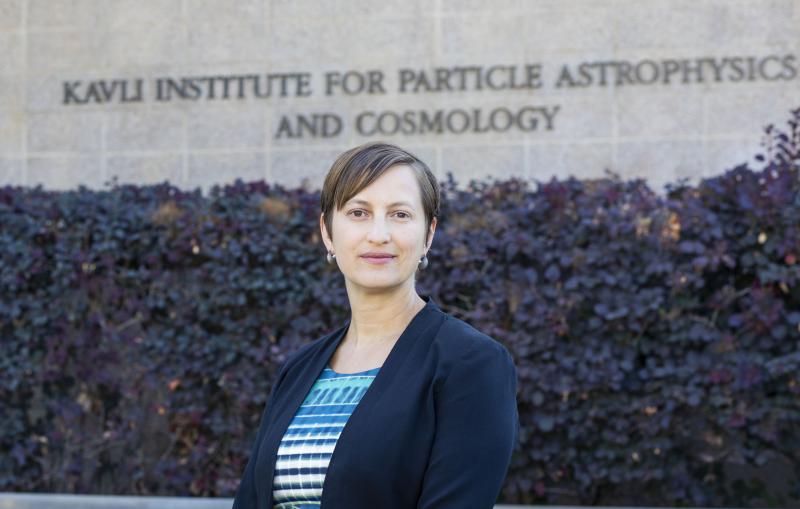
Josh Frieman and Risa Wechsler
News Brief

The latest results combined weak lensing and galaxy clustering and incorporated four dark energy probes from a single experiment for the first time.

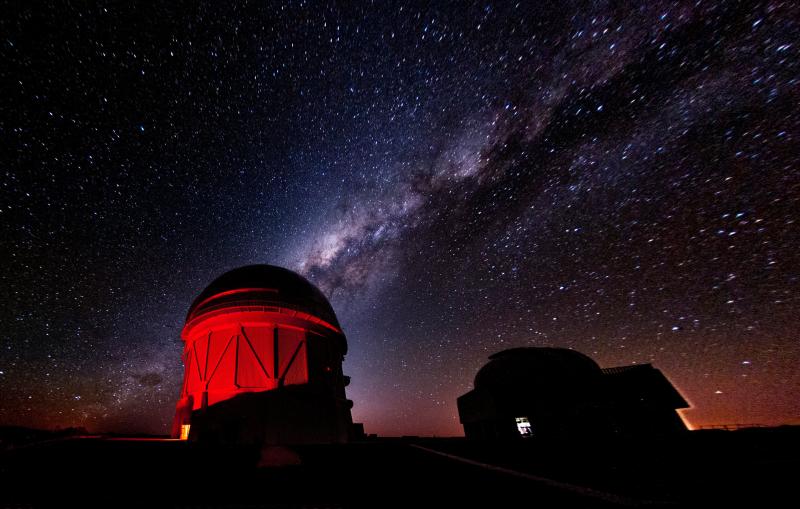
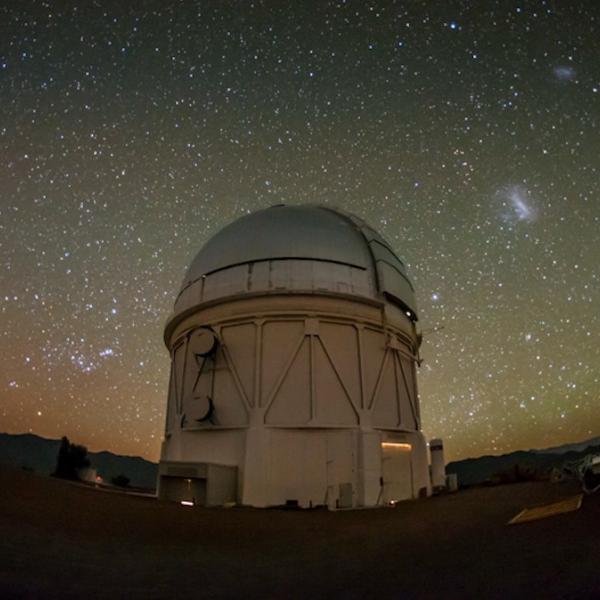
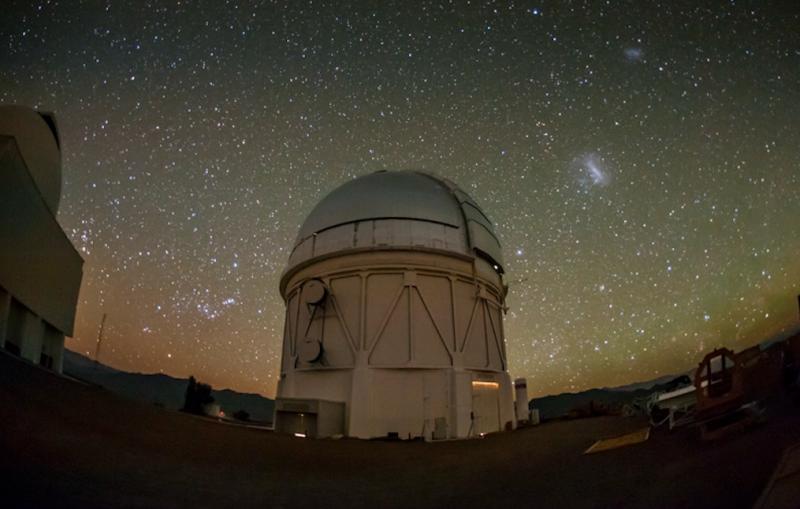
Photo of the Cerro Tololo Inter-American Observatory (CTIO) in the Chilean Andes at night.
News Brief

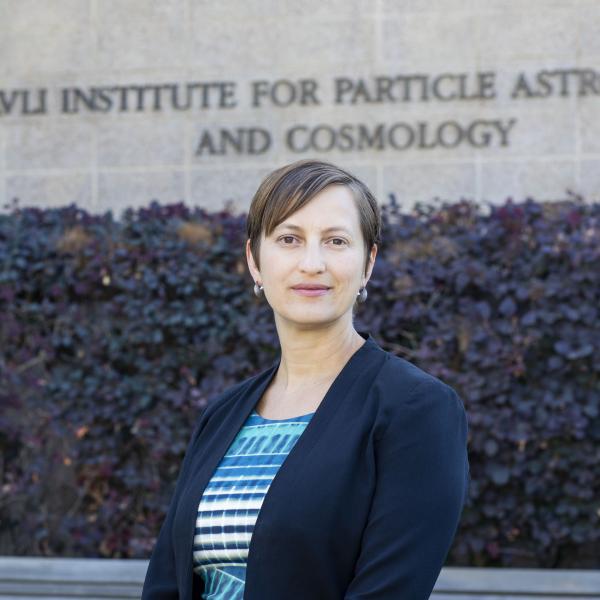
Wechsler is one of seven Stanford researchers to join the scholarly society, which works to promote science for public good.

Risa Wechsler
Feature

The long and continuing quest to understand dark energy has entered exciting new territory.

An illustration of a telescope with verdant trees on one side and a person raking leaves on the other.
Past Event

Presented by Justin Myles. As the universe expanded from the Big Bang, regions where the density of matter was higher than average grew into...

illustration of a tug of war in the universe
Public Lecture Poster
Public Lecture poster: picture of the universe
Feature

From the invisible world of elementary particles to the mysteries of the cosmos, recipients of this prestigious award for early career scientists explore nature...

Panofsky fellows
Feature

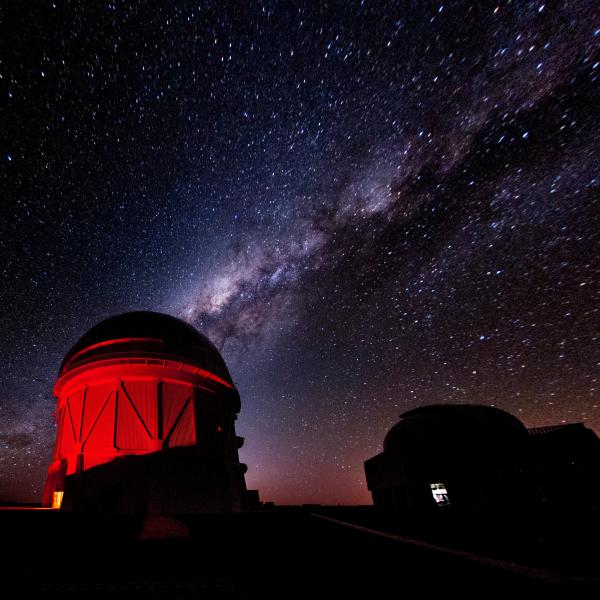
An analysis of the first three years of Dark Energy Survey data is consistent with predictions from the current best model of the universe...

An observatory bathed in red light against a starry night sky
Feature

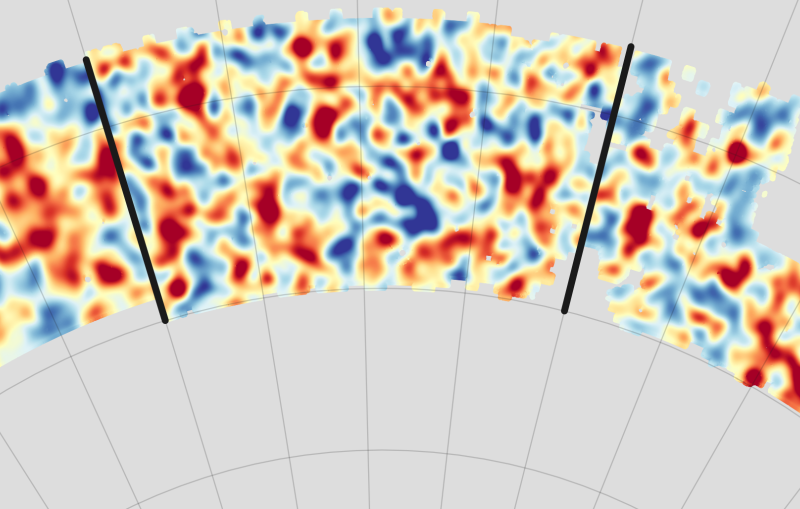
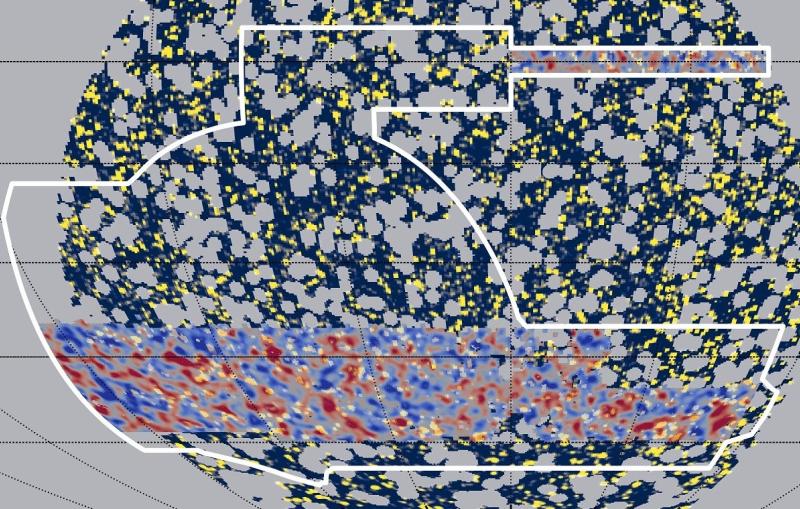
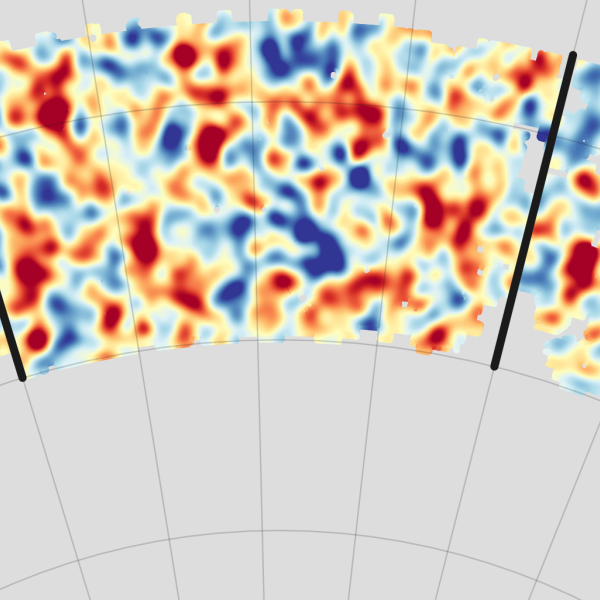
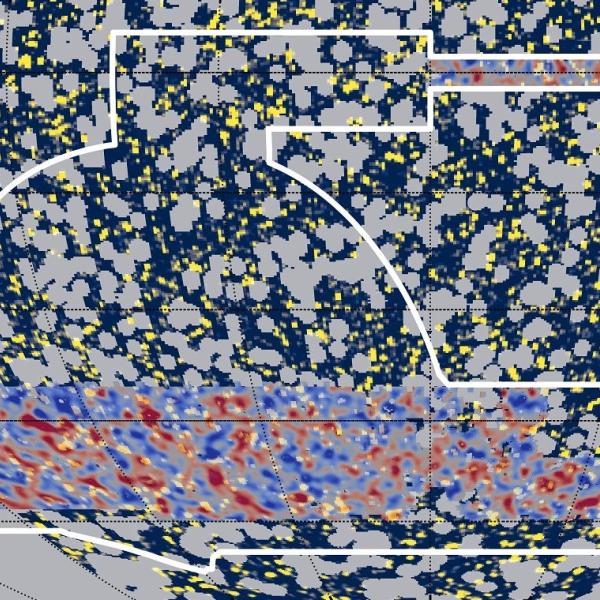
For the first time, DES scientists can combine measurements of the distribution of matter, galaxies, and galaxy clusters to advance our understanding of dark...

A map of the sky showing the density of galaxy clusters, galaxies and matter
Feature

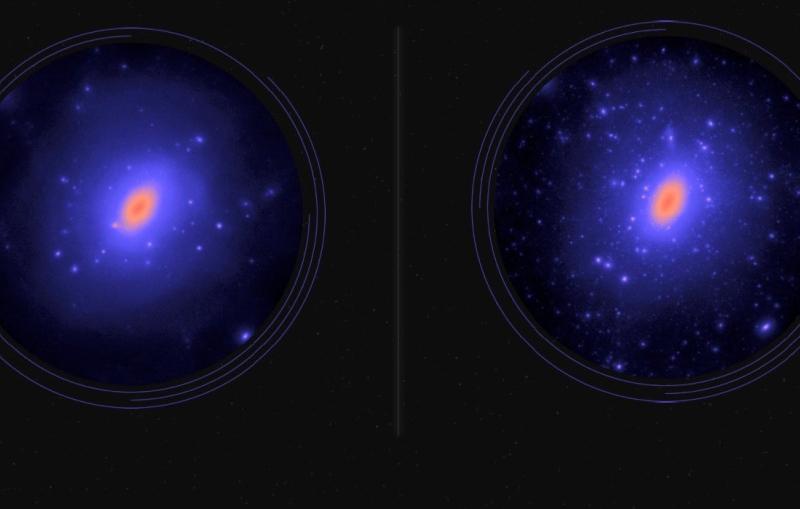
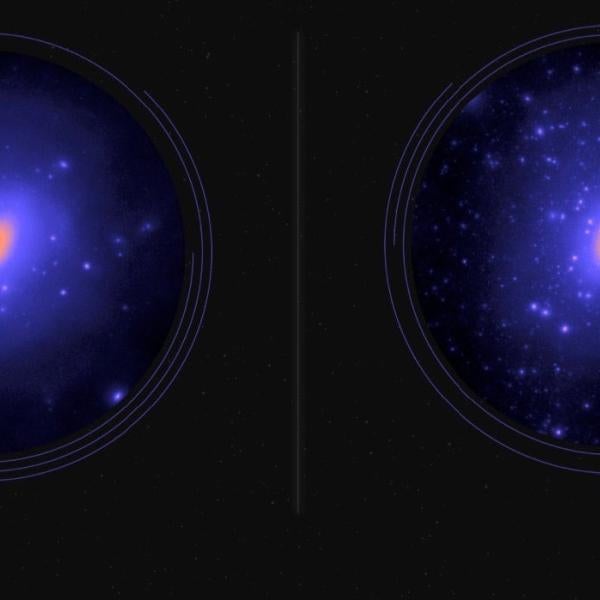
Observations of dwarf galaxies around the Milky Way have yielded simultaneous constraints on three popular theories of dark matter.

simulations of distribution of dark matter around a galaxy
Feature

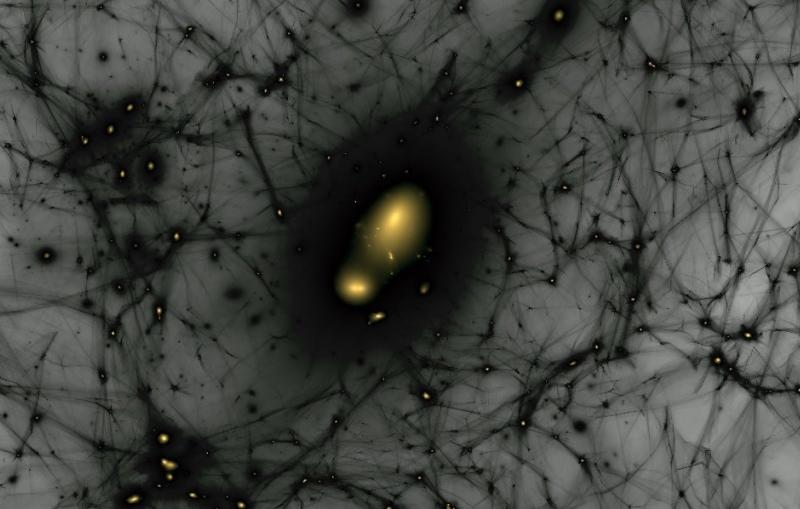
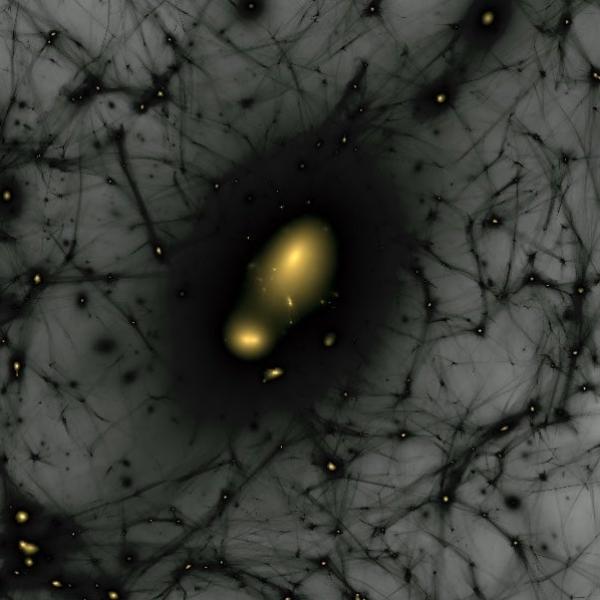
Just like we orbit the sun and the moon orbits us, the Milky Way has satellite galaxies with their own satellites. Drawing from data...

Dark matter forms into clumps, where galaxies and satellite galaxies form.
Feature

Matching up maps of matter and light from the Dark Energy Survey and Fermi Gamma-ray Space Telescope may help astrophysicists understand what causes a...

DES-Fermi