DES studies dark energy through its impact on the abundance of galaxy clusters, gravitational lensing, supernovae and detections of large-scale correlations between galaxies.
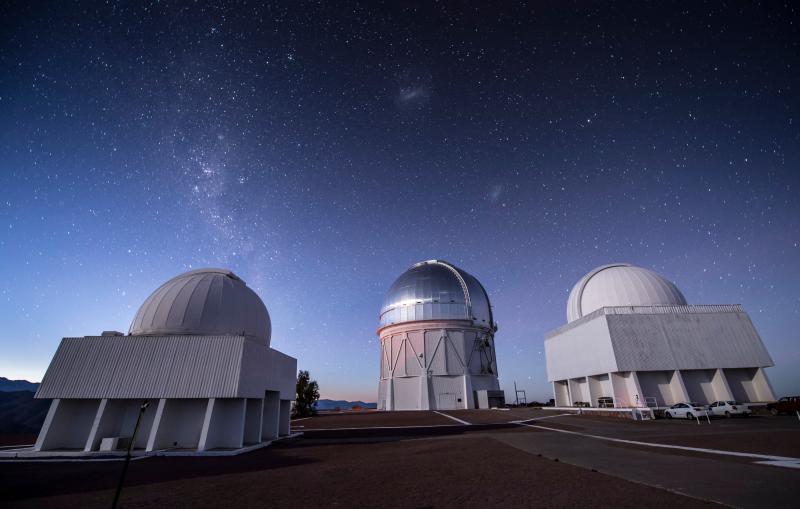
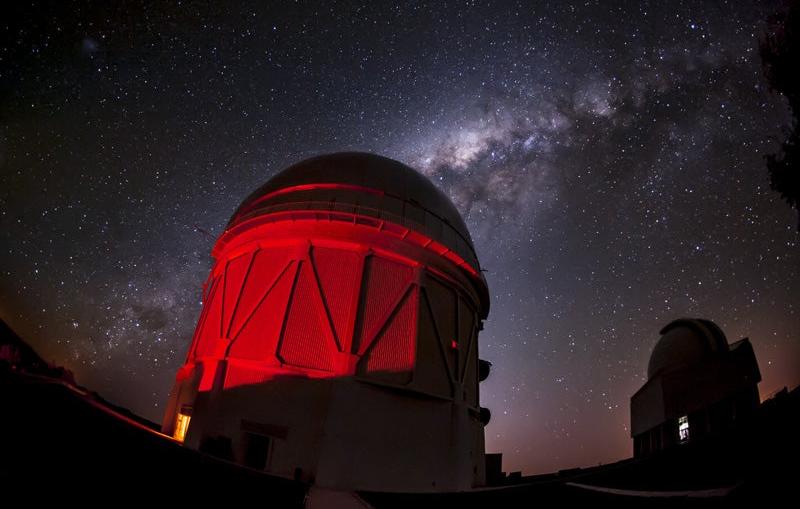
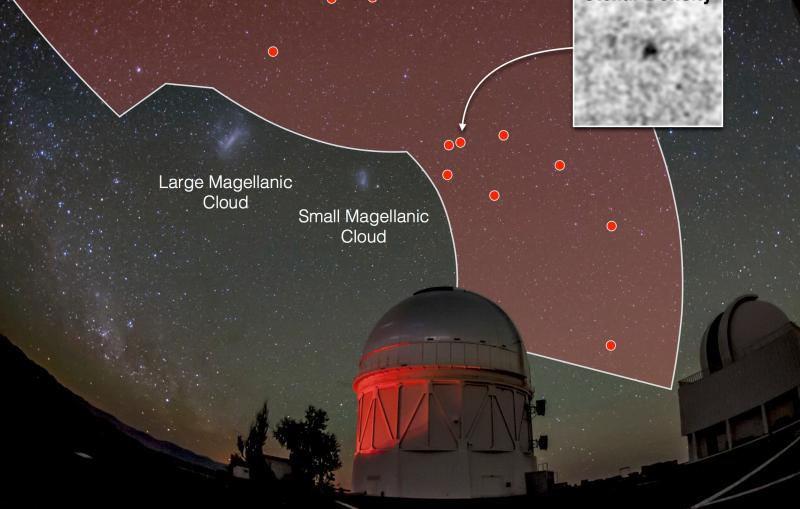
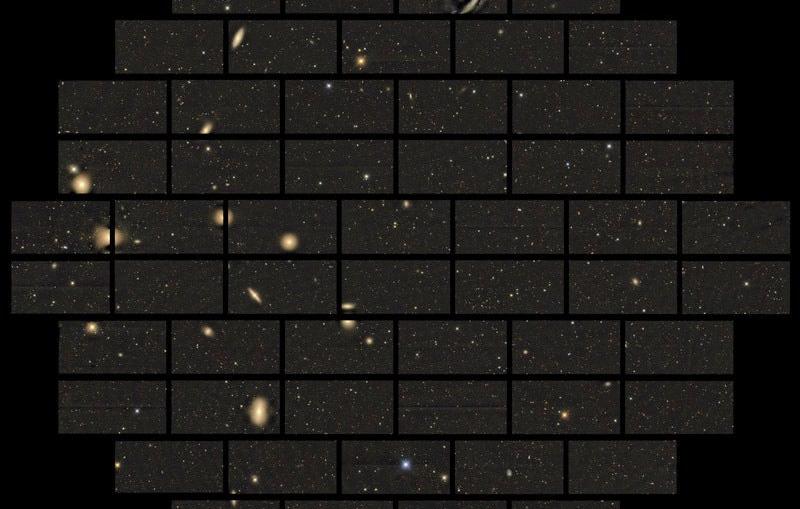
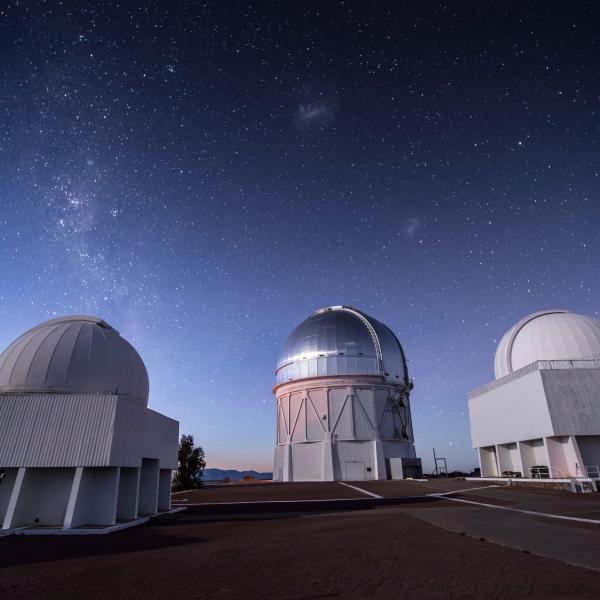
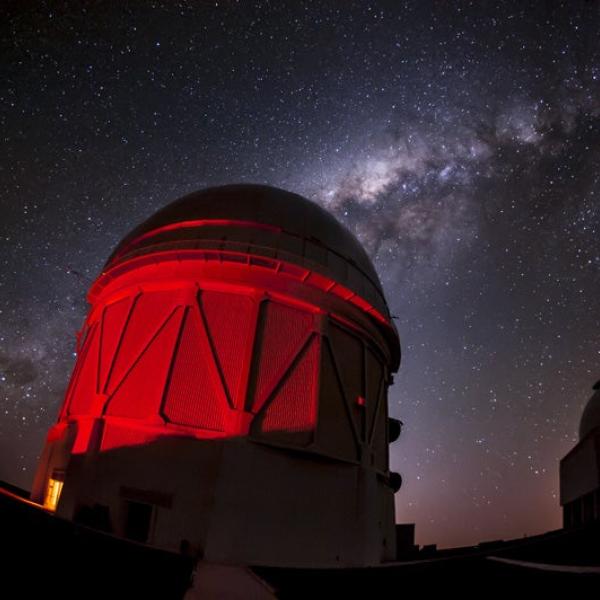
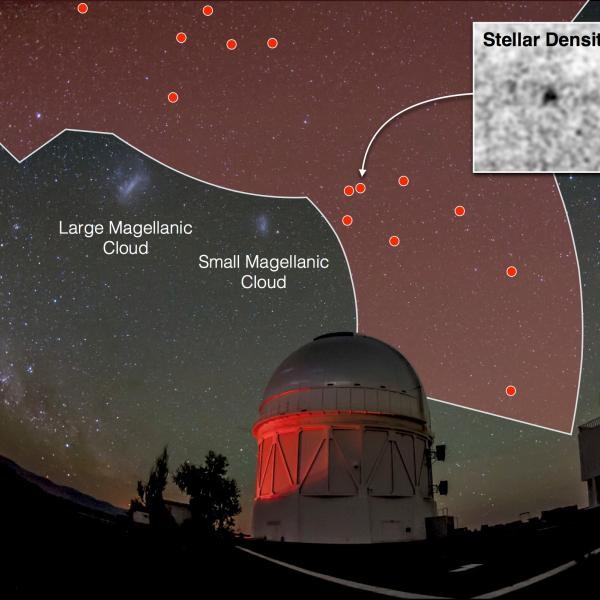
Image from the Dark Energy Camera (DECam), which is mounted on the Victor M. Blanco 4-meter Telescope at the Cerro Tololo Inter-American Observatory (CTIO) in the Chilean Andes.
(Dark Energy Survey Collaboration)
SLAC and Stanford astrophysicists made crucial contributions to the galaxy survey, showing that the universe clumps and expands as predicted by our best cosmological...
Scientists on the Dark Energy Survey, using one of the world’s most powerful digital cameras, have discovered eight more faint celestial objects hovering near...
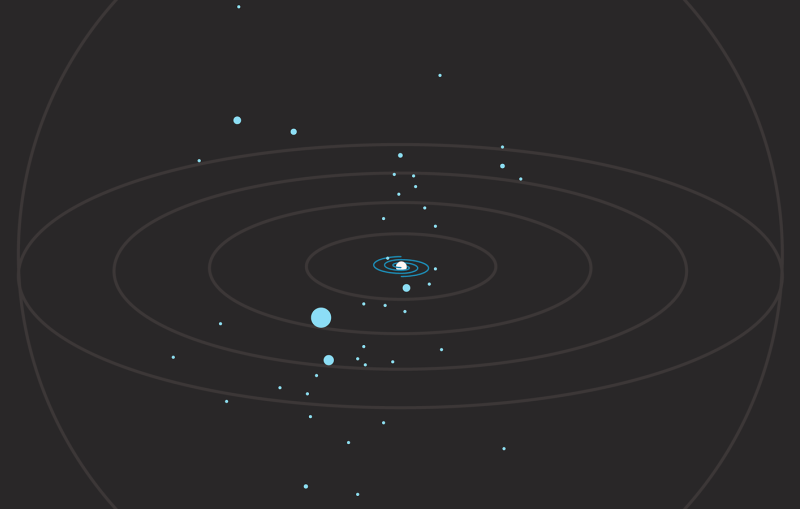
A batch of newly discovered satellite dwarf galaxies orbiting the Milky Way should help scientists better grasp the evolution of the universe while also...
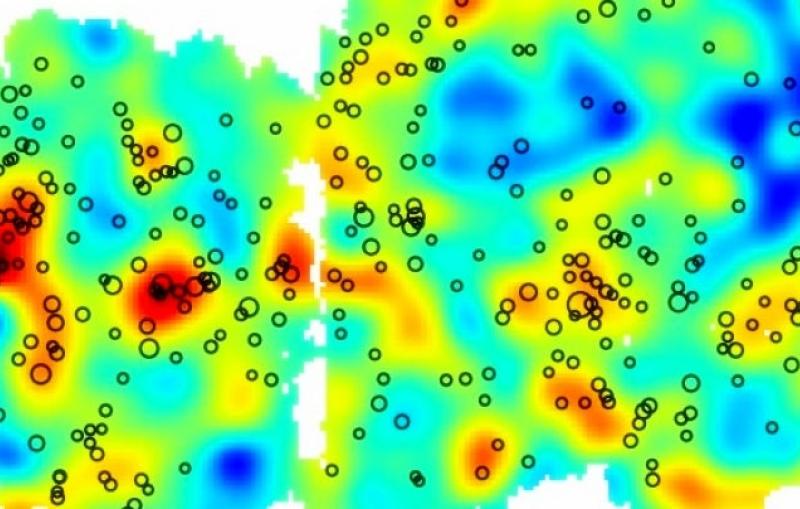
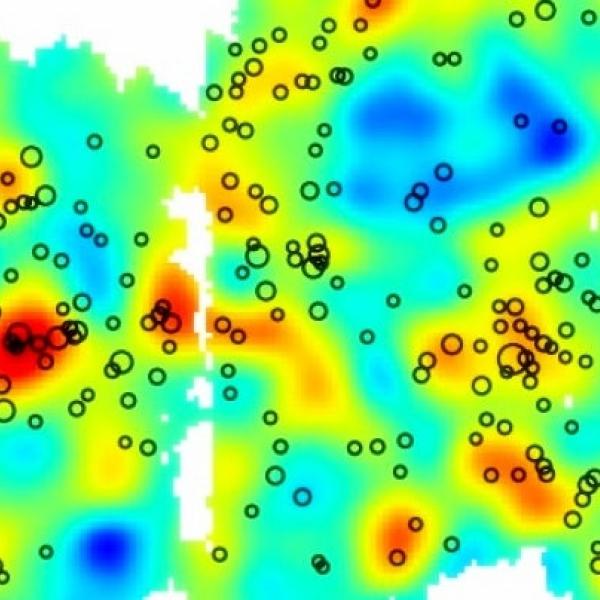
Dark Energy Survey scientists have released a detailed map of dark matter – crucial information for a better understanding of galaxy formation and dark...
SLAC and Stanford astrophysicists made crucial contributions to the galaxy survey, showing that the universe clumps and expands as predicted by our best cosmological models.
Scientists on the Dark Energy Survey, using one of the world’s most powerful digital cameras, have discovered eight more faint celestial objects hovering near our Milky Way galaxy.
A batch of newly discovered satellite dwarf galaxies orbiting the Milky Way should help scientists better grasp the evolution of the universe while also honing in on dark matter's identity.
Dark Energy Survey scientists have released a detailed map of dark matter – crucial information for a better understanding of galaxy formation and dark energy.