SLAC topics

Computer science RSS feed

To address challenges associated with extremely large data volumes and rates, SLAC’s Computer science division works with Stanford and Silicon Valley partners on innovative computational solutions.

Related link: New Technologies

Browse tagged content below

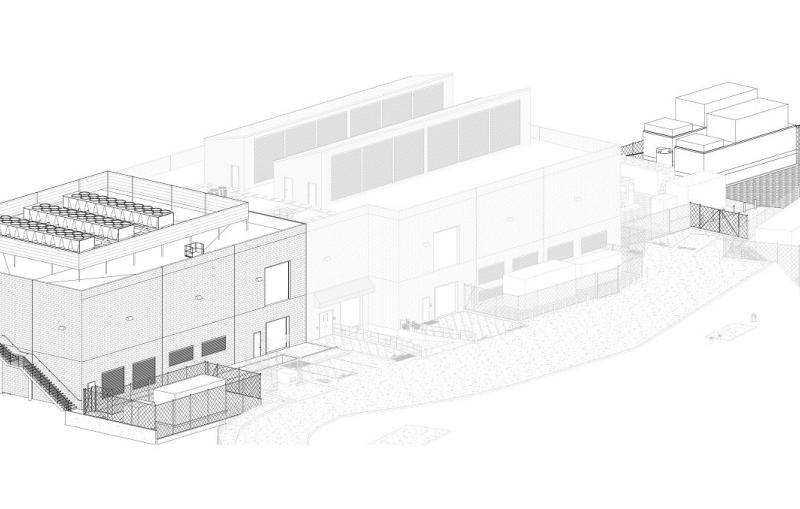
SRCF-II construction
Feature

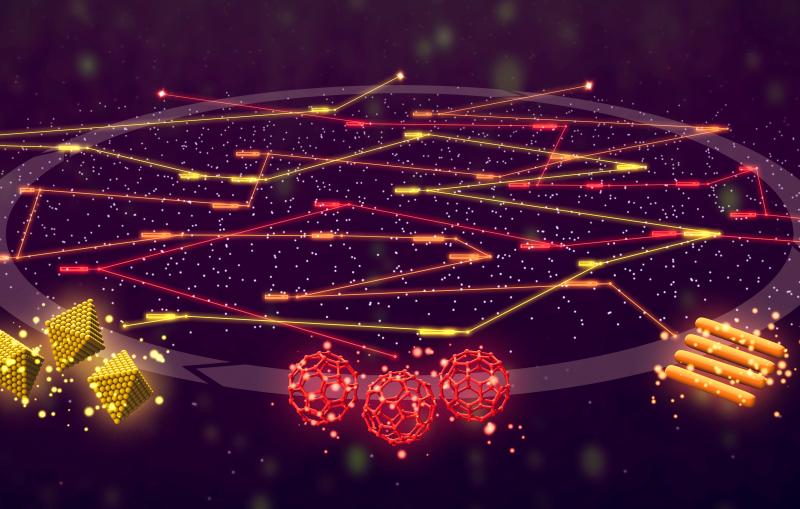
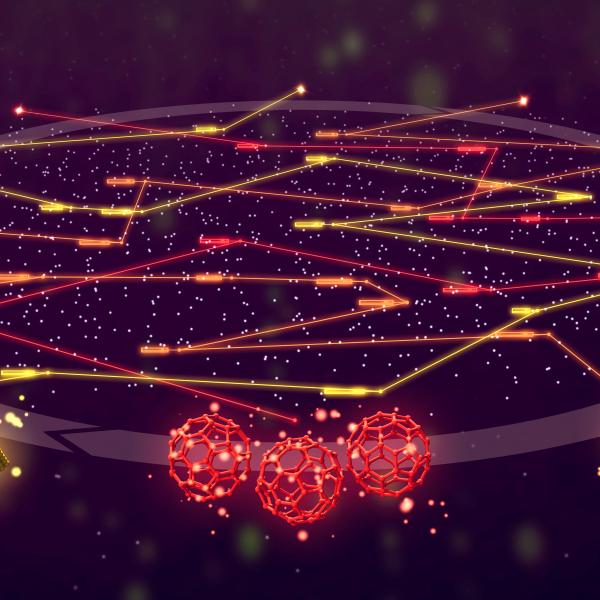
The method could lead to the development of new materials with tailored properties, with potential applications in fields such as climate change, quantum computing...

self driving experiments
Feature

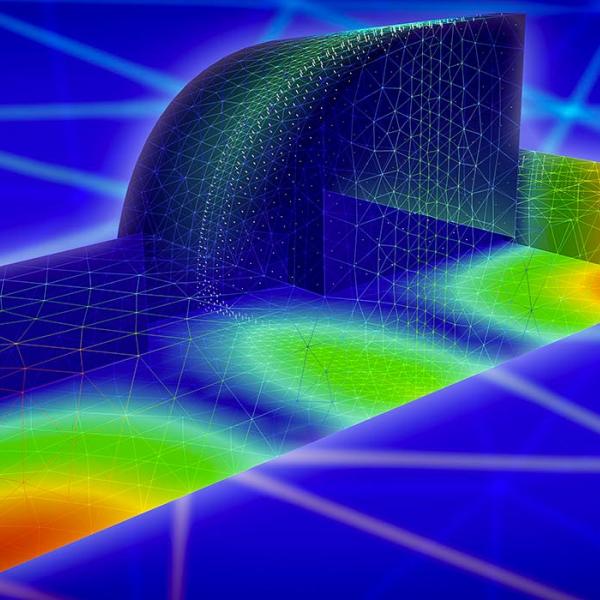
SLAC works with two small businesses to make its ACE3P software easier to use in supercomputer simulations for optimizing the shapes of accelerator structures.

A large, complex shape is seen against a blue background crisscrossed with white lines. The shape is dark blue and resembles a brick partially topped with a thick shark’s fin. Three areas of bright red, orange and green, are on the shape’s bottom edge.
Illustration

With help from two small businesses, SLAC’s vintage ACE3P software is spreading its wings to make supercomputing easier and faster.
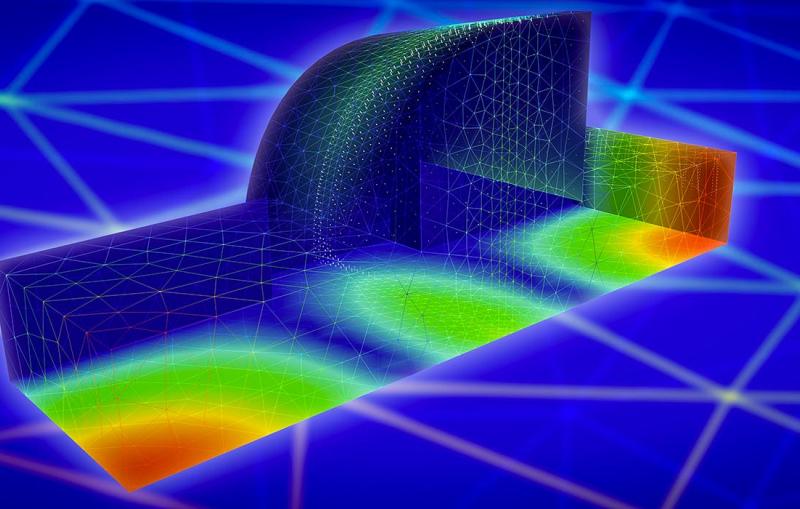
A large, complex shape is seen against a blue background crisscrossed with white lines. The shape is dark blue and resembles a brick partially topped with a thick shark’s fin. Three areas of bright red, orange and green, are on the shape’s bottom edge.
Feature

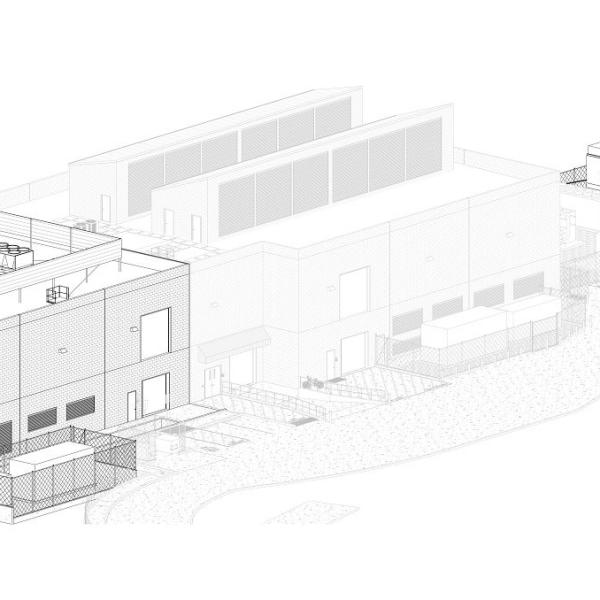
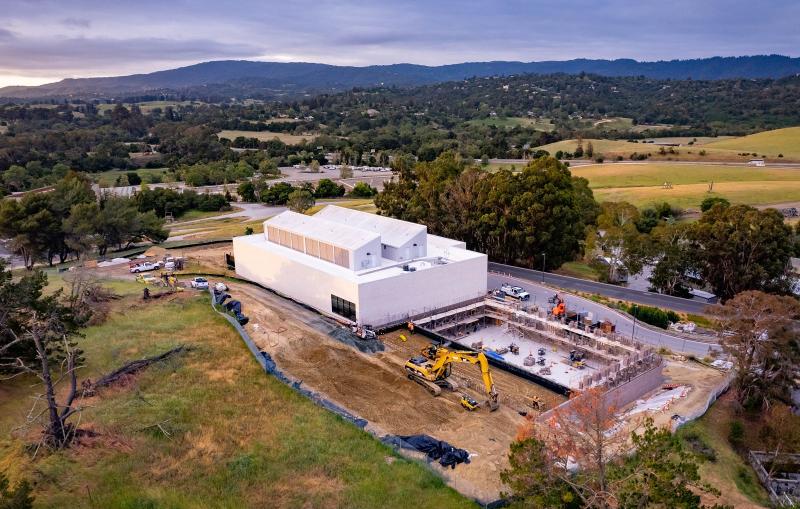
An extension of the Stanford Research Computing Facility will host several data centers to handle the unprecedented data streams that will be produced by...

SRCF-II
Feature

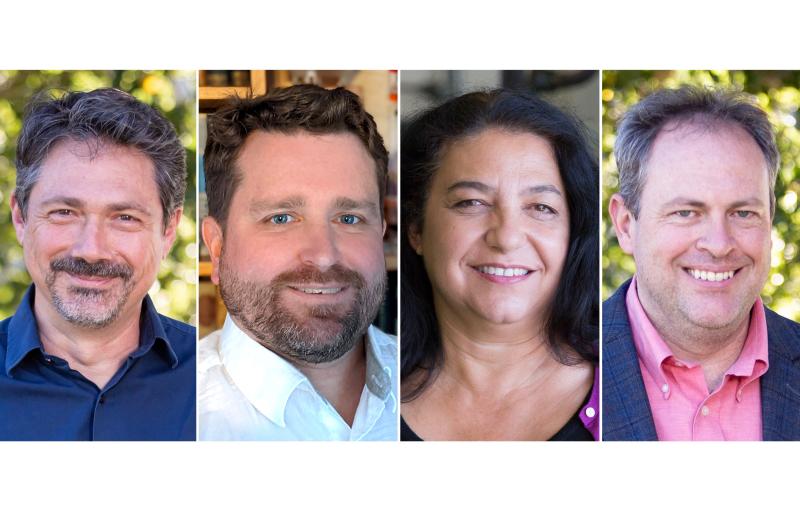
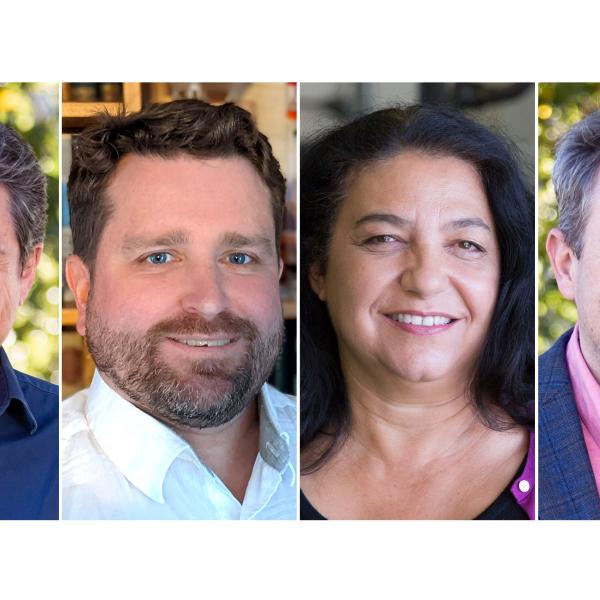
The leaders of SLAC's Technology Innovation Directorate discuss how their group supports the lab's most innovative projects.

TID senior managers
News Release

They discover a short-lived state that could lead to faster and more energy-efficient computing devices.

ultrafast switching
Feature

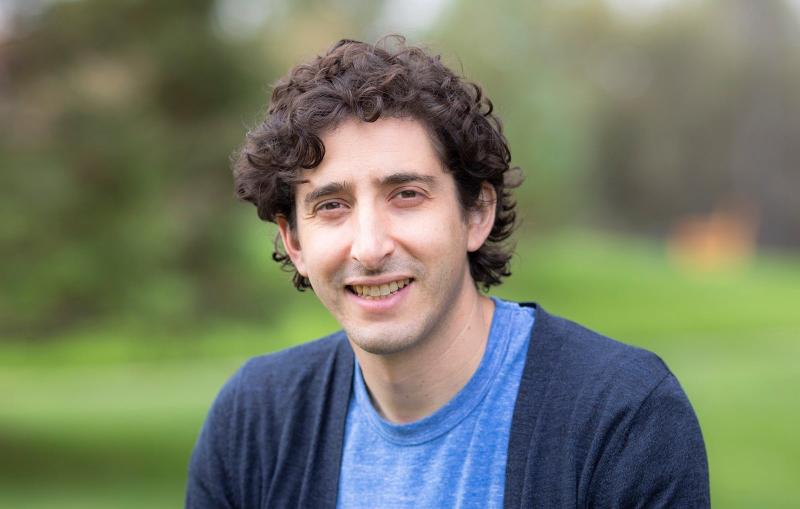
Daniel Ratner, head of SLAC’s machine learning initiative, explains the lab’s unique opportunities to advance scientific discovery through machine learning.

Physicist Daniel Ratner.
Feature

Two projects will look for ways to link individual quantum devices into networks for quantum computing and ultrasensitive detectors.

QIS microantenna
Feature

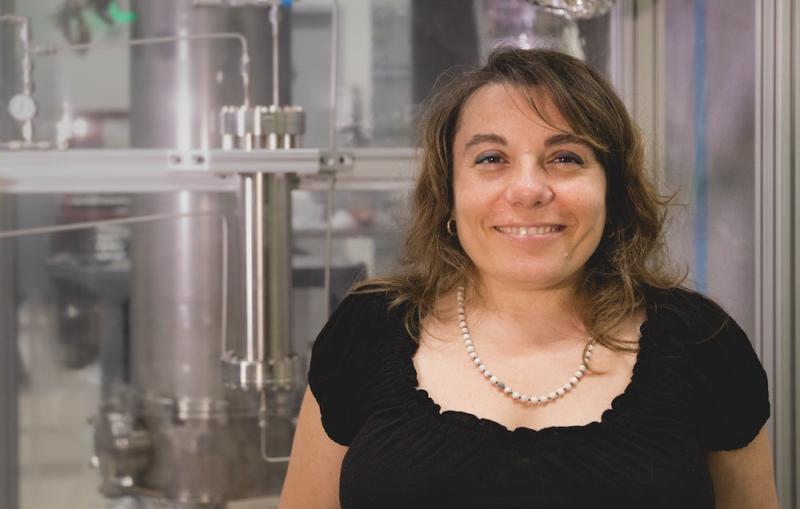
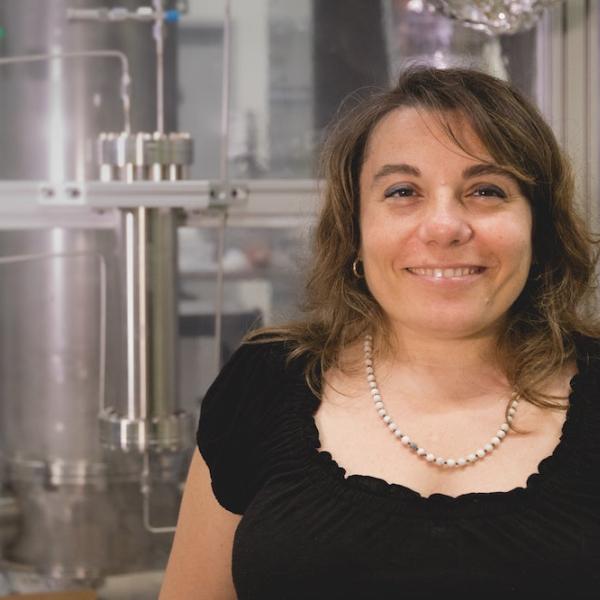
Maria Elena Monzani prepares an international team to search for clues to one of the biggest scientific mysteries.

Maria Elena Monzani at the LZ test facility
Feature

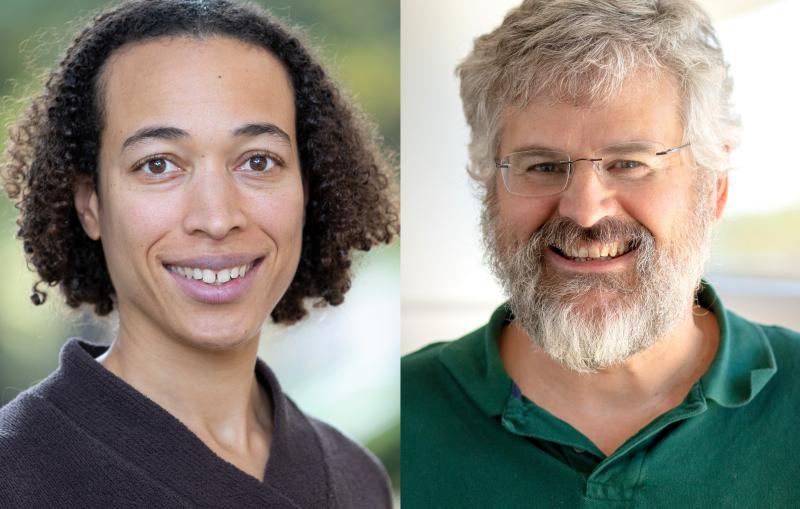
Monika Schleier-Smith and Kent Irwin explain how their projects in quantum information science could help us better understand black holes and dark matter.

QIS-Schleier-Smith-Irwin
Feature

Combination of research methods reveals causes of capacity fading, giving scientists better insight to design advanced batteries for electric vehicles

Cathode degradation
Feature

SLAC receives three awards for the development of quantum technology for dark matter searches and quantum computing

Quantum Information Science