SLAC’s Computational Astrophysics group seeks to bring the combined strength of theoretical and experimental physics to bear on some of the most fascinating problems in particle astrophysics and cosmology.
Browse tagged content below
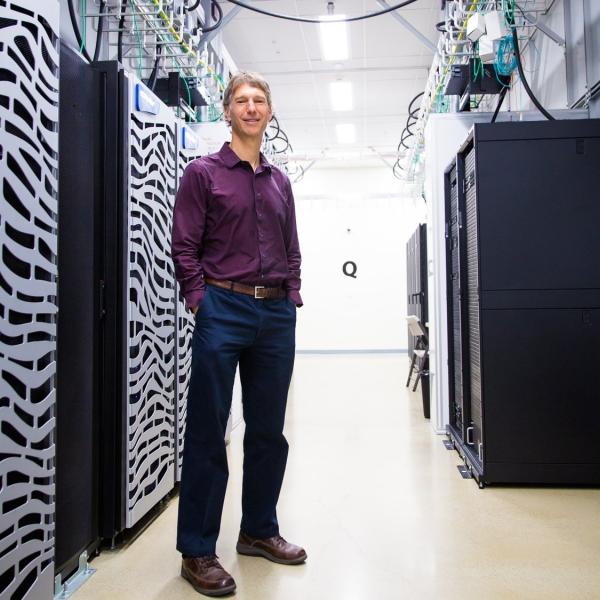
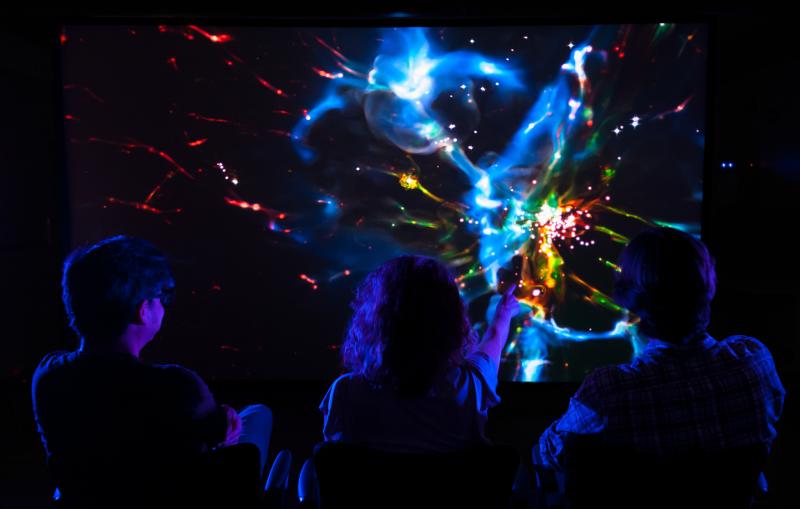
Kavli Institute for Partical Astrophysics and Cosmology (KIPAC) scientists, at work here in the "Vizlab," use computer visualizations to simulate and study the formation and evolution of the Universe.
(Matt Beardsley/SLAC National Accelerator Laboratory)
SLAC and Stanford astrophysicists made crucial contributions to the galaxy survey, showing that the universe clumps and expands as predicted by our best cosmological...
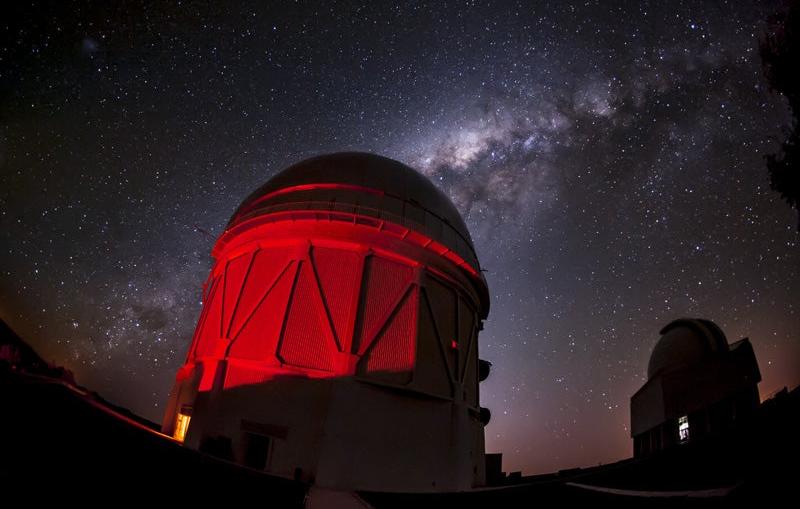
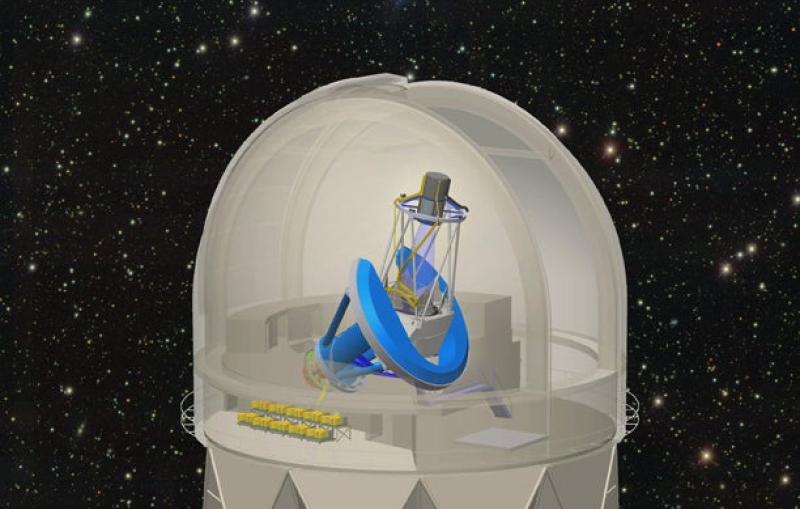
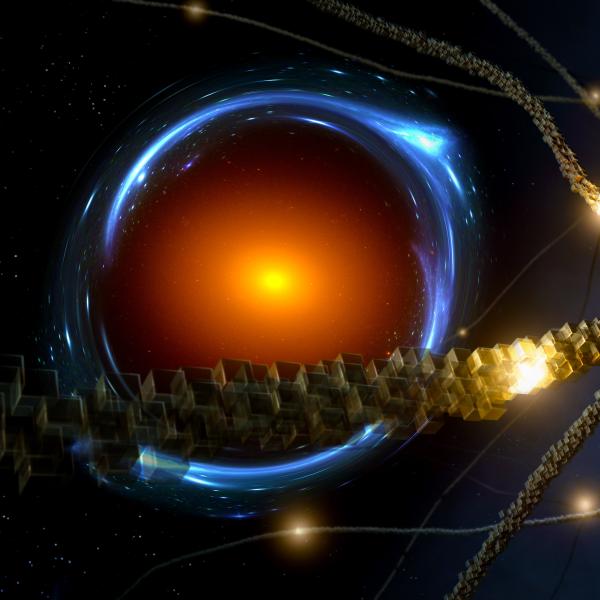
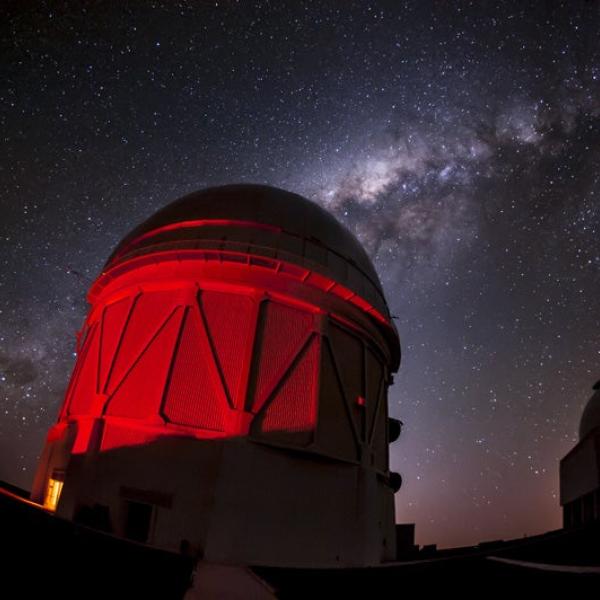
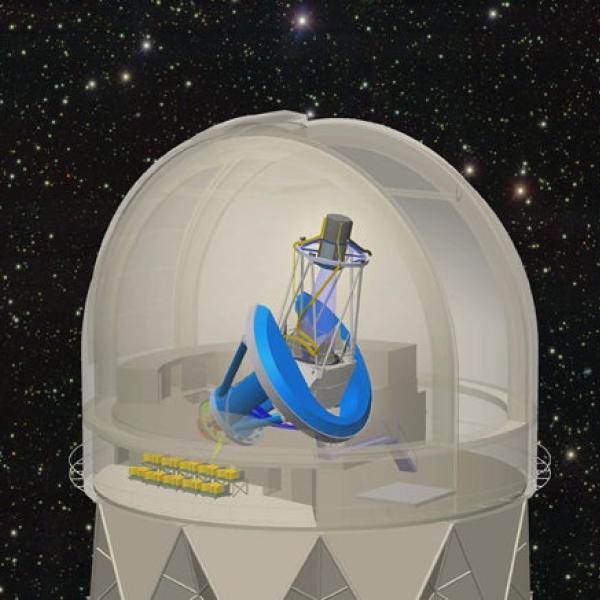
The Dark Energy Spectroscopic Instrument will measure light from 35 million cosmic objects for new insights into what causes the universe to expand faster...
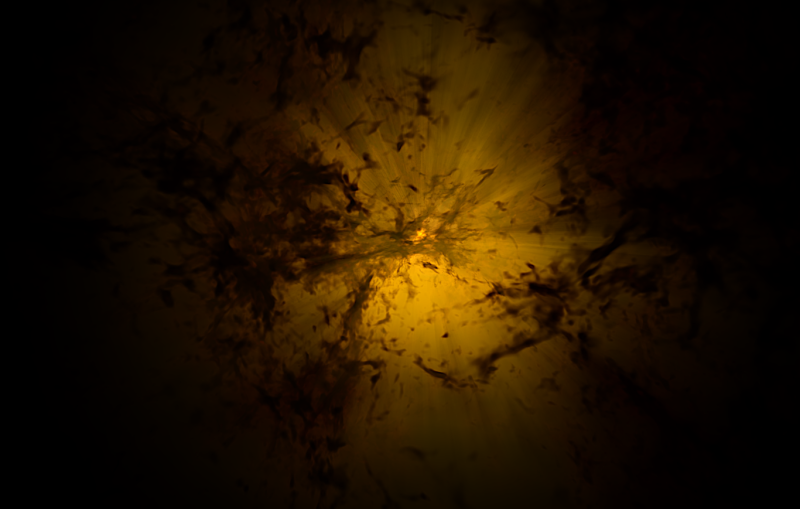
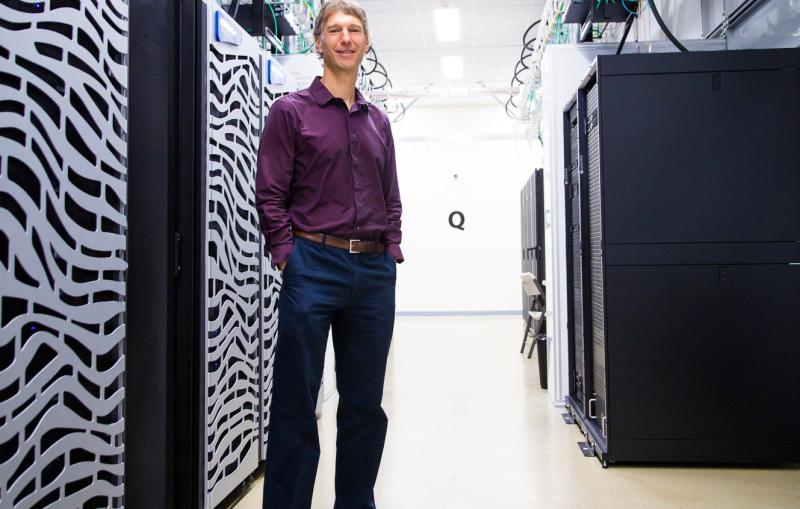
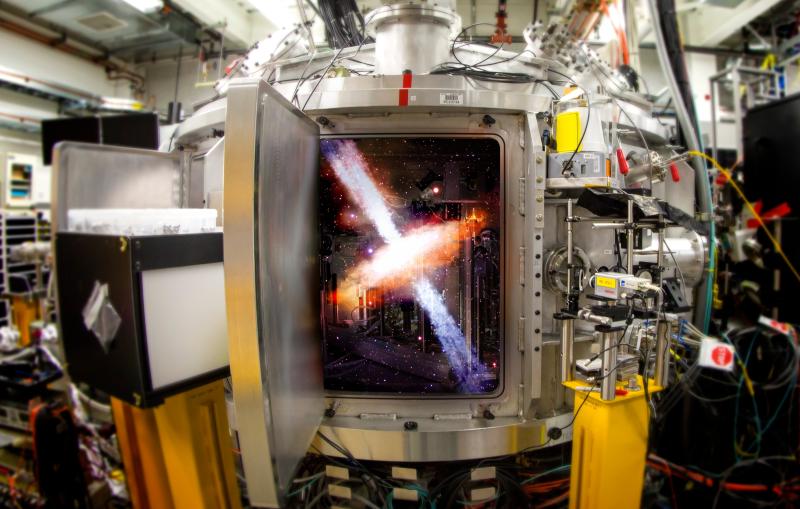
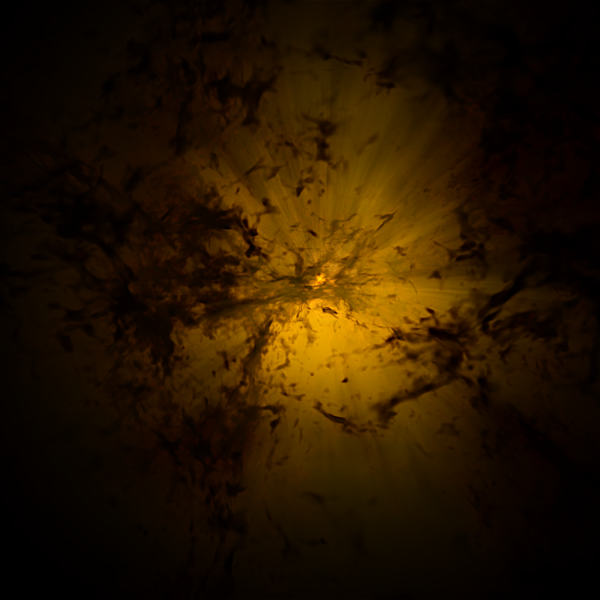
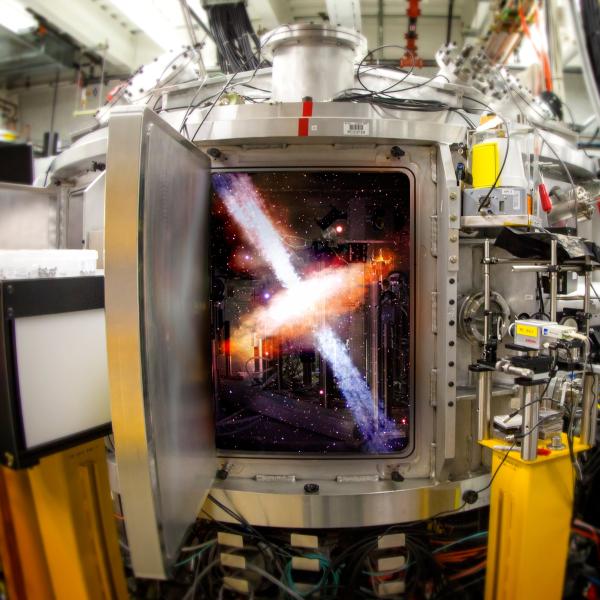
Computer simulations and lab experiments help researchers understand the violent universe and could potentially lead to new technologies that benefit humankind.
SLAC and Stanford astrophysicists made crucial contributions to the galaxy survey, showing that the universe clumps and expands as predicted by our best cosmological models.
The Dark Energy Spectroscopic Instrument will measure light from 35 million cosmic objects for new insights into what causes the universe to expand faster and faster.
Computer simulations and lab experiments help researchers understand the violent universe and could potentially lead to new technologies that benefit humankind.