Catalysts are the unsung heroes of chemistry, accelerating reactions used to make fertilizers, fuels and consumer products. Our work aims to make catalysts more efficient and reduce the use of fossil fuels.
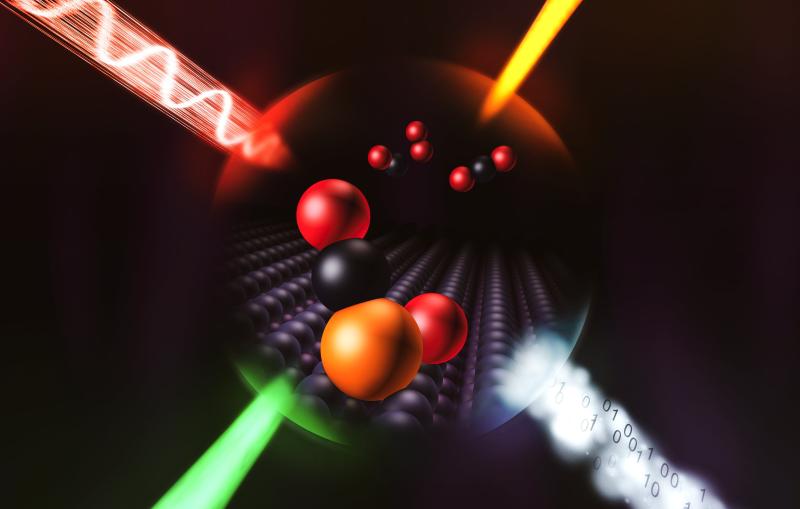
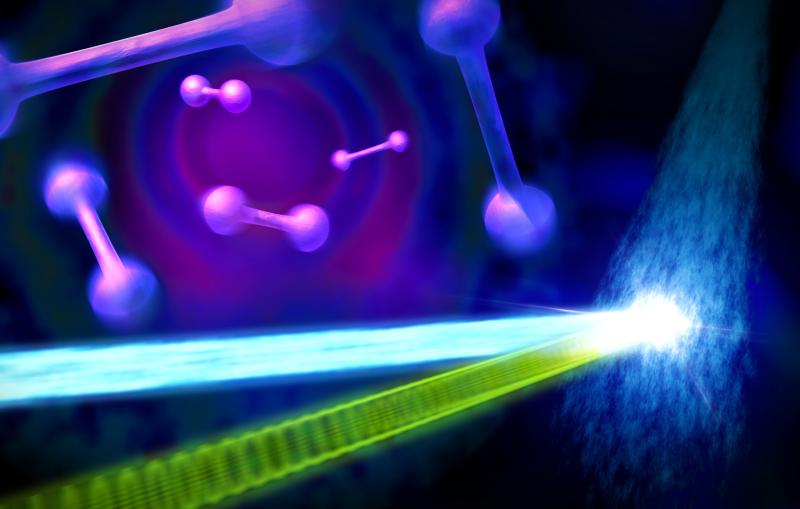
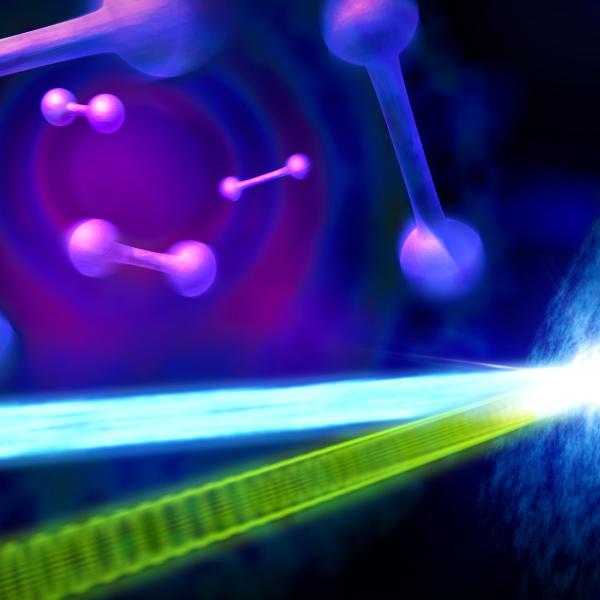
Scientists used a combination of four techniques, represented here by four incoming beams, to reveal in unprecedented detail how a single atom of iridium catalyzes a chemical reaction.
(Greg Stewart/SLAC National Accelerator Laboratory)
Stanford and SLAC researchers are leading a multi-year effort to produce nitrogen-based fertilizers in a sustainable way, by inventing a solar-powered chemistry technology that...
Scientists at SLAC and Stanford have identified active carbon catalysts and developed an electrochemical cell designed to purify water in small villages.
Understanding how a material’s electrons interact with vibrations of its nuclear lattice could help design and control novel materials, from solar cells to high-temperature...
Liu acknowledged for wide-ranging work in energy materials, catalysis, carbon sequestration, material in extreme conditions and scientific big data mining.
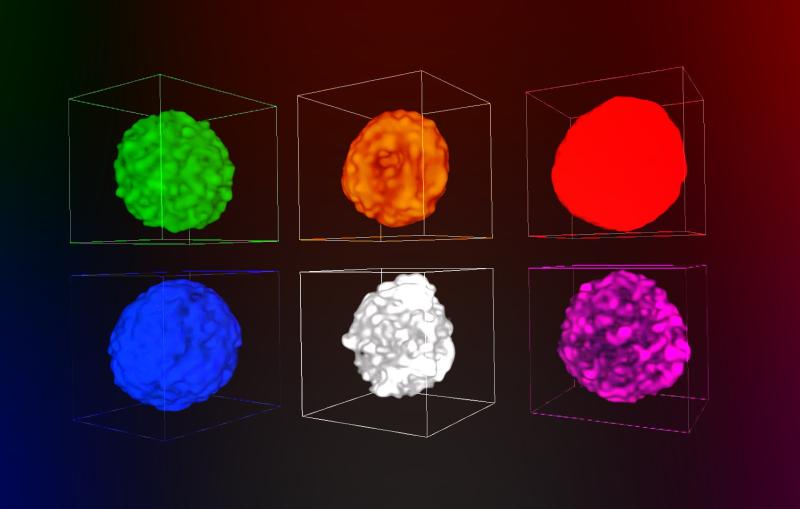
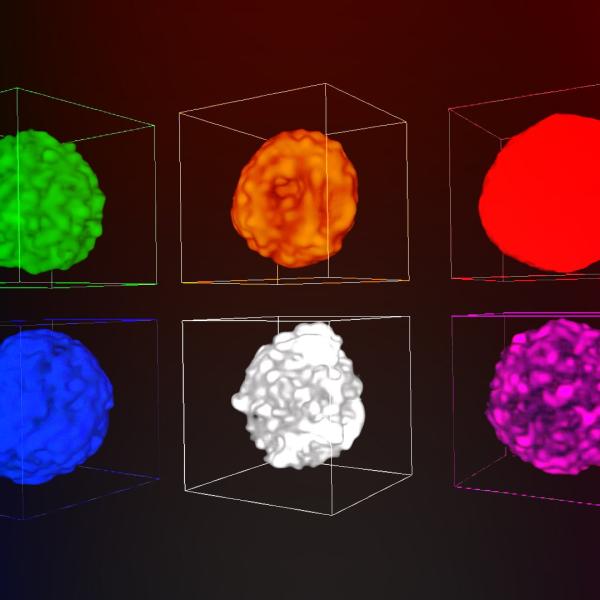
Merging two powerful 3-D X-ray techniques, researchers revealed new details of a process known as metal poisoning that clogs the pores of catalyst particles...
Stanford and SLAC researchers are leading a multi-year effort to produce nitrogen-based fertilizers in a sustainable way, by inventing a solar-powered chemistry technology that can make it right on the farm and apply it directly to crops, drip-irrigation style.
Scientists at SLAC and Stanford have identified active carbon catalysts and developed an electrochemical cell designed to purify water in small villages.
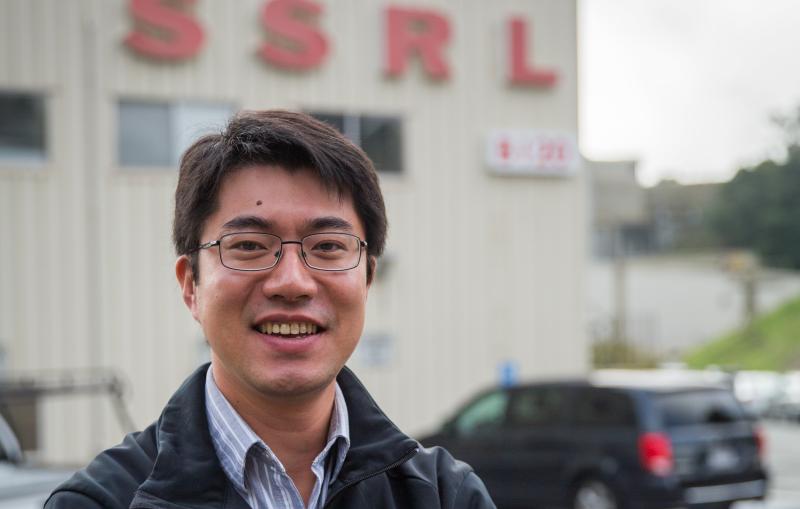
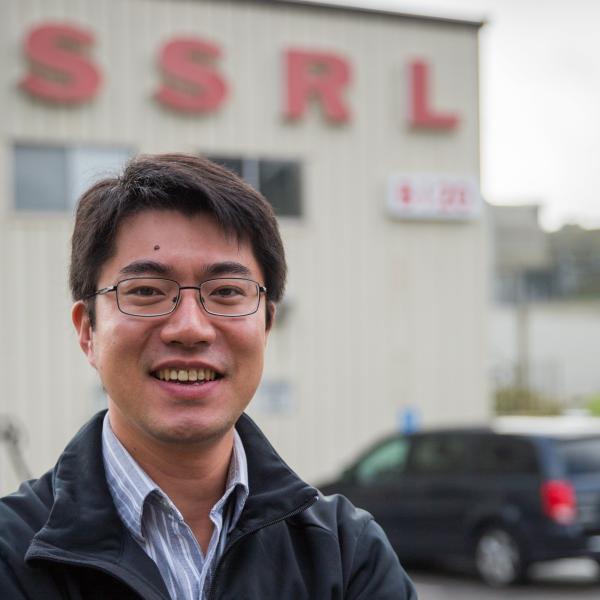
After 30 years in industry, he is leading a new focus at the lab’s SSRL X-ray light source and looking for ways to build on research strengths at SLAC and Stanford.
Squeezing a platinum catalyst a fraction of a nanometer nearly doubles its catalytic activity, a finding that could lead to better fuel cells and other clean energy technologies.
Understanding how a material’s electrons interact with vibrations of its nuclear lattice could help design and control novel materials, from solar cells to high-temperature superconductors.
A team led by chemists at Stanford University and SLAC has unraveled a longstanding mystery that brings them one step closer to a cleaner, more energy-efficient way to make methanol, an important industrial chemical used in products such as paints...
Liu acknowledged for wide-ranging work in energy materials, catalysis, carbon sequestration, material in extreme conditions and scientific big data mining.
Merging two powerful 3-D X-ray techniques, researchers revealed new details of a process known as metal poisoning that clogs the pores of catalyst particles used in gasoline production, causing them to lose effectiveness.