SLAC topics

Biological sciences RSS feed

Tiny microbes and molecular machines have an outsized impact on human health, and they play key roles in the vast global cycles that shape climate and make carbon and nitrogen available to all living things. 

Related link:
Science of life

Browse tagged content
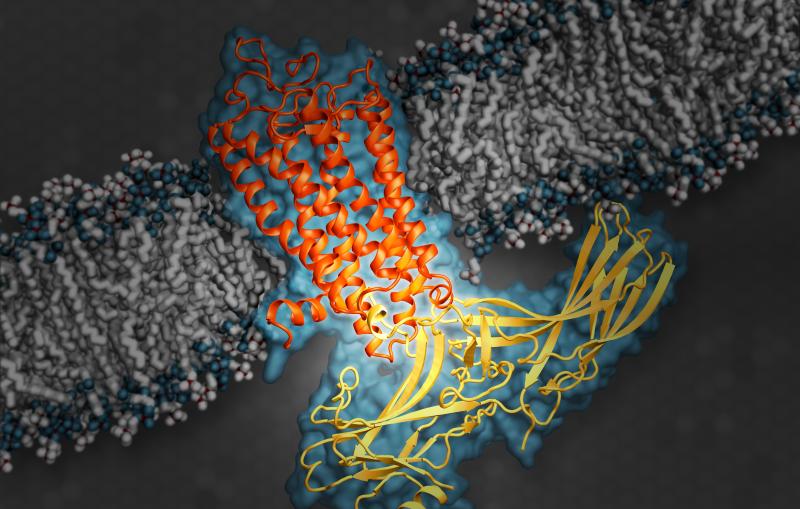
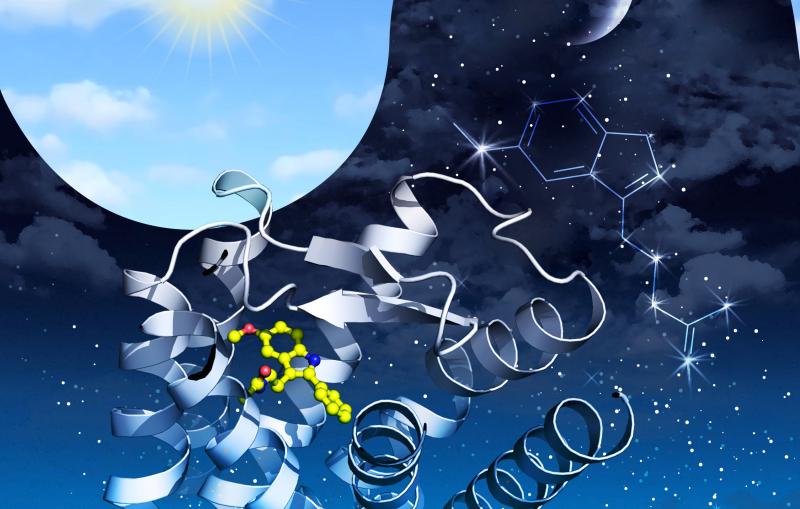
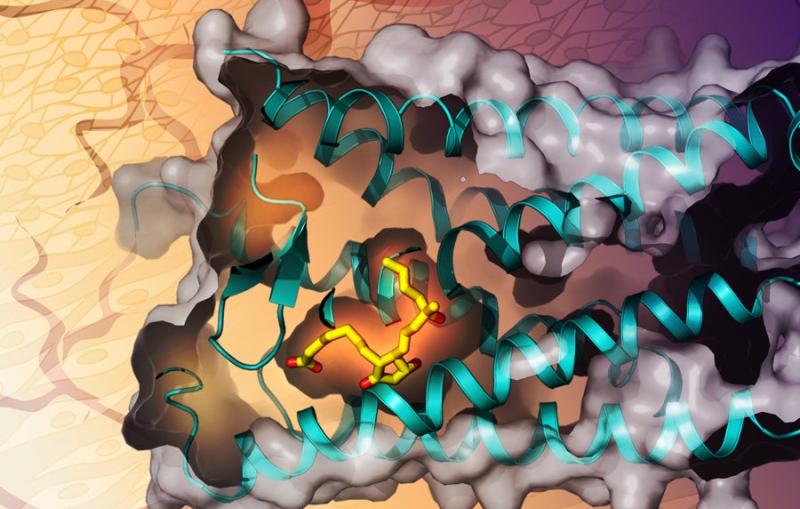
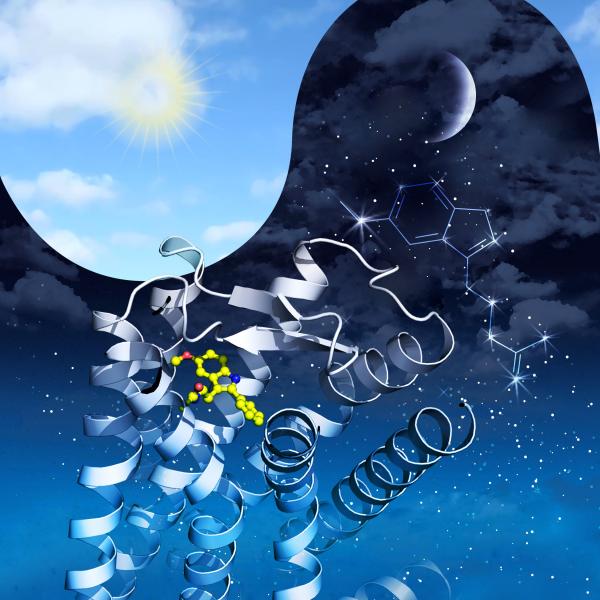
This illustration shows arrestin, an important type of signaling protein
News Release

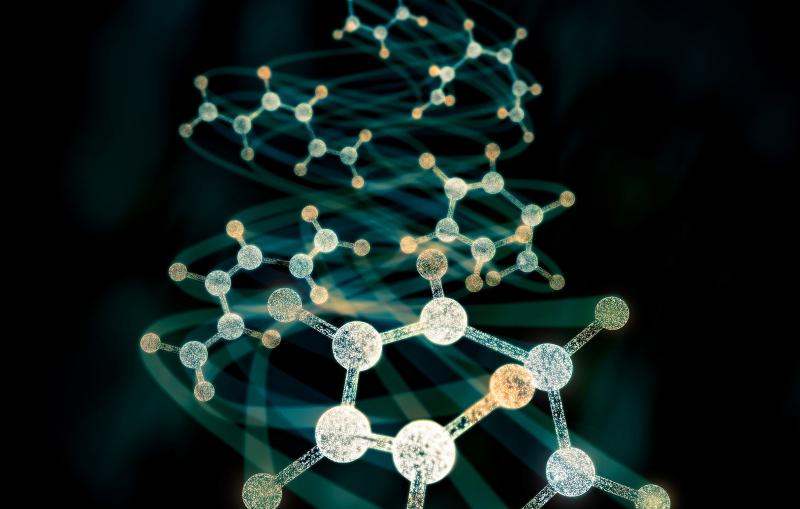
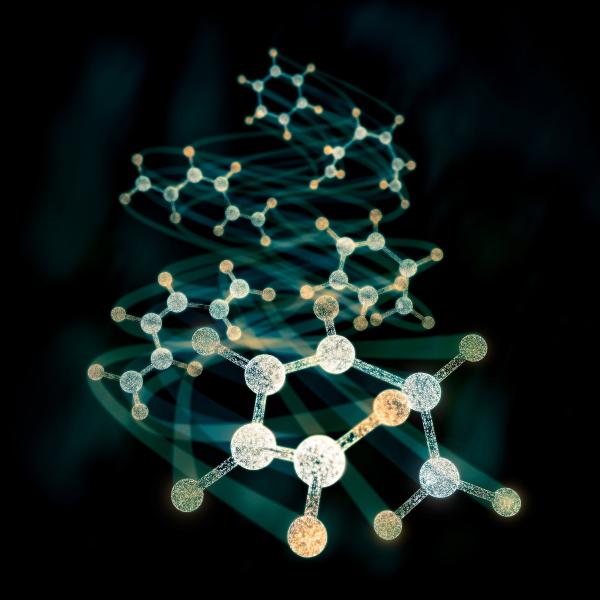
First direct look at how atoms move when a ring-shaped molecule breaks apart could boost our understanding of fundamental processes of life.

Molecular Movie in HD Art
Feature

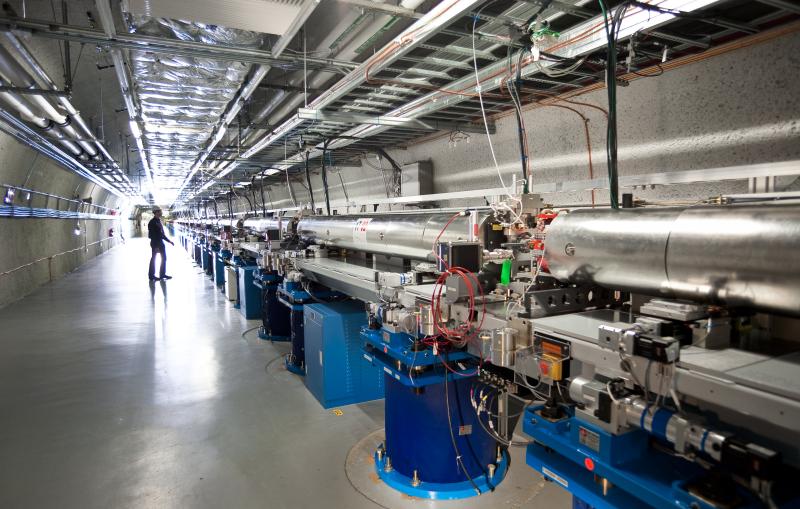
In the decade since LCLS produced its first light, it has pushed boundaries in countless areas of discovery.

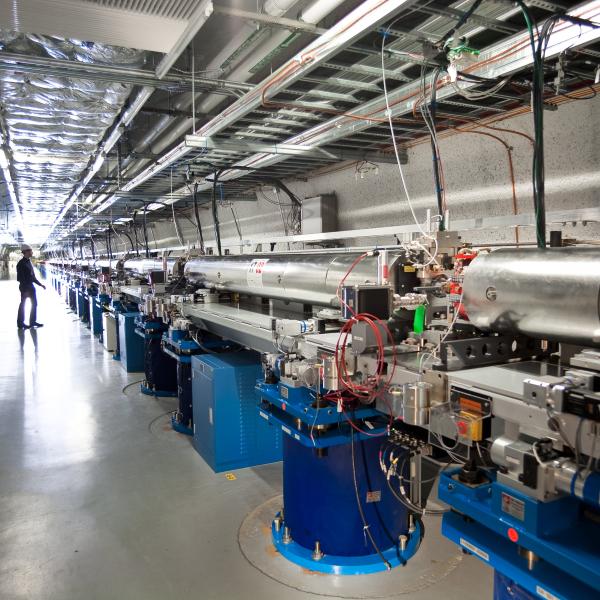
Undulator Hall
Feature

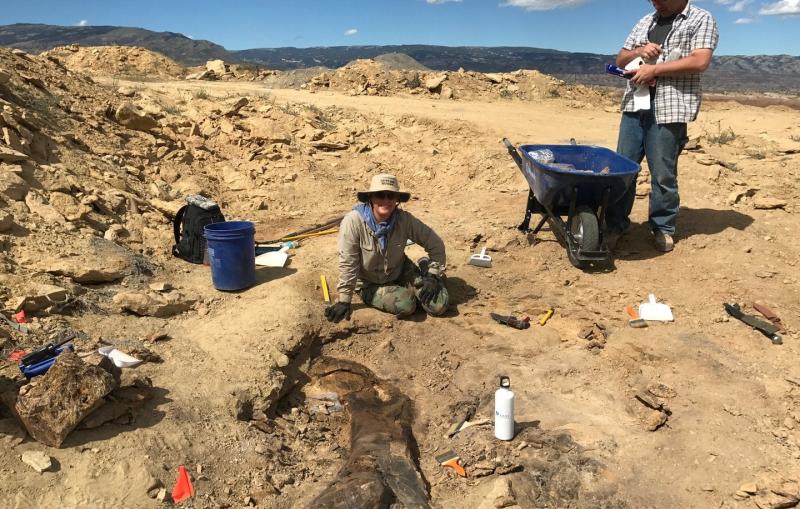
Researchers will use SLAC’s X-ray light source to probe 150-million-year-old dinosaur fossils at the atomic level.

Jurassic Mile
Feature

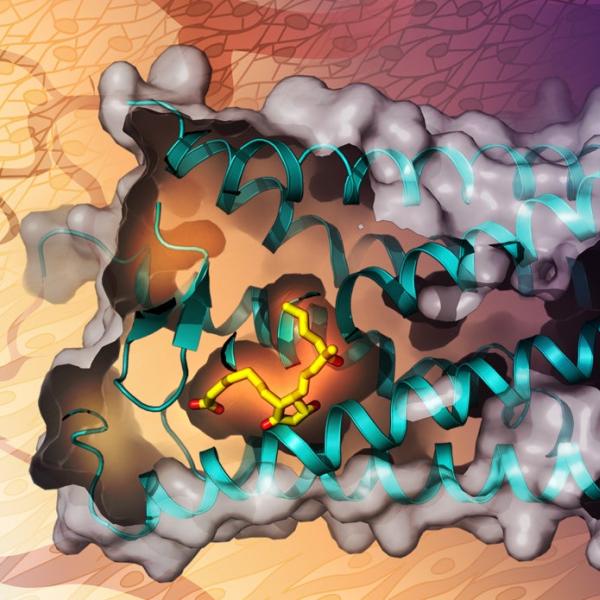
New research will help in the quest to design low-cost drugs that can tackle postpartum bleeding and other conditions without severe side effects.

Misoprostol and EP3 receptor
Feature

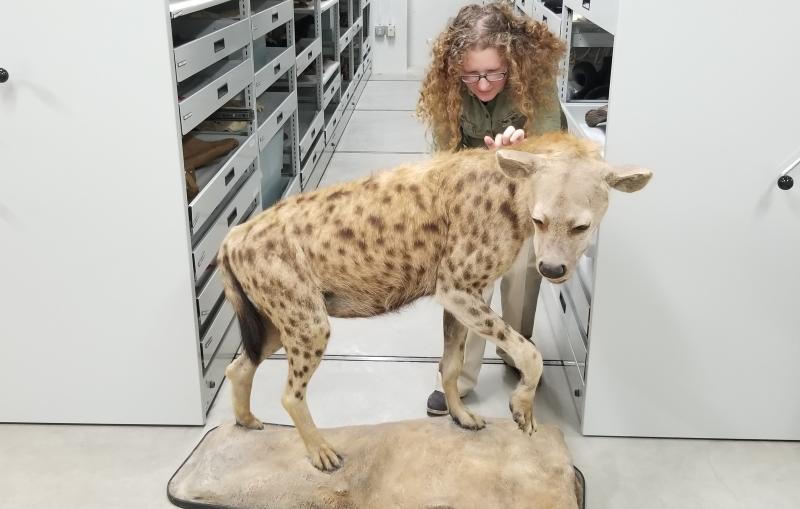
Researchers mapped trace elements within Pleistocene fossils to learn about the life of a long-extinct subspecies of spotted hyena.

Spotted hyena
News Release

In a major step forward, SLAC’s X-ray laser captures all four stable states of the process that produces the oxygen we breathe, as well...

Atomic movie
Feature

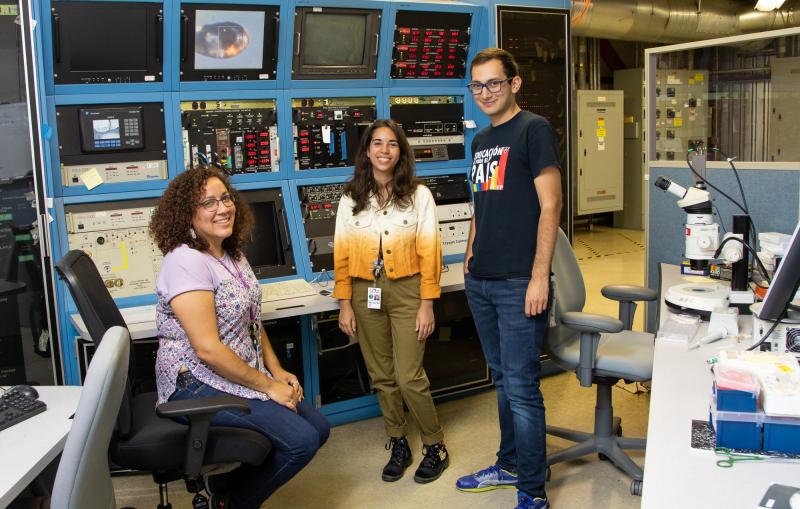
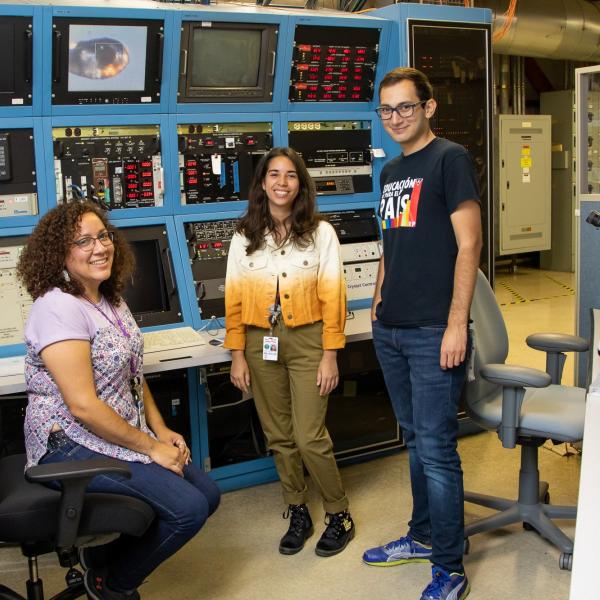
This summer, five graduate students from the University of Puerto Rico had the opportunity to use SLAC’s world-class facilities to keep their studies on...

University of Puerto Rico Interns
Feature

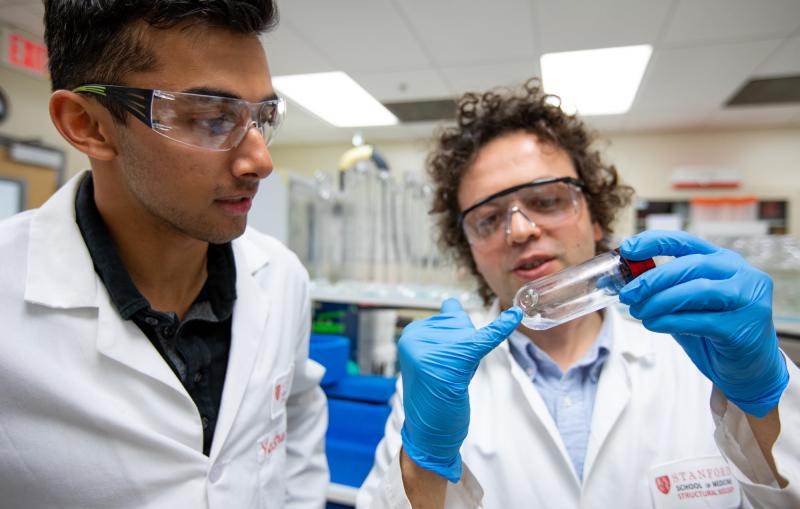
A new imaging technique is allowing researchers to pinpoint ways of modifying drugs to avoid side effects.

Hasan DeMirci Ribosome
Feature

SLAC and Stanford researchers are developing a device that combines electrical brain stimulation with EEG recording, opening potential new paths for treating neurological disorders.

Neurostimulation
Feature

The X-ray laser movie shows what happens when light hits retinal, a key part of vision in animals and photosynthesis in microbes. The action...

An image of San Francisco Bay salt ponds from space
Feature

Tiny pores in the shells of archaea microbes attract ammonium ions that are their sole source of energy, allowing them to thrive where this...

Artist's depiction of a tiny pore in an archaea's crystalline shell
Feature

The researchers observed how an enzyme from drug-resistant tuberculosis bacteria damages an antibiotic molecule. The new technique provides a powerful tool to examine changes...

Photo - CXI instrument at LCLS