SLAC topics

Biological sciences RSS feed

Tiny microbes and molecular machines have an outsized impact on human health, and they play key roles in the vast global cycles that shape climate and make carbon and nitrogen available to all living things. 

Related link:
Science of life

Browse tagged content
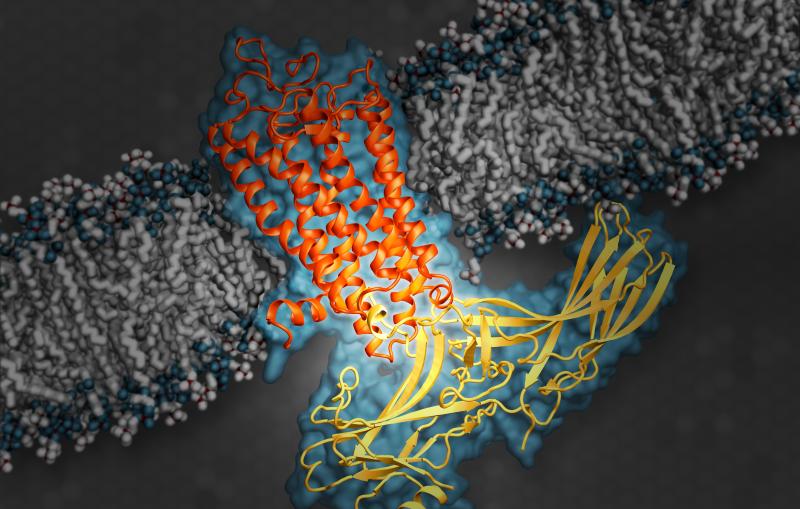
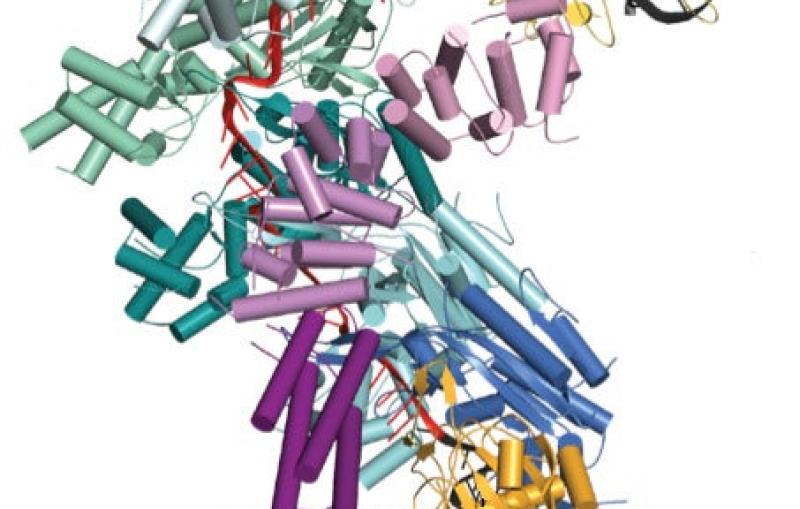
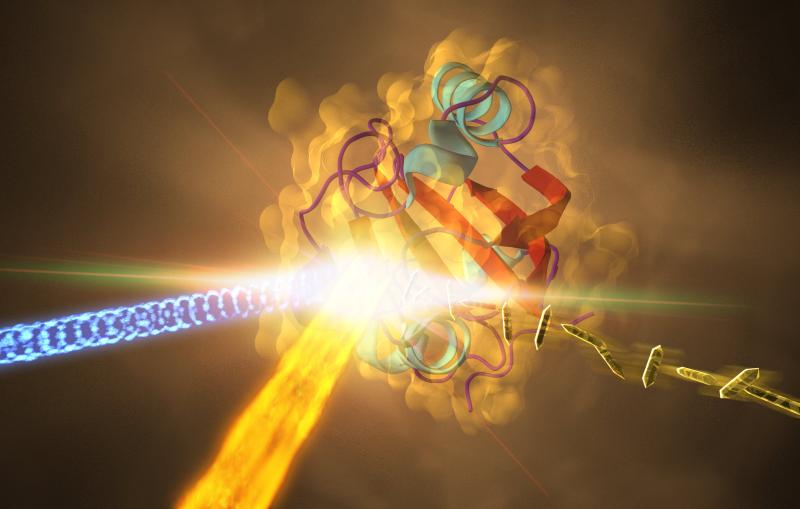
This illustration shows arrestin, an important type of signaling protein
Feature

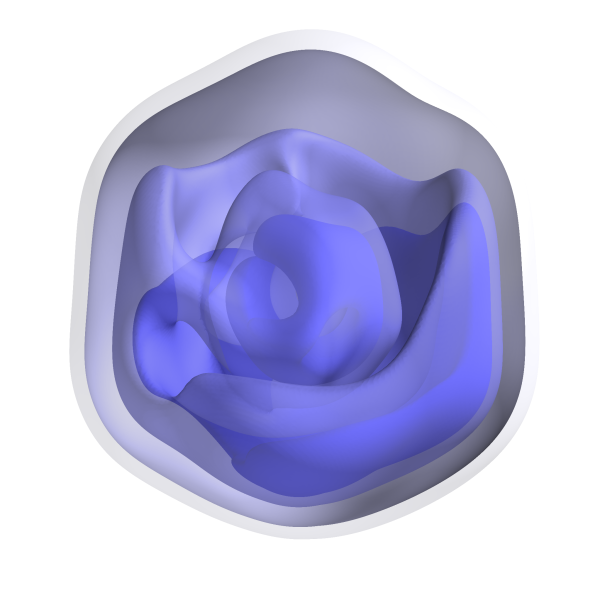
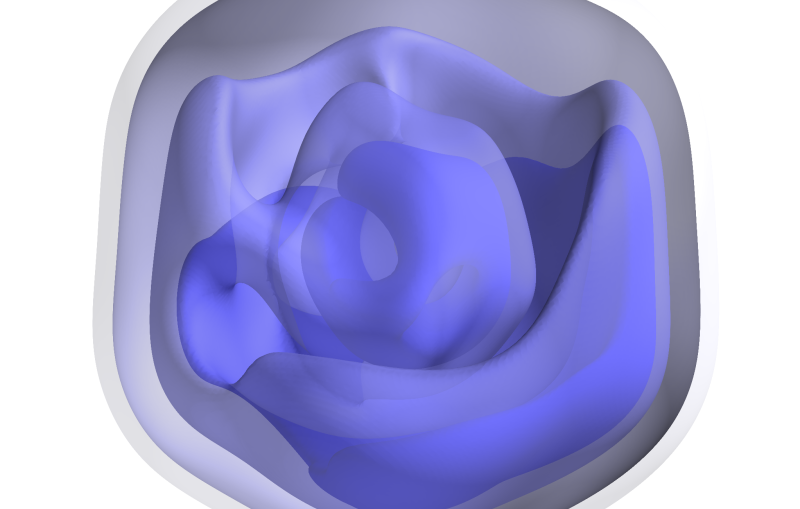
For the first time, researchers have produced a 3-D image revealing some of the inner structure of an intact, infectious virus.

Image - This rendering shows a 3-D reconstruction of a Mimivirus, based on an analysis of a collection of X-ray diffraction patterns obtained in an experiment at SLAC's Linac Coherent Light Source X-ray laser. (Uppsala University)
Feature

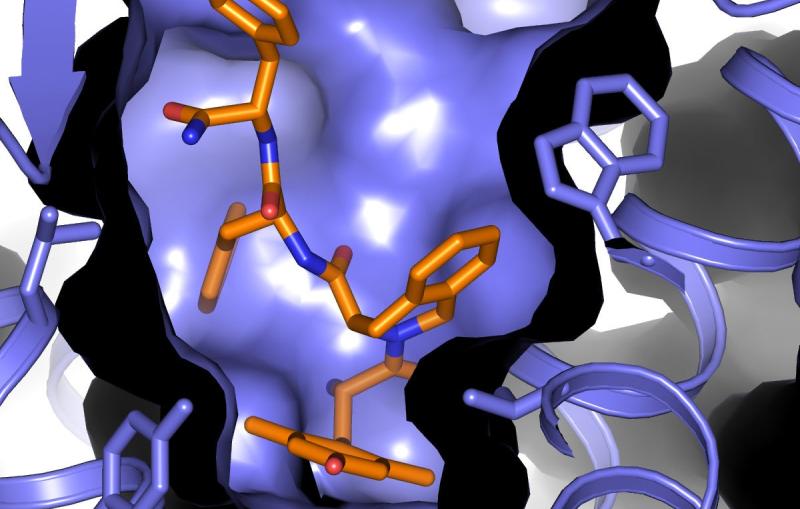
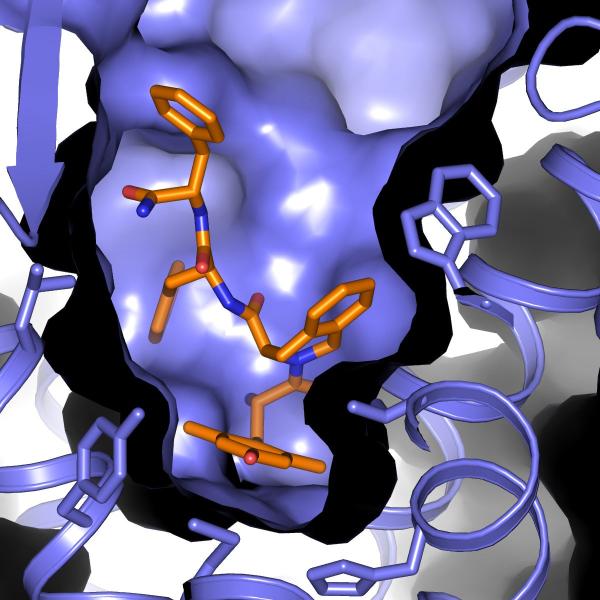
An X-ray laser experiment could lead to new drugs that lessen the side effects caused by powerful painkillers like morphine.

Image - This rendering shows a type of cellular membrane protein known as a delta opioid receptor (purple) with a compound derived from a naturally occurring peptide (orange, blue and red) bound inside its “pocket.” The peptide compound shows promise as a
News Release

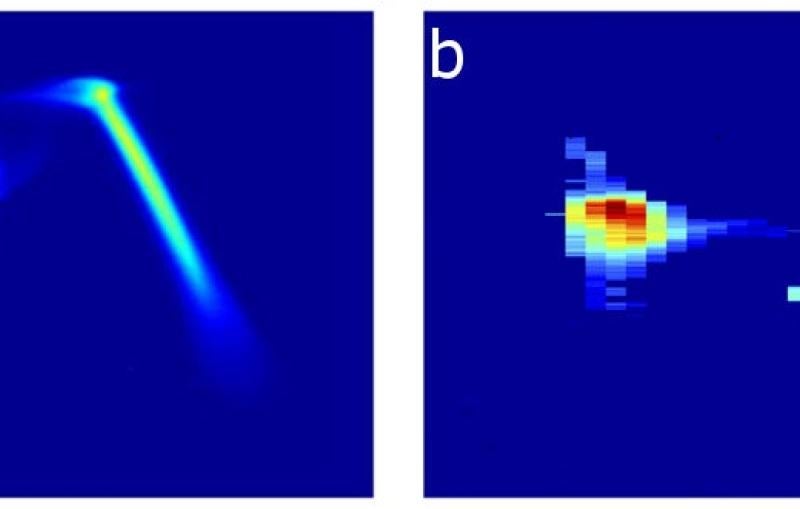
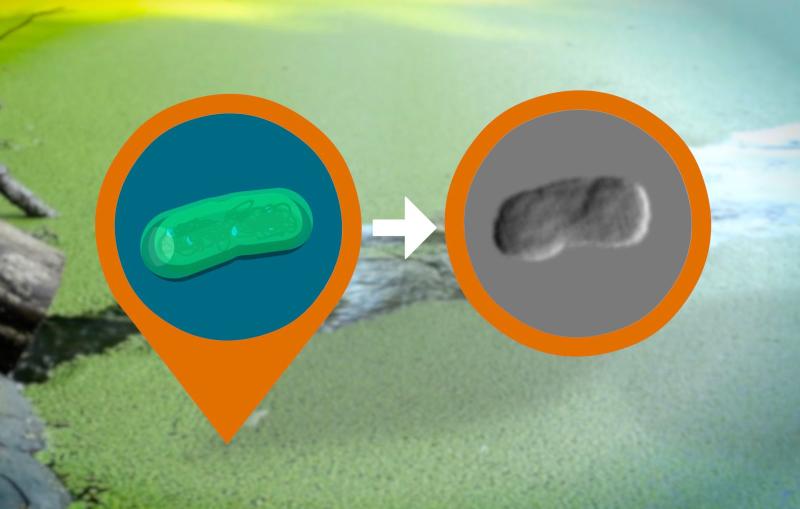
Technique Could Allow Study of Viral Infections, Cell Division and Photosynthesis in New Detail

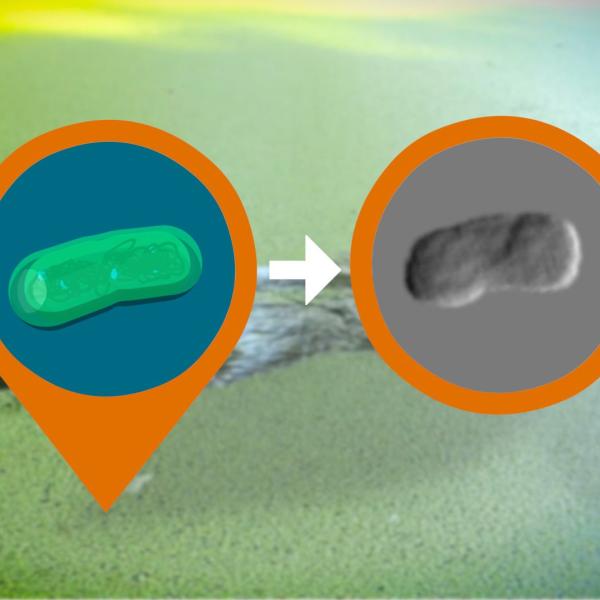
A pond containing a visible bloom of cyanobacteria, with an artistic rendering of an individual cell
Feature

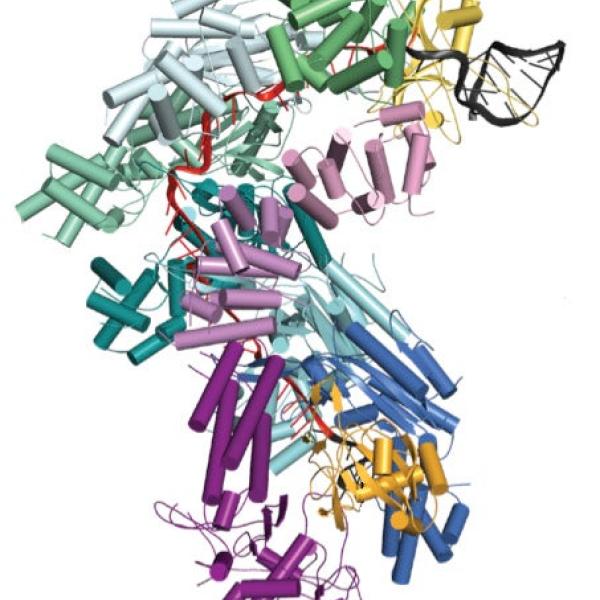
Research reveals that the bacterial immune system can better destroy viral attackers by saving genetic records of previously encountered viruses.

Feature

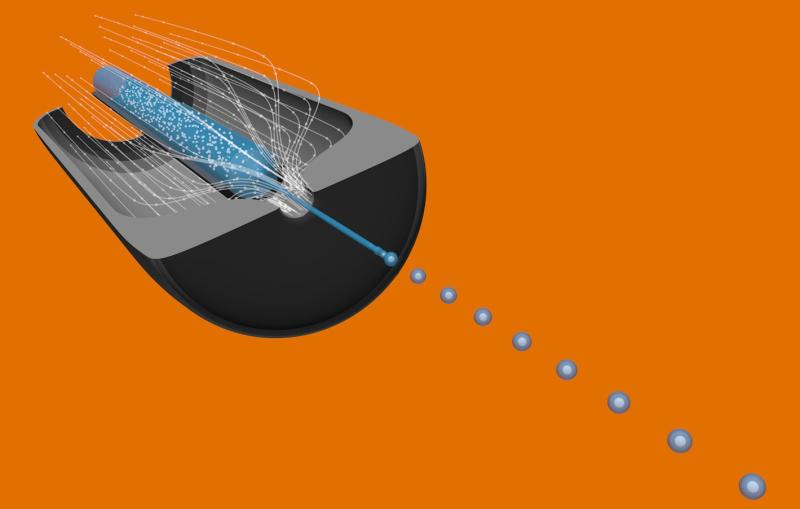
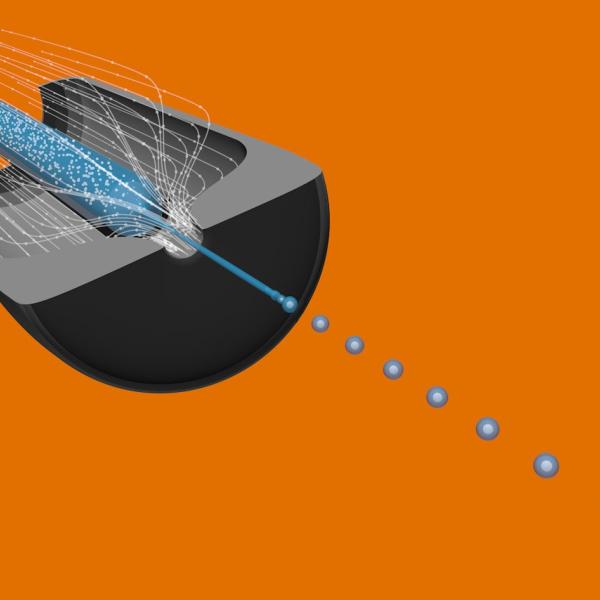
Scientists have assembled an exotic toolbox for experiments that tap into the brightest X-rays on the planet.

Image - This illustration shows a cutaway view of a type of sample system used at the Linac Coherent Light Source X-ray laser that jets samples in a superthin liquid or gel stream into its X-ray pulses. This system is known as a gas dynamic virtual nozzle
Feature

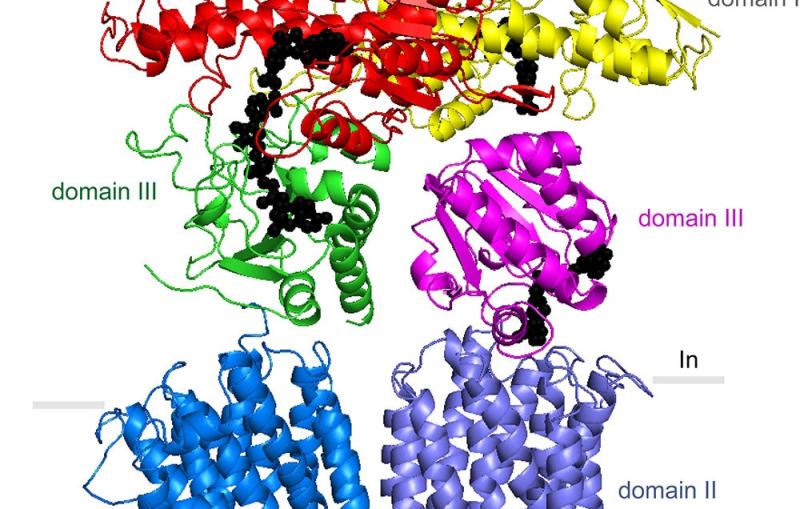
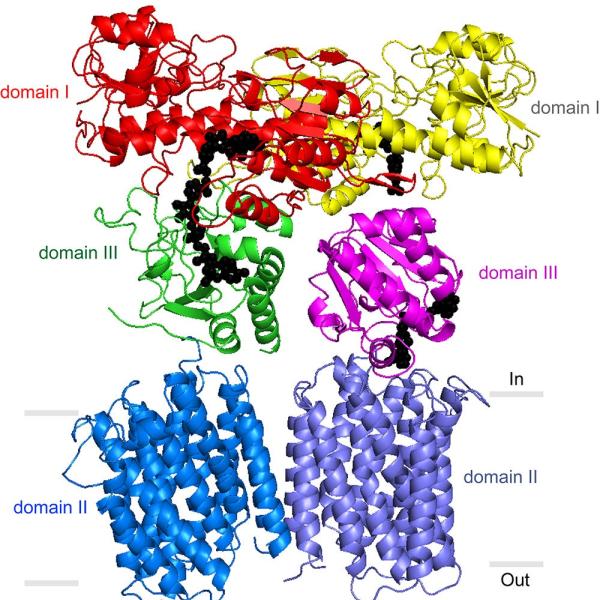
Research performed in part at SLAC has provided new insights into how "TH proteins" couple two important processes needed to maintain healthy cells.

Feature

A scientist at Germany’s DESY lab who participated in pioneering studies at SLAC's LCLS has been awarded a scientific prize by a research foundation.

Image - Henry Chapman (DESY)
Feature

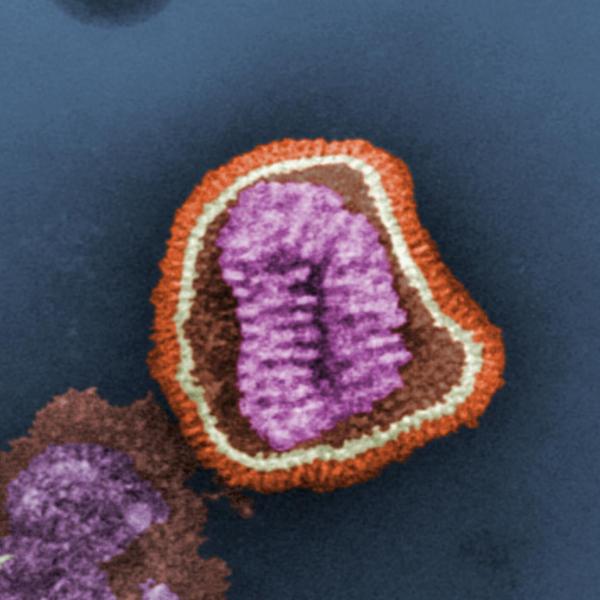
Understanding details of a flu antibody offers new insight for future structure-based drug discovery and novel avenues for designing vaccines.

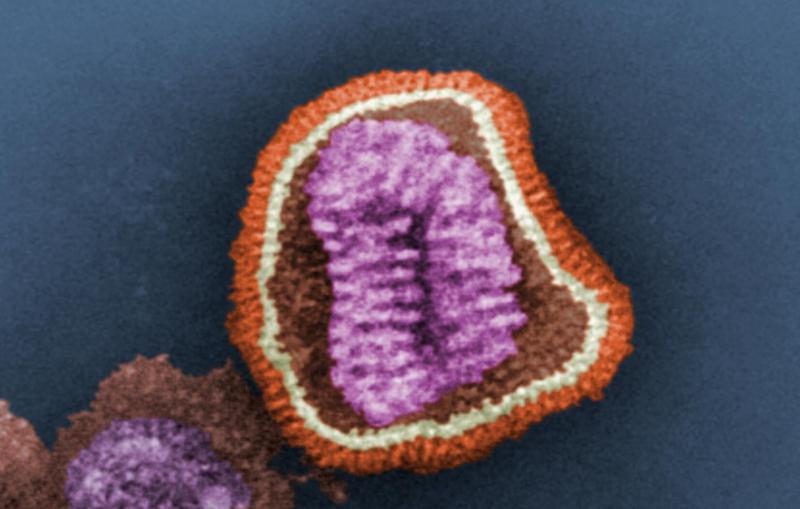
A false color image of an influenza virus particle
Feature

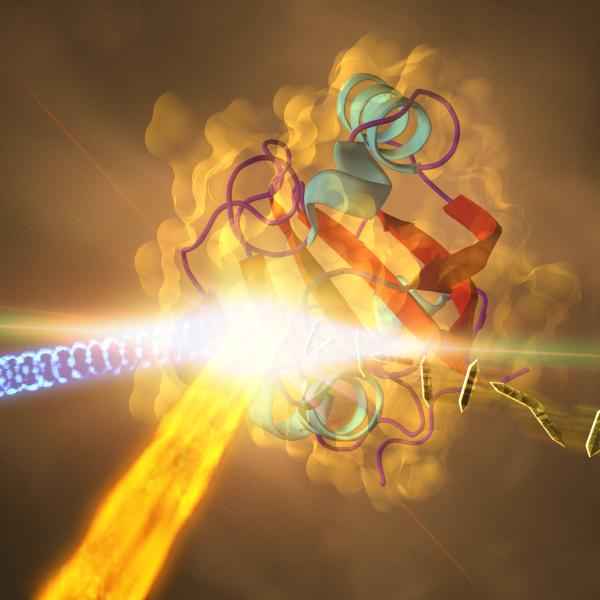
Researchers captured the highest-resolution snapshots ever taken with an X-ray laser that show changes in a protein’s structure over time.

Image - This illustration depicts an experiment at SLAC that revealed how a protein from photosynthetic bacteria changes shape in response to light.
Feature

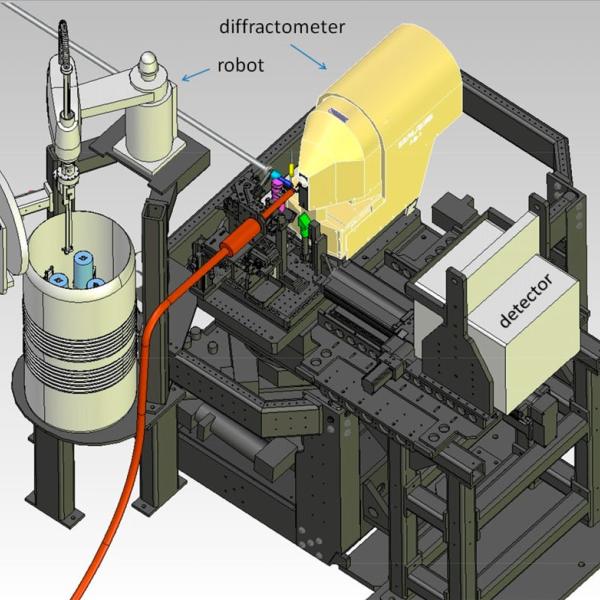
Scientists at the Department of Energy’s SLAC National Accelerator Laboratory are combining the speed and precision of robots with one of the brightest X-ray...

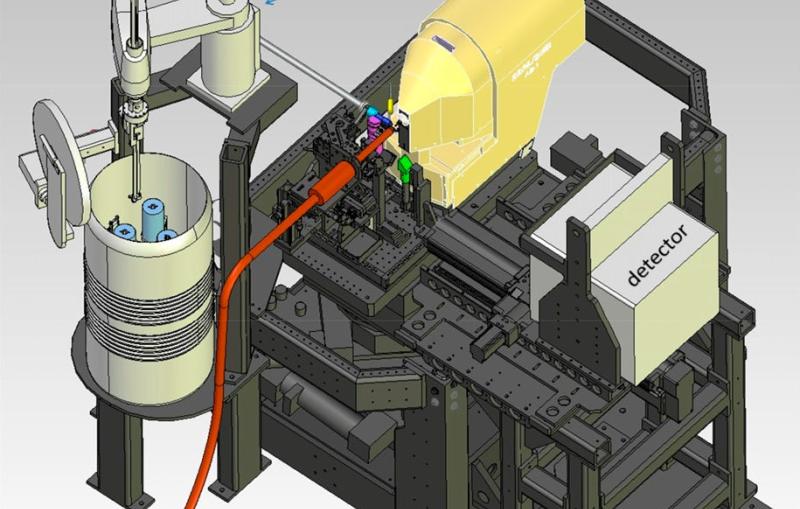
This illustration shows the components in an experimental setup used in crystallography experiments at SLAC's Linac Coherent Light Source X-ray laser.
Feature

Scientists have used SLAC’s X-ray laser to produce detailed images of tiny cellular structures that play a major role in Earth’s life-sustaining carbon cycle.

Image - A geometric structure from a bacterial cell, called a carboxysome, is struck by an X-ray pulse (purple) at SLAC’s Linac Coherent Light Source. (SLAC National Accelerator Laboratory)
Feature

A new experimental station in development at SLAC will expand capabilities for atomic-scale explorations in human health, biology, energy and environmental science.

Image - This artistic rendering shows planned instrumentation for a Macromolecular Femtosecond Crystallography (MFX) experimental station at SLAC's Linac Coherent Light Source. MFX will expand LCLS's capacity and flexibility for biological experiments.