SLAC’s astrophysicists and cosmologists pursue top-priority research on topics including dark matter and dark energy, the formation of galaxies and cosmic evolution.
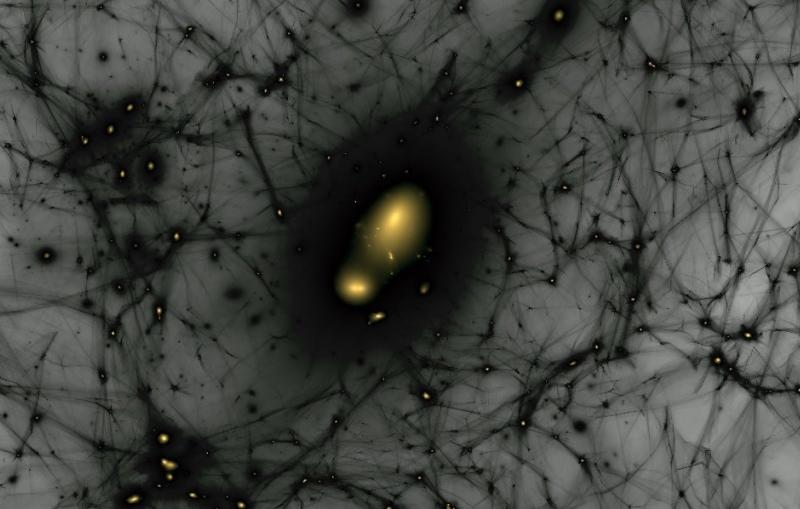
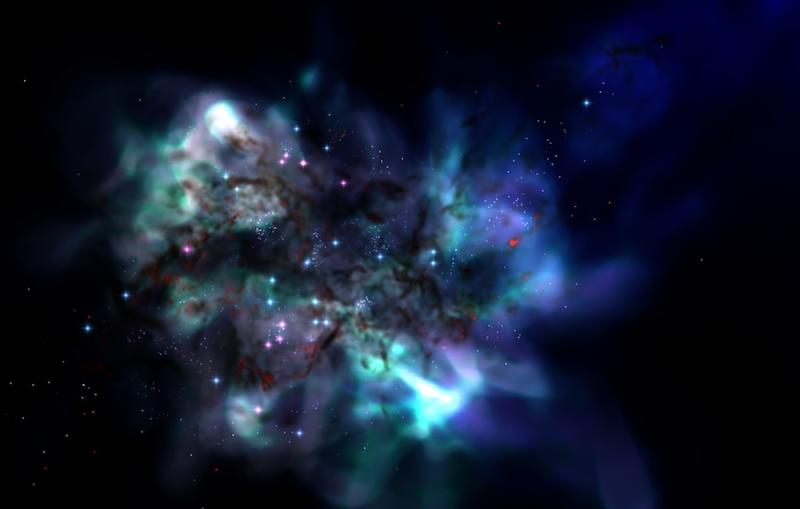
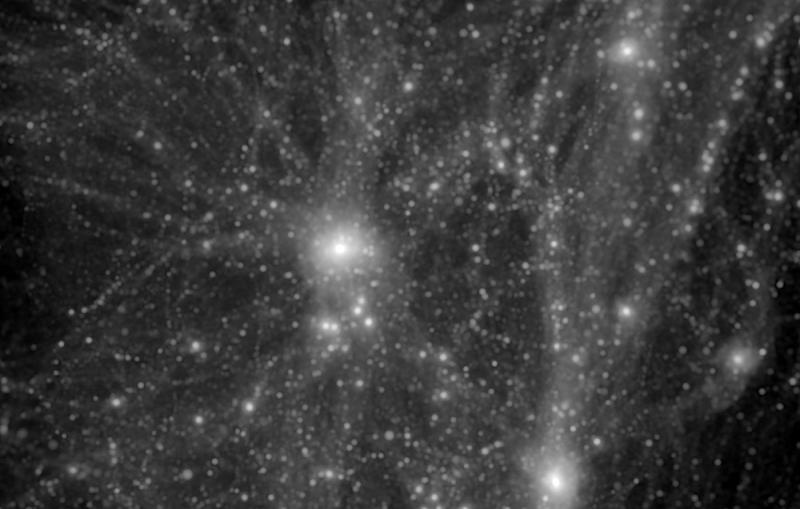
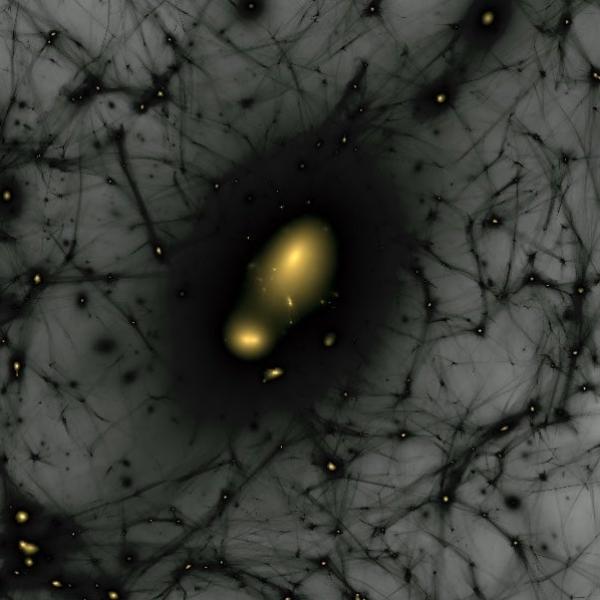
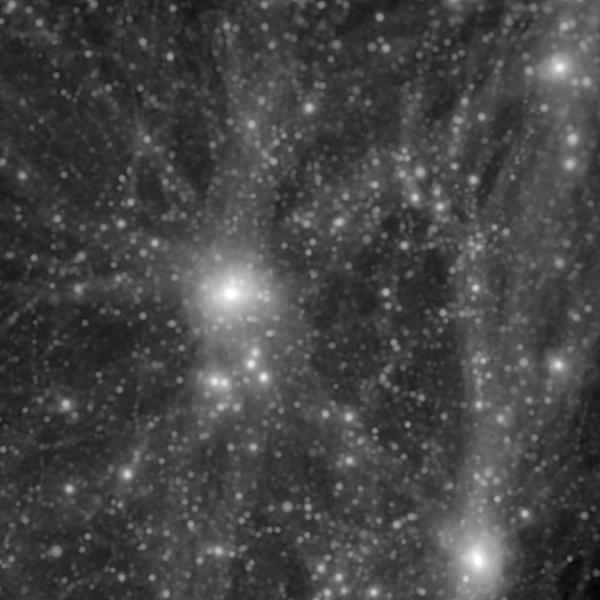
Dwarf Galaxy 3.
(Visualization by Ralf Kaehler and Tom Abel. Simulation by John Wise, Tom Abel/The Kavli Foundation/SLAC National Accelerator Laboratory/Stanford University)
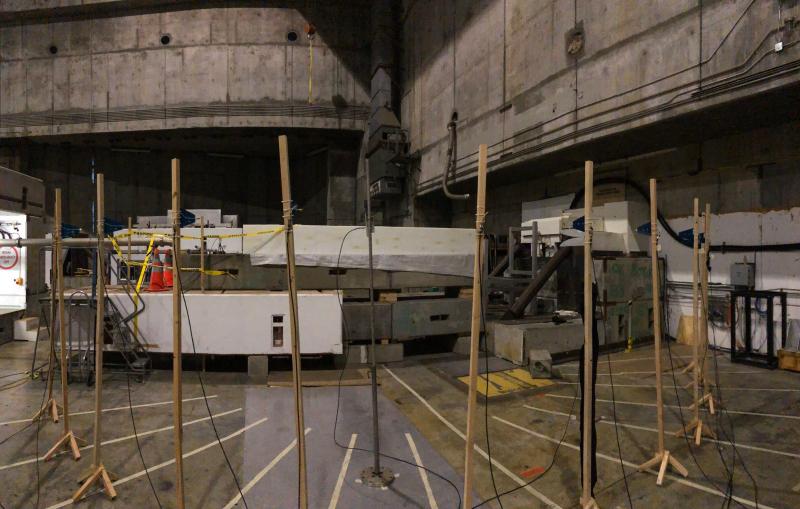
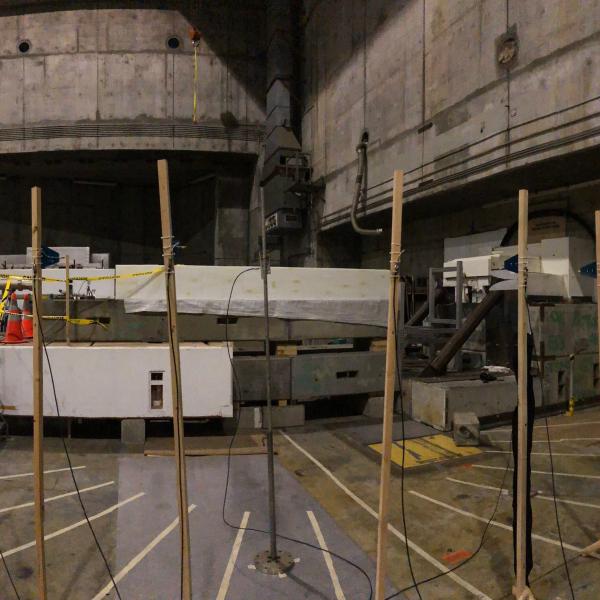
A cheap technique could detect neutrinos in polar ice, eventually allowing researchers to expand the energy reach of IceCube without breaking the bank.
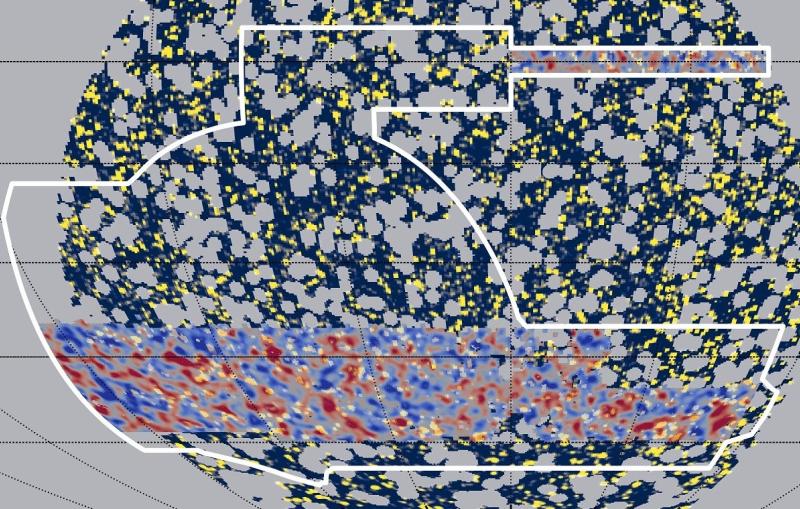
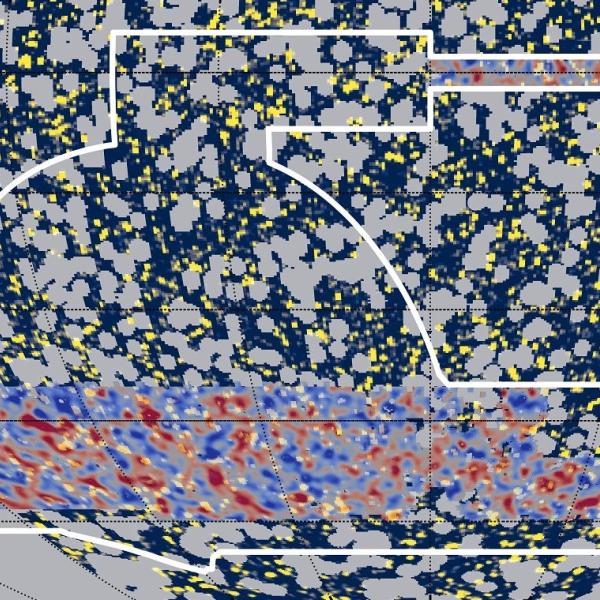
Matching up maps of matter and light from the Dark Energy Survey and Fermi Gamma-ray Space Telescope may help astrophysicists understand what causes a...
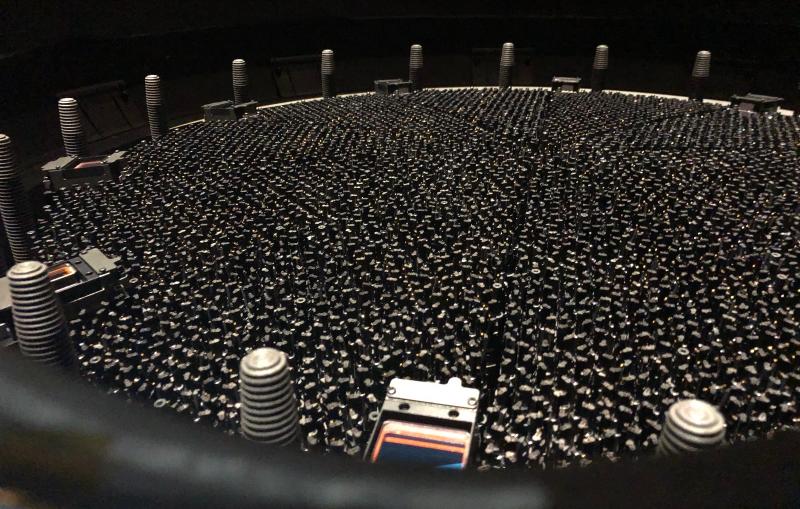
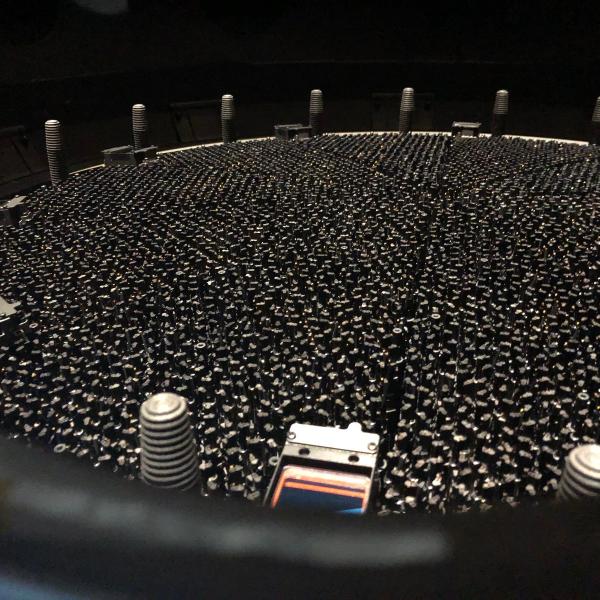
The Dark Energy Spectroscopic Instrument begins final testing, setting the stage for a 5-year survey that will analyze the light of 35 million galaxies.
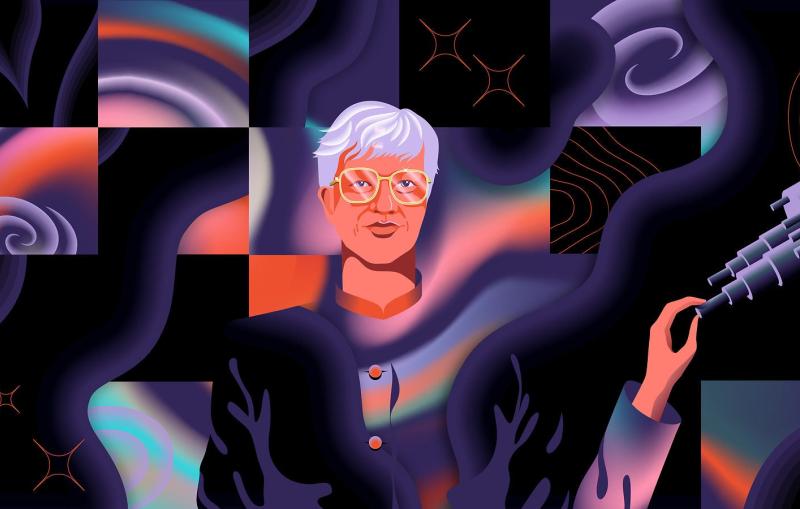
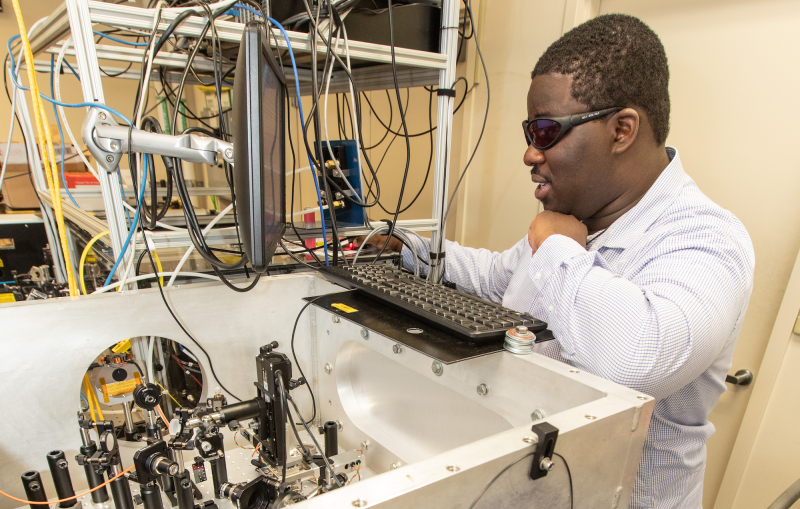
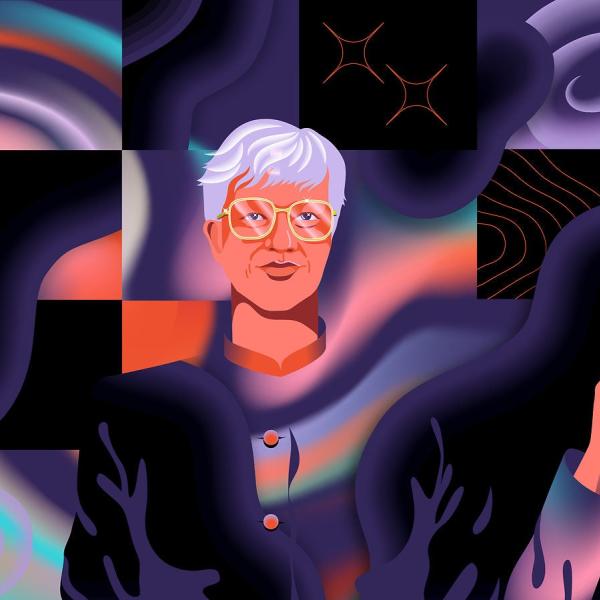
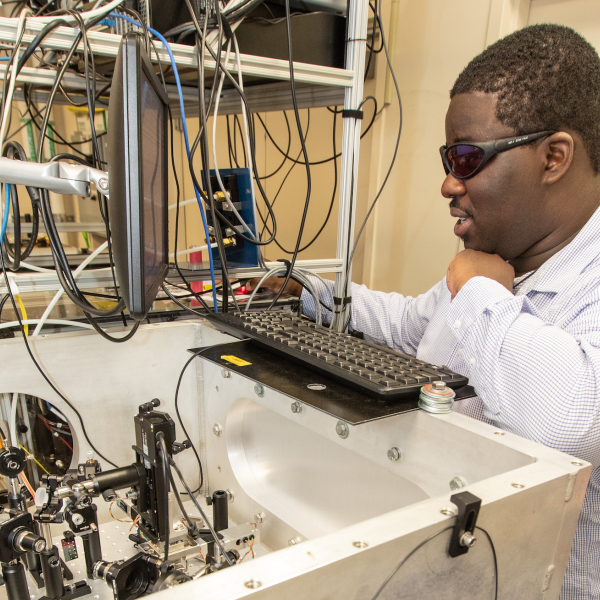
Chemist Ben Ofori-Okai investigates what happens to matter under extreme conditions at microscopic scales to better understand its behavior at massive scales, such as...
Just like we orbit the sun and the moon orbits us, the Milky Way has satellite galaxies with their own satellites. Drawing from data on those galactic neighbors, a new model suggests the Milky Way should have an additional 100...
A cheap technique could detect neutrinos in polar ice, eventually allowing researchers to expand the energy reach of IceCube without breaking the bank.
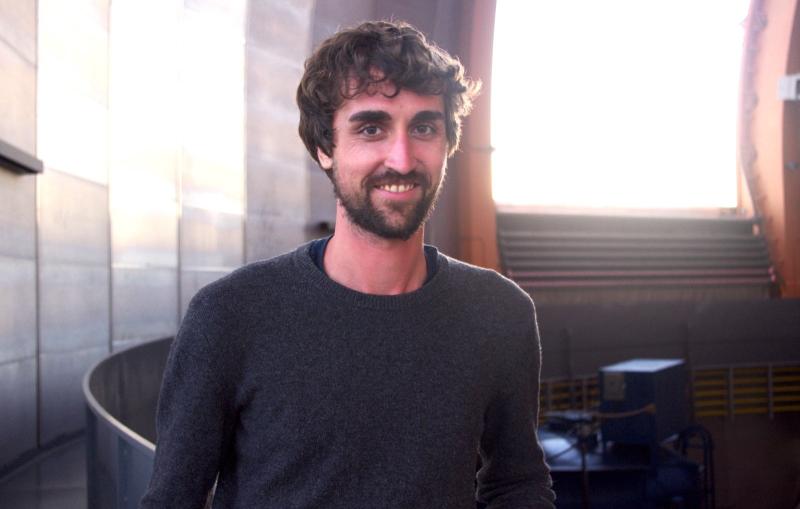
Matching up maps of matter and light from the Dark Energy Survey and Fermi Gamma-ray Space Telescope may help astrophysicists understand what causes a faint cosmic gamma-ray glow.
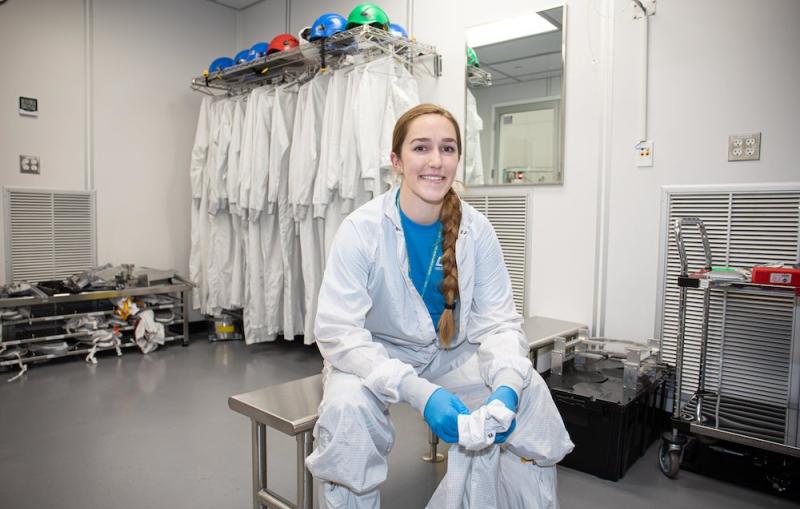
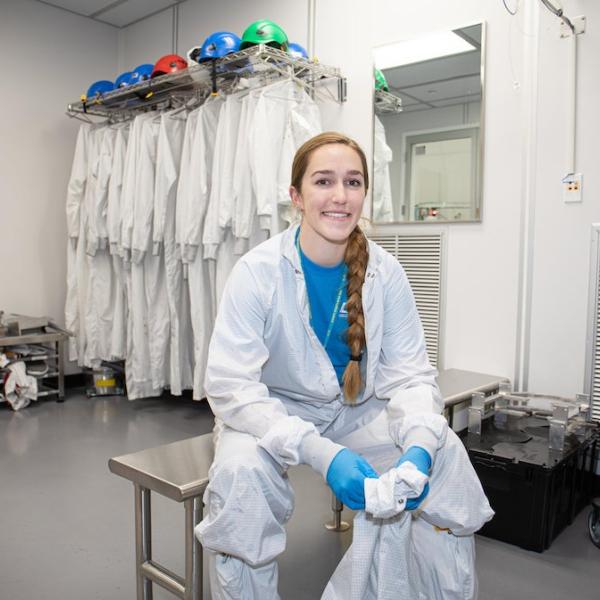
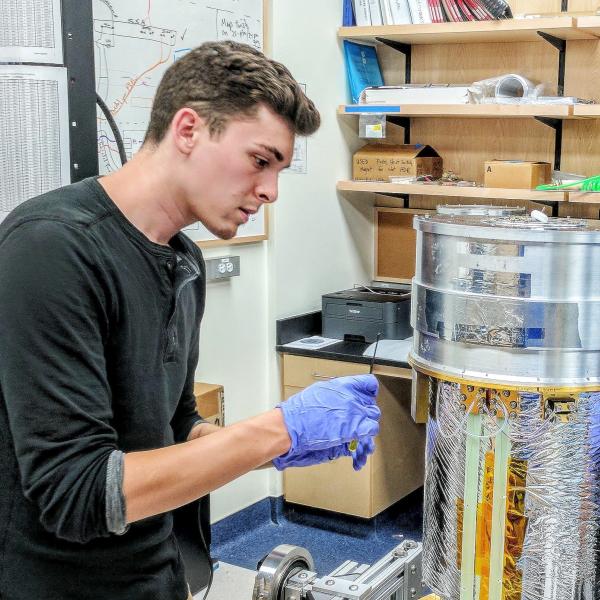
As the massive LSST camera project reaches its culmination, Hannah Pollek is one of the engineers in the clean room each day putting the pieces together.
The Dark Energy Spectroscopic Instrument begins final testing, setting the stage for a 5-year survey that will analyze the light of 35 million galaxies.
Chemist Ben Ofori-Okai investigates what happens to matter under extreme conditions at microscopic scales to better understand its behavior at massive scales, such as what happens in the Earth’s core.