

SLAC topics

Astrophysics and cosmology RSS feed

SLAC’s astrophysicists and cosmologists pursue top-priority research on topics including dark matter and dark energy, the formation of galaxies and cosmic evolution. 

Related link:
Astrophysics and cosmology
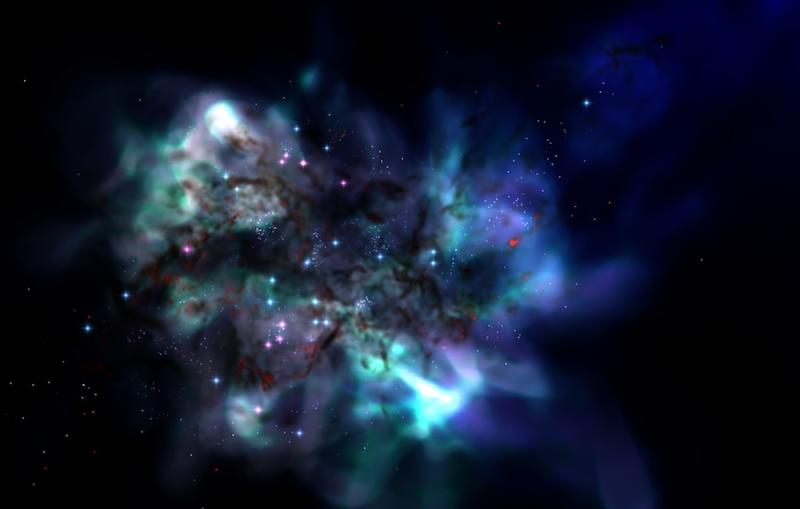
Dwarf Galaxy 3.
Feature

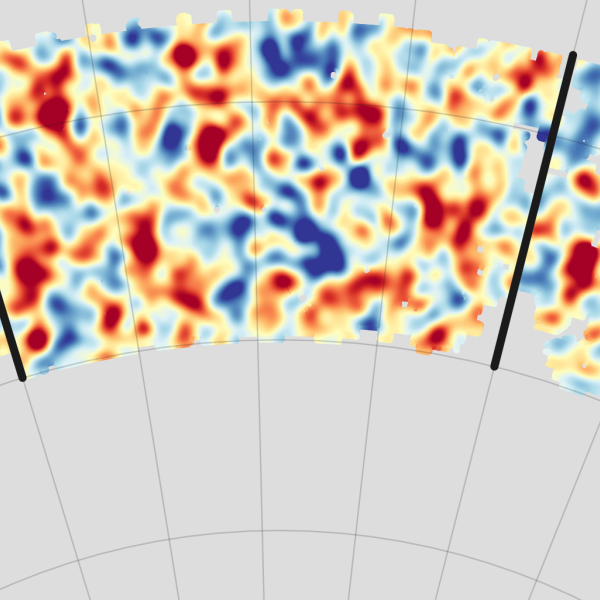
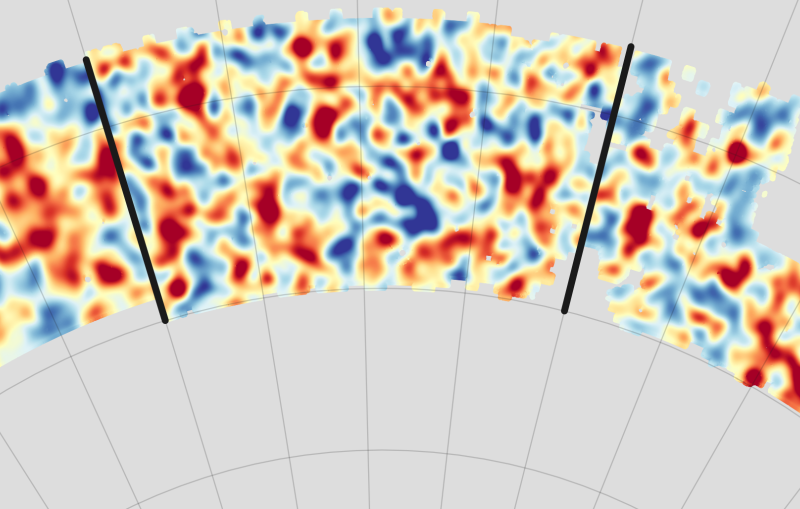
For the first time, DES scientists can combine measurements of the distribution of matter, galaxies, and galaxy clusters to advance our understanding of dark...

A map of the sky showing the density of galaxy clusters, galaxies and matter
Feature

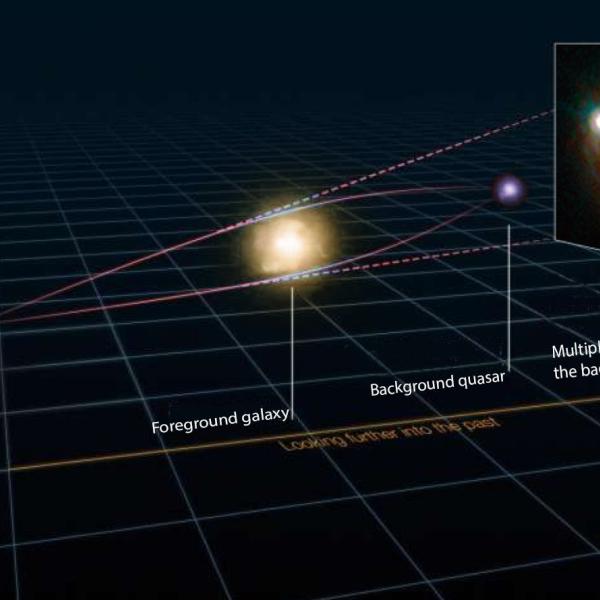
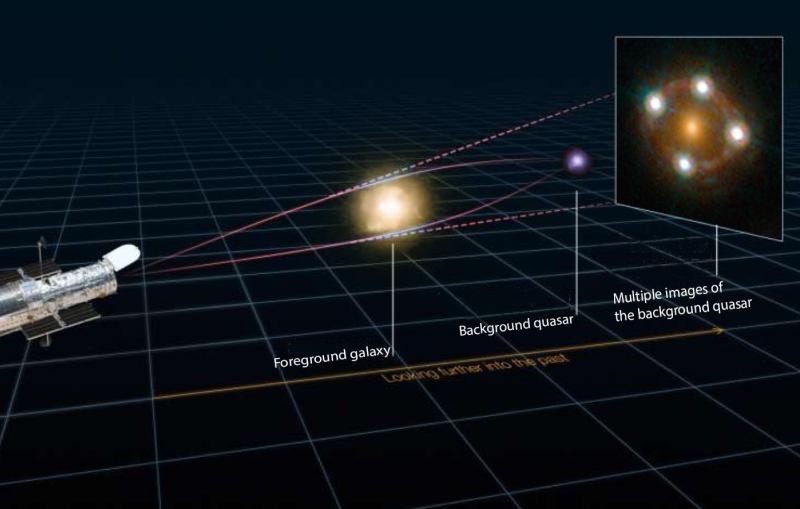
SLAC cosmologists are using multiple images of the same quasars, produced by massive galaxies’ gravitational pull, to calibrate cosmic distances. Their work may help...

Light from a distant quasar bends around a galaxy, creating four images of the quasar.
Feature

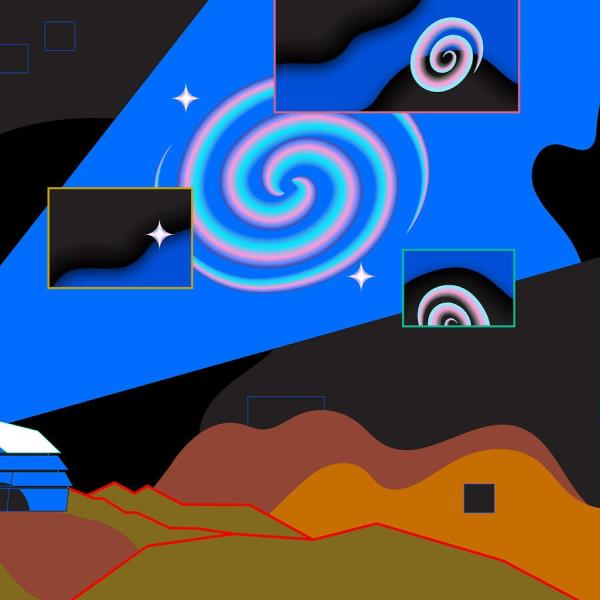
Rubin Observatory will bring new capabilities to the studies of dark matter and dark energy.

Illustration of Vera Rubin Observatory
Feature

Daniel Ratner, head of SLAC’s machine learning initiative, explains the lab’s unique opportunities to advance scientific discovery through machine learning.

Physicist Daniel Ratner.
News Release

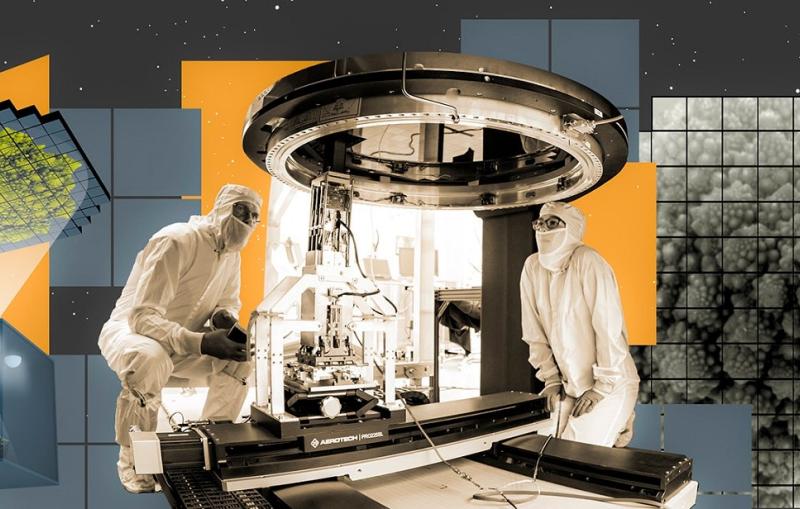
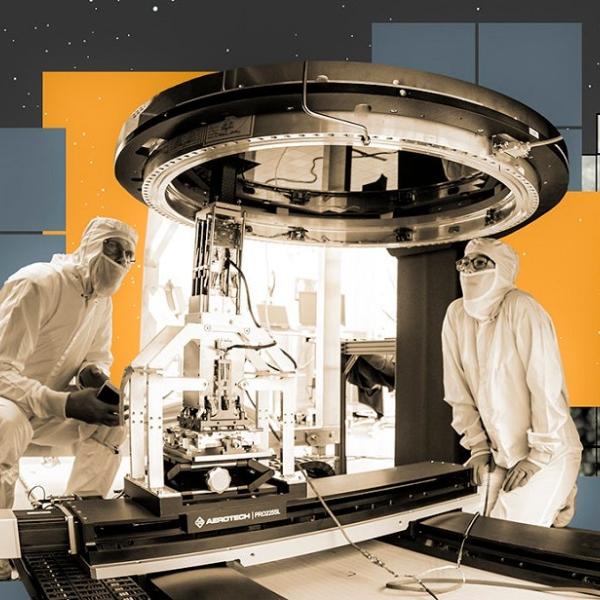
The camera will explore cosmic mysteries as part of the Rubin Observatory’s Legacy Survey of Space and Time.

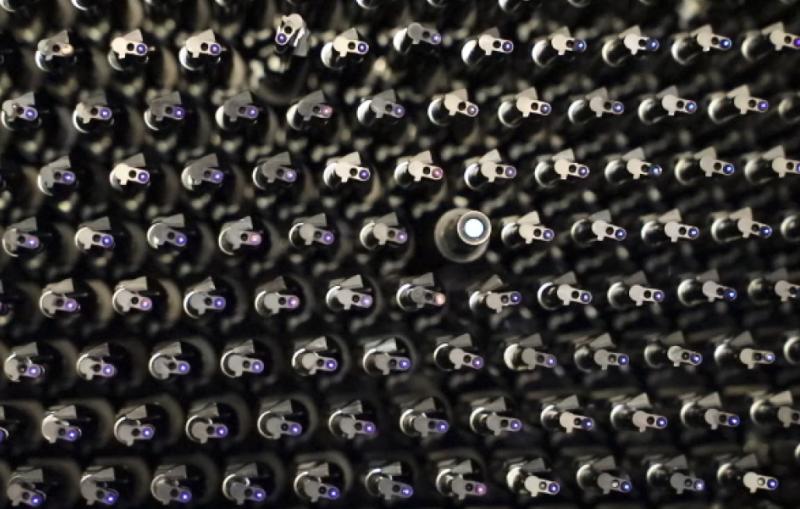
LSSTCam Focal Plane Header
Feature

Their work uses machine learning to transform the way scientists tune particle accelerators for experiments and solve longstanding mysteries in astrophysics and cosmology.

Portraits of Auralee Edelen and Kimmy Wu
Feature

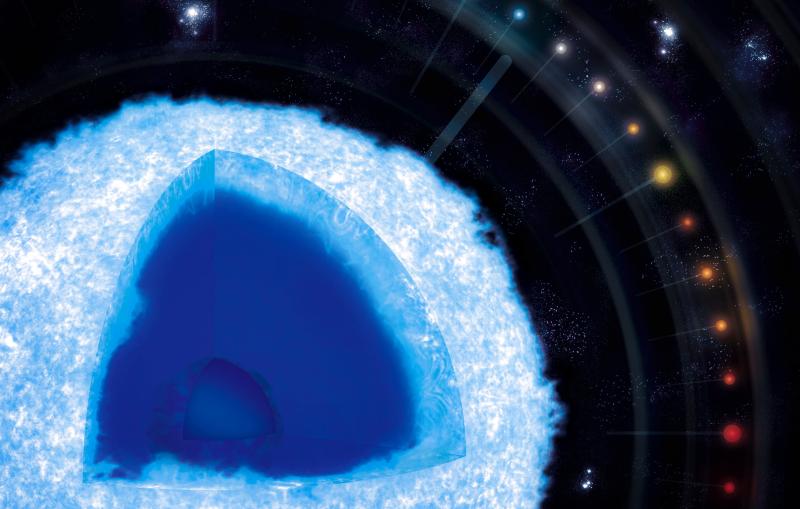
Researchers developed a way to measure the basic properties of matter at the highest pressures thus far achieved in a controlled laboratory experiment.

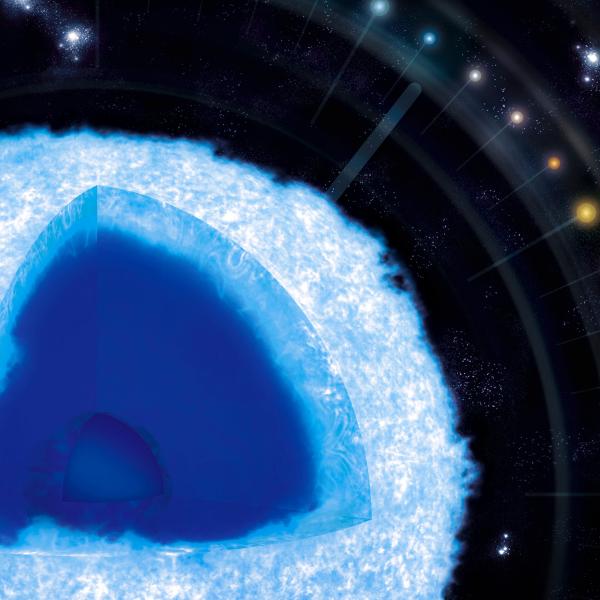
White dwarf
Feature

Observations of dwarf galaxies around the Milky Way have yielded simultaneous constraints on three popular theories of dark matter.

simulations of distribution of dark matter around a galaxy
Feature

New research could offer insights into the formation of planets like Earth and inform the design of more resilient materials.

Iron impact header
Feature

It could offer insights into the evolution of planetary systems and guide scientists hoping to harness nuclear fusion as a new source of energy.

Scattered photons
Feature

In experiments at the National Ignition Facility, a SLAC-led team found new details about how supernovas boost charged particles to nearly the speed of...

A computer simulation of the turbulent magnetic fields in two plasma shock waves, which were created in the lab to mimic astrophysical shocks.
Feature

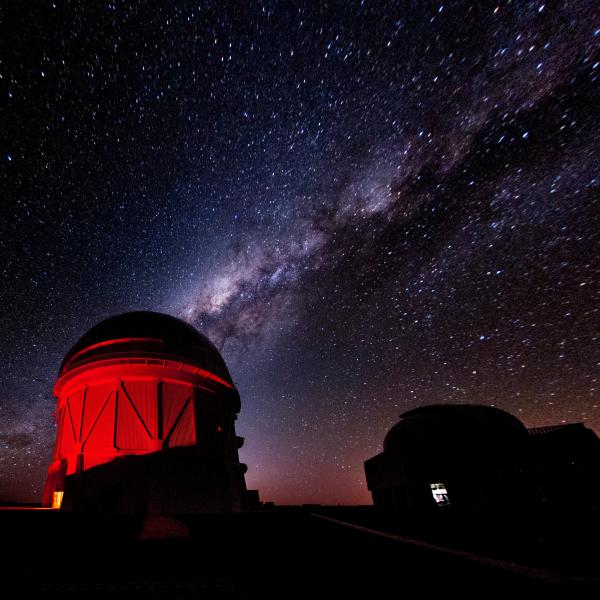
The Dark Energy Spectroscopic Instrument, which will map millions of galaxies in 3D from a mountaintop in Arizona, has reached its final milestone toward...

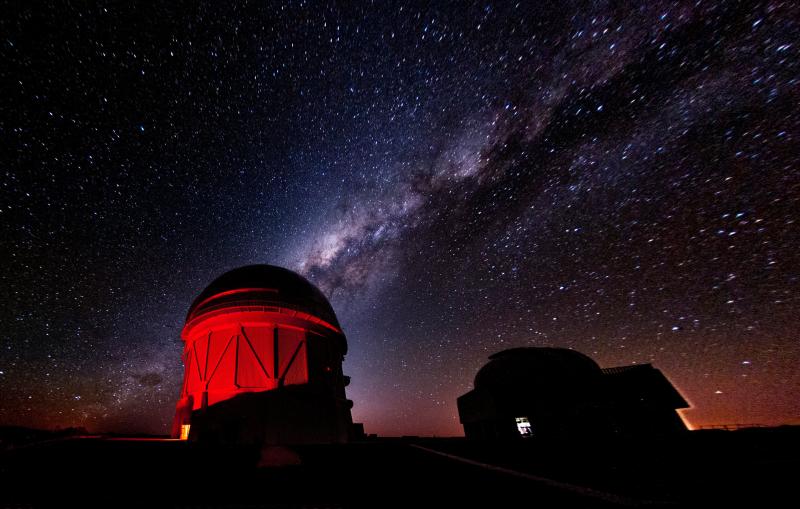
Mayall Telescope Star Trails