SLAC’s astrophysicists and cosmologists pursue top-priority research on topics including dark matter and dark energy, the formation of galaxies and cosmic evolution.
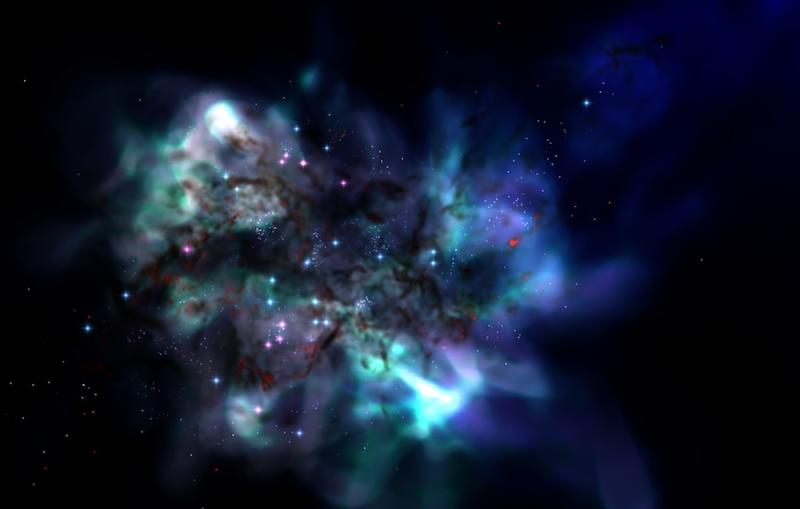
Dwarf Galaxy 3.
(Visualization by Ralf Kaehler and Tom Abel. Simulation by John Wise, Tom Abel/The Kavli Foundation/SLAC National Accelerator Laboratory/Stanford University)
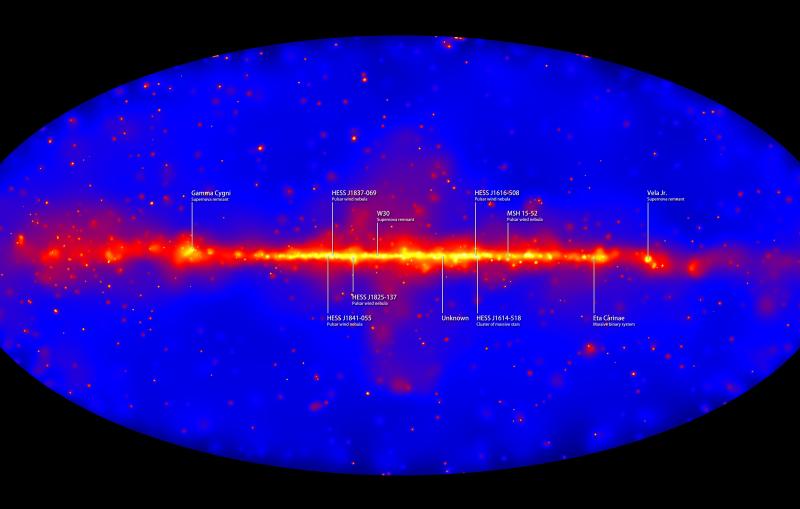
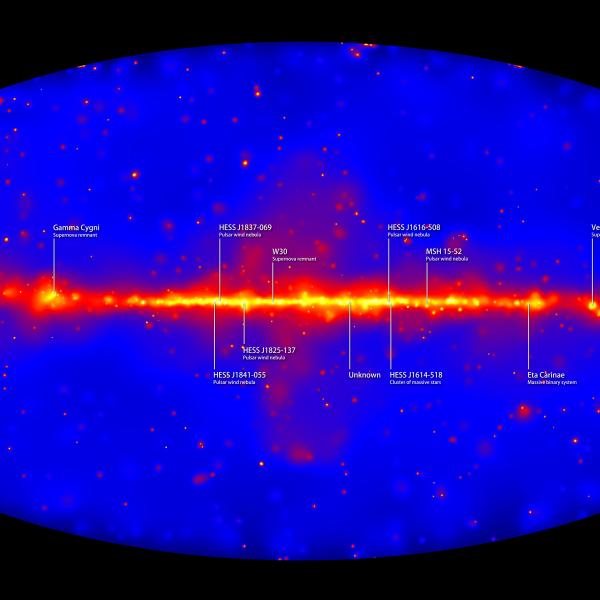
Fermi scientist Matthew Wood discusses major improvements to the Fermi Large Area Telescope, including increasing its sensitivity to the equivalent of launching another LAT.
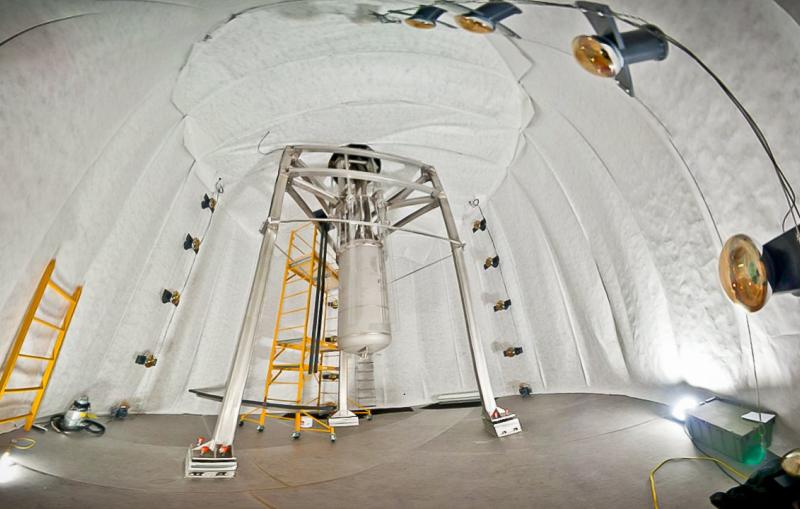
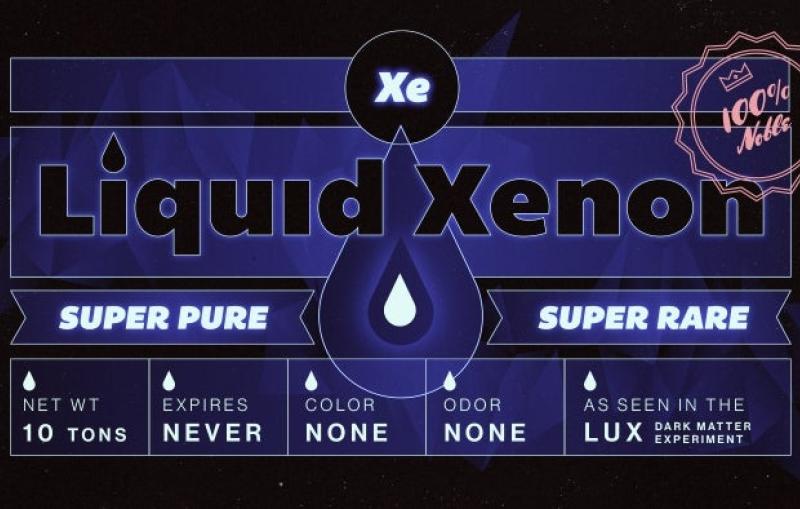
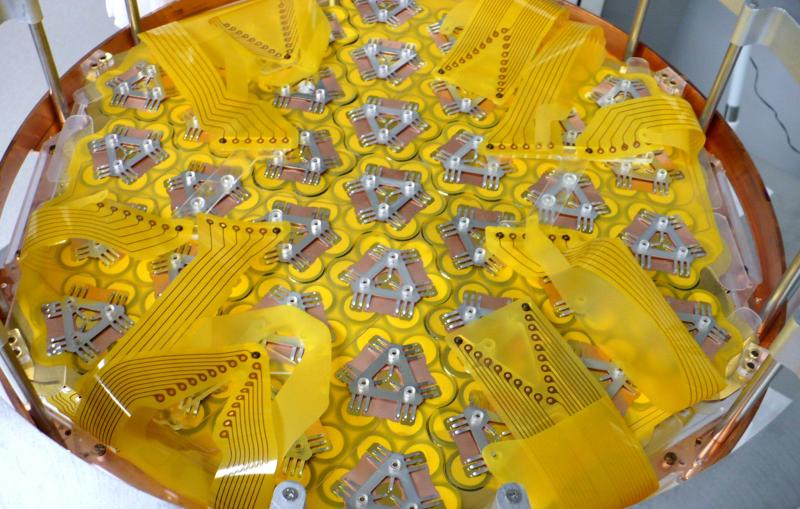
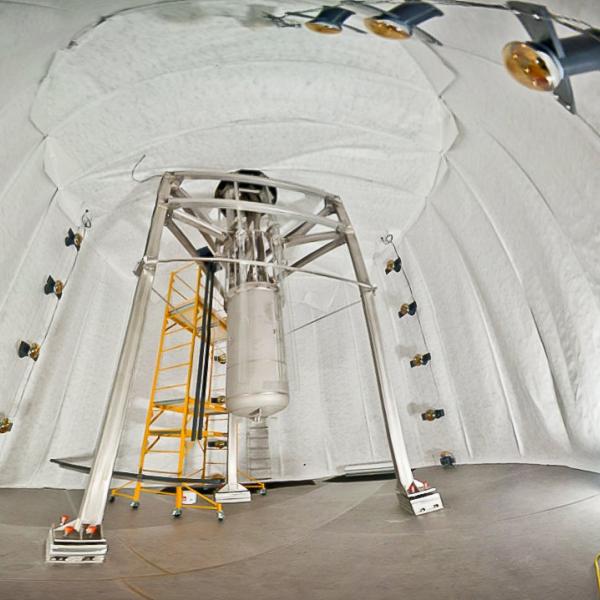
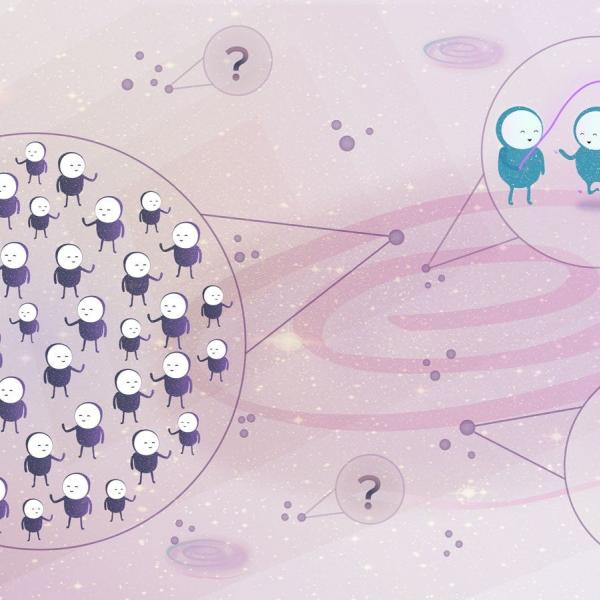
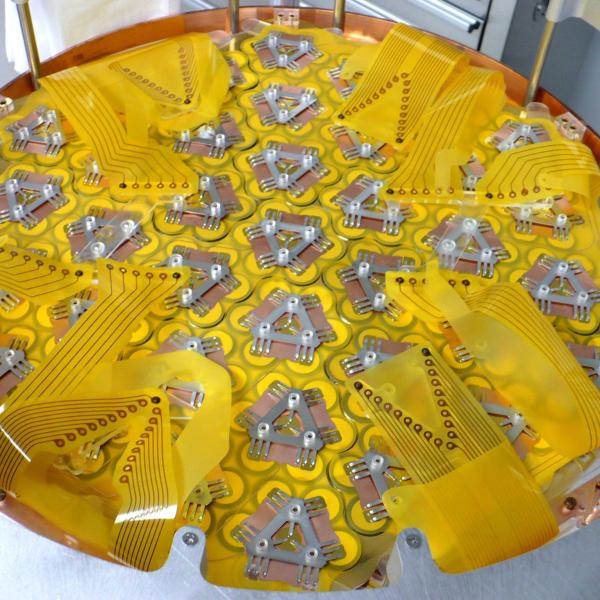
Dark matter hunters of the LUX collaboration have ruled out a larger-than-ever range of properties that hypothetical dark matter particles might have had.
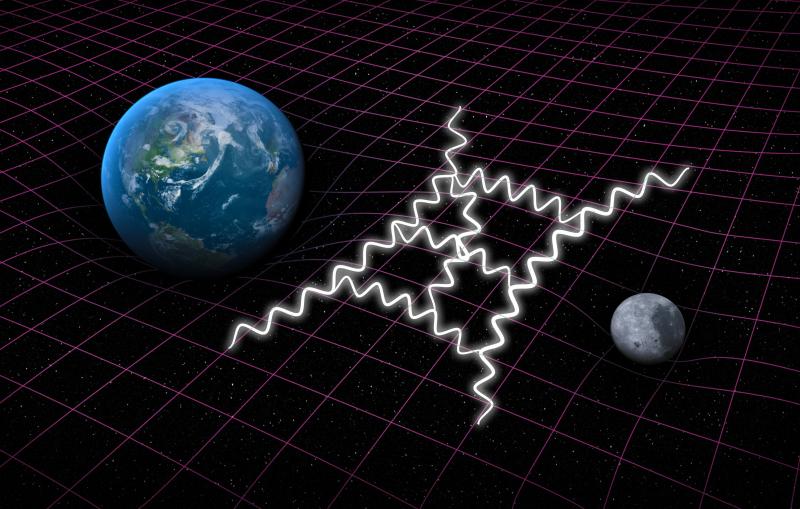
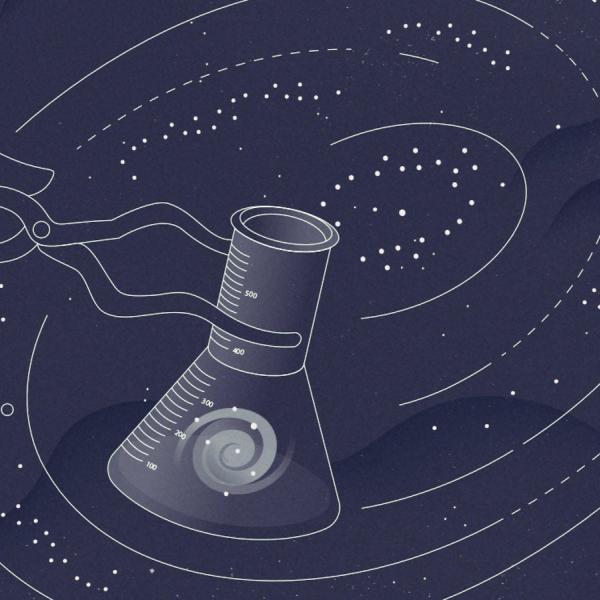
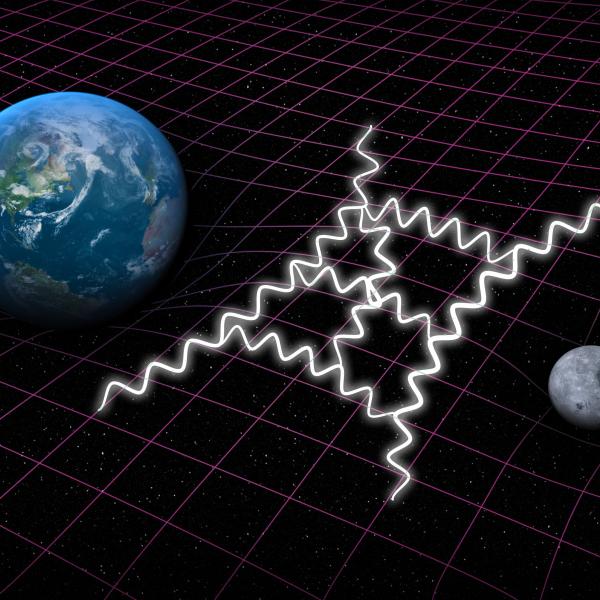
Researchers are searching for a quantum theory of gravity that could help answer fundamental questions about the universe, from the very first moments after...
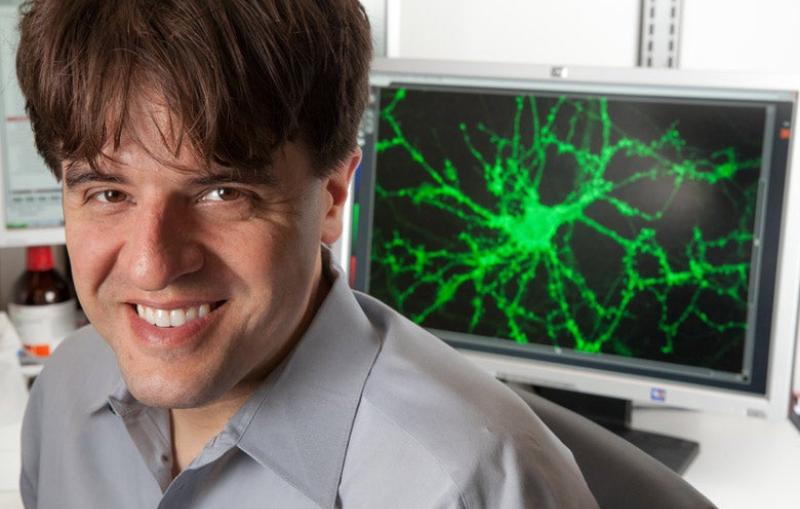
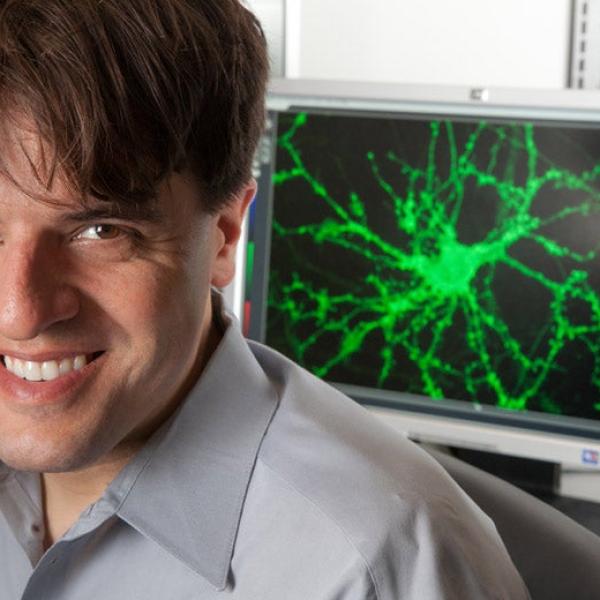
KIPAC's Leonardo Senatore was among three Stanford professors to receive awards during a star-studded award ceremony Sunday night. Karl Deisseroth (pictured) took a top...
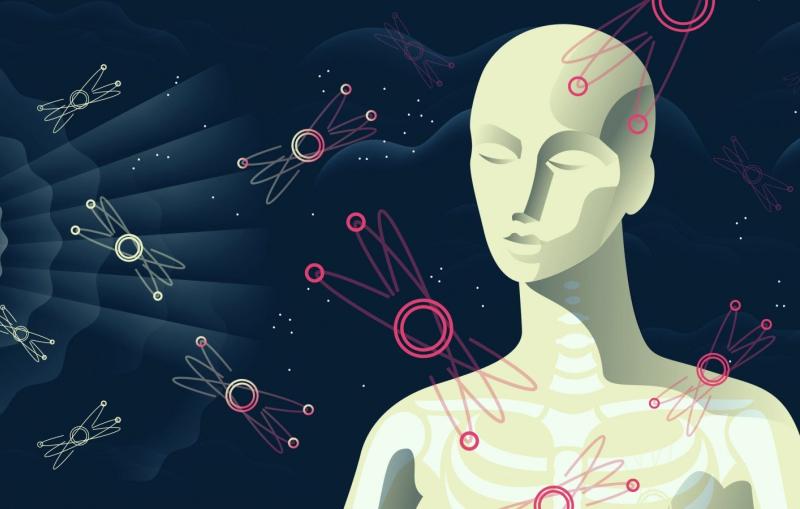
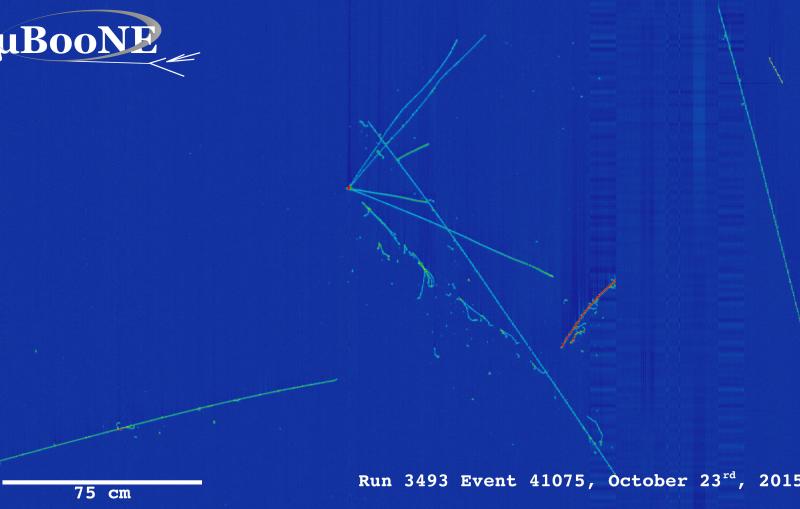
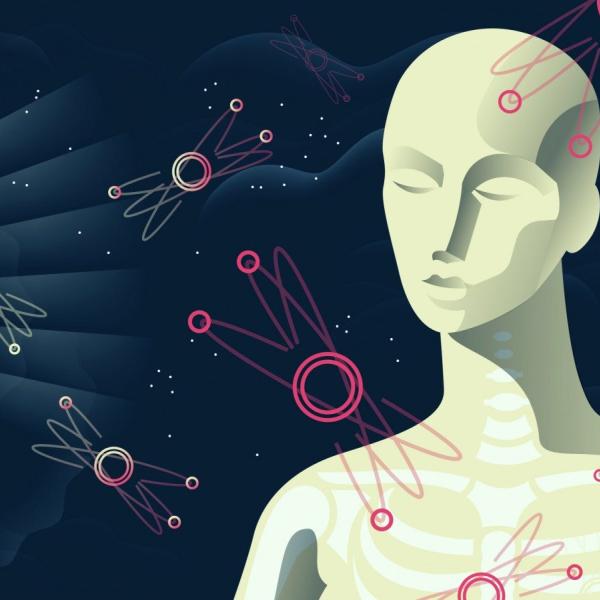
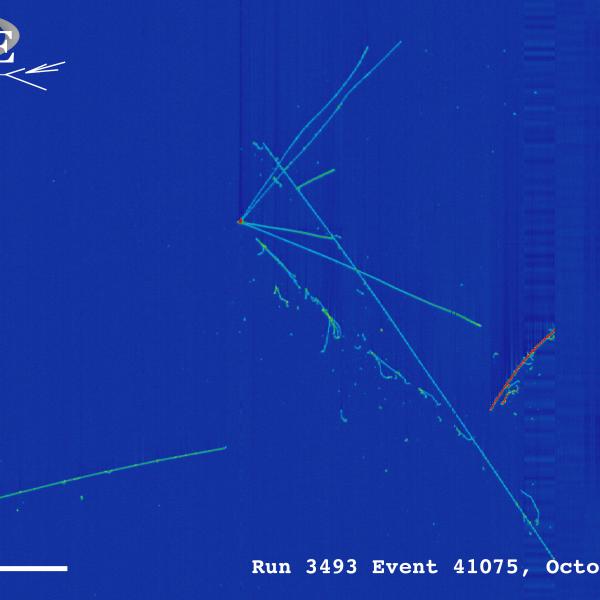
SLAC is ramping up its efforts to understand neutrinos – elusive fundamental particles whose properties may help researchers solve a number of cosmic mysteries.
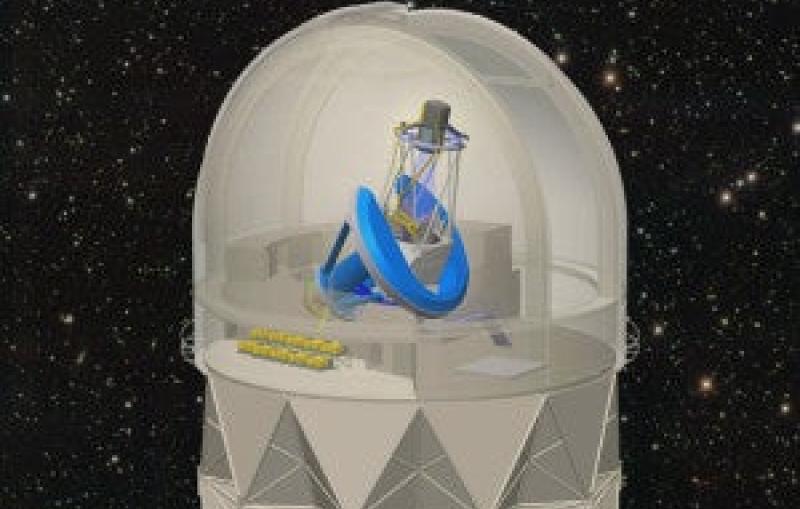
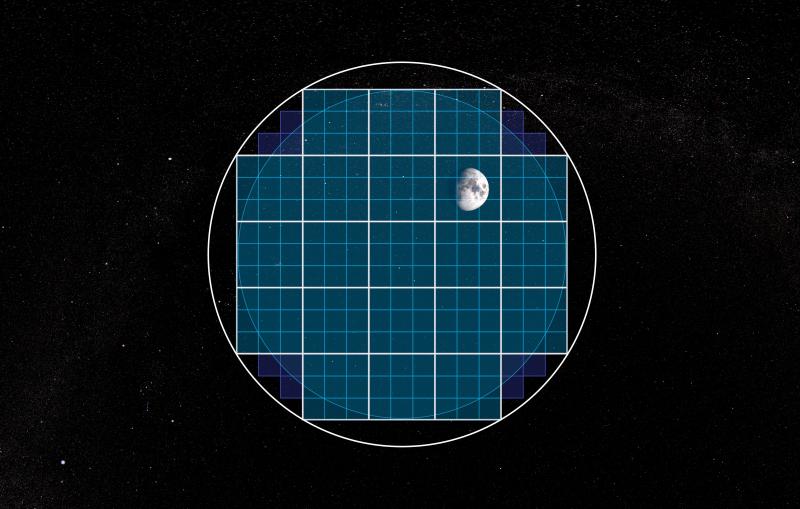
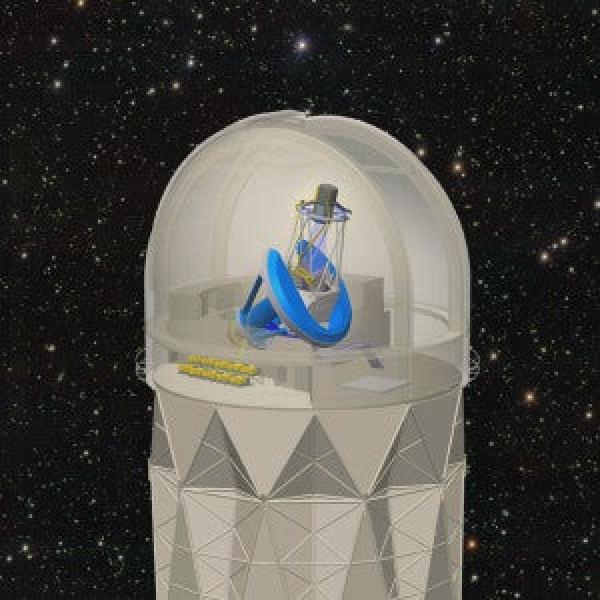
The DOE has approved the project’s scientific scope, schedule and funding. SLAC researchers are among the 200 physicists and astronomers who make up the...
Fermi scientist Matthew Wood discusses major improvements to the Fermi Large Area Telescope, including increasing its sensitivity to the equivalent of launching another LAT.
Dark matter hunters of the LUX collaboration have ruled out a larger-than-ever range of properties that hypothetical dark matter particles might have had.
Researchers are searching for a quantum theory of gravity that could help answer fundamental questions about the universe, from the very first moments after the Big Bang to the physics of black holes.
KIPAC's Leonardo Senatore was among three Stanford professors to receive awards during a star-studded award ceremony Sunday night. Karl Deisseroth (pictured) took a top honor with a $3 million Breakthrough Prize in life science.
SLAC is ramping up its efforts to understand neutrinos – elusive fundamental particles whose properties may help researchers solve a number of cosmic mysteries.
The DOE has approved the project’s scientific scope, schedule and funding. SLAC researchers are among the 200 physicists and astronomers who make up the international DESI Collaboration.