
SLAC topics

AI and machine learning RSS feed

Artificial intelligence (AI) simply means intelligence in machines, in contrast to natural intelligence found in humans and other natural organisms. Machine learning involves systems that automatically learn from the data they analyze and the results they obtain to improve their ability to work with that data in the future.

AI and ML at SLAC

DOE explains... artificial intelligence

Browse tagged content
Artistic representation of a neural network superimposed on an electron beam profile
News Release

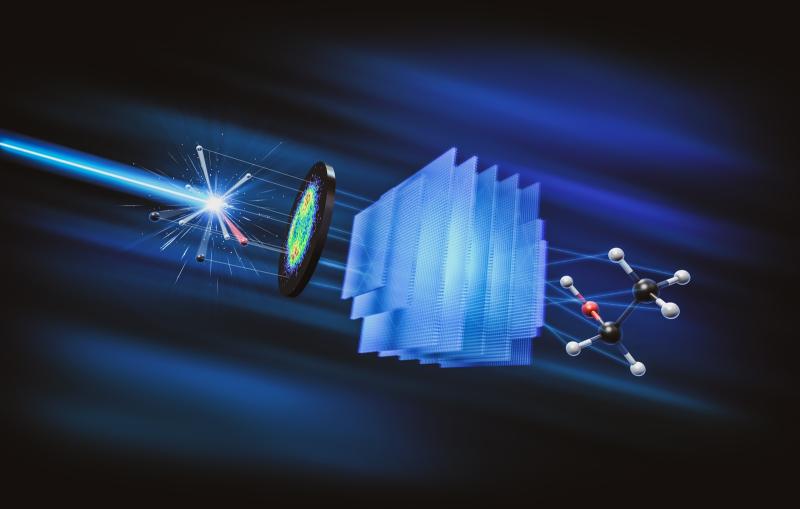
Surfing a plasma wave, electrons get an energy and brightness boost.

Illustration of electrons traveling through a plasma chamber
Feature

The SLAC team is developing digital twins – powered by AI and high-performance computing – to help quickly shape high-quality particle beams for the...

hand pointing to digital twin
News Brief

A new machine learning algorithm rapidly reconstructs 3D images from X-ray data. 

Schematic of a machine learning algorithm that reconstructs 3D images from X-ray data
Multimedia

His visit highlighted the breadth of our world-class research and the people and collaborations that make it possible. A key theme of the day...

U.S. Deputy Secretary of Energy Danly watches a simulation of dark matter.
Feature

With a suite of reimagined instruments, researchers take up scientific inquiries that were out of reach just one year ago. 

Large metallic machine in a lab, featuring valves, circular bolts, and digital displays with surrounding wires and tubing.
Feature

Researchers aim to refine control room tools, improve training, and pave the way for smarter cooperation between humans and machines by studying how operators...

Human in the loop
Feature

The microelectronics that power daily life and speed discoveries in science and technology are the focus of a bold new vision to make them...

photo of detector
Feature

AI is playing a key role in helping SLAC researchers find new galaxies and tiny neutrinos, and discover new drugs.

Diffraction pattern
Feature

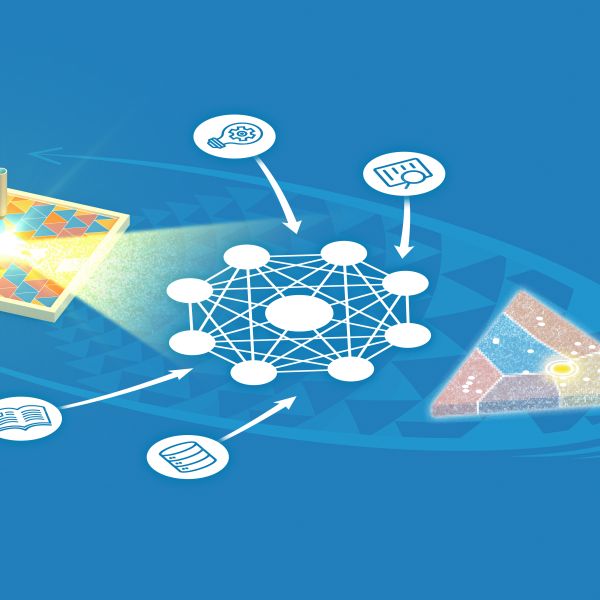
Researchers across the lab are developing AI tools to harness data and particle beams in real time and make molecular movies, speeding up the...

Graphic of AI in several science areas
Feature

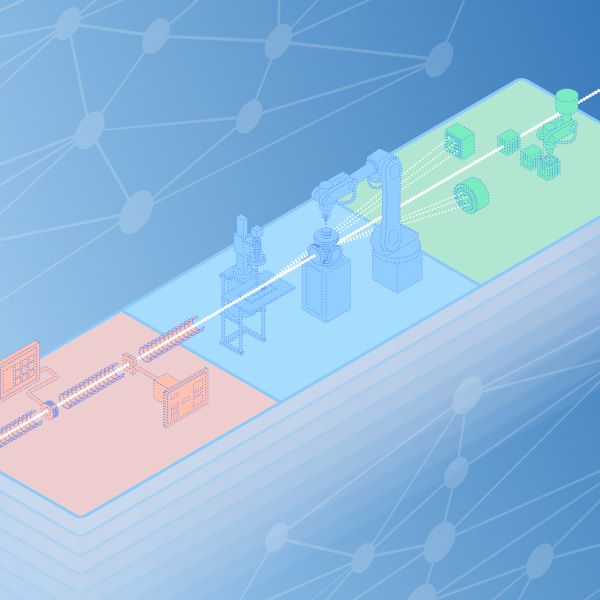
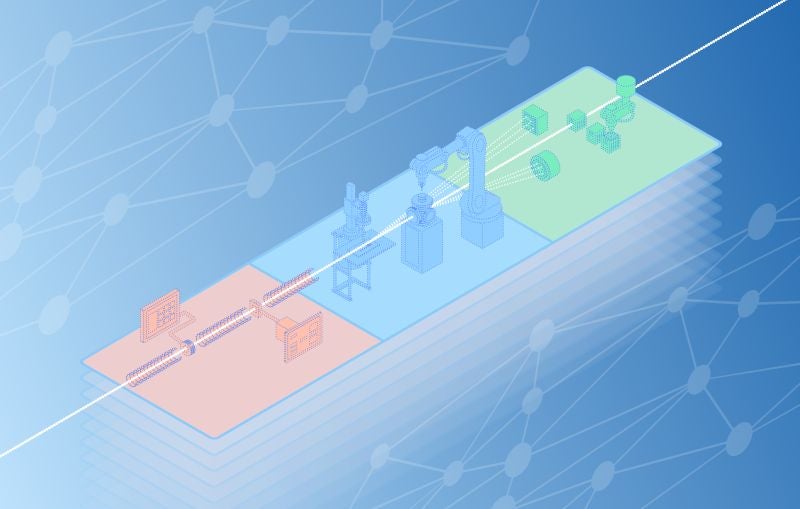
SLAC is leading an effort to build a network that will enable AI and machine learning to steer experiments and more.

Images of molecules, spirals, and lasers surround a lens peering on the earth.
Feature

The prototype DUNE 2x2 detector will capture up to 10,000 neutrino interactions per day.

Two people in blue helmets examine experimental equipment.
Feature

Digital design engineer Abhilasha Dave’s passion for connecting machine learning and hardware is helping SLAC solve big data challenges.

Photo of Abhilasha Dave in her office