SLAC topics

Advanced accelerator R and D RSS feed

New technologies, such as "plasma wakefield" accelerators, can boost electrons to very high energies in very short distances. This could lead to linear accelerators that are 100 times more powerful, boosting electrons to a given energy in one hundredth the distance. 

Related link: Advanced accelerators

Browse tagged content below
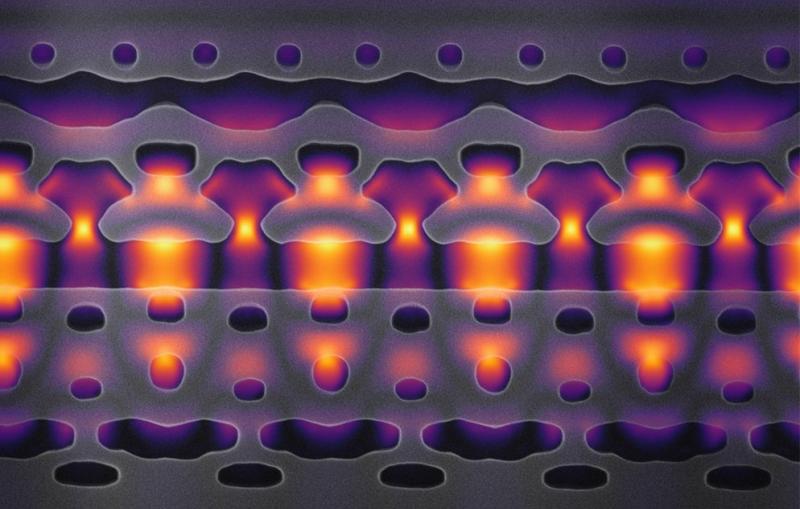
This image, magnified 25,000 times, shows a section of an accelerator-on-a-chip.
News Release

Scientists have demonstrated that a promising technique for accelerating electrons on waves of hot plasma is efficient enough to power a new generation of...

SLAC researchers Spencer Gessner and Sebastien Corde
Feature

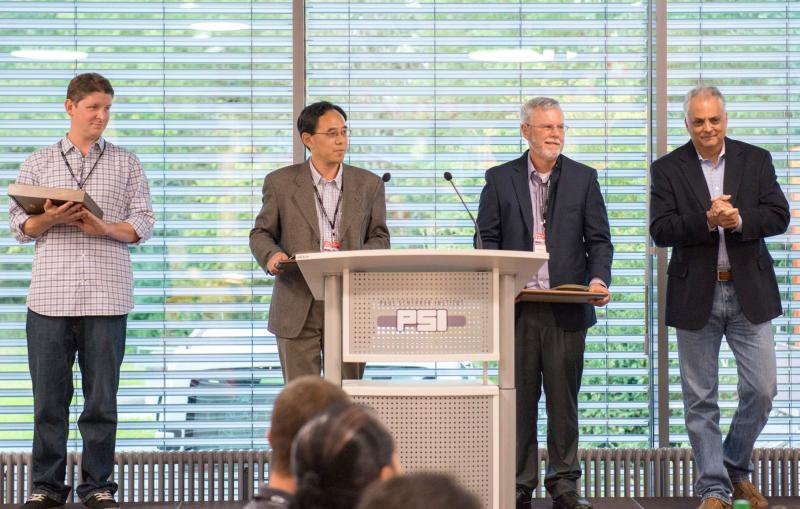
Zhirong Huang, Bill Fawley and Erik Hemsing Honored at Annual Free-electron Laser Conference

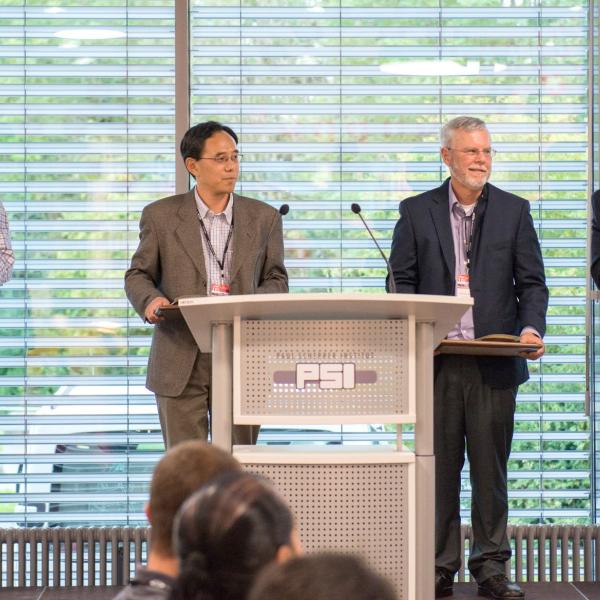
Image - From left, SLAC's Erik Hemsing, Zhirong Huang and William Fawley accept awards during the 36th International Free Electron Laser Conference in Basel, Switzerland. At right is SLAC's Paul Emma, who served as this year's FEL Prize committee chairman
Feature

Last year, a monster magnet set out from Brookhaven National Lab on an epic trek by land and sea to Fermilab, where it will...

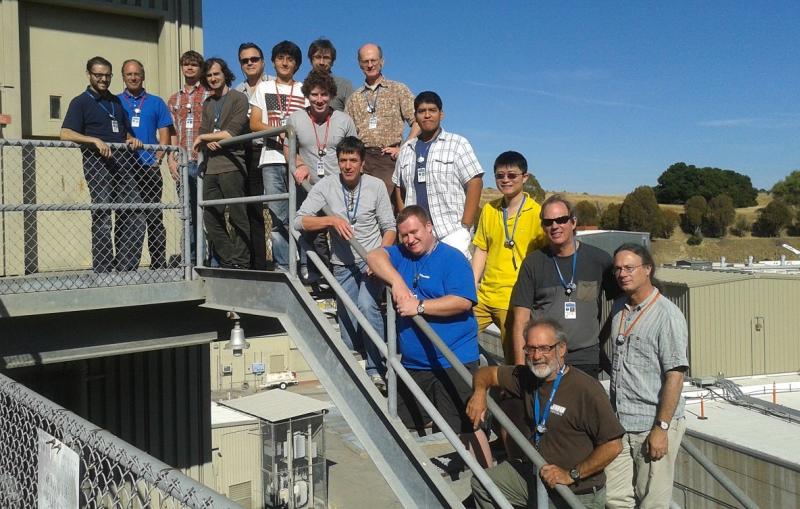
Photo – The Muon g-2 Detector Group
Feature

DOE-funded Program Benefits Companies, the Lab and Society

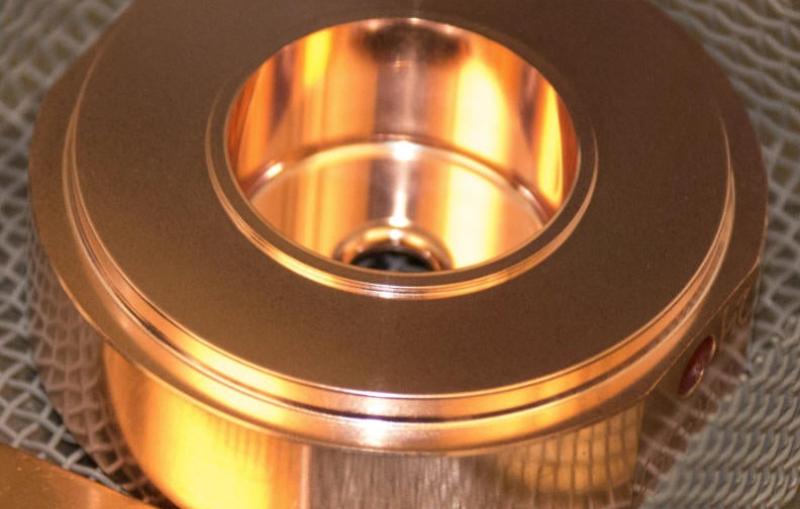
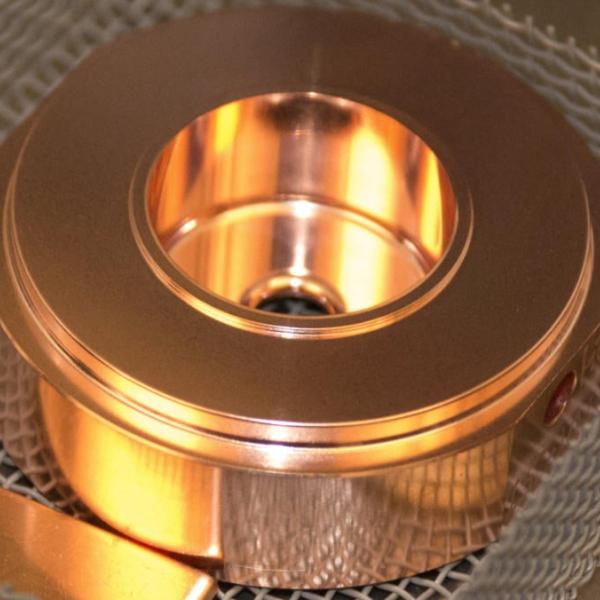
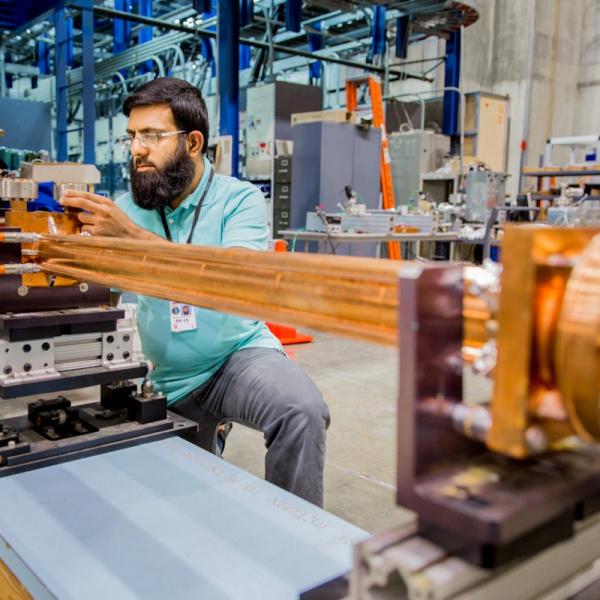
A copper acceleration cavity with an extremely thin coating of tungsten.
Feature

Linear Accelerator Generates First Positron Beams Since 2008

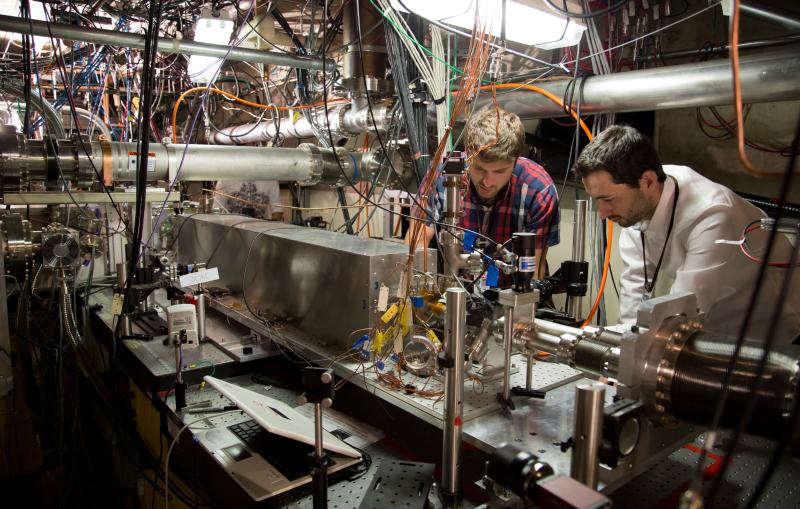
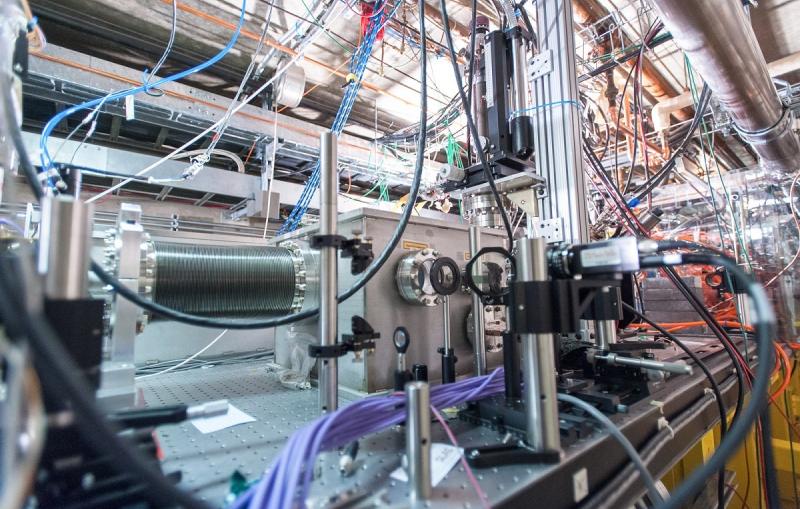
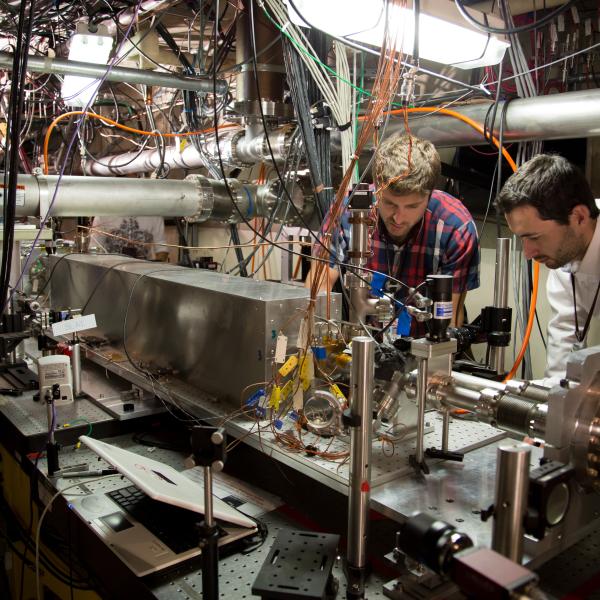
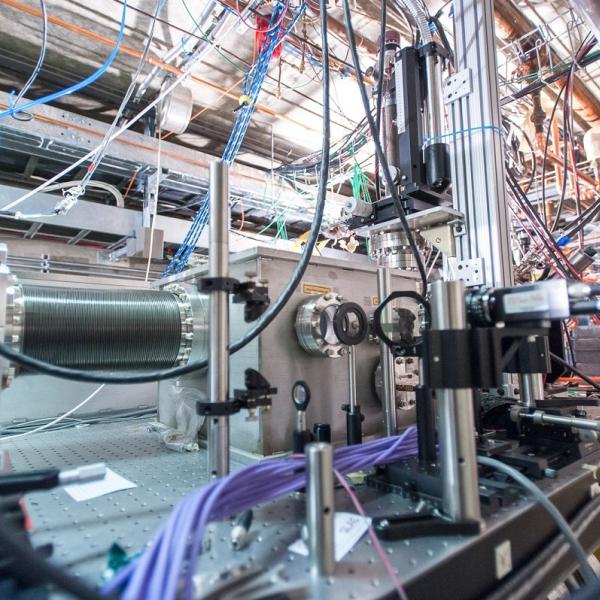
Photo – FACET instruments, including plasma oven for plasma wakefield experiments.
Feature

SLAC scientists have found a new way to produce bright pulses of light from accelerated electrons that could shrink "light source" technology used around...

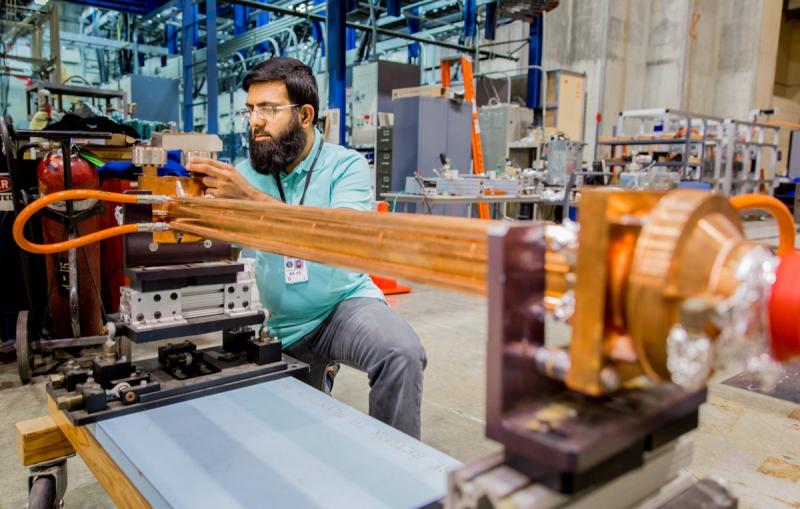
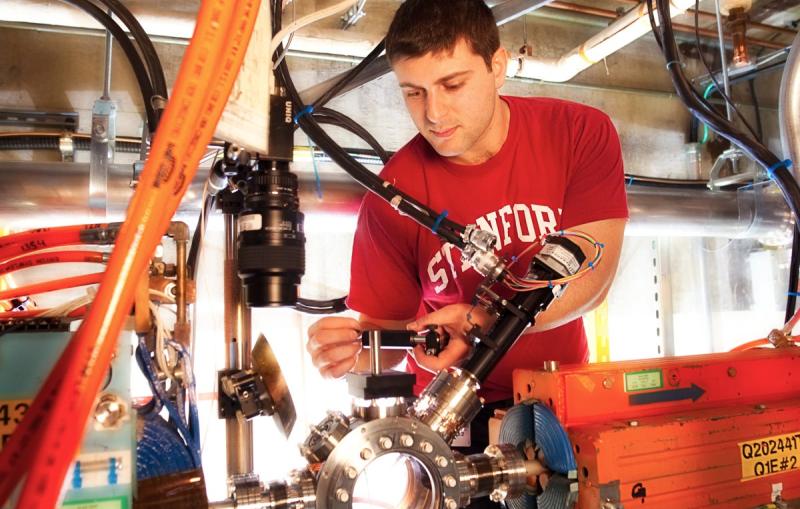
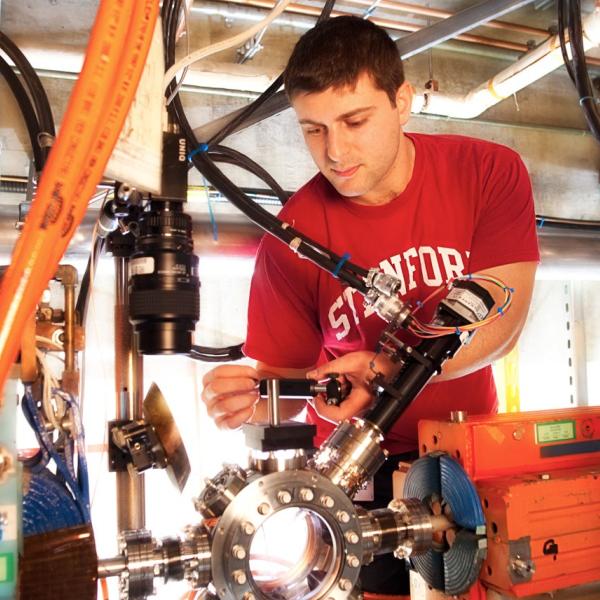
A PhD student inspects the microwave undulator.
Feature

SLAC recently hosted a forward-looking group of theoretical and experimental particle physicists. Their purpose: Follow the science to determine what a post-LHC collider could...

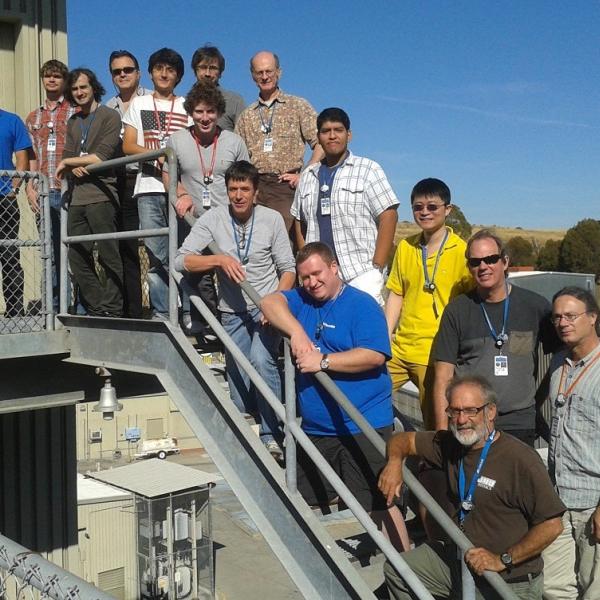
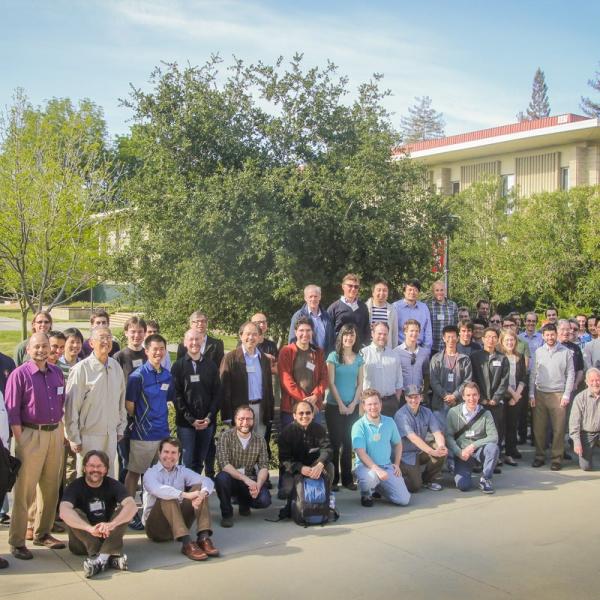
Photo - Members of the Physics at 100 TeV workshop
Feature

Agostino Marinelli, a postdoctoral researcher in the Accelerator Directorate, has been named the 2014 recipient of the Frank Sacherer Prize from the European Physical...

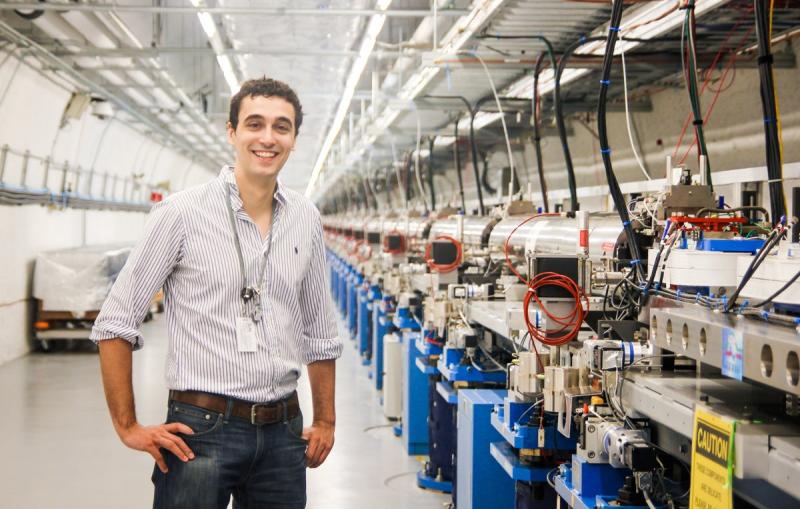
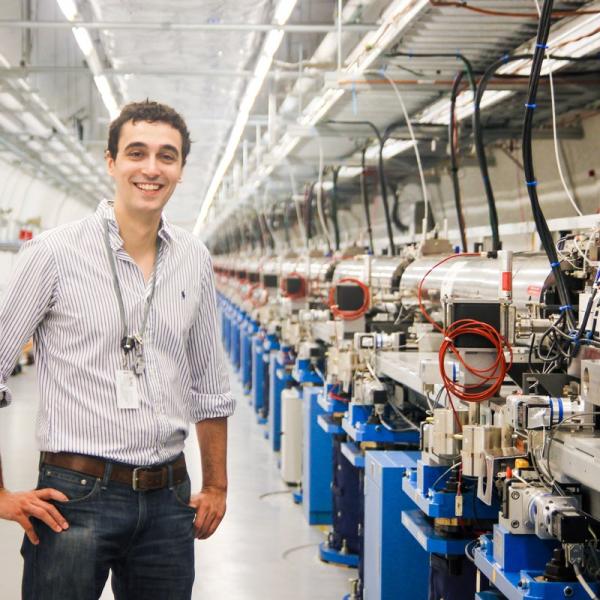
SLAC accelerator physicist Agostino Marinelli in the LCLS Undulator Hall
Feature

Five years ago, the brightest source of X-rays on the planet lit up at SLAC. The Linac Coherent Light Source (LCLS) X-ray laser's scientific...

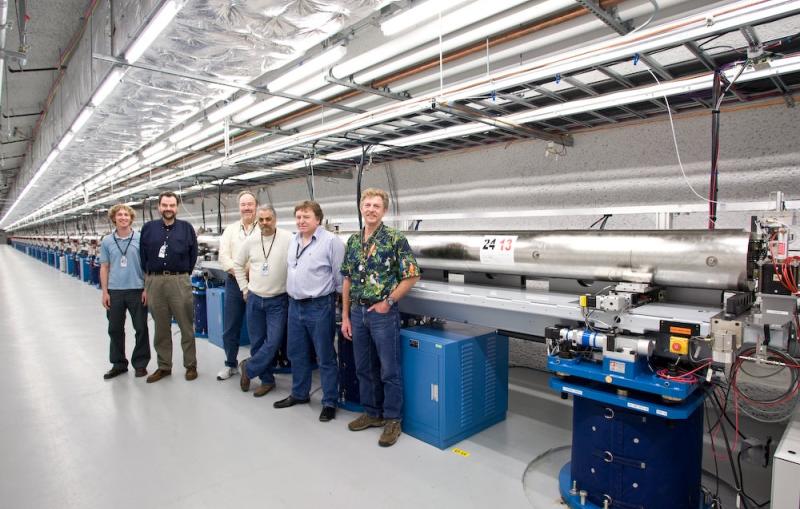
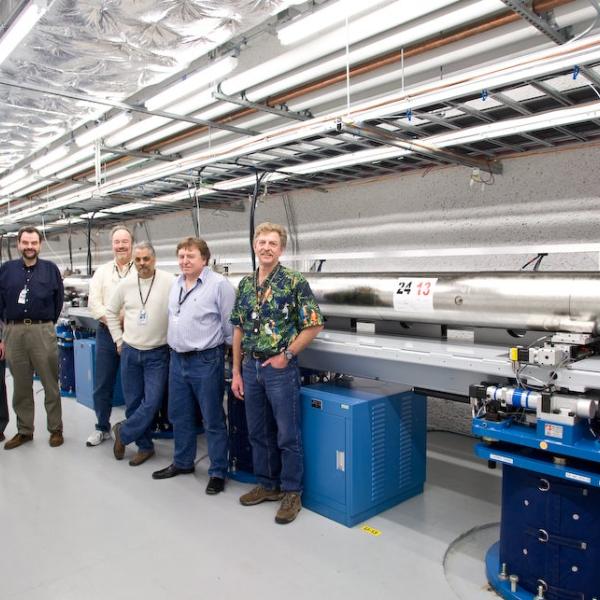
Image - Some of the LCLS team members stand by the newly installed undulators in this 2009 photo. From right: Mike Zurawel, Geoff Pile from Argonne National Laboratory, Paul Emma, Dave Schultz, Heinz-Dieter Nuhn and Don Schafer. (Brad Plummer)
Feature

One common stereotype of a theoretical physicist is the solitary scientist, scribbling away in his or her office and only emerging when there’s a...

Photo - Gennady Stupakov, SLAC accelerator theorist.
Feature

Stanford graduate student Spencer Gessner has received a Siemann fellowship to help him continue his research into cutting-edge accelerator physics at SLAC's Facility for...

Photo – Spencer Gessner, 2014 Siemann Fellow
Feature

A new system at SLAC National Accelerator Laboratory's X-ray laser narrows a rainbow spectrum of X-ray colors to a more intense band of light...

Photo - A view of the soft X-ray self-seeding system during installation in the Undulator Hall at SLAC's Linac Coherent Light Source X-ray laser. (Brad Plummer/SLAC)