

SLAC topics

Advanced accelerator R and D RSS feed

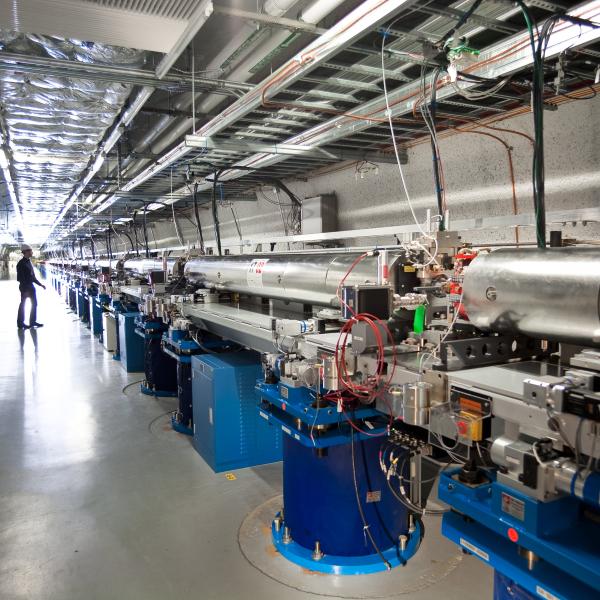
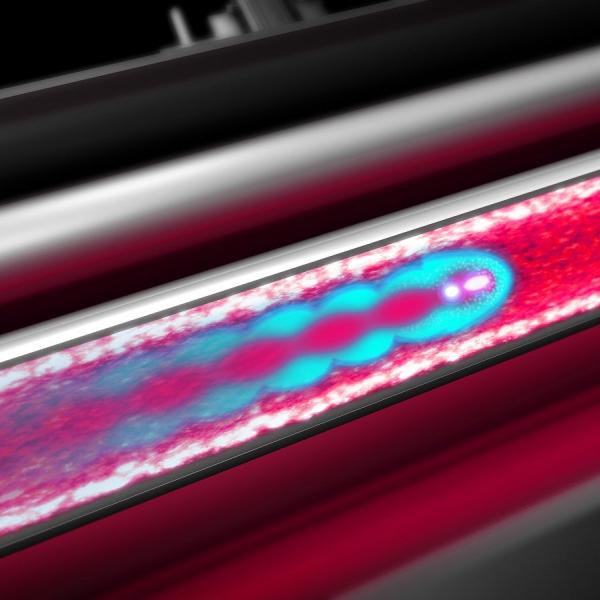
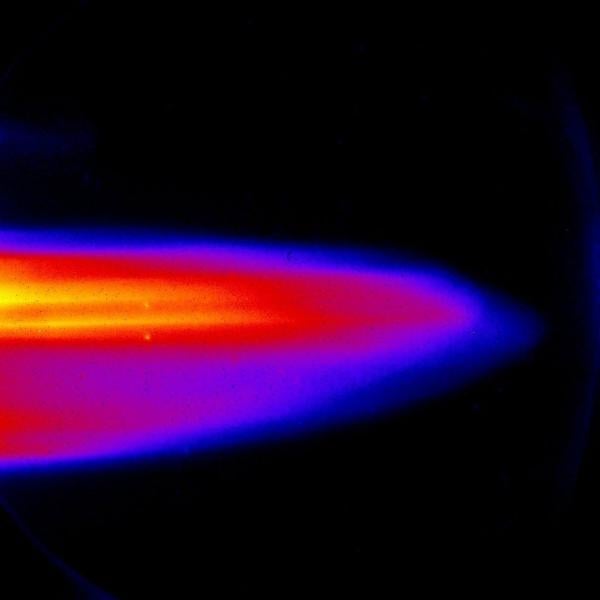
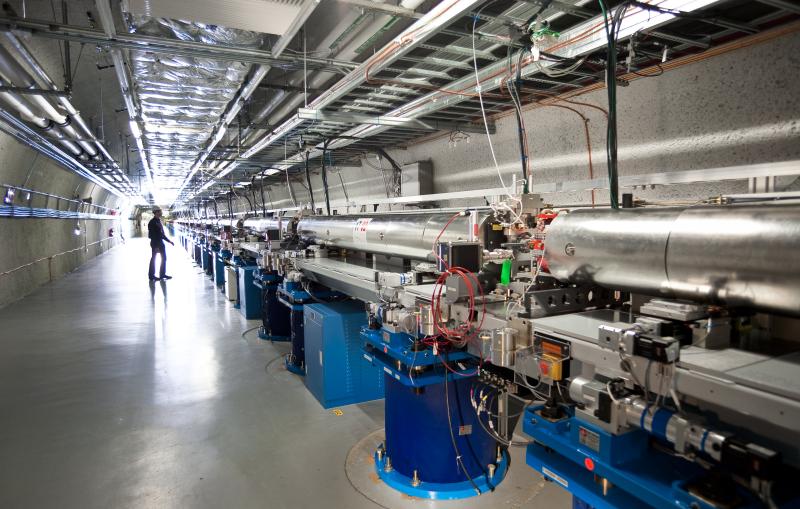
New technologies, such as "plasma wakefield" accelerators, can boost electrons to very high energies in very short distances. This could lead to linear accelerators that are 100 times more powerful, boosting electrons to a given energy in one hundredth the distance. 

Related link: Advanced accelerators

Browse tagged content below
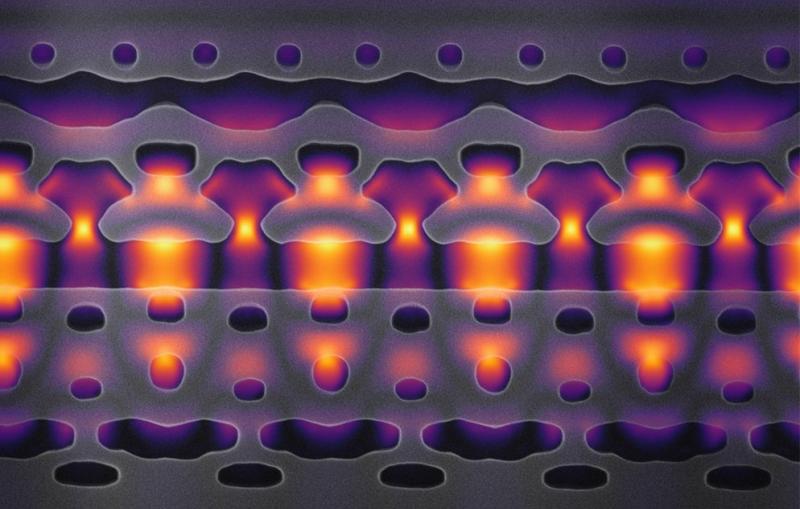
This image, magnified 25,000 times, shows a section of an accelerator-on-a-chip.
Feature

SLAC researchers say their new method could make it easier to study interactions of ultrabright X-rays with matter

Ghost imaging illustration
Feature

SLAC Director Chi-Chang Kao spoke to the Stanford University Faculty Senate at its Feb. 21 meeting.

Chi-Chang Kao at Stanford Faculty Senate meeting
News Release

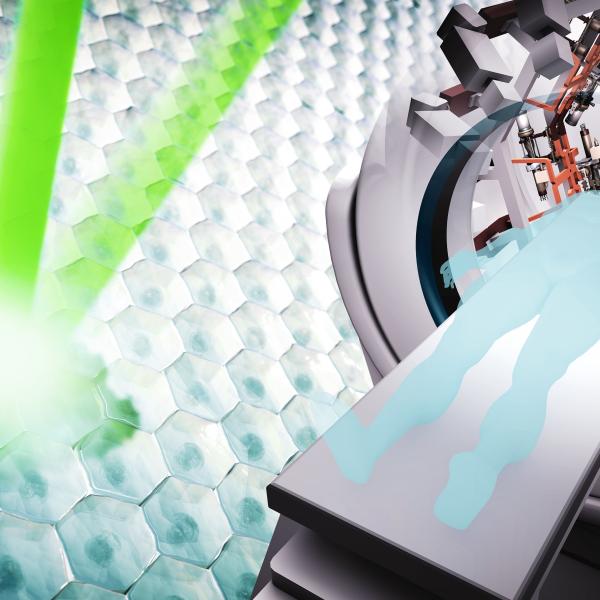
SLAC and Stanford researchers secure support for two projects that share one goal: to reduce the side effects of radiation therapy by vastly shrinking...

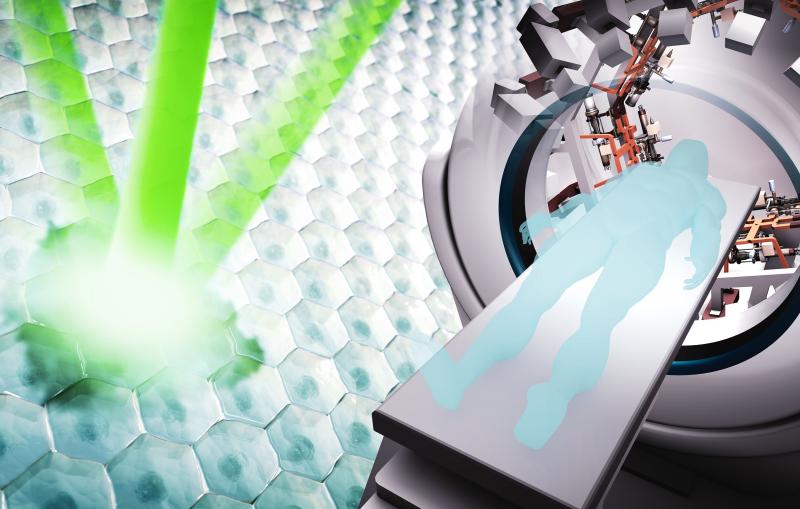
Researchers at SLAC and Stanford are developing new accelerator-based technology that aims to speed up cancer radiation therapy.
Feature

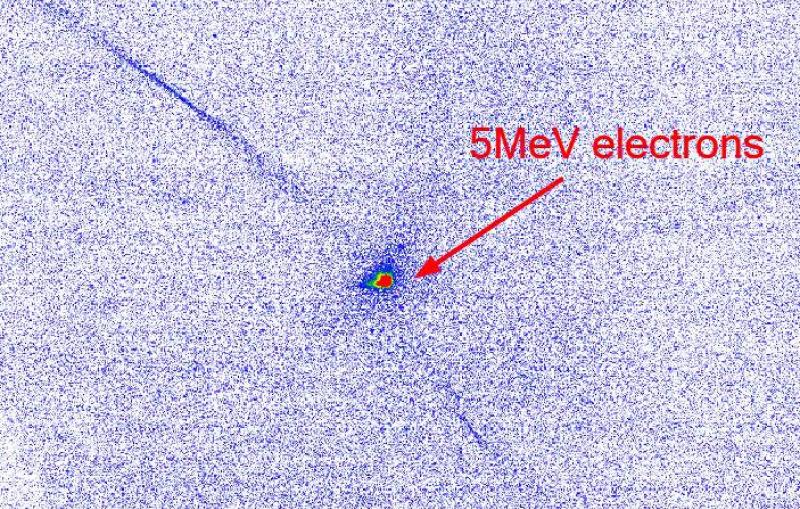
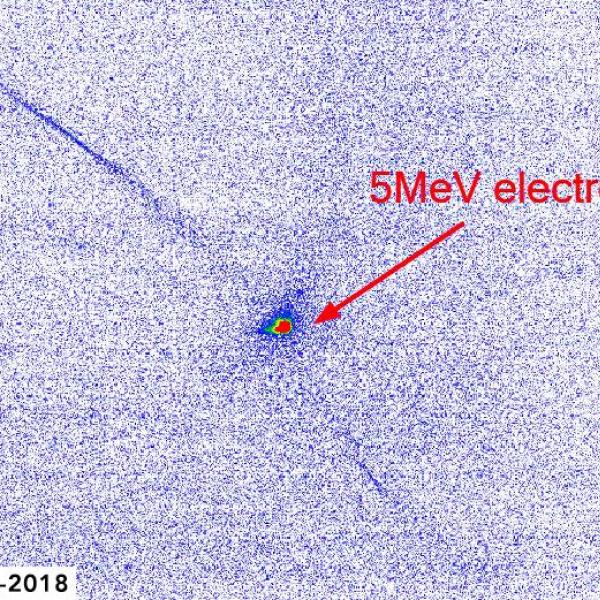
An advisory committee is evaluating proposals for first experiments at SLAC’s future FACET-II accelerator facility.

FACET-II First Electrons
Feature

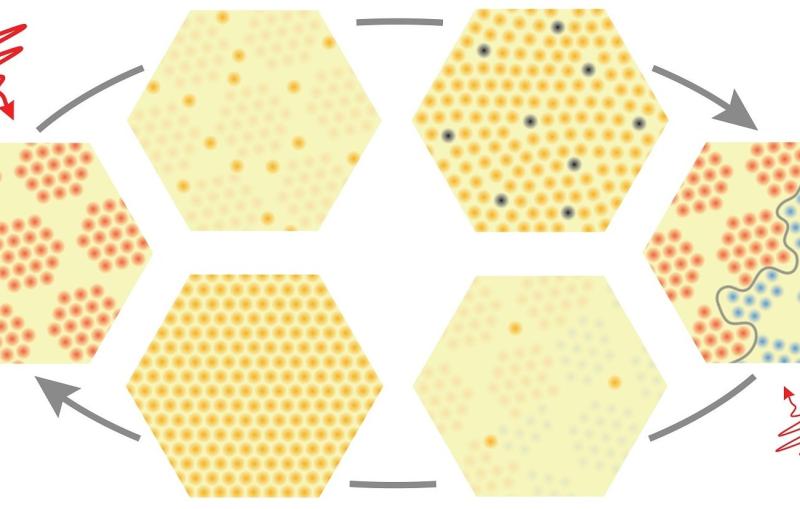
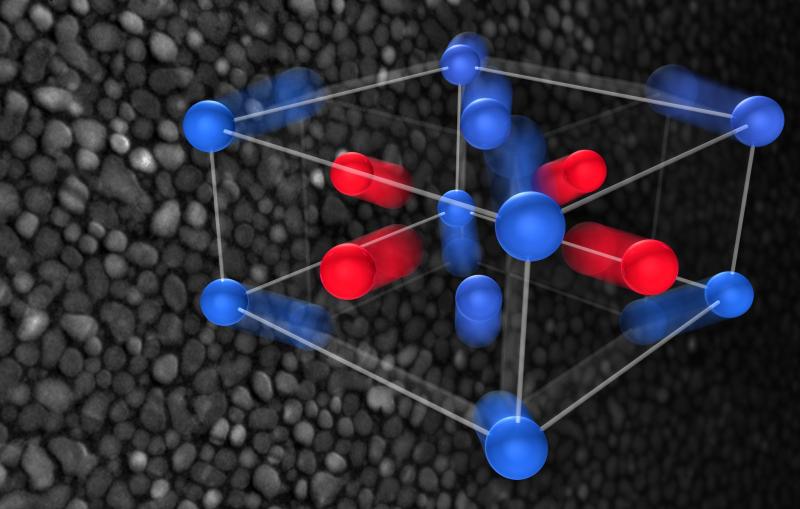
Switches like this one, discovered with SLAC’s ultrafast ‘electron camera’, could offer a new, simple path to storing data in next-generation devices.

Single Pulse Material Switch
News Release

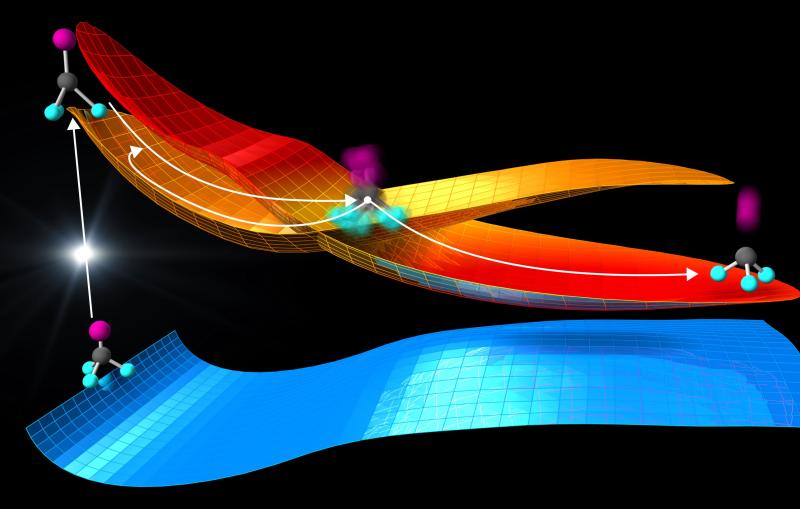
To break, or not to break: An unprecedented atomic movie captures the moment when molecules decide how to respond to light.

UED Bond Breaking
News Release

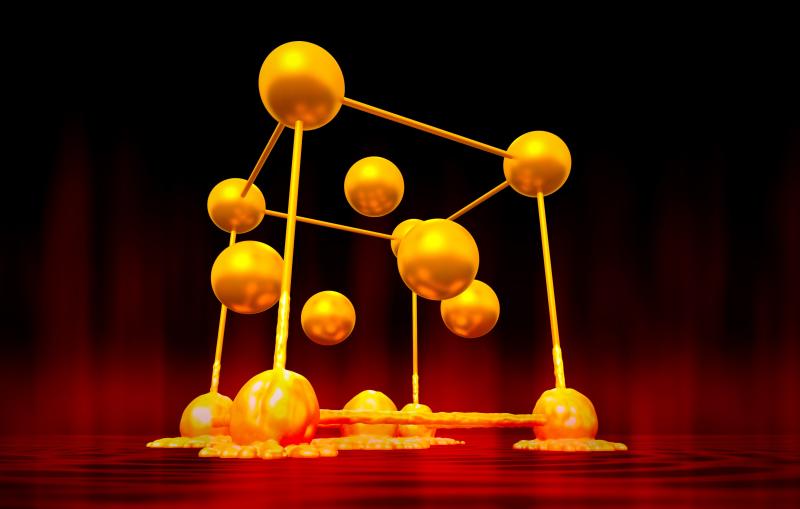
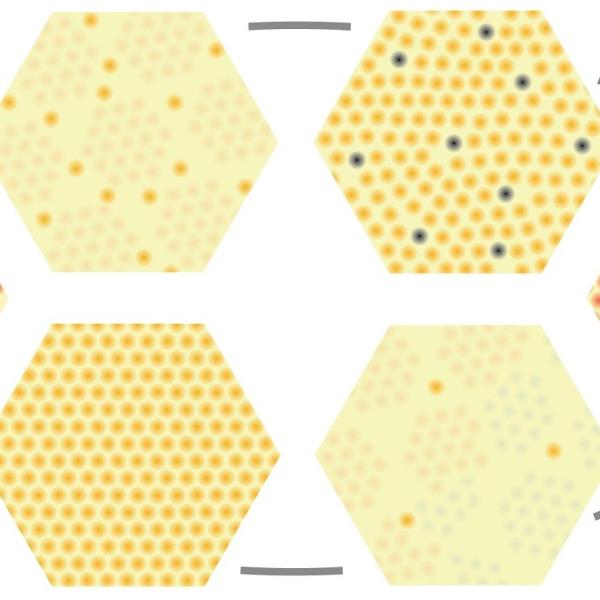
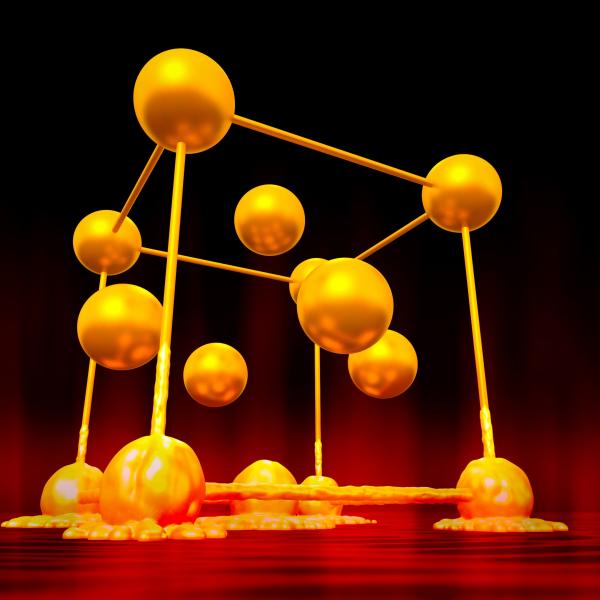
SLAC’s high-speed ‘electron camera’ shows for the first time the coexistence of solid and liquid in laser-heated gold, providing new clues for designing materials...

UED Gold Melting
News Release

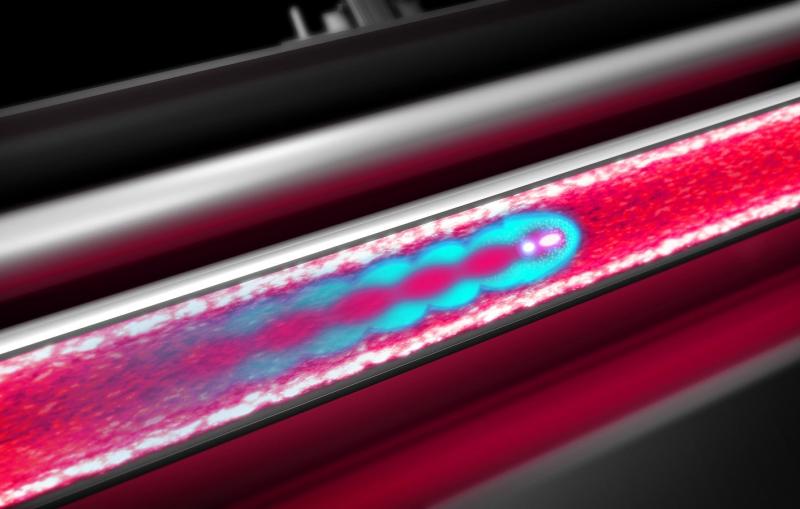
The goal: develop plasma technologies that could shrink future accelerators up to 1,000 times, potentially paving the way for next-generation particle colliders and powerful...

FACET-II science
Feature

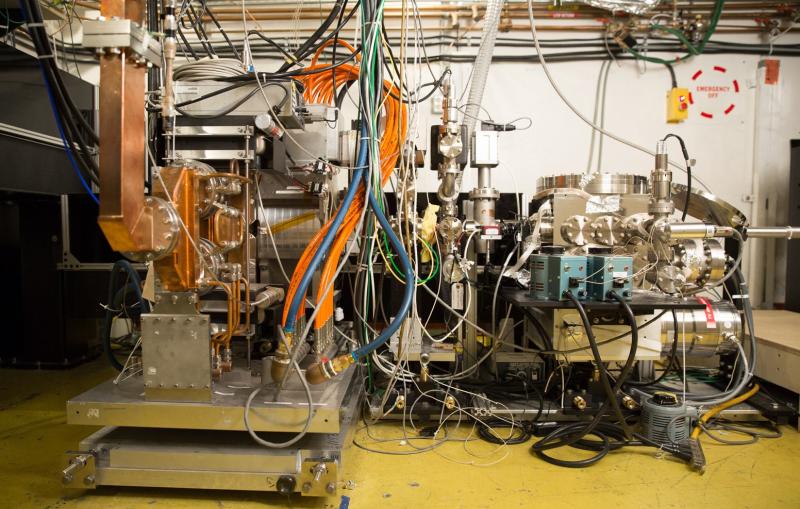
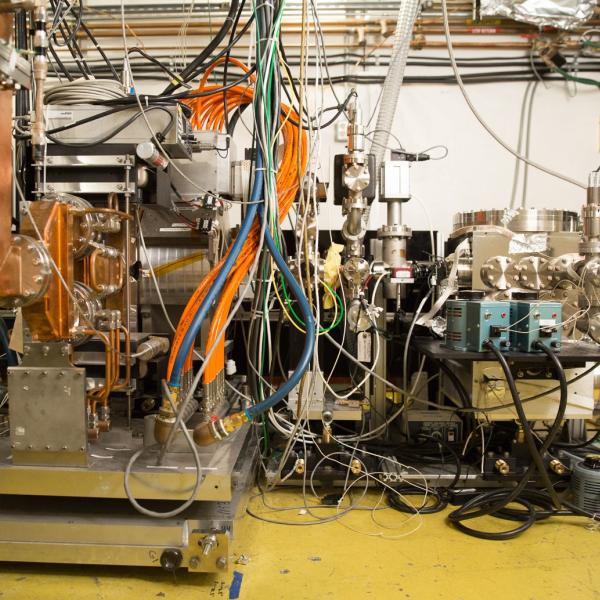
A team including SLAC researchers has measured the intricate interactions between atomic nuclei and electrons that are key to understanding intriguing materials properties, such...

UED Setup
Feature

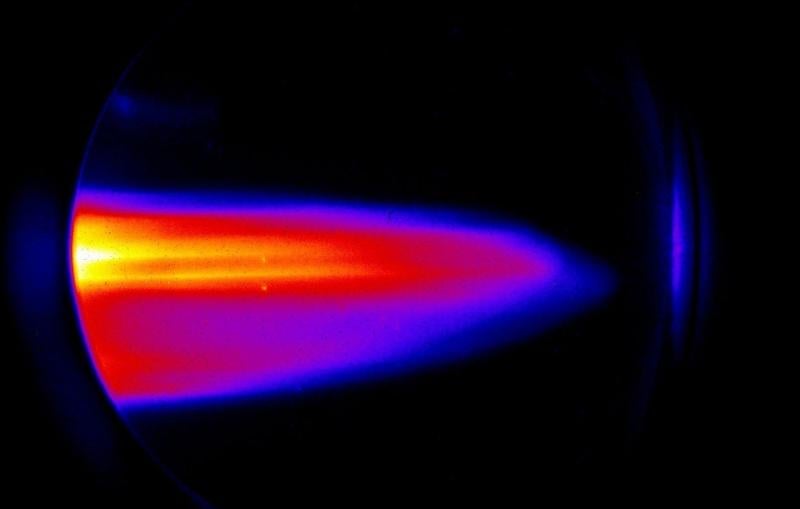
The new technology could allow next-generation instruments to explore the atomic world in ever more detail.

Beam from SRF gun
Feature

Combining X-ray and electron data from two cutting-edge SLAC instruments, researchers make the first observation of the rapid atomic response of iron-platinum nanoparticles to...

ultrafast electron diffraction on iron-platinum
Feature

Innovations at SLAC, including the world’s shortest X-ray flashes, ultra-high-speed pulse trains and smart computer controls, promise to take ultrafast X-ray science to a...

Accelerators and Machine Learning