SLAC topics

Accelerator engineering RSS feed

Accelerators have hundreds of thousands of components that all need to be designed, engineered, operated and maintained. Research at SLAC is paving the way to a new generation of particle acceleration technology.
Browse tagged content below

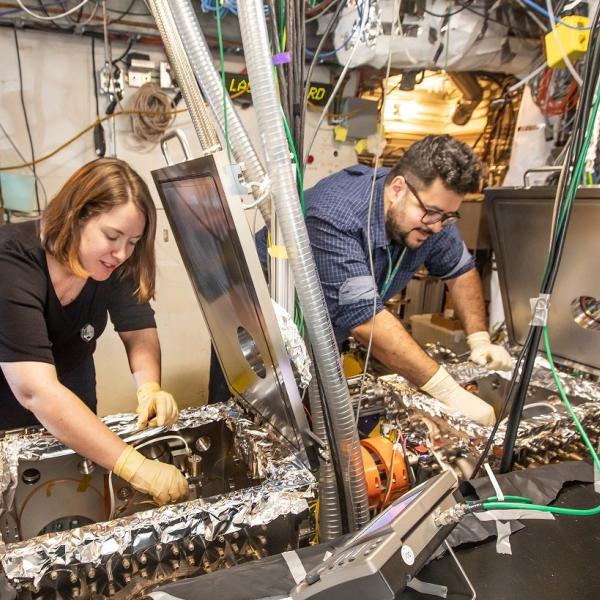
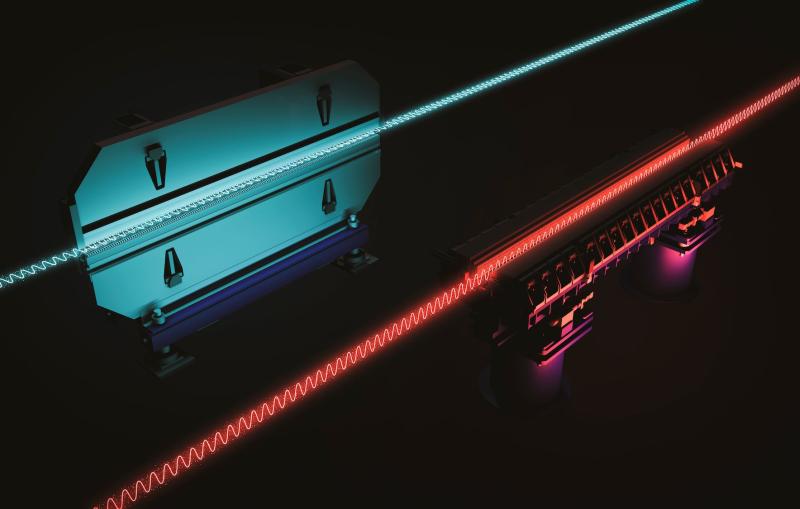
SXU
Feature

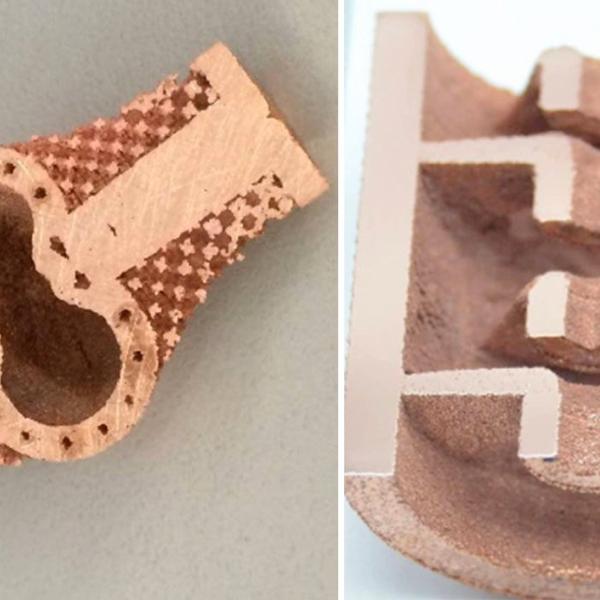
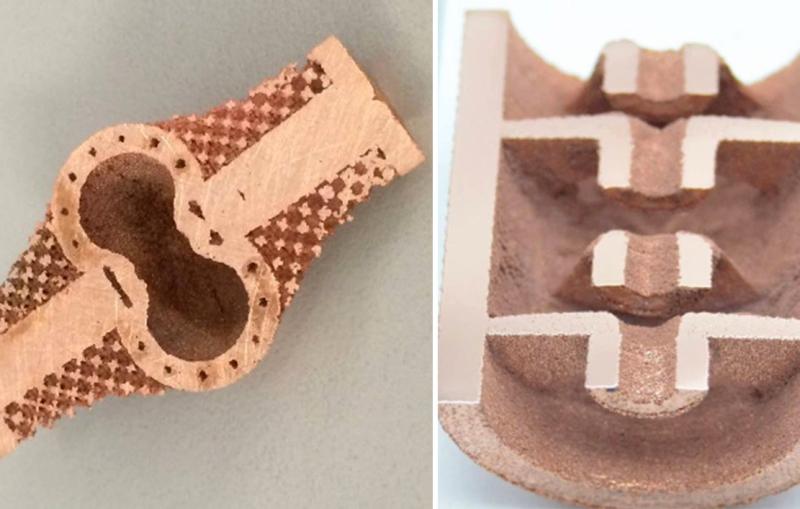
SLAC scientists and collaborators are developing 3D copper printing techniques to build accelerator components.

3D-printed copper components
Feature

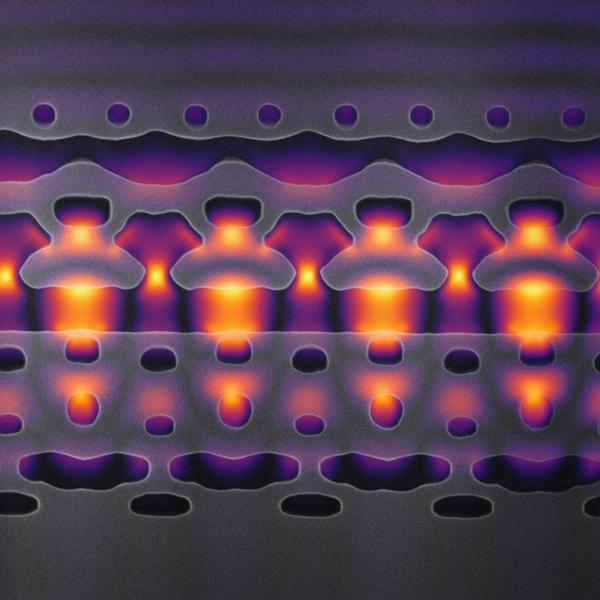
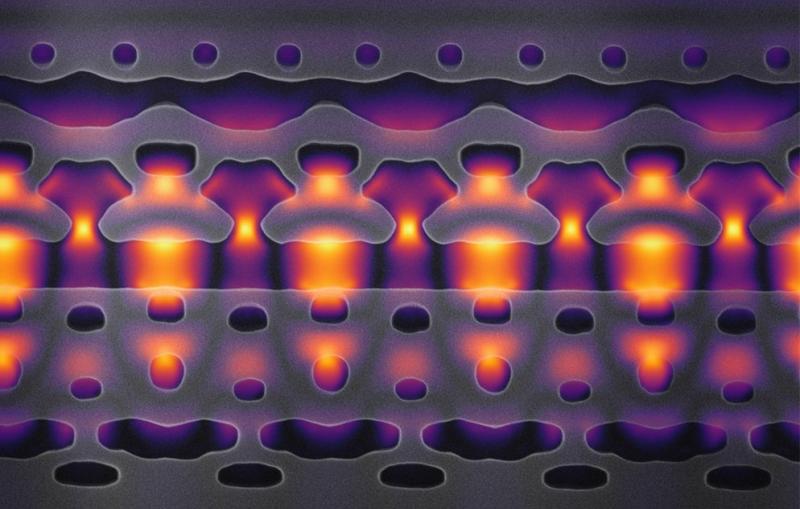
Just as engineers once compressed some of the power of room-sized mainframes into desktop PCs, so too have the researchers shown how to pack...

This image, magnified 25,000 times, shows a section of an accelerator-on-a-chip.
News Release

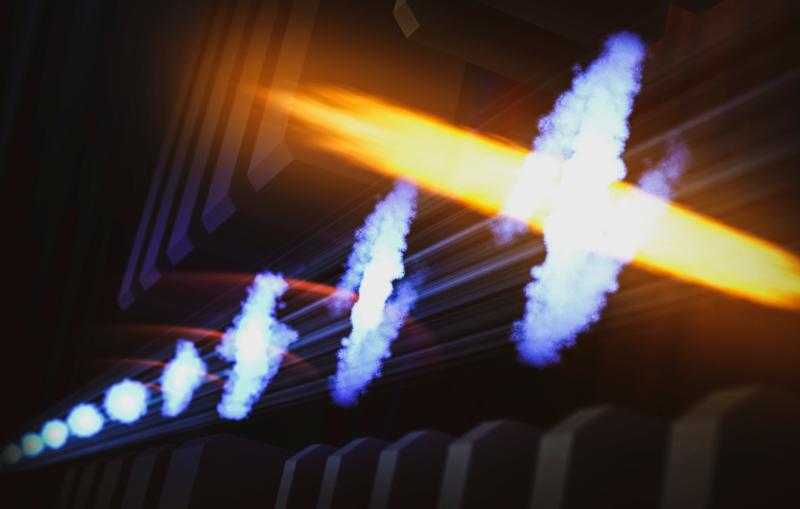
Called XLEAP, the new method will provide sharp views of electrons in chemical processes that take place in billionths of a billionth of a...

XLEAP illustration.
Feature

Physicist Tor Raubenheimer explores the world by climbing rocks and designing particle accelerators.

Photo: Tor Raubenheimer, accelerator physicist
Feature

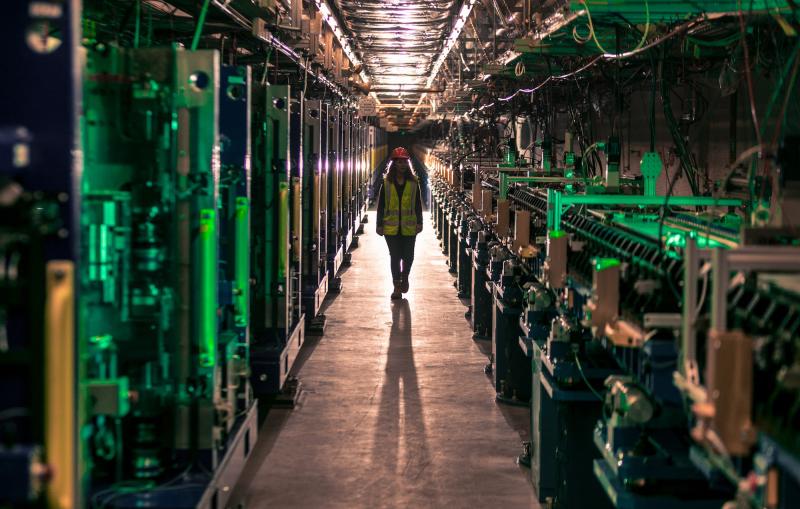
Its electron beams will drive the generation of up to a million ultrabright X-ray flashes per second.

LCLS-II first electron beam
Feature

“The Worlds Within” and “Fabrication of the Accelerator Structure,” now available digitally in high fidelity, tell the story of Stanford Linear Accelerator Center’s inception...

see description
News Release

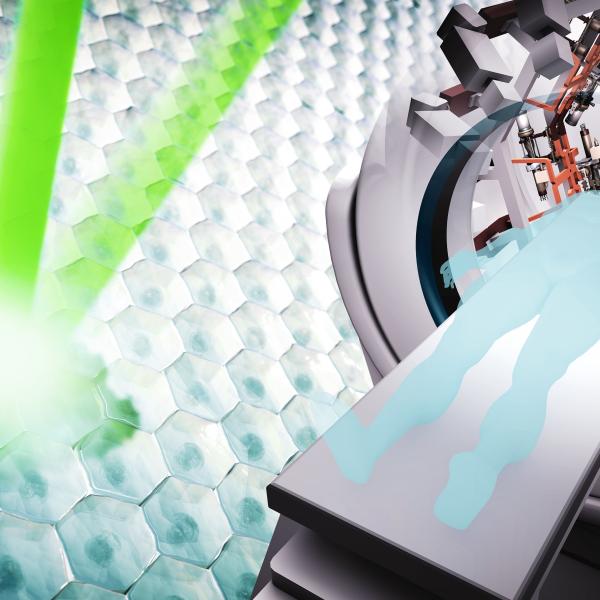
SLAC and Stanford researchers secure support for two projects that share one goal: to reduce the side effects of radiation therapy by vastly shrinking...

Researchers at SLAC and Stanford are developing new accelerator-based technology that aims to speed up cancer radiation therapy.
Feature

An advisory committee is evaluating proposals for first experiments at SLAC’s future FACET-II accelerator facility.

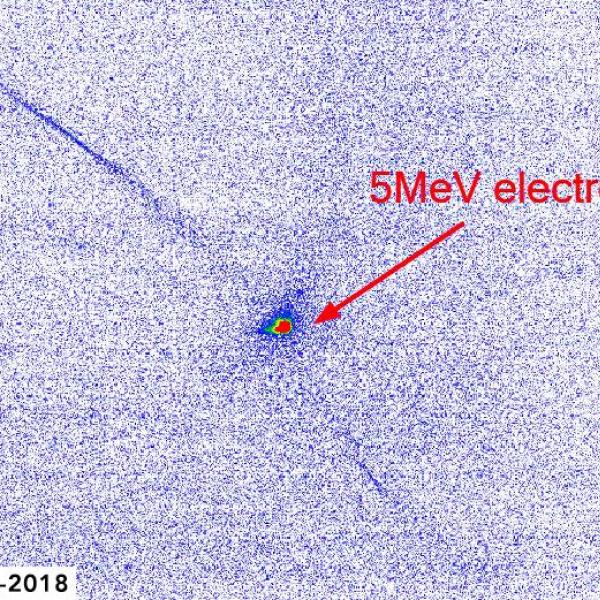
FACET-II First Electrons
News Release

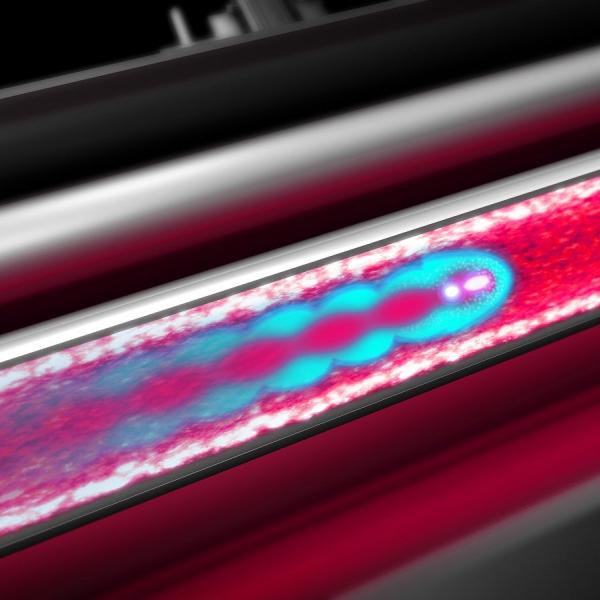
The goal: develop plasma technologies that could shrink future accelerators up to 1,000 times, potentially paving the way for next-generation particle colliders and powerful...

FACET-II science
Feature

The new technology could allow next-generation instruments to explore the atomic world in ever more detail.

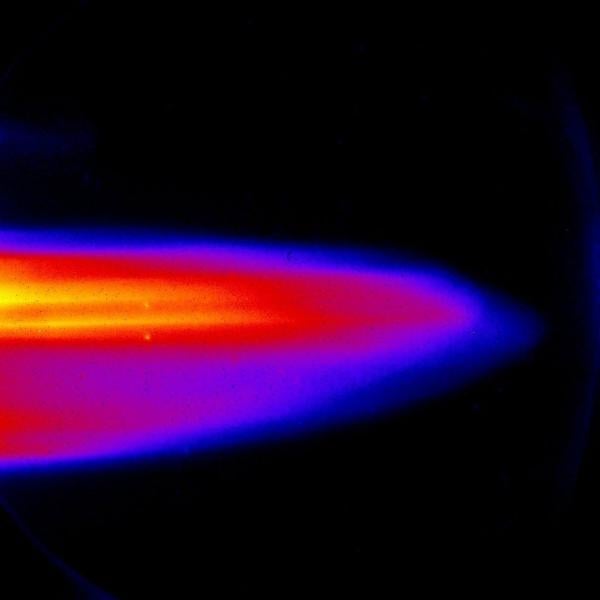
Beam from SRF gun
Feature
VIA Symmetry Magazine

Symmetry: Machine Evolution

Planning the next big science machine requires consideration of both the current landscape and the distant future.

Feature

Innovations at SLAC, including the world’s shortest X-ray flashes, ultra-high-speed pulse trains and smart computer controls, promise to take ultrafast X-ray science to a...

Accelerators and Machine Learning