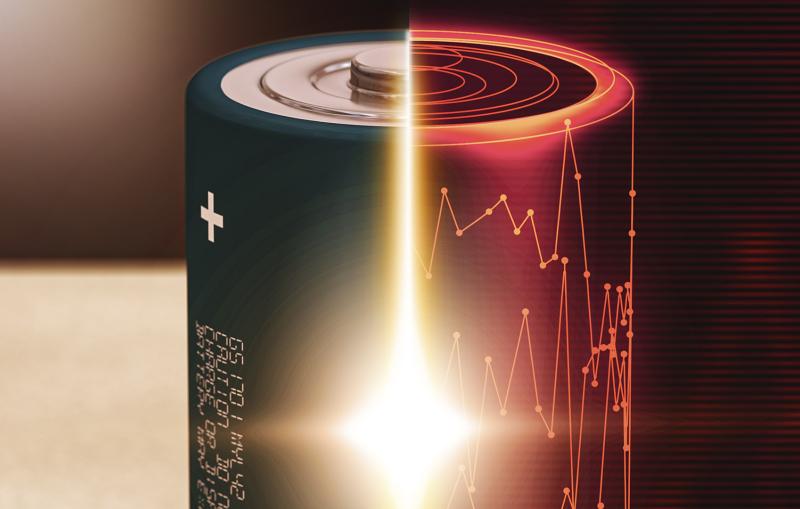
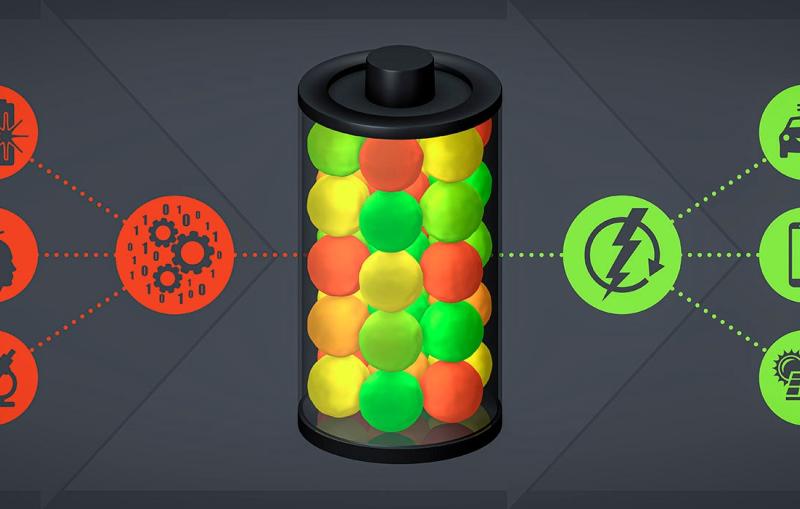
Presented by Yijin Liu. In batteries, energy is stored in tiny particles within the electrodes that individually breathe in and out and chemically evolve...
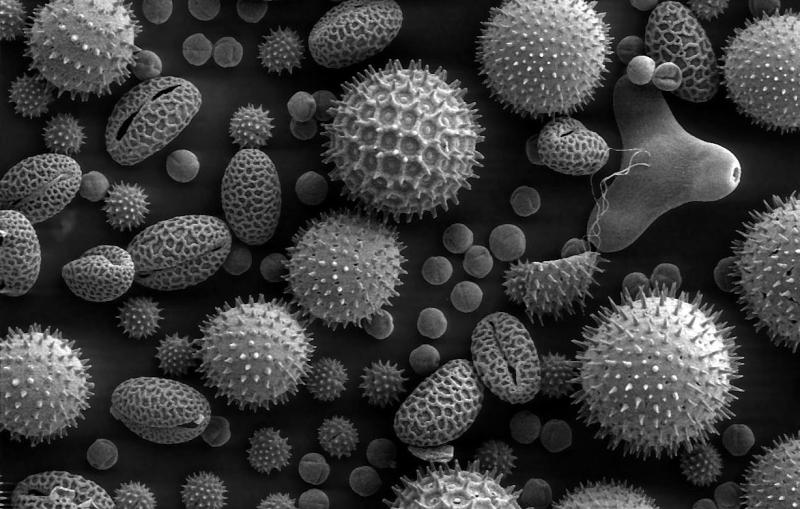
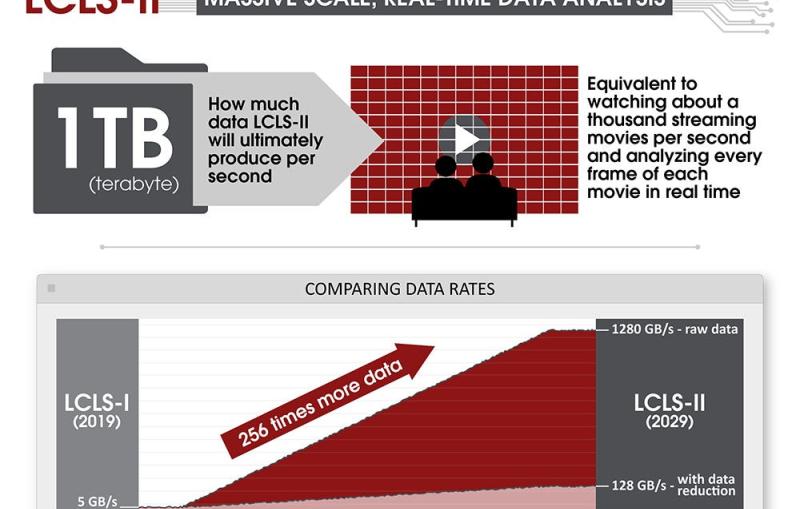
When upgrades to the X-ray laser at the Department of Energy’s SLAC National Accelerator Laboratory are complete, the powerful new machine will capture up...
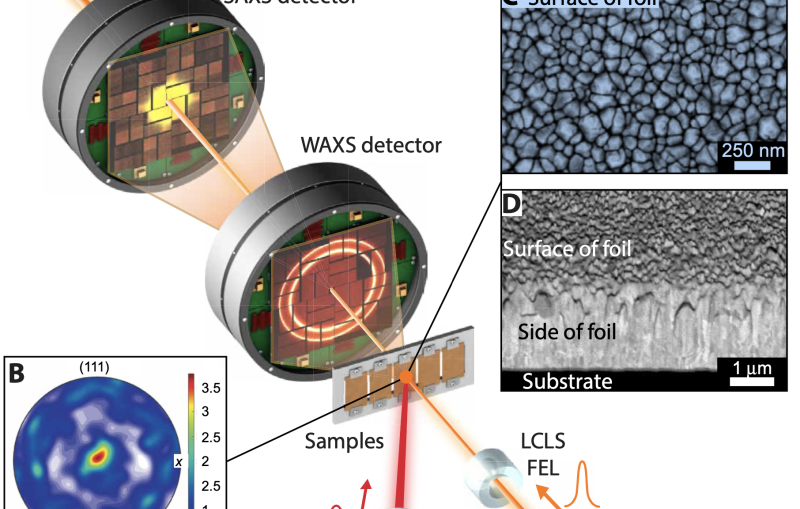
A better understanding of the failure process will help researchers design new materials that can better withstand intense events such as high-velocity impacts.
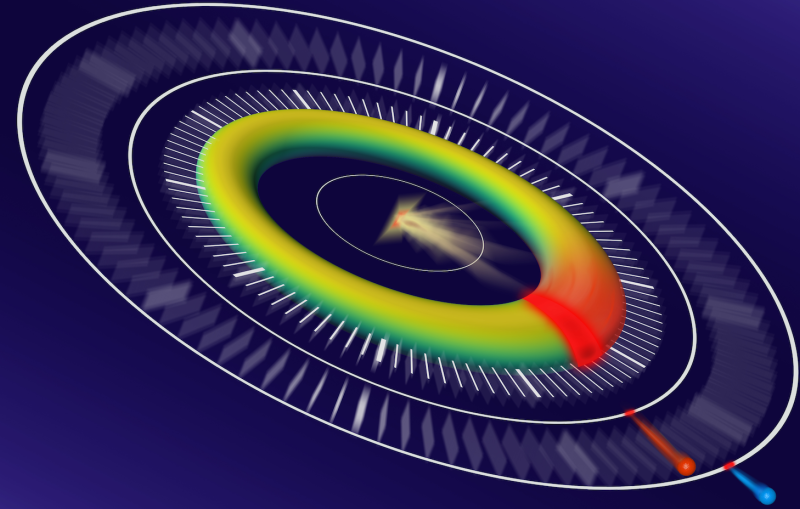
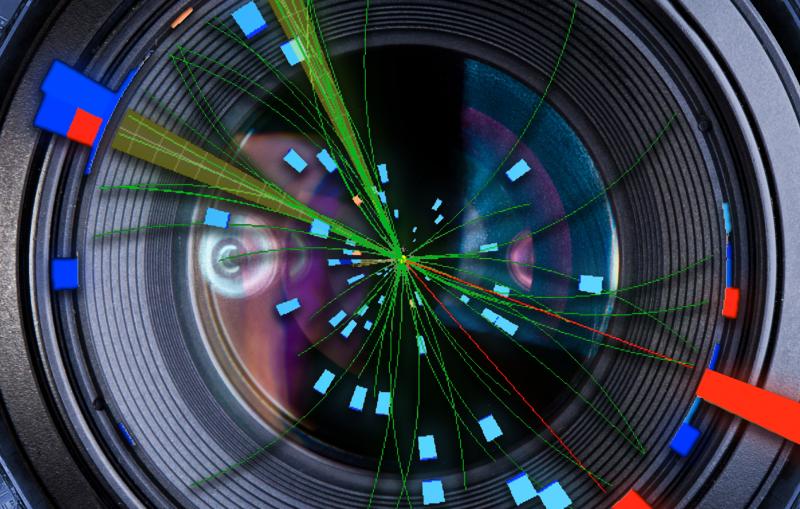
Presented by Caterina Vernieri. The Higgs boson was discovered in 2012 at the world’s most powerful particle collider, the Large Hadron Collider (LHC) in...
The latest advance from a research collaboration with industry could dramatically accelerate the development of sturdier batteries for fast-charging electric vehicles.
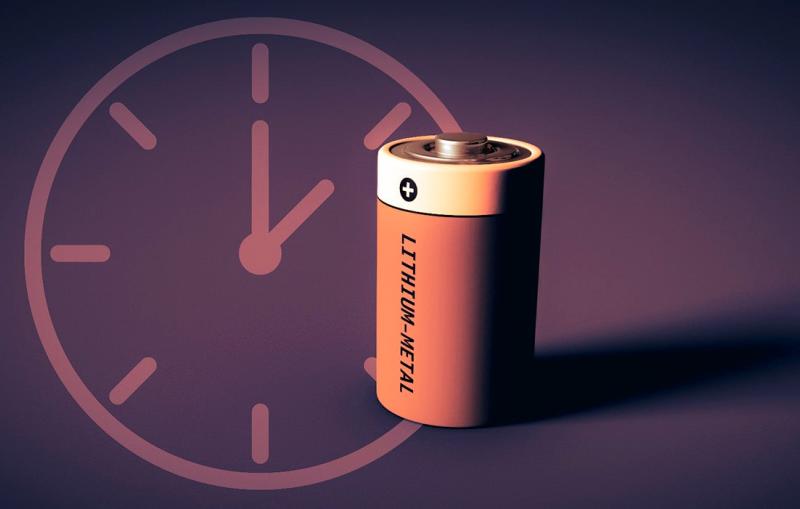
Scientists have documented a process that makes these next-gen batteries lose charge – and eventually some of their capacity for storing energy – even...
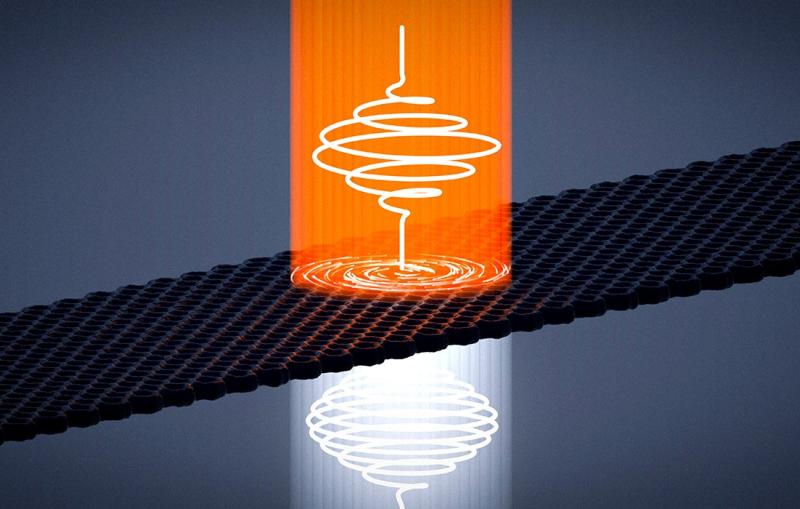
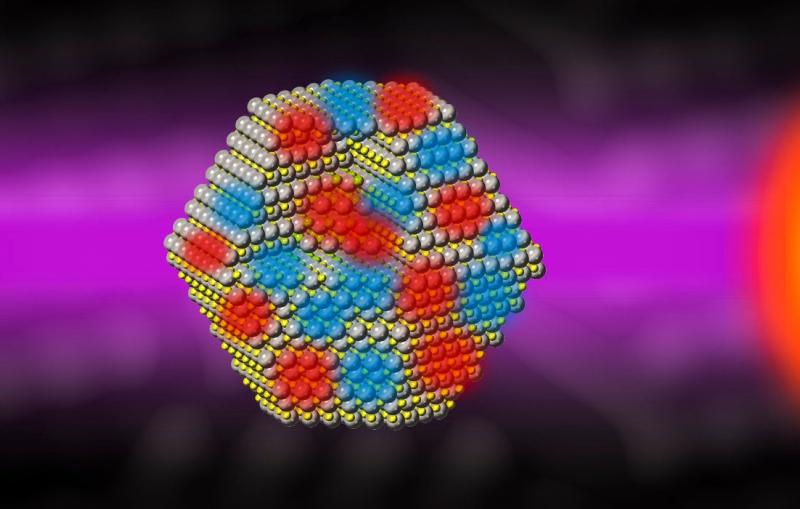
The results have important implications for today’s TV and display screens and for future technologies where light takes the place of electrons and fluids.