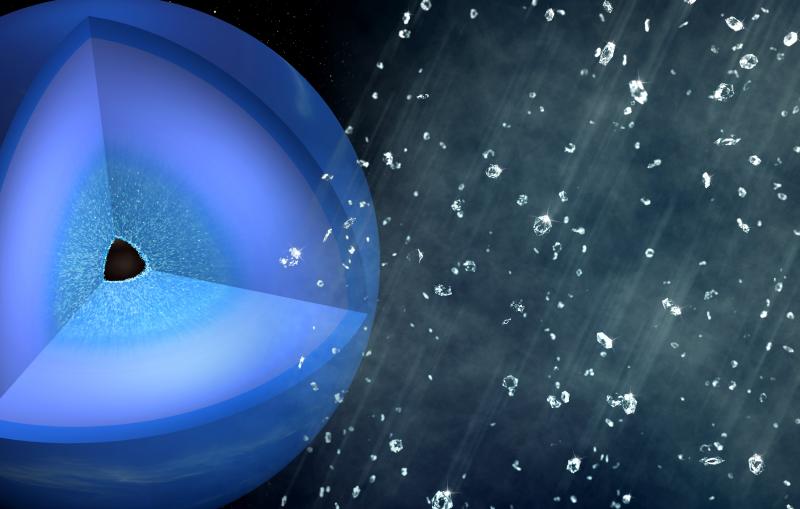
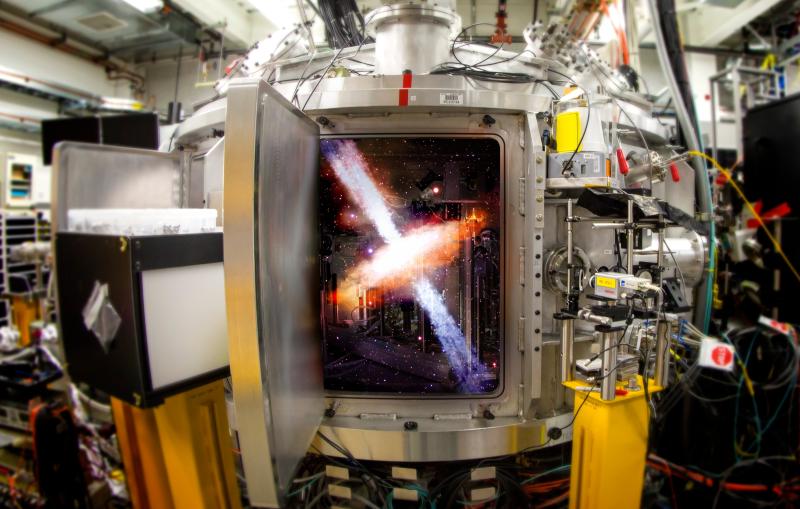
SLAC’s X-ray laser and Matter in Extreme Conditions instrument allow researchers to examine the exotic precipitation in real time as it materializes in the...
Institute of Electrical and Electronics Engineers recognizes his contributions to developing electron beams that power unique ‘electron cameras’ and could advance X-ray lasers.
Toward next-generation electronics, better medications and green energy solutions: "The First Five Years" point to a bright future of high-impact discovery at LCLS.
SLAC's Siegfried Glenzer has been selected to receive an Ernest Orlando Lawrence Award, presented by the U.S. Secretary of Energy to honor scientists across...
He met with SLAC staff and toured the lab’s cutting-edge facilities, diving into world-leading research in X-ray and ultrafast science, artificial intelligence, astrophysics and...
Researchers have used an X-ray laser to record, in detail never possible before, the microscopic motion and effects of shock waves rippling across diamond.
SLAC develops and deploys some of the world’s most advanced scientific tools for exploring how the universe works at the biggest, smallest and fastest scales. Here we explain how they work and the exciting discoveries they make possible.
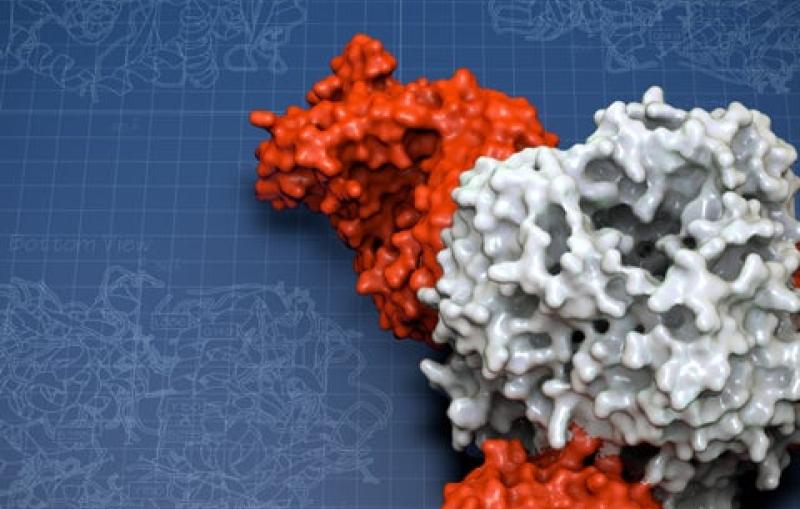
A decade-long search ends at the Stanford Synchrotron Radiation Lightsource, where researchers from The Scripps Research Institute emerge with a clear picture of how...
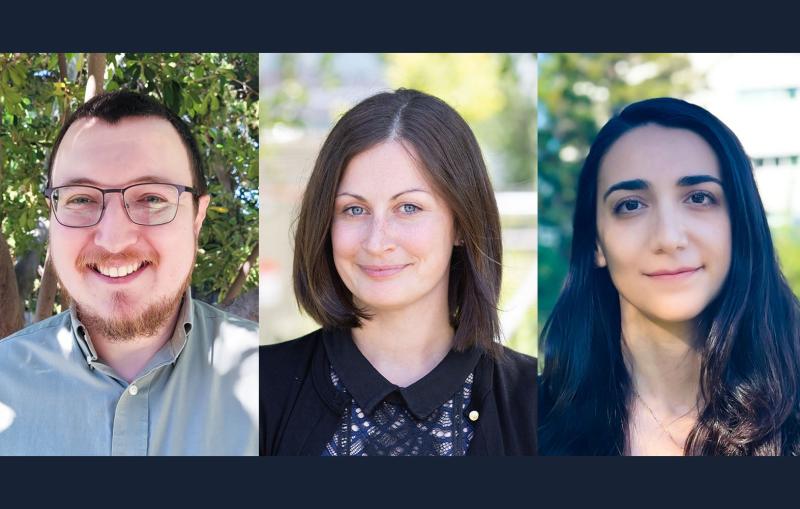
Edward Hohenstein, Emma McBride and Caterina Vernieri study what happens to molecules hit by light, recreate extreme states of matter like those inside stars...
SLAC and Stanford materials science professor William Chueh has won a $5,000 Young Scientist Award from the International Society of Solid-State Ionics (ISSI).
Computer simulations and lab experiments help researchers understand the violent universe and could potentially lead to new technologies that benefit humankind.