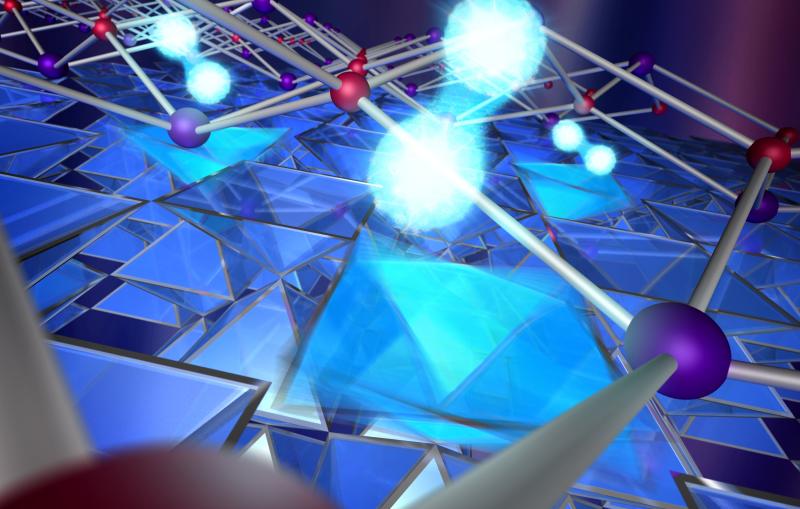
A study at the Department of Energy’s SLAC National Accelerator Laboratory suggests for the first time how scientists might deliberately engineer superconductors that work...
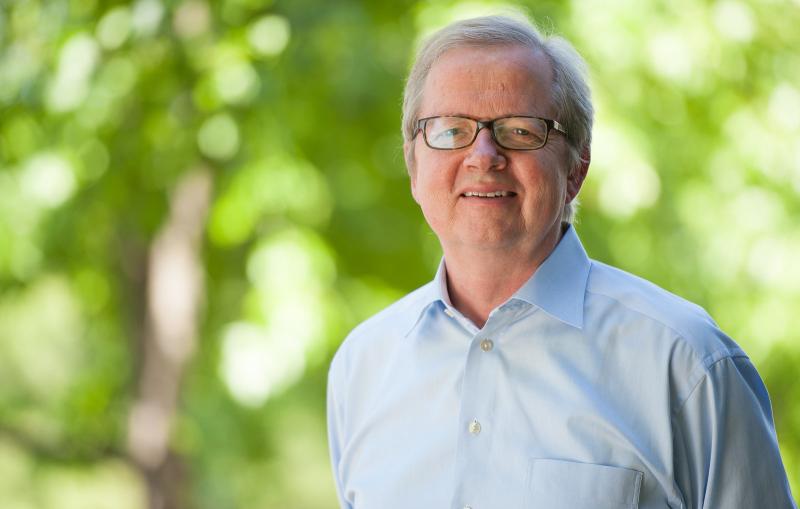
The SLAC and Stanford professor and SUNCAT director is being honored for groundbreaking work in catalysis, which promotes chemical reactions in thousands of industrial...
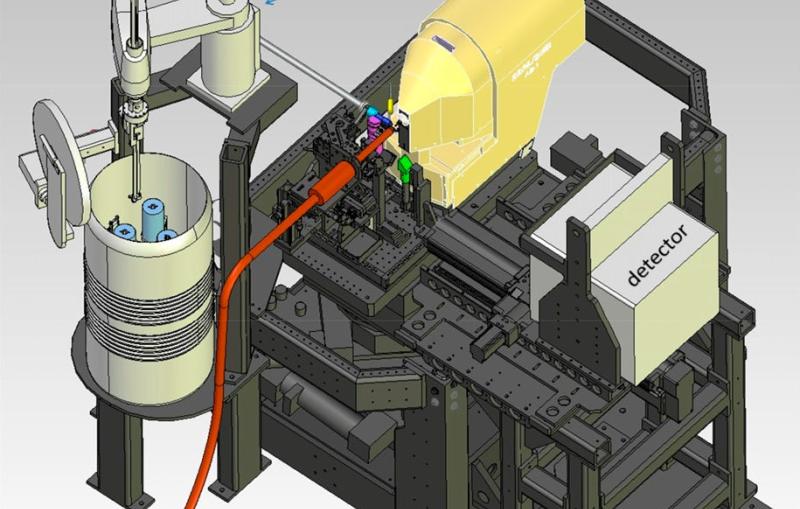
A new experimental station in development at SLAC will expand capabilities for atomic-scale explorations in human health, biology, energy and environmental science.
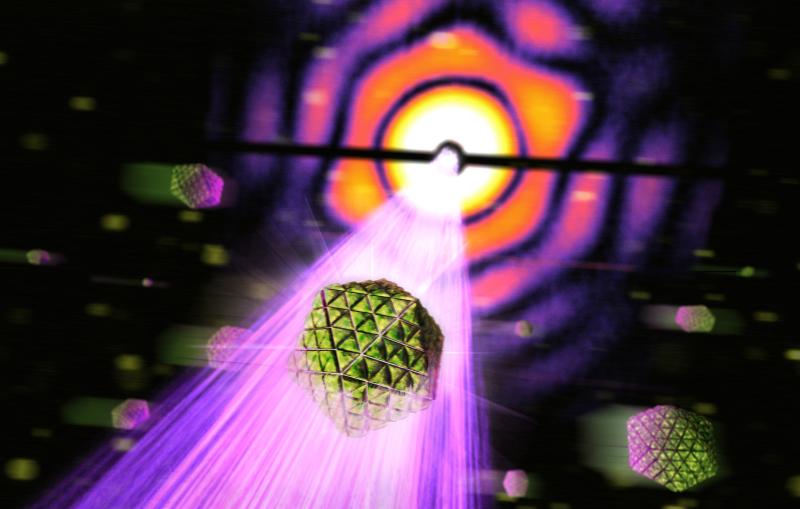
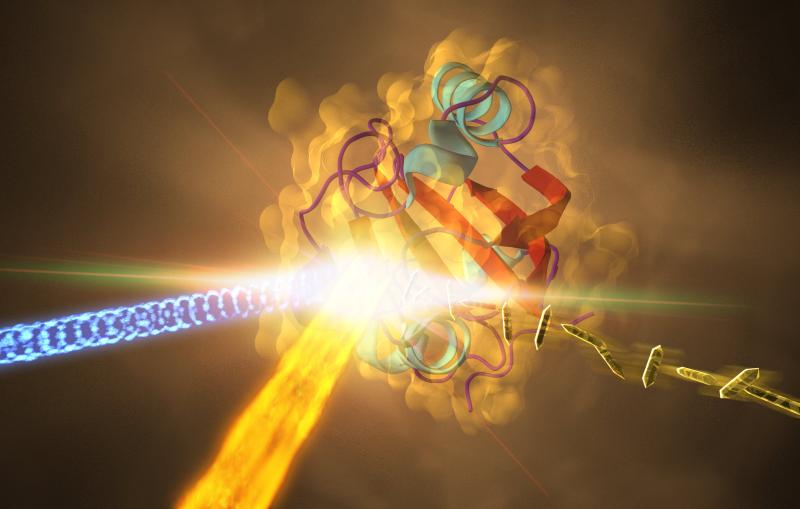
Scientists have used SLAC’s X-ray laser to produce detailed images of tiny cellular structures that play a major role in Earth’s life-sustaining carbon cycle.
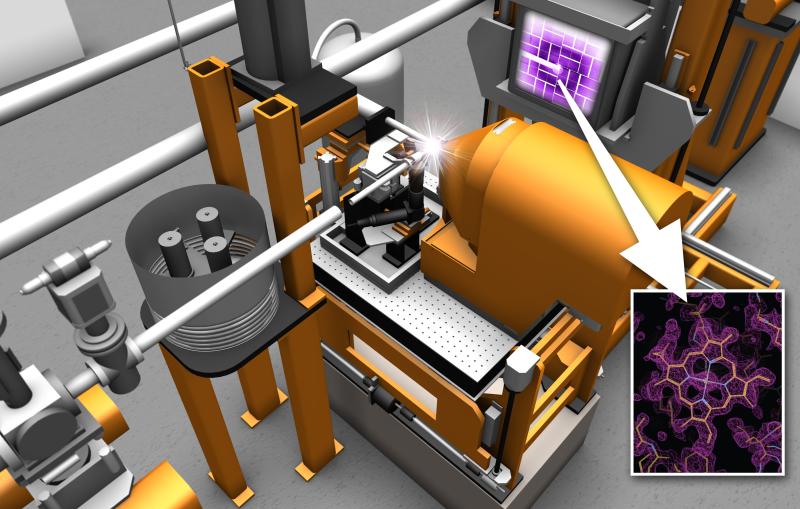
Scientists at the Department of Energy’s SLAC National Accelerator Laboratory are combining the speed and precision of robots with one of the brightest X-ray...
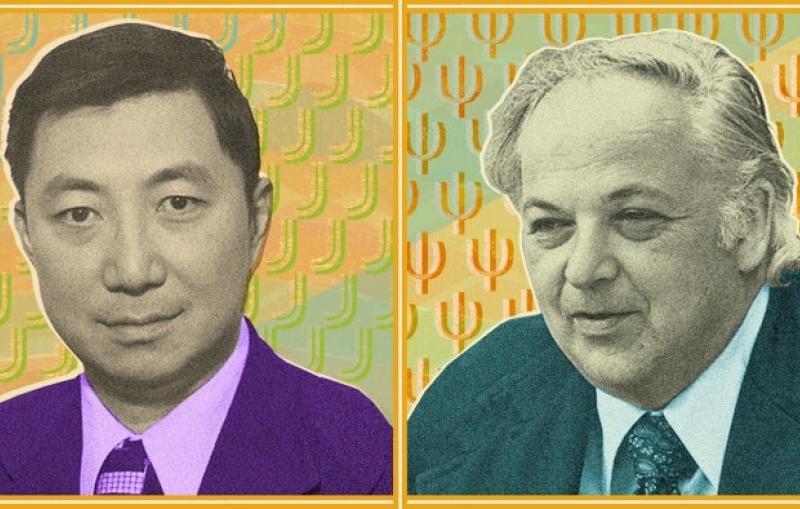
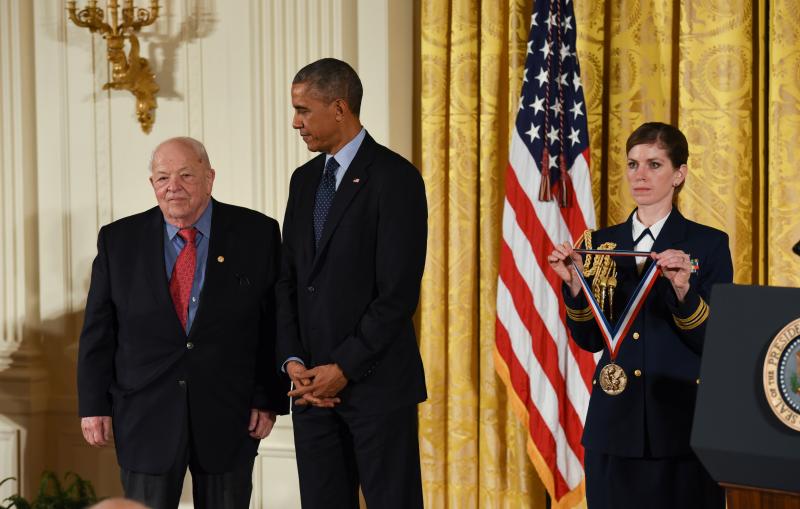
Burton Richter, Nobel laureate and director emeritus of SLAC, has received the National Medal of Science – the nation's highest honor for achievement in...
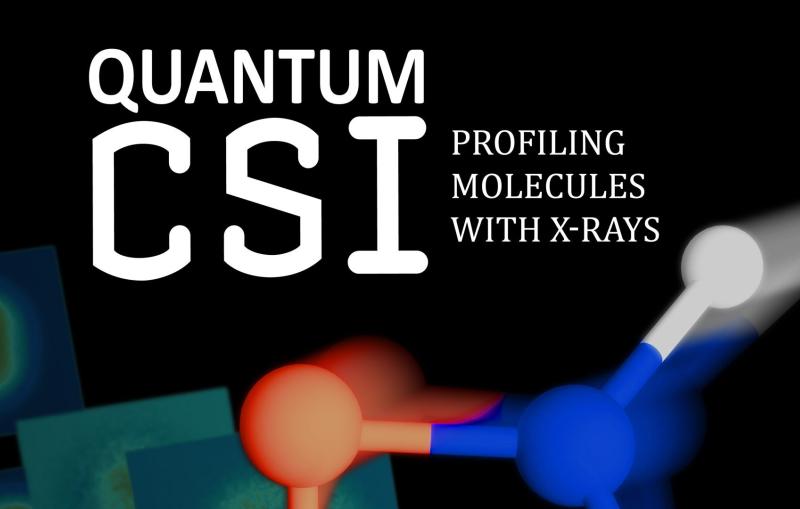
In this lecture, SLAC’s Ryan Coffee explains how researchers are beginning to use pattern recognition and machine learning to study chemical reactions at the...
More than a dozen energy-storage companies have streamlined access to research facilities and expertise at SLAC under a new cooperative R&D agreement with CalCharge.
Abel, associate physics professor at Stanford and at SLAC and acting director of KIPAC, was recognized for the advances he’s made using supercomputers to...