Learn about our science, people, facilities and partners. Discover our history and vision for the future.
Who we are
We explore radically new ideas with an entrepreneurial mindset.
Get an overview of research at SLAC: X-ray and ultrafast science, particle and astrophysics, cosmology, particle accelerators, biology, energy and technology.
Revealing nature’s fastest processes with X-rays, lasers and electrons
Studying the particles and forces that knit the cosmos together
Building smaller, faster, more powerful accelerators for all
Understanding the machinery of life at its most basic level
Inventing new tools for science and society
Finding clean, sustainable solutions for the world’s energy challenges
SLAC science explained
Cut through the jargon while exploring our research.
Learn more about the places where science happens at SLAC: our major facilities, institutes and centers.
Linac Coherent Light Source
Stanford Synchrotron Radiation Lightsource
Facility for Advanced Accelerator Experimental Tests
Cryogenic Electron Microscopy
Stanford Institute for Materials & Energy Science
Kavli Institute for Particle Astrophysics & Cosmology
Stanford PULSE Institute
Center for Interface Science & Catalysis
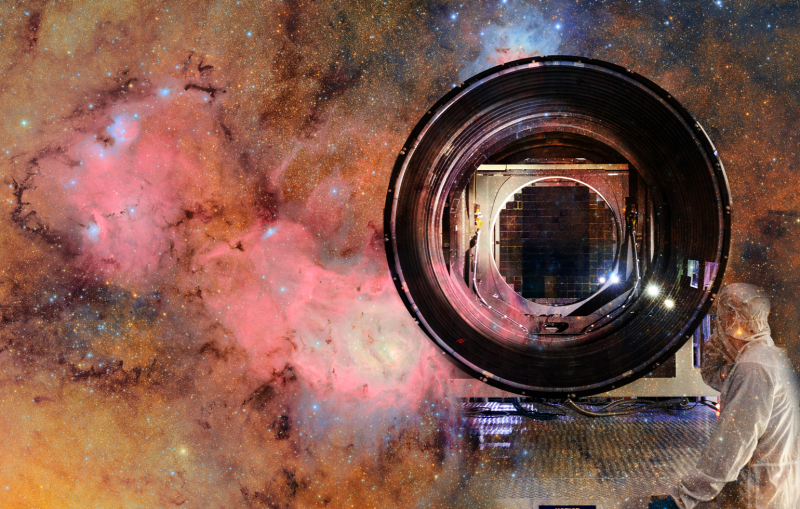
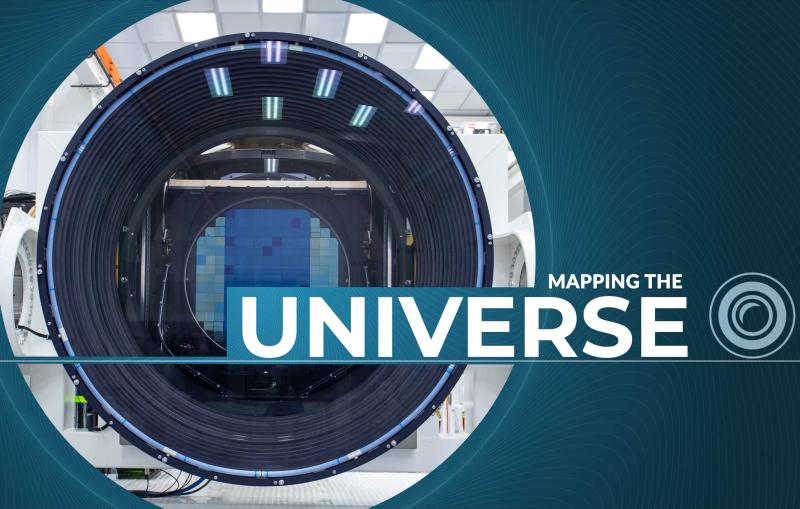
NSF-DOE Vera C. Rubin Observatory LSST
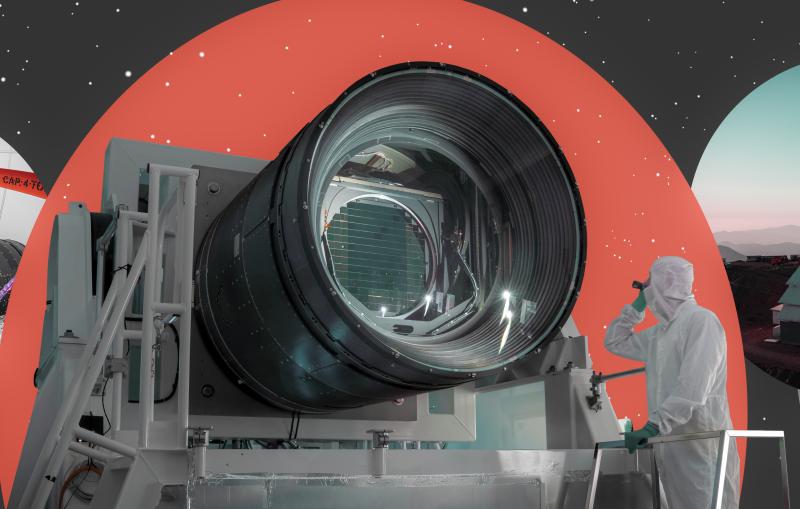
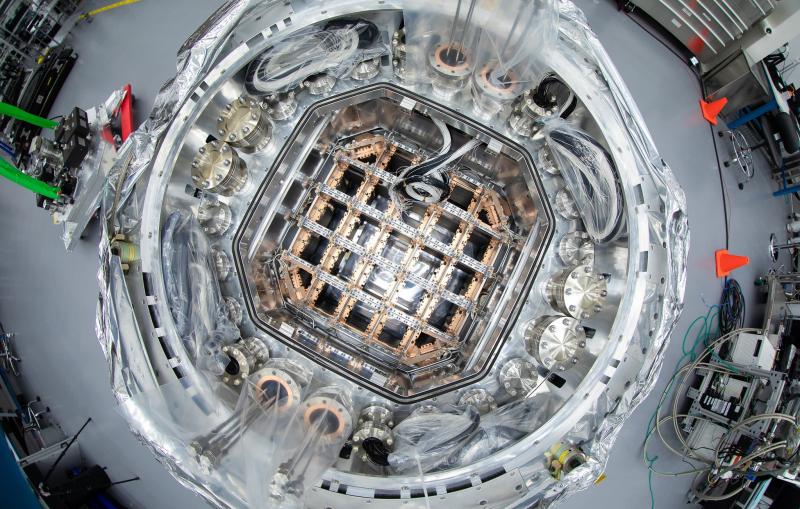
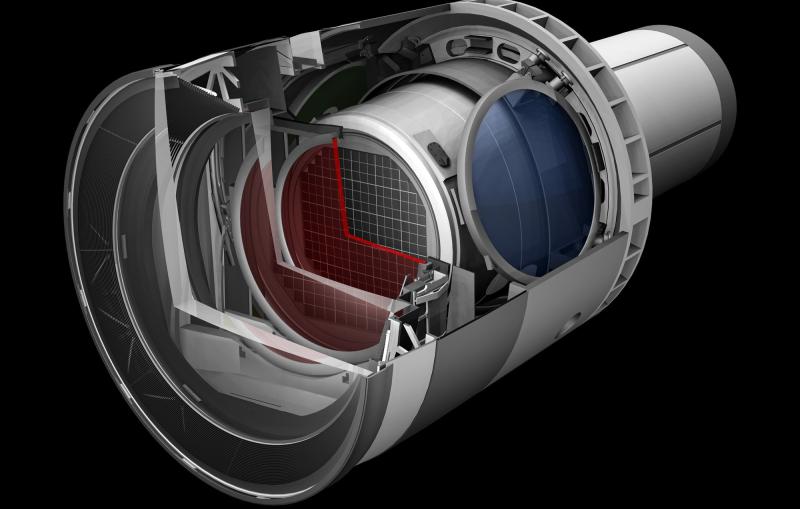
SLAC & Stanford build the world’s largest digital camera for the Legacy Survey of Space and Time (LSST).
Find a career, partner with us or apply to use our tools and facilities.
Apply to become a user of our scientific research facilities and instruments.
Careers at SLAC
Join our united workforce.
Get the latest news about the lab, our science and discoveries. Explore SLAC events and learn how to participate.
This joint publication of SLAC and Fermilab is your view into the world of particle physics.
STEM Community Day 2026
Saturday, September 12
NSF–DOE Vera C. Rubin Observatory is about to embark on its quest to capture the cosmos, marking the culmination of decades of work by...
With survey operations set to begin this fall, the Rubin control room at SLAC will serve as a key hub for training and remote...
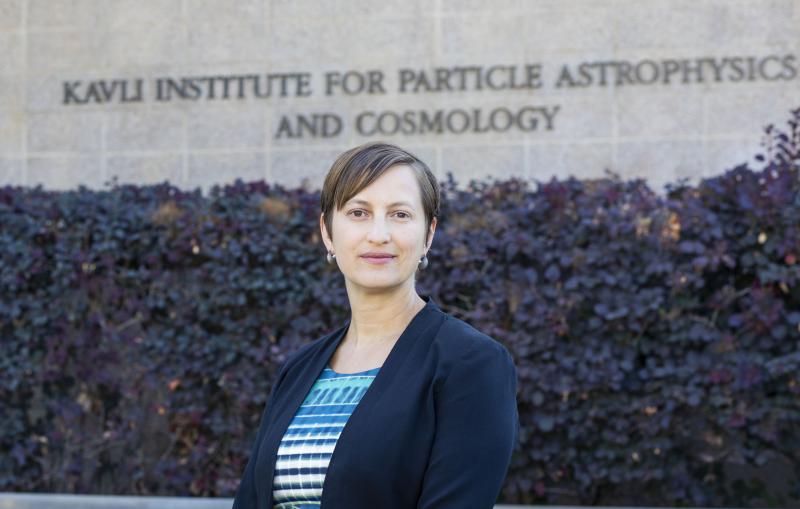
Her work will advance a next-generation experiment in the hope of detecting this mysterious ingredient of the universe.
Together with two long-time collaborators, he is recognized for work that helps us understand the strong nuclear force.
The synthetic galaxy catalog will help test Roman's capabilities and foster collaboration with the Rubin project.
The reanalysis considered new types of particle collisions and how dark matter particles interact with the Earth.
How does sunscreen work on the atomic level?
Line intensity mapping measurements taken with a new instrument will allow astrophysicists to study galaxies too far away for traditional methods.
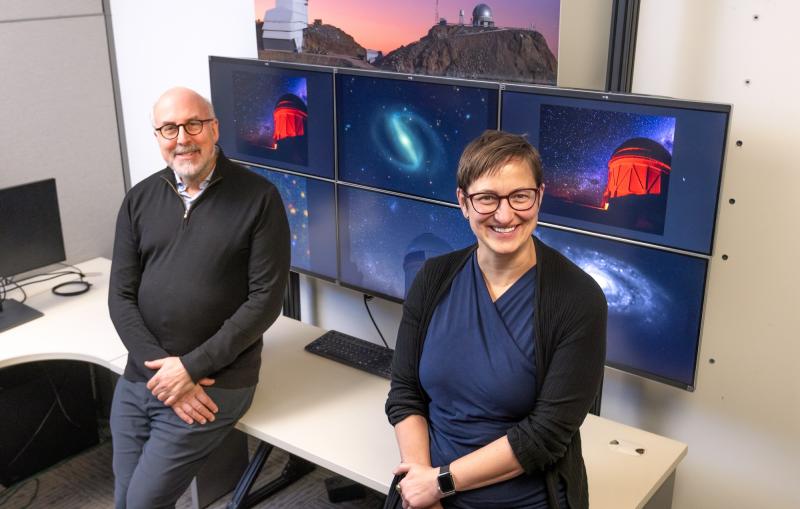
Three SLAC scientists explain what they do to ensure the world's largest digital camera for astronomy is ready for the big time.
To understand why scientists are excited about detecting a new background, just look to the history of studies of the CMB.
Three SAGE alumni talk about their experiences with a program meant to broaden gender diversity in STEM.