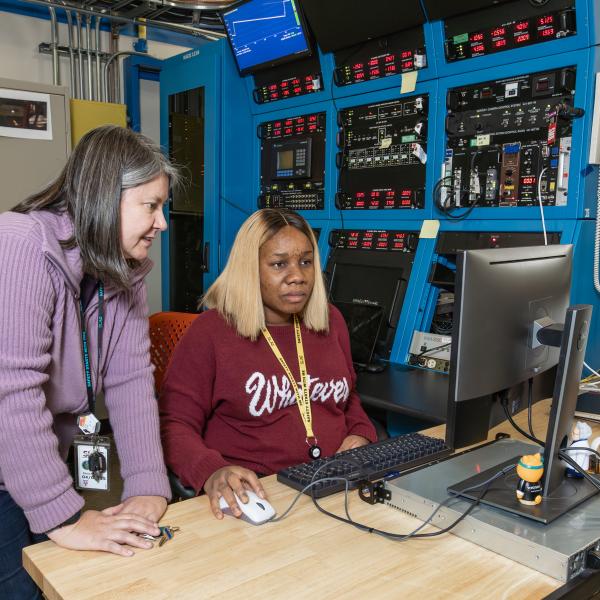
Working at the forefront of particle physics, SLAC scientists use powerful particle accelerators to create and study nature’s fundamental building blocks and forces, build sensitive detectors to search for new particles and develop theories that explain and guide experiments.
Superconducting quantum bits, or qubits, are at the heart of many quantum computers, acting like supercharged versions of the traditional bits found in classical computers.
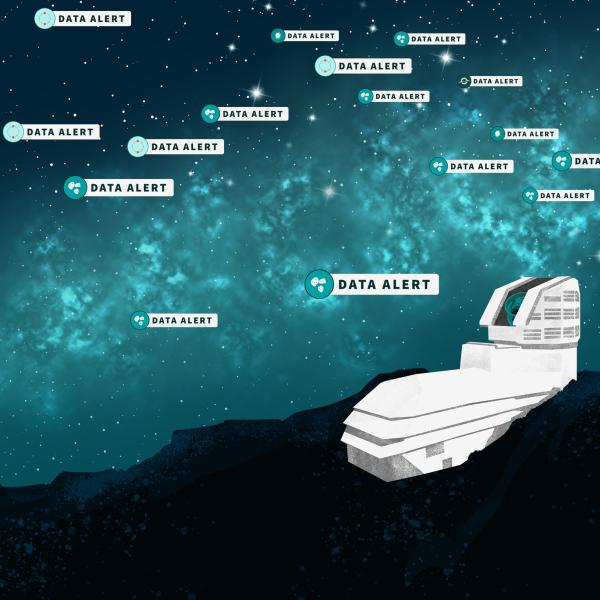
This image captures a small section of NSF–DOE Vera C. Rubin Observatory’s view of the Virgo Cluster, offering a vivid glimpse of the variety in the cosmos.
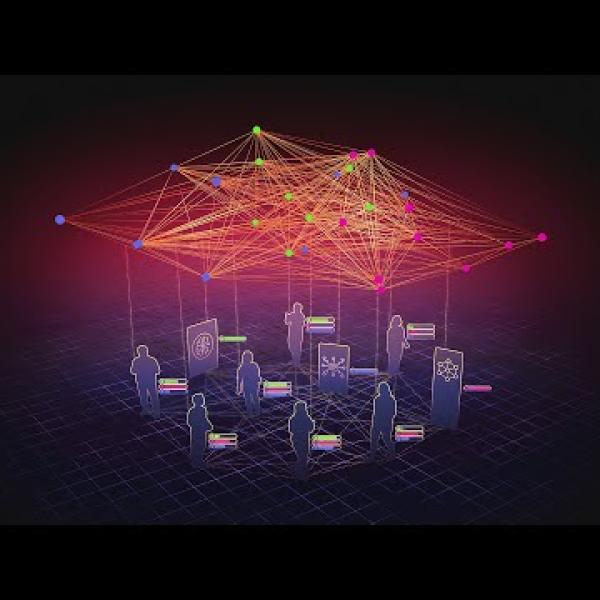
Quantum networking is the framework that uses the strange properties of quantum mechanics to transmit quantum information, encoded in qubits, from one quantum device to another.
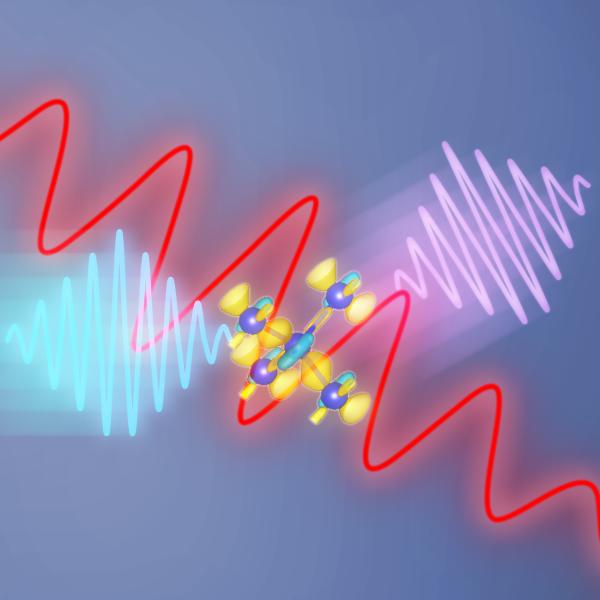
One-quintillionth of a second lasing breakthrough could lead to next-generation X-ray technologies, improving imaging in medical, material, and quantum science.
SLAC National Accelerator Laboratory (“SLAC”) requires our partners and colleagues to use the SLAC logos, names, or trademarks (together, “SLAC logos”) and follow guidelines available on this page when publicizing SLAC's work and activities.