She toured the lab’s powerful X-ray laser, looked at the construction of the world’s largest digital camera, and discussed climate research, industries of the future, and diversity, equity and inclusion in the sciences.
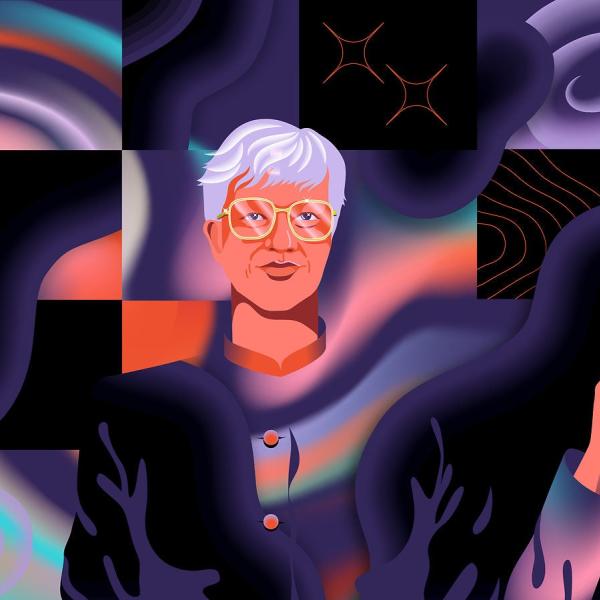
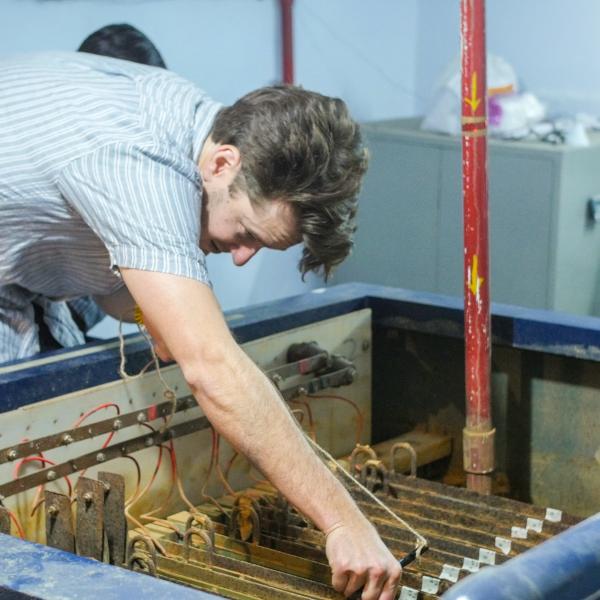
An international team led by SLAC/Stanford Professor Ed Solomon used a tantalizing principle borrowed from nature to turn harmful methane into useful methanol.
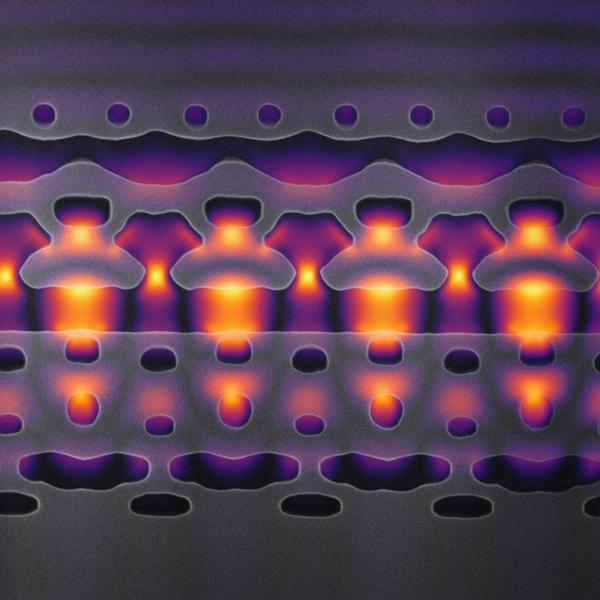
Just as engineers once compressed some of the power of room-sized mainframes into desktop PCs, so too have the researchers shown how to pack some of the punch delivered by today’s ginormous particle accelerators onto a tiny silicon chip.
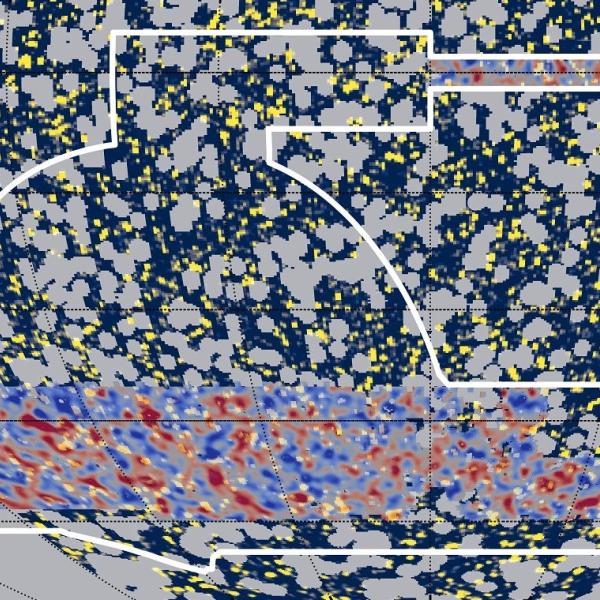
Matching up maps of matter and light from the Dark Energy Survey and Fermi Gamma-ray Space Telescope may help astrophysicists understand what causes a faint cosmic gamma-ray glow.
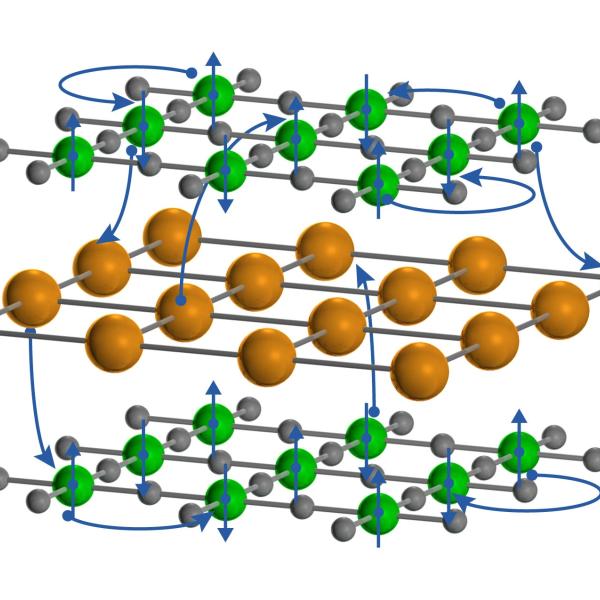
Discovered at SLAC and Stanford, this new class of unconventional superconductors is starting to give up its secrets – including a surprising 3D metallic state.
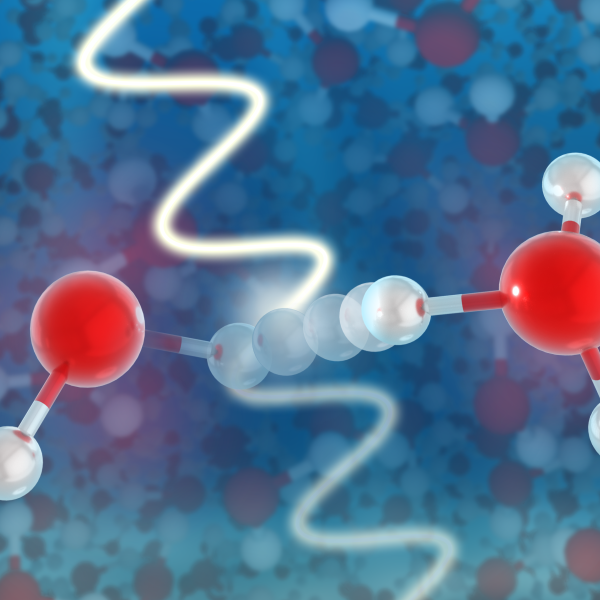
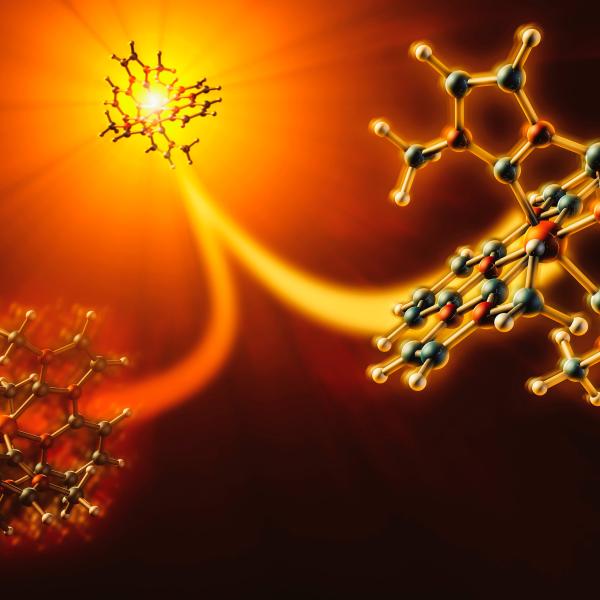
These inexpensive photosensitizers could make solar power and chemical manufacturing more efficient. Experiments at SLAC offer insight into how they work.