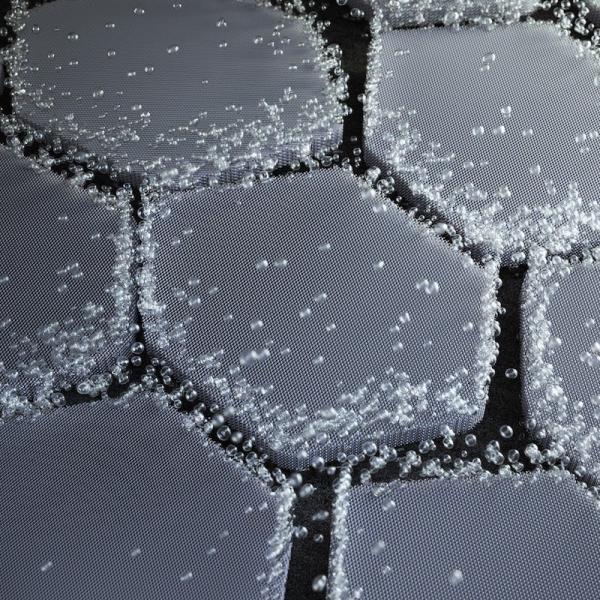
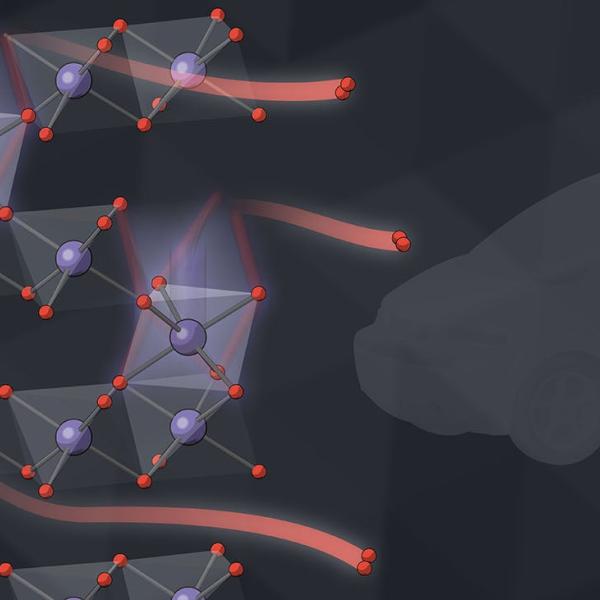
With a new suite of tools, scientists discovered exactly how tiny plate-like catalyst particles carry out a key step in that conversion – the evolution of oxygen in an electrocatalytic cell – in unprecedented detail.
Rebecca Leane and colleagues showed dark matter could heat planets in our galaxy to incredible temperatures. Here, she explains how that works and how it could pave the way for sensitive new searches for the mysterious substance.
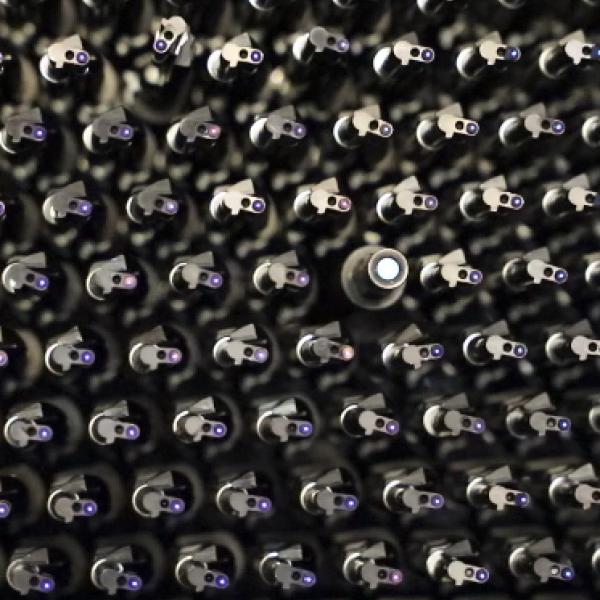
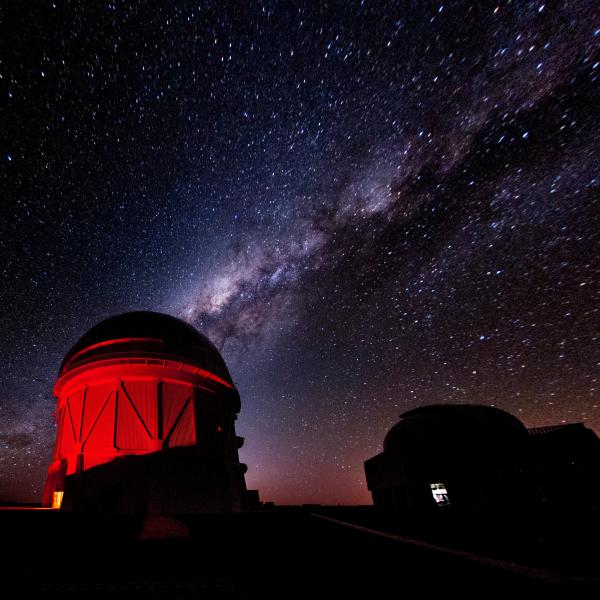
An analysis of the first three years of Dark Energy Survey data is consistent with predictions from the current best model of the universe. Nevertheless, hints remain from DES and other experiments that matter in the current universe is a...
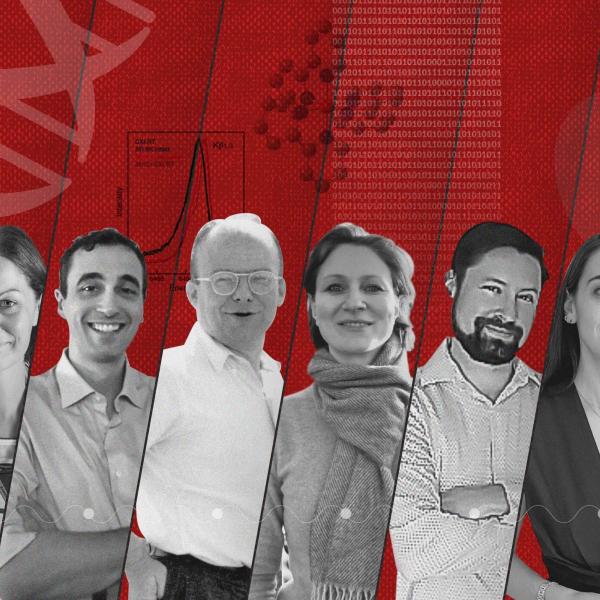
Edward Hohenstein, Emma McBride and Caterina Vernieri study what happens to molecules hit by light, recreate extreme states of matter like those inside stars and planets, and search for new physics phenomena at the most fundamental level.
From the invisible world of elementary particles to the mysteries of the cosmos, recipients of this prestigious award for early career scientists explore nature at every level.
The lab will help fund the work of researchers who use artificial intelligence and machine learning to make energy systems more sustainable, affordable, resilient and fair to all socioeconomic groups.
Bernhard Mistlberger has developed new methods to make Standard Model predictions more precise than ever. The European Physical Society recently awarded him the 2021 Gribov Medal for his contributions.
Petroglyphs are carved in a material called rock varnish, the origins of which have been debated for years. Now, scientists argue it’s the result of bacteria and an adaptation that protects them from the desert sun’s harsh rays.
Nickelate materials give scientists an exciting new window into how unconventional superconductors carry electric current with no loss at relatively high temperatures.