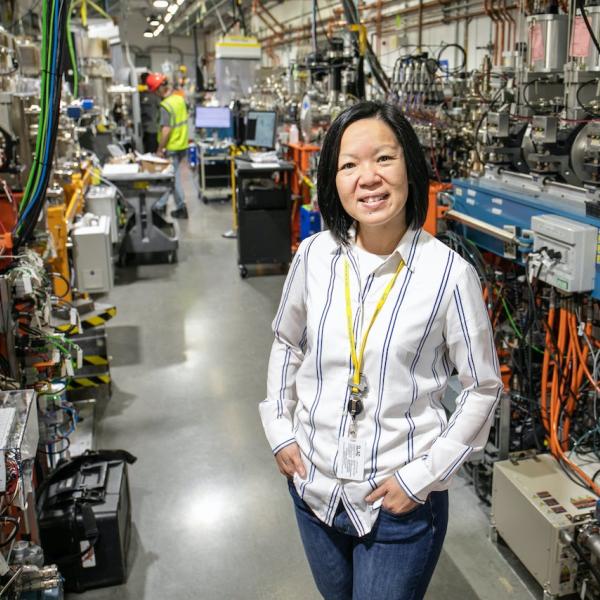
Knowledge of physics and a love of challenges fuel May Ling Ng’s quest for nanometer perfection in the smooth surfaces of mirrors used at SLAC’s X-ray laser.
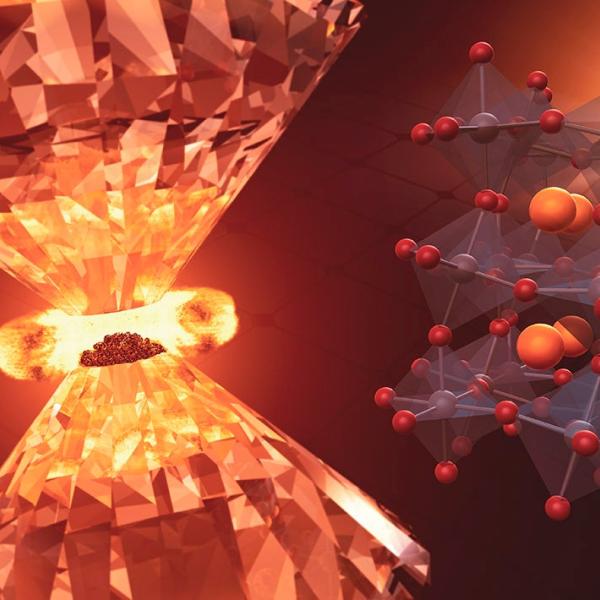
A promising lead halide perovskite is great at converting sunlight to electricity, but it breaks down at room temperature. Now scientists have discovered how to stabilize it with pressure from a diamond anvil cell.
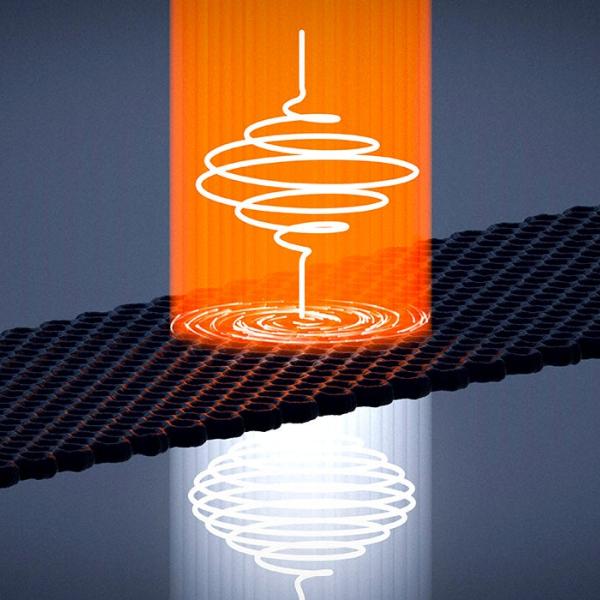
Just as pressing a guitar string produces a higher pitch, sending laser light through a material can shift it to higher energies and higher frequencies. Now scientists have discovered how to use this phenomenon to explore quantum materials in a...
When upgrades to the X-ray laser at the Department of Energy’s SLAC National Accelerator Laboratory are complete, the powerful new machine will capture up to 1 terabyte of data per second; that’s a data rate equivalent to streaming about one...
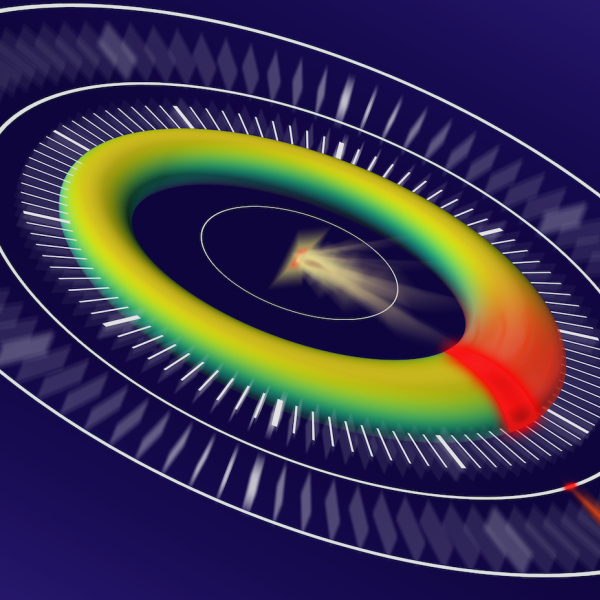
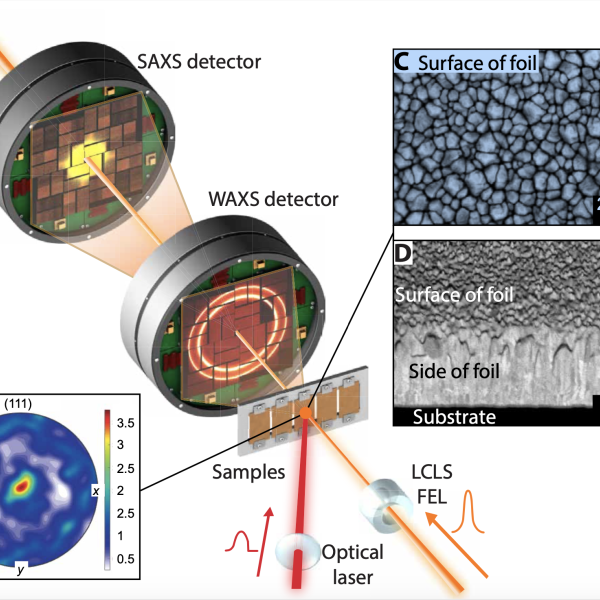
A better understanding of the failure process will help researchers design new materials that can better withstand intense events such as high-velocity impacts.
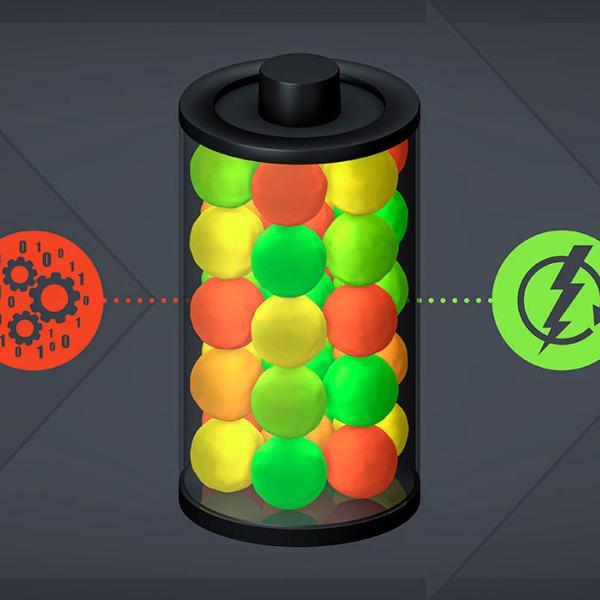
The latest advance from a research collaboration with industry could dramatically accelerate the development of sturdier batteries for fast-charging electric vehicles.