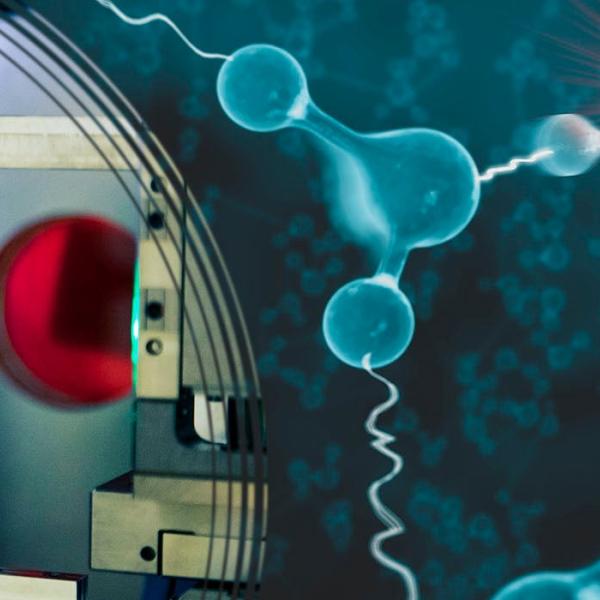
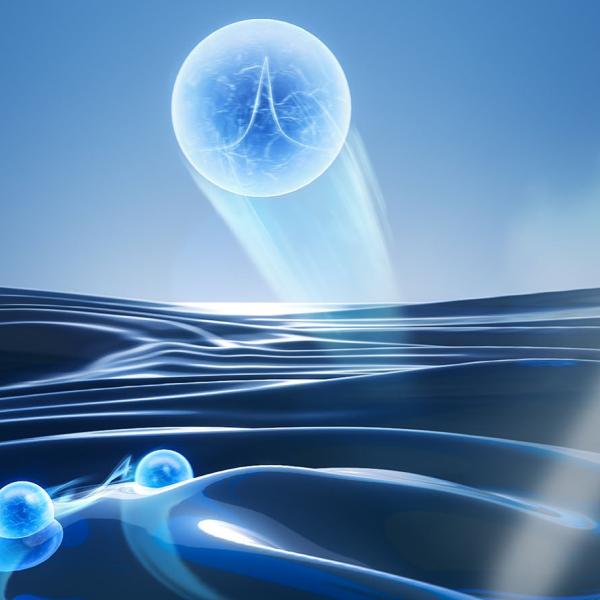
The work sheds light on the web of hydrogen bonds that gives water its strange properties, which play a vital role in many chemical and biological processes.
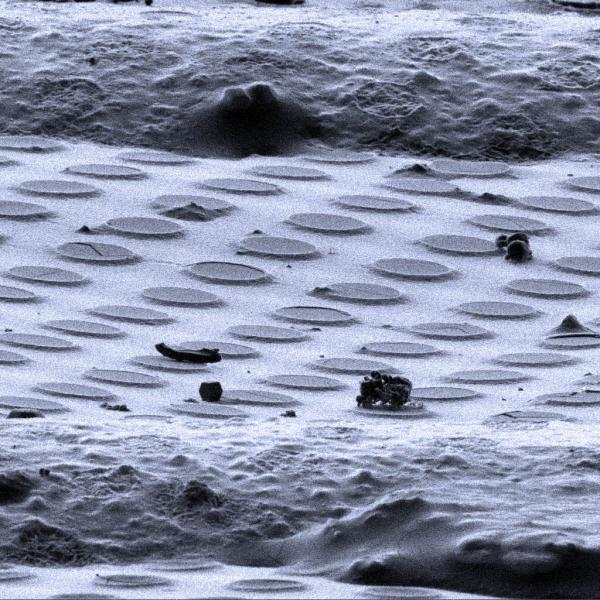
Cryo-EM snapshots of the solid-electrolyte interphase, or SEI, reveal its natural swollen state and offer a new approach to lithium-metal battery design.
The results cap 15 years of detective work aimed at understanding how these materials transition into a superconducting state where they can conduct electricity with no loss.
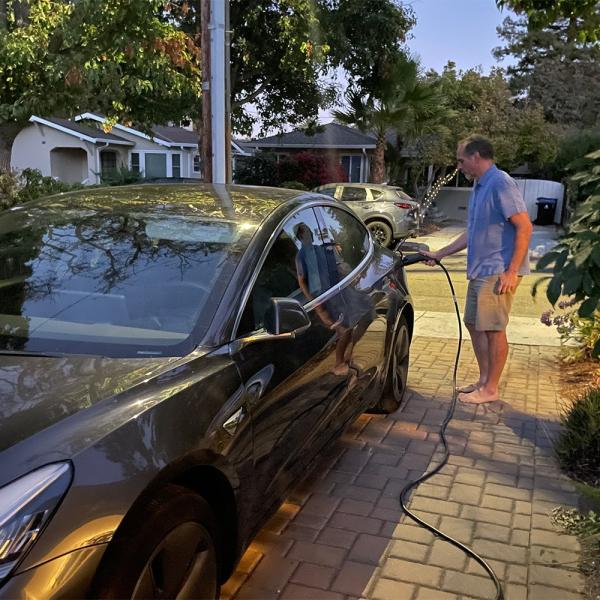
A research team including SLAC staff engineer Gustavo Cezar shows that charging electric vehicles in the daytime would spread the load on the electric grid, save money and reduce greenhouse gas emissions.
Batteries power everything from medical devices to electronic devices, yet the core technology hasn't fundamentally changed in decades. At the SLAC-Stanford Battery Center, scientists are working with industry to change that.
SLAC and Stanford researchers found that compressing solid-state battery material reduced the formation of lithium-filled cracks called dendrites, leading to faster charging and longer battery life.
Explore how SLAC advances energy research, partnering with Stanford University, the U.S. Department of Energy and industry, to help create a more reliable, affordable and sustainable energy future.