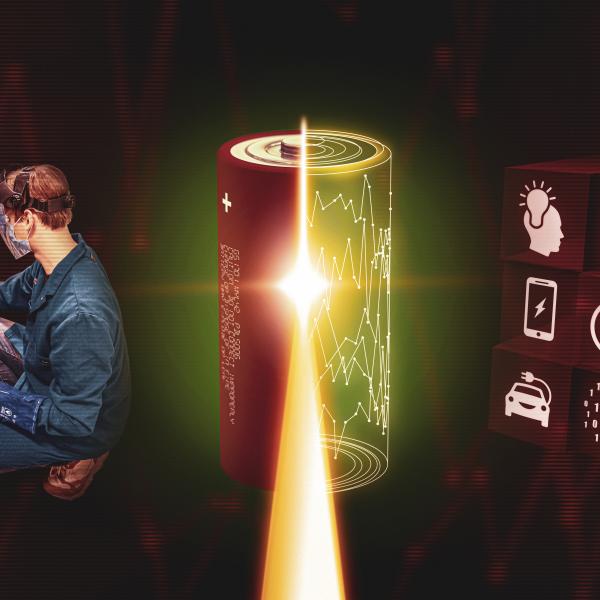
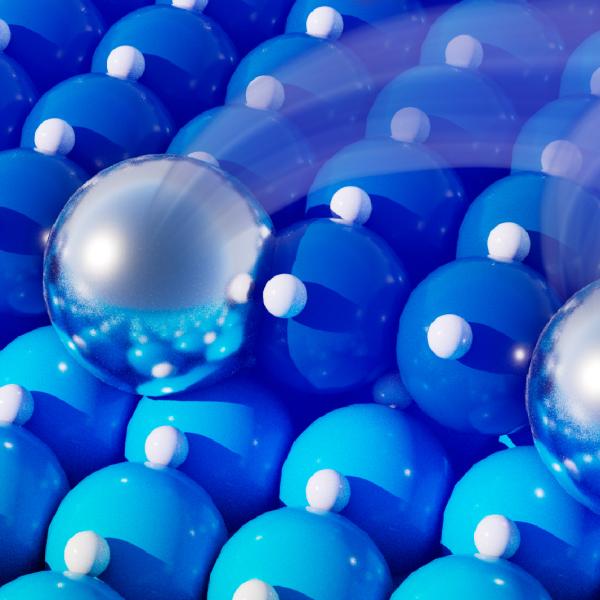
Presented by Yijin Liu. In batteries, energy is stored in tiny particles within the electrodes that individually breathe in and out and chemically evolve as the battery is charged and discharged.
Presented by Yi Cui, SLAC/Stanford University. To transform our energy sources to carbon neutrality, we need to power as much of modern society as possible with clean electricity.
The SLAC-Stanford team pulled hydrogen directly from ocean waters. Their work could help efforts to generate low-carbon fuel for electric grids, cars, boats and other infrastructure.
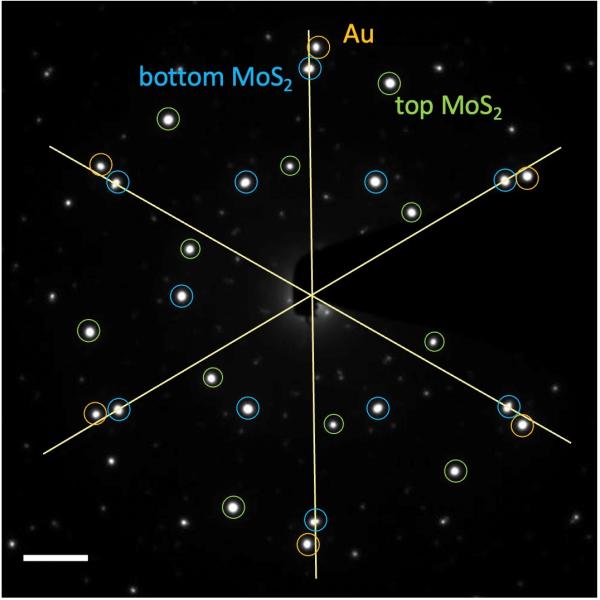
Researchers have discovered that crystals can twist when they are sandwiched between two substrates – a critical step toward exploring new material properties for electronics and other applications.