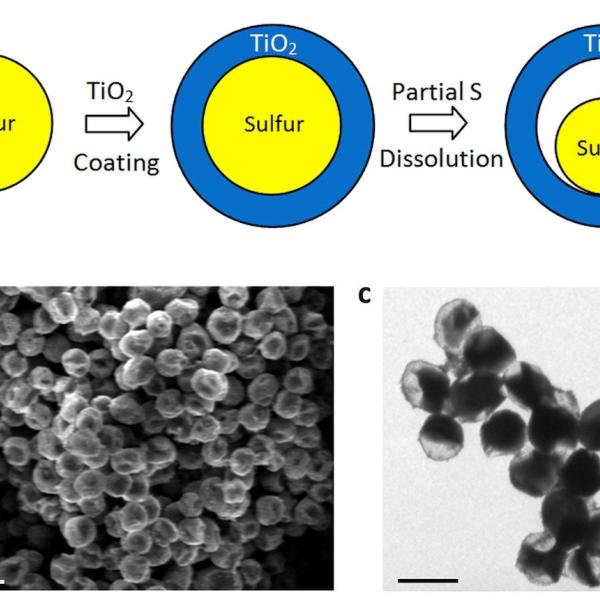
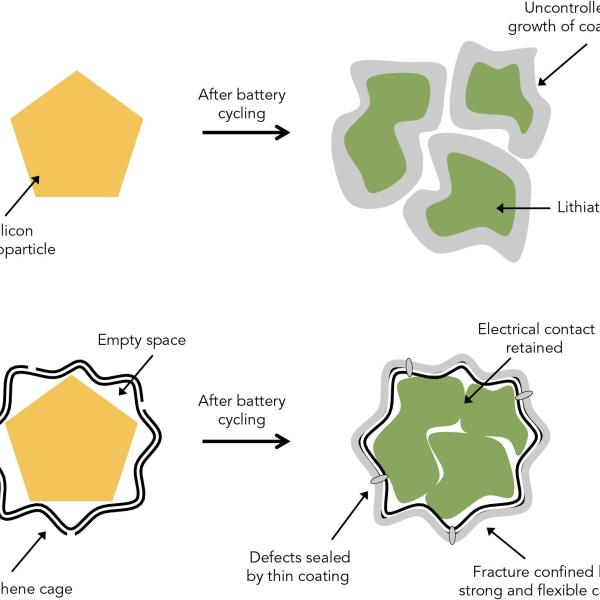
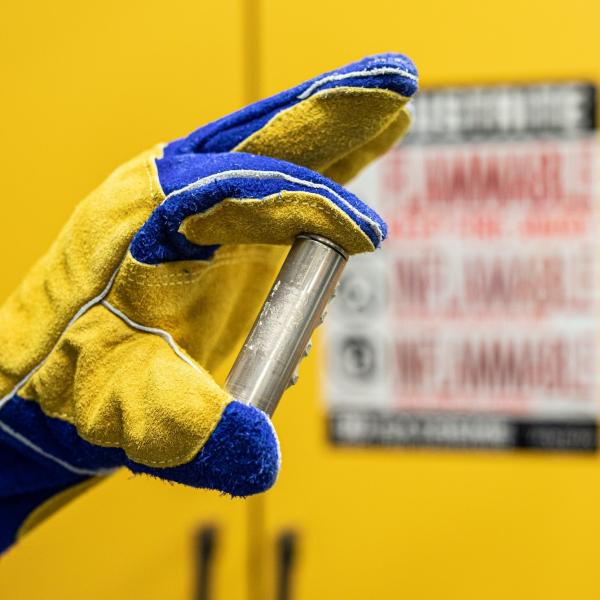
SLAC and Stanford scientists have set a world record for energy storage, using a clever “yolk-shell” design to store five times more energy in the sulfur cathode of a rechargeable lithium-ion battery than is possible with today’s commercial technology. The...
Jolting complex materials with bursts of energy from rapid-fire lasers can help scientists learn why some of these materials exhibit useful properties such as high-temperature superconductivity.
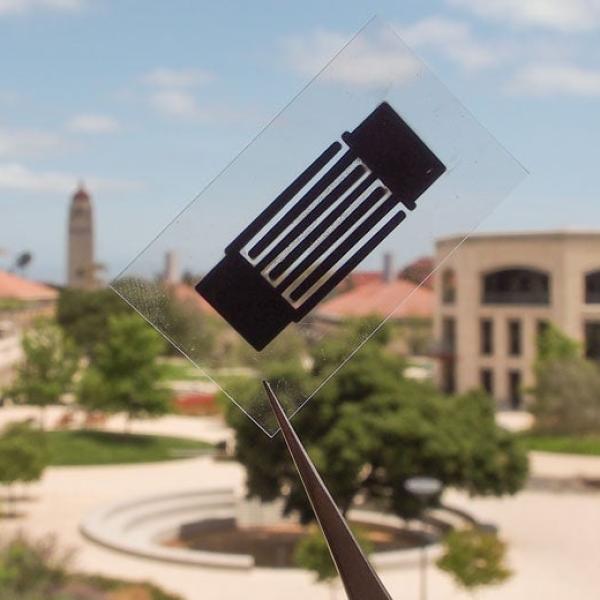
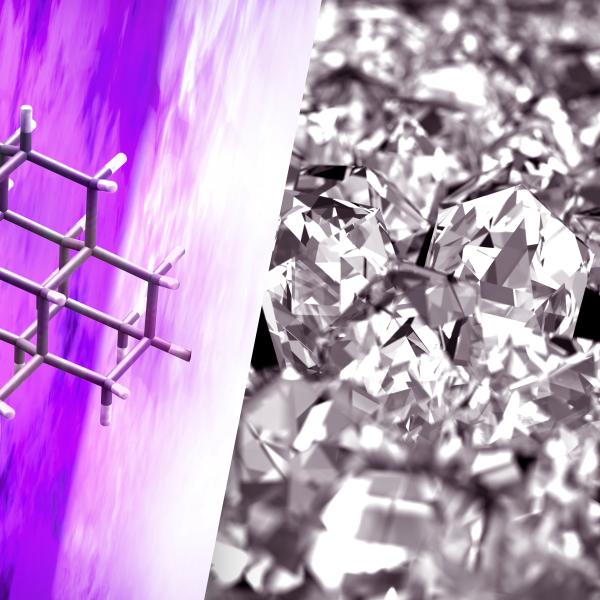
SLAC and the SUNCAT Center for Interface Science and Catalysis supported creation of a new carbon material that significantly improves the performance of batteries and supercapacitors.
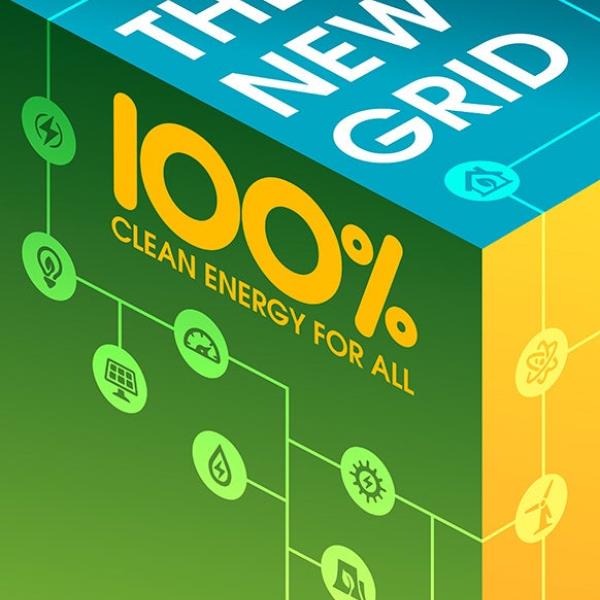
Presented by Sila Kiliccote. The grid that transmits our electrical power needs a radical transformation. The structure of the grid has not changed fundamentally since its creation a century ago. But today’s grid faces new challenges.
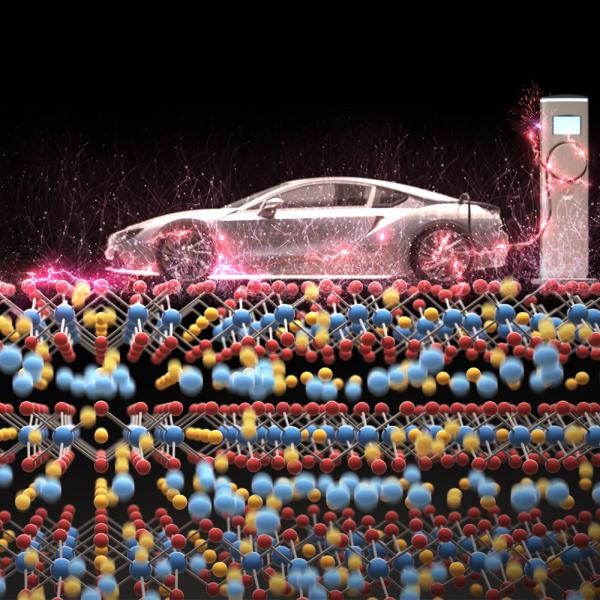
They created a comprehensive picture of how the same chemical processes that give these cathodes their high capacity are also linked to changes in atomic structure that sap performance.
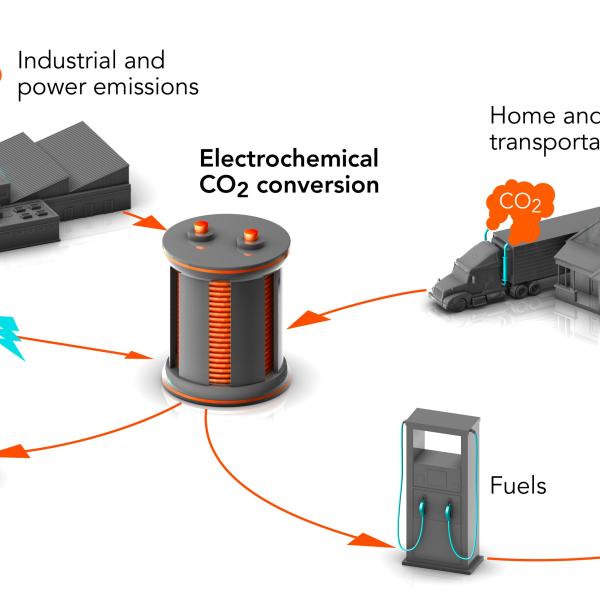
Researchers at Stanford and SLAC are working on ways to convert waste carbon dioxide (CO2) into chemical feedstocks and fuels, turning a potent greenhouse gas into valuable products. The process is called electrochemical conversion. When powered by renewable energy sources...
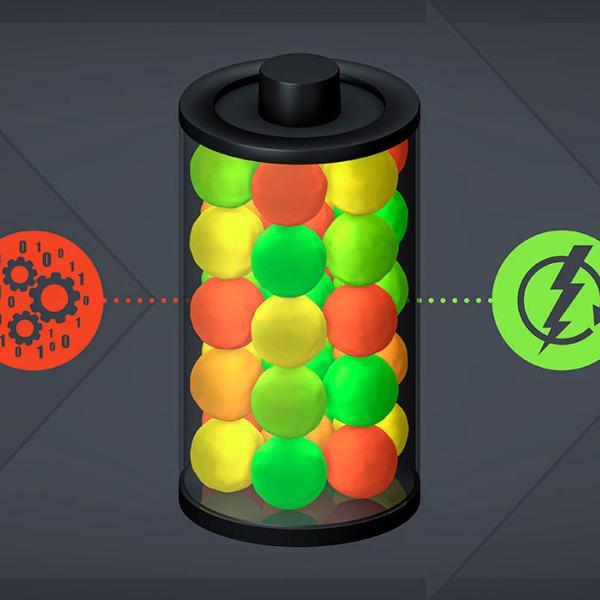
Diagram with icons depicting how X-ray studies, machine learning and lab work (left) were used to study electrode nanoparticles (center) for batteries used in electric vehicles, consumer electronics and solar power (right).