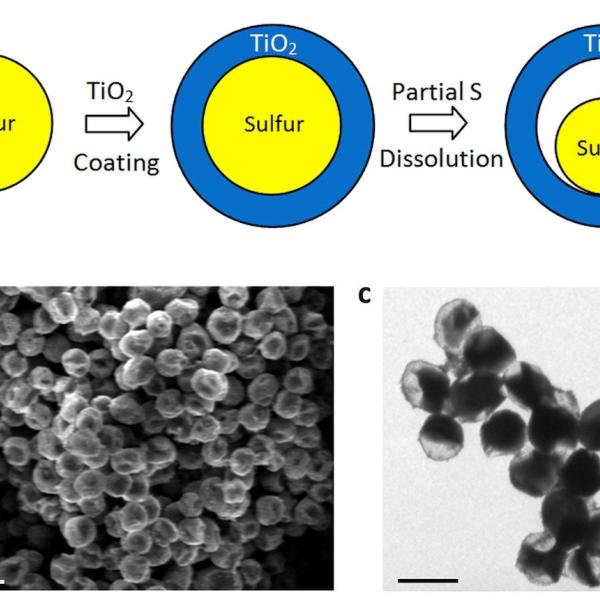
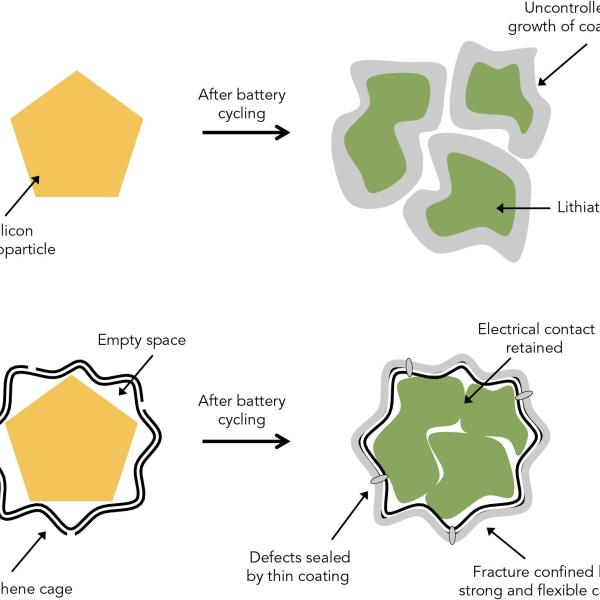
SLAC and Stanford scientists have set a world record for energy storage, using a clever “yolk-shell” design to store five times more energy in the sulfur cathode of a rechargeable lithium-ion battery than is possible with today’s commercial technology. The...
Jolting complex materials with bursts of energy from rapid-fire lasers can help scientists learn why some of these materials exhibit useful properties such as high-temperature superconductivity.
The ribosome, found in all living cells, is the molecular machine that builds proteins. It faithfully attaches together amino acids – the building blocks of proteins – in the order determined by messenger RNA molecules, which in turn follow the...
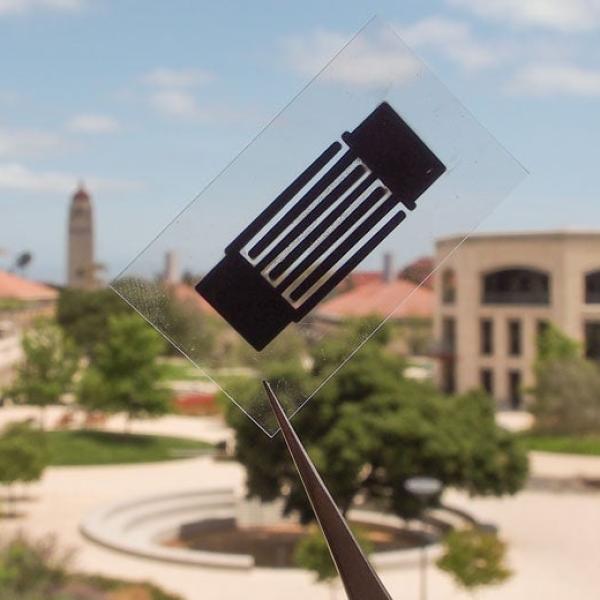
SLAC and the SUNCAT Center for Interface Science and Catalysis supported creation of a new carbon material that significantly improves the performance of batteries and supercapacitors.
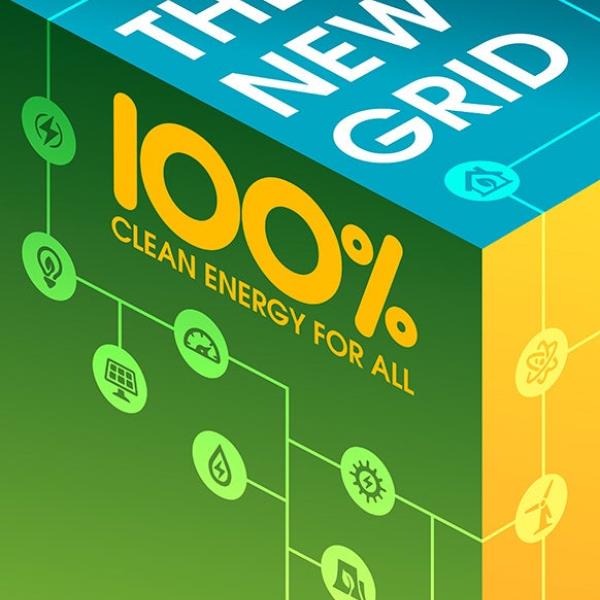
Presented by Sila Kiliccote. The grid that transmits our electrical power needs a radical transformation. The structure of the grid has not changed fundamentally since its creation a century ago. But today’s grid faces new challenges.
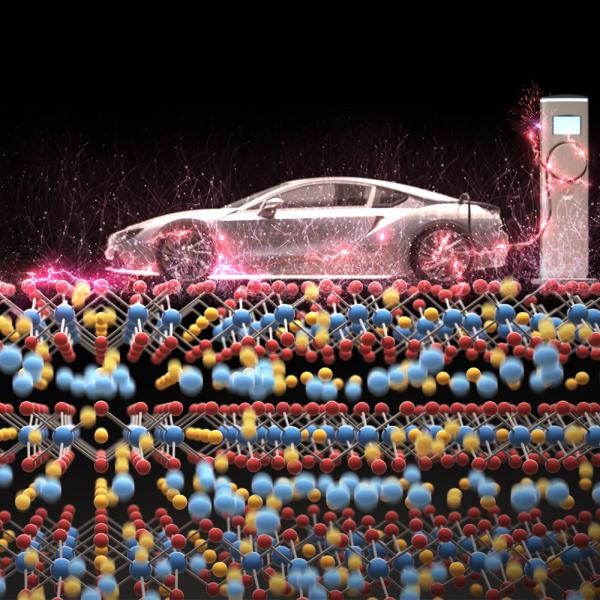
They created a comprehensive picture of how the same chemical processes that give these cathodes their high capacity are also linked to changes in atomic structure that sap performance.
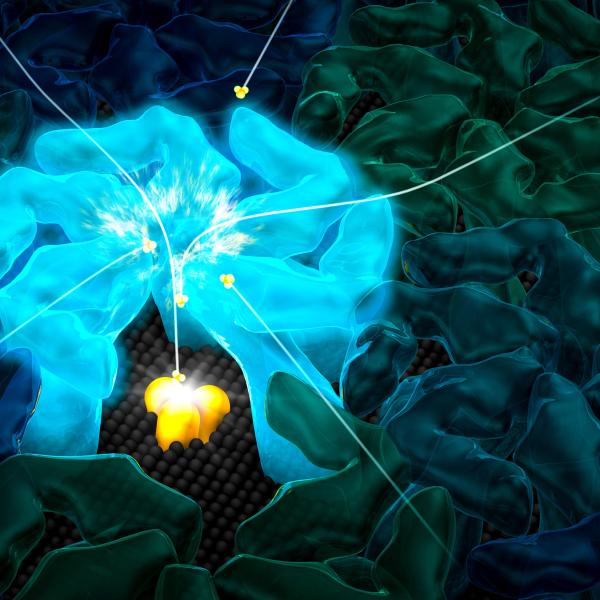
An artist’s depiction of a tiny pore in the crystalline shell of an ammonia-eating archaea microbe; surrounding proteins are shown in blue. The pore’s negative charge attracts ammonium ions from the environment, which interact with an enzyme complex (yellow) to...