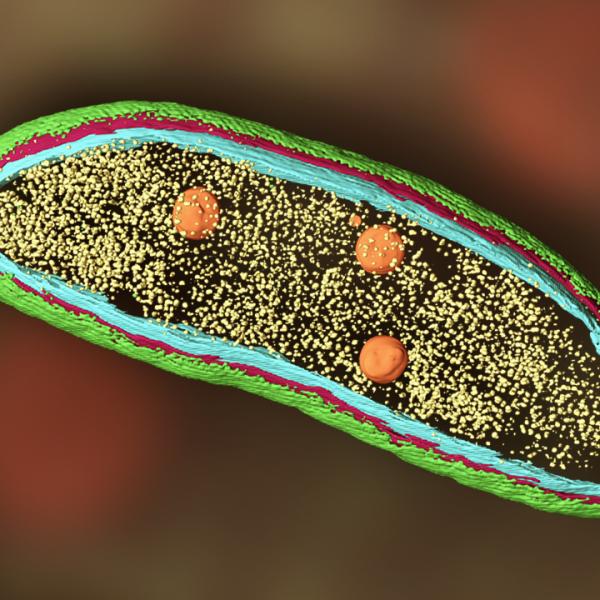
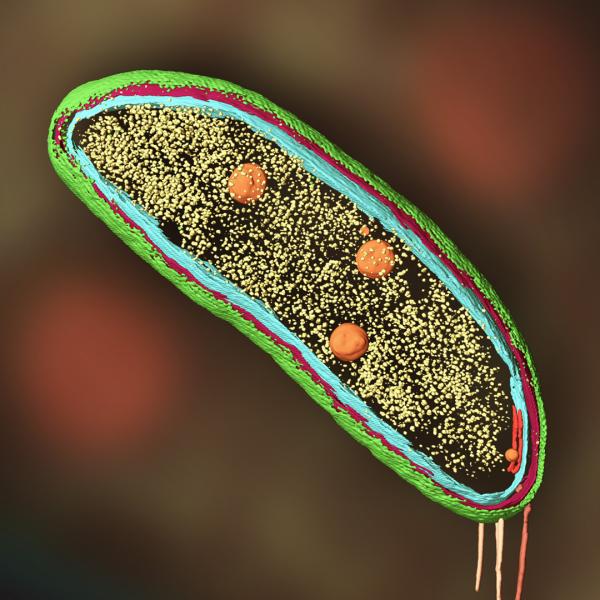
Presented by Wah Chiu. Cryogenic electron microscopy (cryo-EM) is a revolutionary technology for making 3D images of the inner workings of cells in much higher resolution than ever possible before.
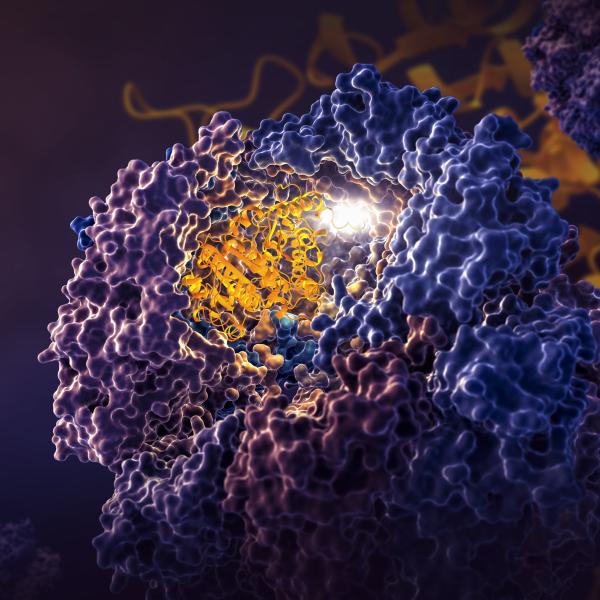
Sandwiching wiggly proteins between two other layers allows scientists to get the most detailed images yet of a protein that’s key to the spread of acute myeloid leukemia.
SLAC’s Matt Garrett and Susan Simpkins talk about tech transfer that brings innovations from the national lab to the people, including advances for medical devices and self-driving vehicles.
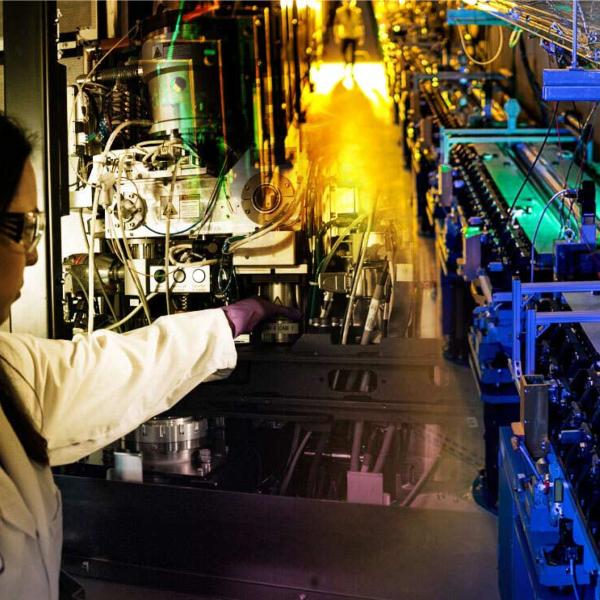
The facility, LCLS-II, will soon sharpen our view of how nature works on ultrasmall, ultrafast scales, impacting everything from quantum devices to clean energy.
By revealing the chemistry of plant secretions, or exudates, these studies build a basis for better understanding and conserving art and tools made with plant materials.
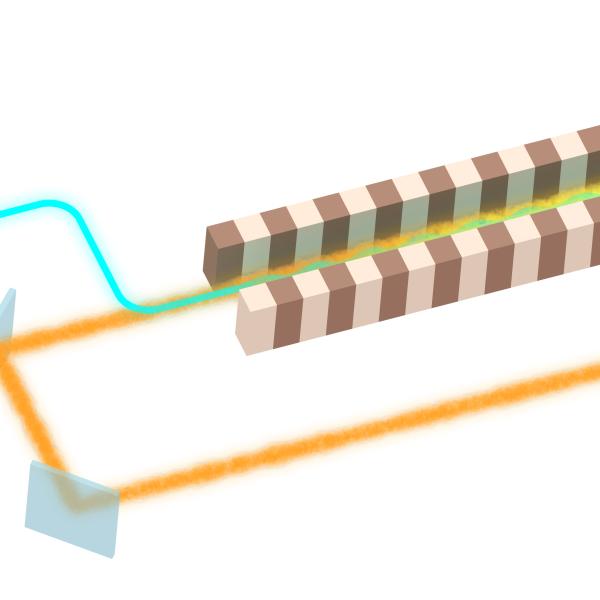
Knowing a magnet’s past will allow scientists to customize particle beams more precisely in the future. As accelerators stretch for higher levels of performance, understanding subtle effects, such as those introduced by magnetic history, is becoming more critical.
Wheat and other sources of gluten can spell trouble for people with the disease, but new findings could aid the development of first-ever drugs for the autoimmune disorder.
It is a mystery how the earliest organisms on earth evolved the means to thrive, grow and reproduce under the sparse conditions of the young planet. Primordial earth had little oxygen and in the deep seas, no available light. One...
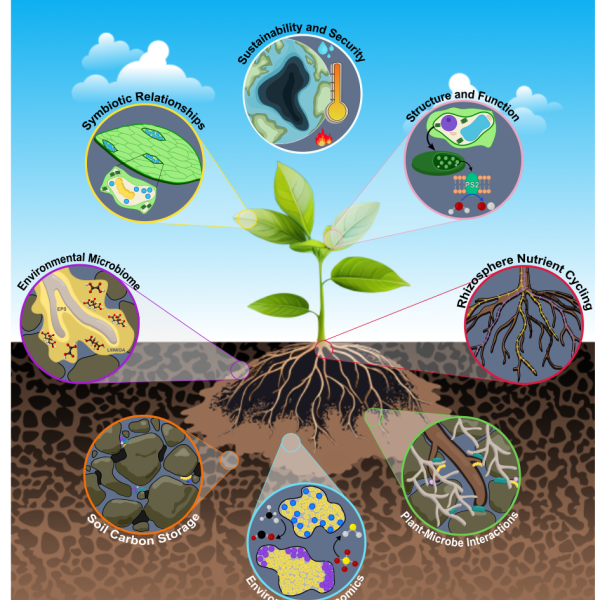
Register to watch in person in the Kavli Auditorium, or watch the lecture live on our YouTube page. Plants supply us with food, clothing, medicines, fuels, and other necessities of life. For their growth, plants need essential minerals from the...