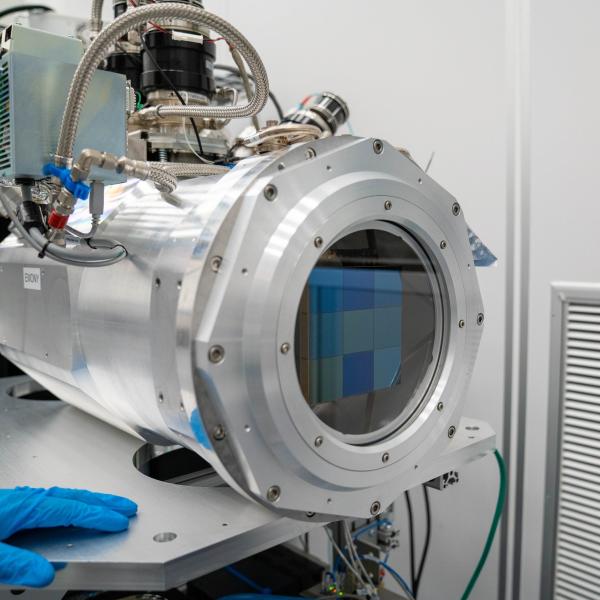
The LSST camera integration and testing team inserted a raft of nine imaging sensors into the body of the ComCam. This miniature version of the LSST camera will be used for telescope commissioning. Check out photos of this and other...
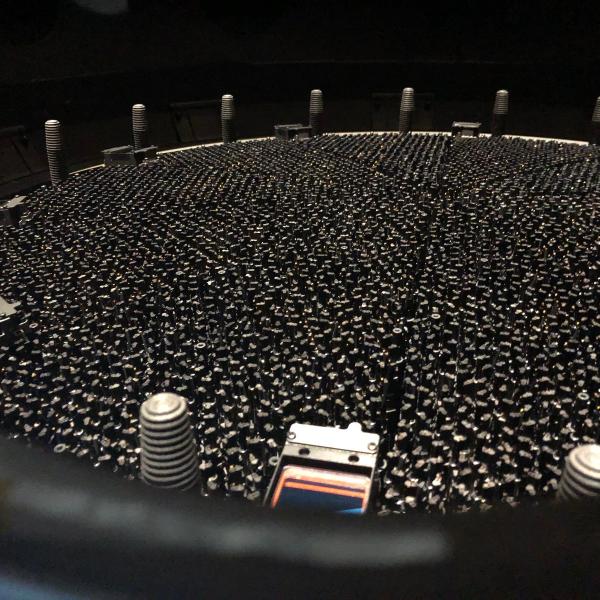
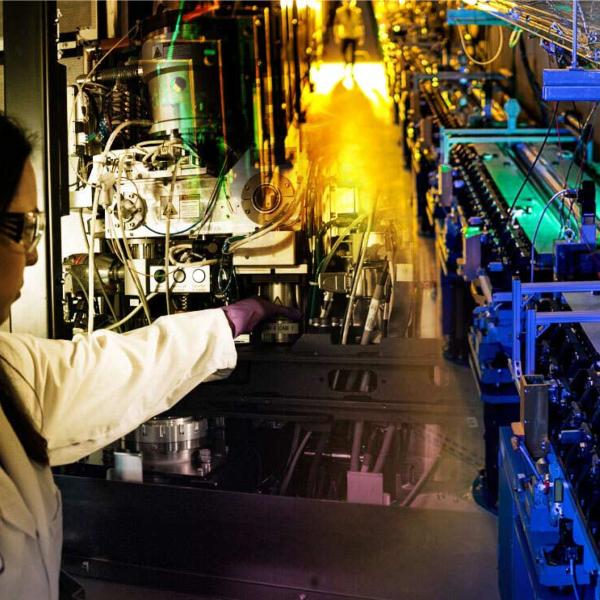
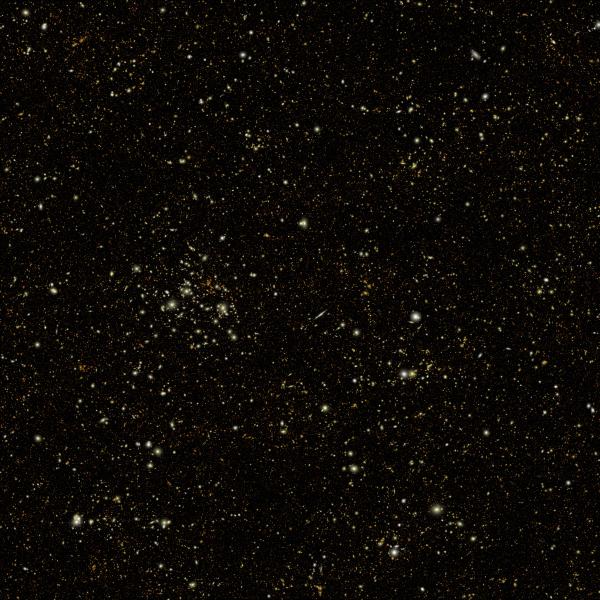
The Dark Energy Spectroscopic Instrument begins final testing, setting the stage for a 5-year survey that will analyze the light of 35 million galaxies.
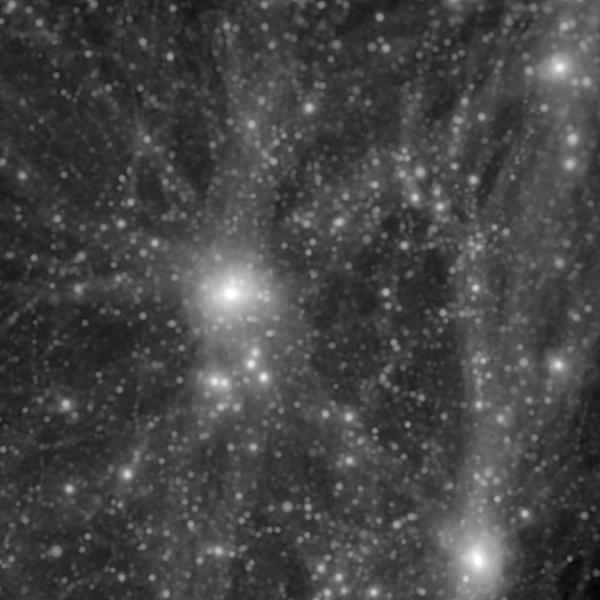
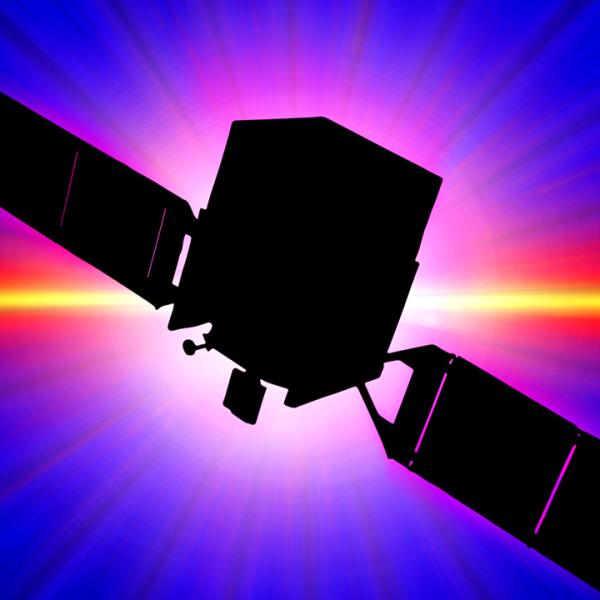
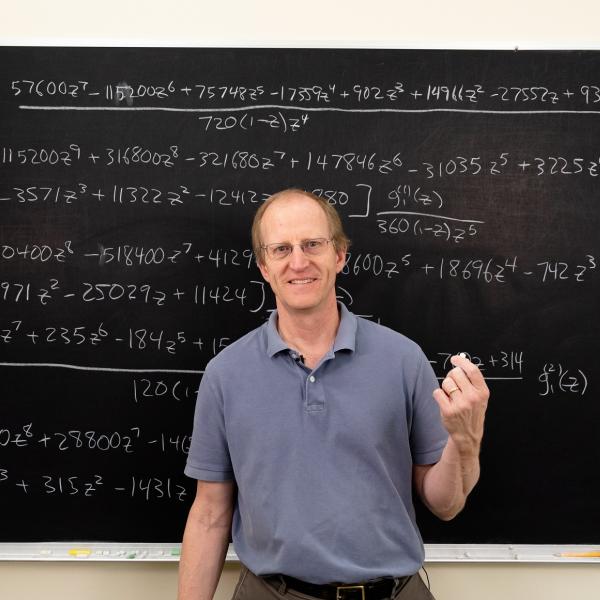
Presented by Eric Charles. A single gamma ray carries millions of times the energy of a single photon of visible light. This means that gamma rays are produced only in the most convulsive environments in the universe – pulsars spinning...
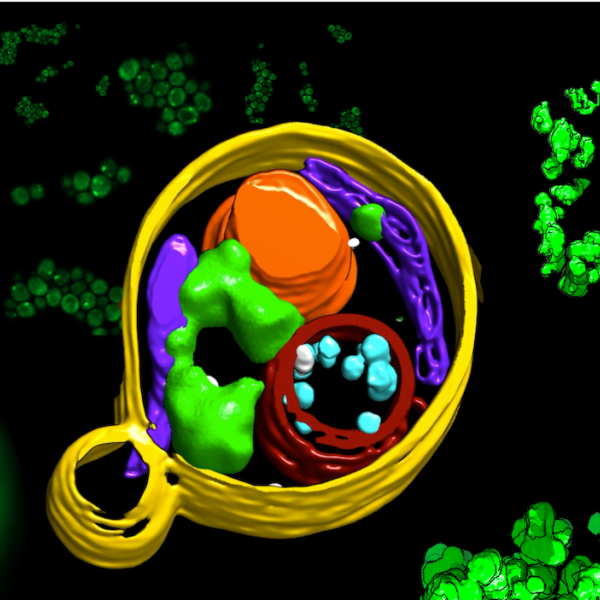
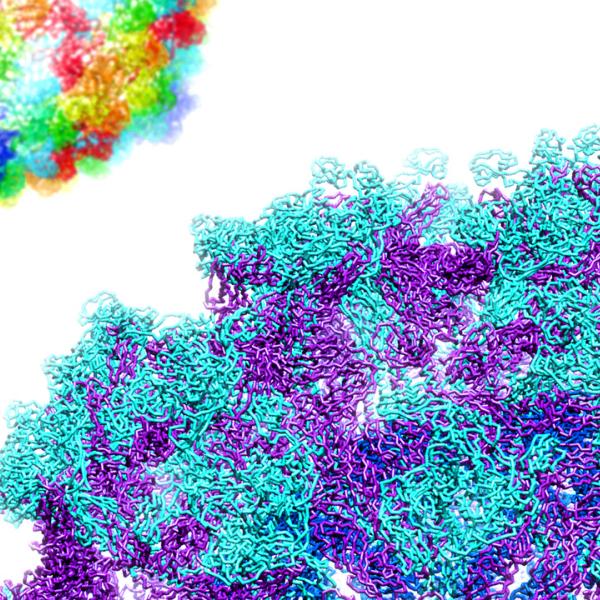
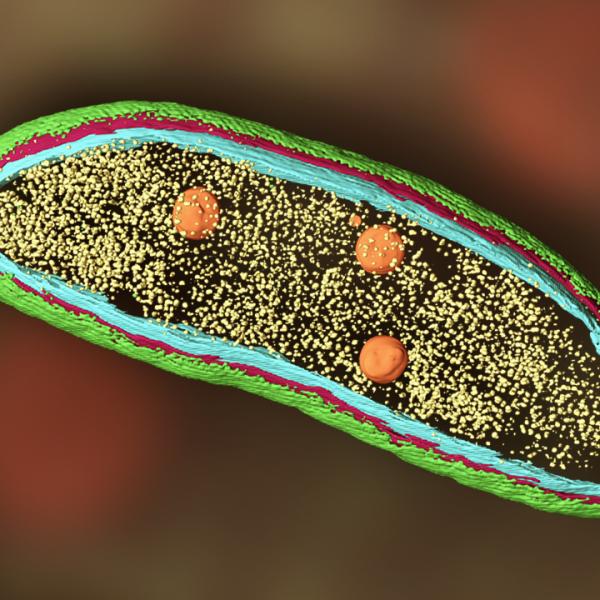
Presented by Wah Chiu. Cryogenic electron microscopy (cryo-EM) is a revolutionary technology for making 3D images of the inner workings of cells in much higher resolution than ever possible before.
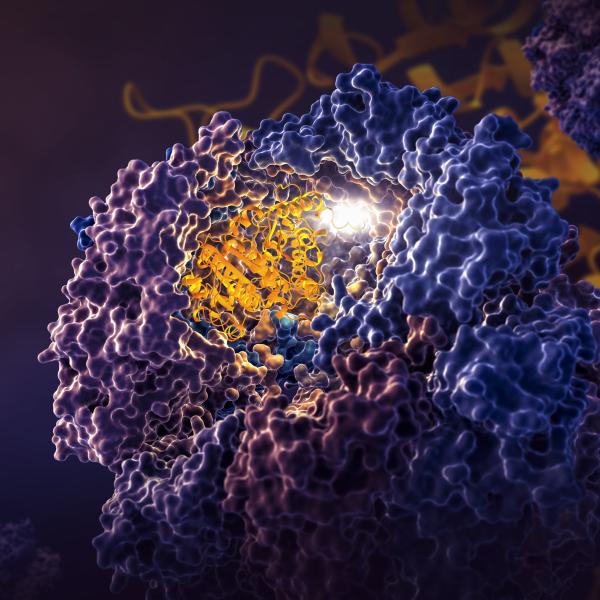
SLAC is uniquely equipped to study viruses like SARS-CoV-2; in fact, we’ve been doing it for decades. This news collection gathers the latest information on COVID-19 research at SLAC.