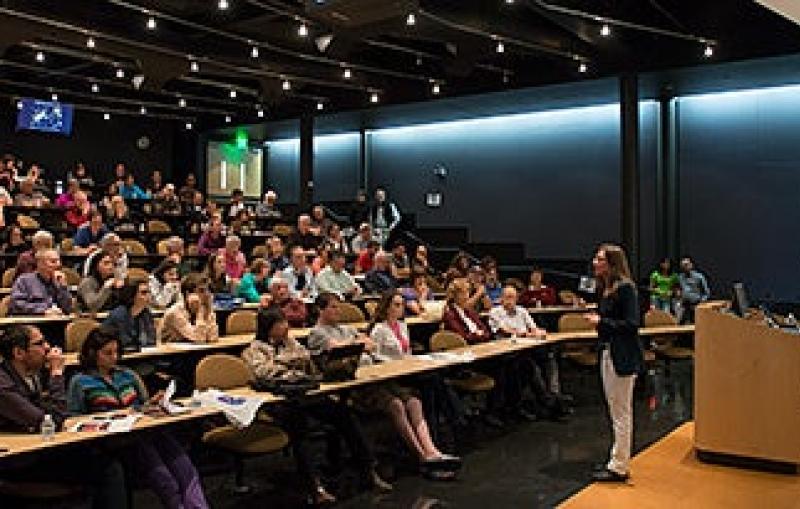
A venue for the SLAC community to hear about a wide range of scientific and science-related topics, presented by notable speakers from SLAC, Stanford, and institutions from around the country and the world.
SLAC and Stanford scientists used ultrafast electrons and a laser to reveal an unexpectedly strong optical response to ionization, opening new possibilities for radiological imaging and sensing while shedding light on the fundamental behavior of materials.
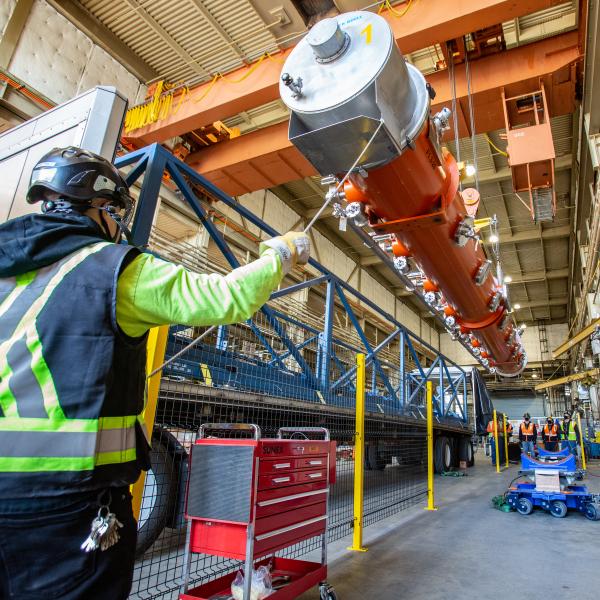
Now, we’re turning up the energy. The high-energy upgrade to LCLS will extend its ultrafast megahertz capability into the “hard,” or high-energy, X-ray regime.
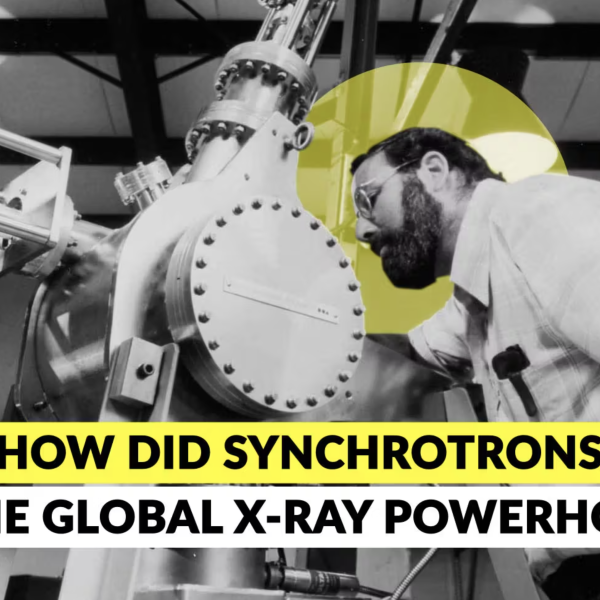
SLAC develops and deploys some of the world’s most advanced scientific tools for exploring how the universe works at the biggest, smallest and fastest scales. Here we explain how they work and the exciting discoveries they make possible.
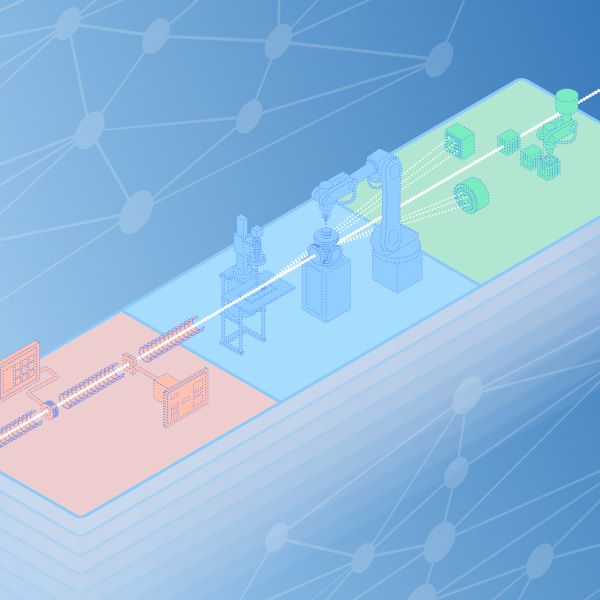
Tomorrow's innovations will come from autonomous labs that slash discovery time, and SLAC's facilities are taking the lead in a new collaboration with Stanford, other national labs, universities, and industry.
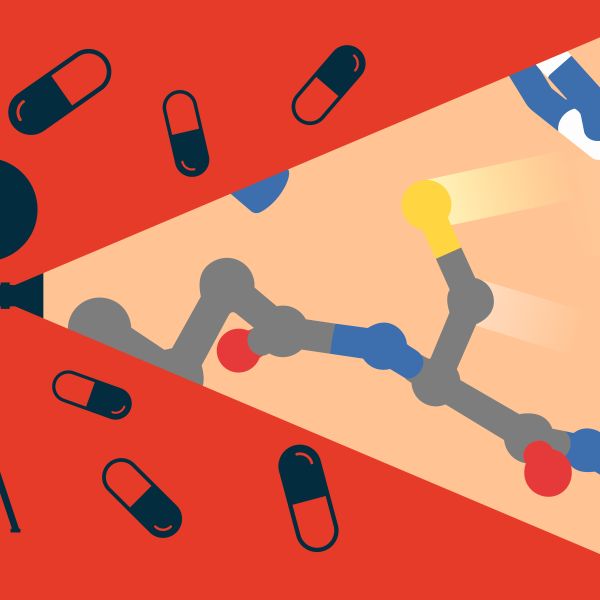
Using X-ray free-electron lasers like SLAC’s LCLS, researchers study how enzymes catalyze reactions, which could help them develop drugs and other medical treatments.