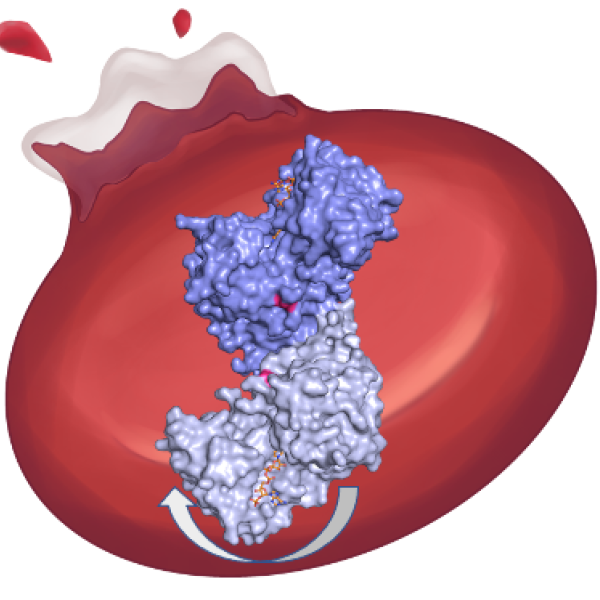
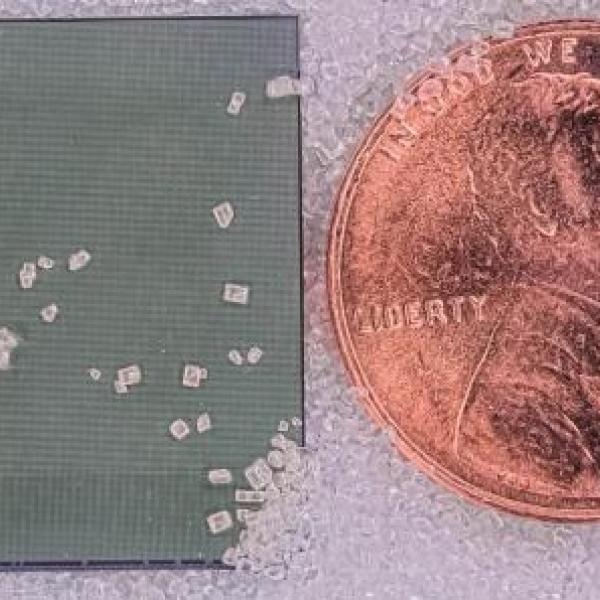
G6PD deficiency affects about 400M people worldwide and can pose serious health risks. Uncovering the causes of the most severe cases could finally lead to treatments.
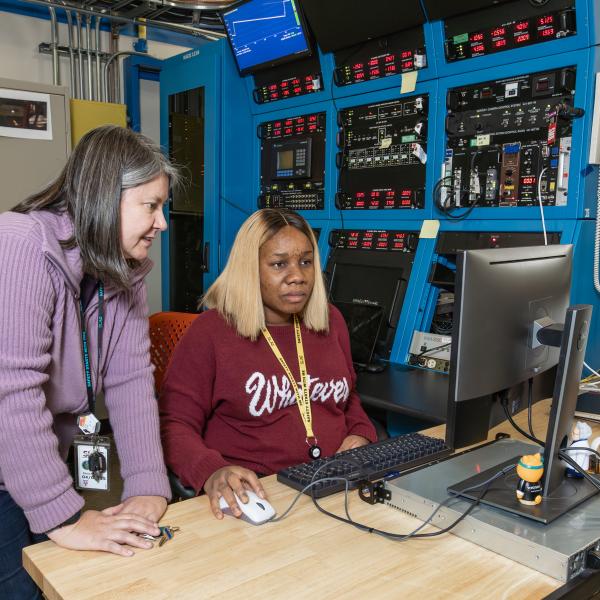
In a first-ever collaboration, three U.S. Department of Energy national laboratory light source facilities—the Advanced Light Source, the Linac Coherent Light Source, and the Stanford Synchrotron Radiation Lightsource—will come together for a joint users’ meeting, hosted at the SLAC National...
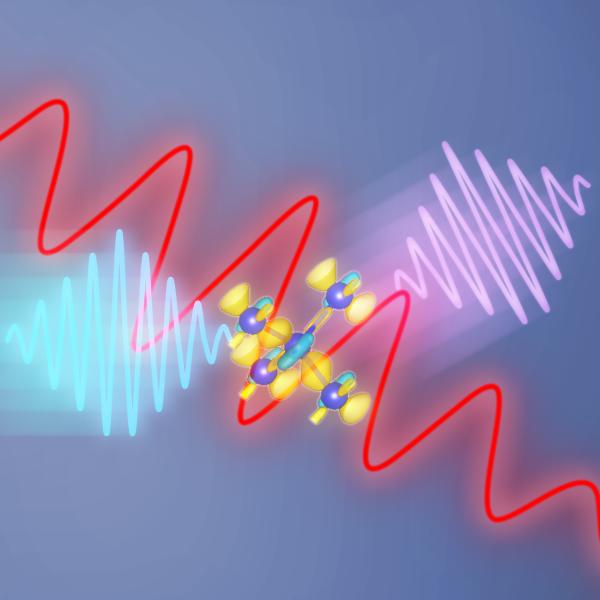
The new method allows better studies of valence electrons key to materials’ properties and could help unlock novel photocatalysts, light-switchable superconductors and other applications of the future.
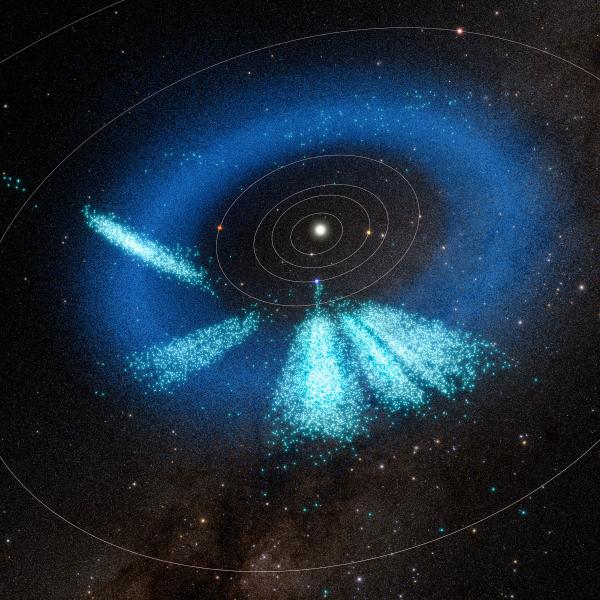
NSF-DOE Rubin Observatory has issued its first scientific alerts, marking a historic milestone in astrophysics and kicking off a new era of dynamic, real-time observation of the night sky.
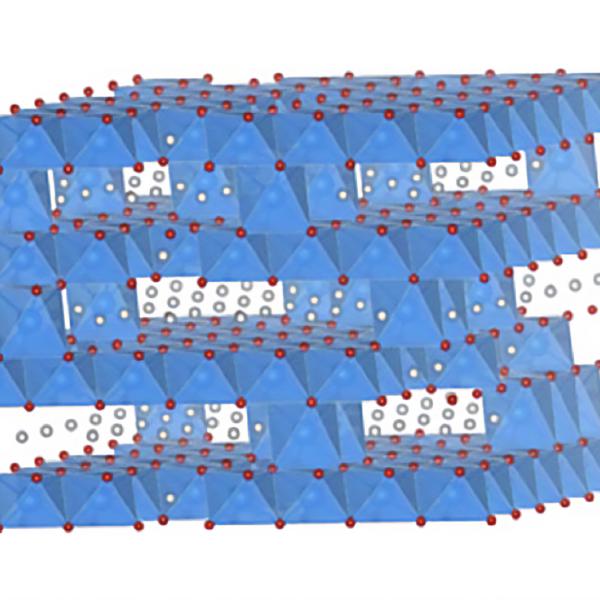
By instigating atomic disorder in lithium-ion battery materials, researchers created more stable materials that don’t expand, contract and degrade like traditional materials do.
Argonne, SLAC researchers designed a chip that compresses and processes detector data instantly, letting scientists analyze results and steer experiments as they happen.
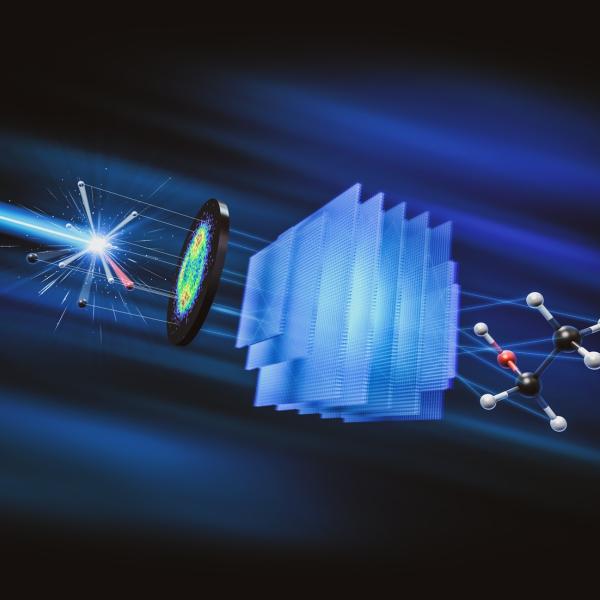
SLAC researchers and collaborators trained a neural network that can use ion momentum to work backward and predict the pre-blast geometry of a molecule.
Researchers reengineered an ePix10k detector for use in ultrafast electron diffraction, empowering studies of chemical processes that were previously out of reach.
What do the sound of Rice Krispies and the motion of atoms and magnets have in common? Join us at the Dutch Goose for SLAC on Tap on April 14 at 5:30 pm to hear for yourself. SLAC scientist Joshua...